Fountain County Indiana Covington Apple Fest Festival
The Covington Apple Fest is one of those Fountain County weekends locals plan around without needing a poster to remind them. It arrives in autumn, it puts apples at the center of everything, and it gathers a county of 16,479 people into a town small enough that you start recognizing faces by the second hour. Nothing about it is slick or corporate. That is exactly the point.
Covington Apple Fest: The Fountain County Basics
| Town / area | Covington and the surrounding Fountain County countryside, Indiana |
| County | Fountain County, Indiana (founded 1826) |
| County seat | Covington |
| County population | 16,479 |
| County land area | 397.88 square miles |
| Region | West-central Indiana, Wabash River valley near the Illinois state line |
| Typical timing | An autumn weekend, usually in September or October |
| Admission | Typically free to enter; vendors sell food, drinks, and goods |
| Setting and features | Downtown Covington streets and nearby gathering spaces, with orchard apples, baked goods, food stalls, crafts, live music, and family activities |
| Organizer | Local volunteers and community organizations |
Covington, Fountain County, and the Apple Weekend Habit
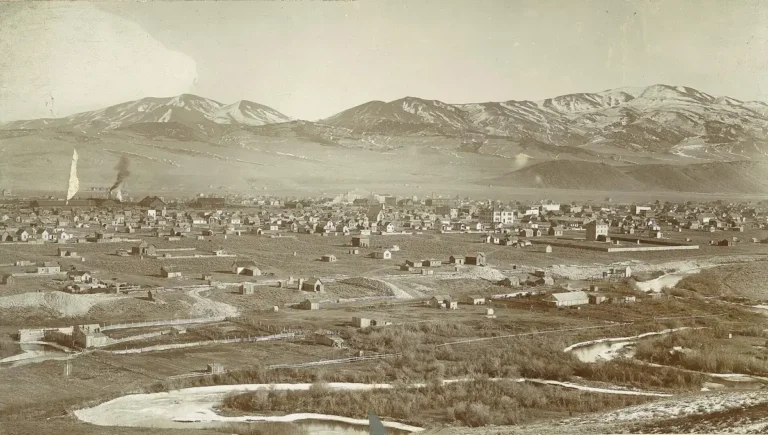
Covington is the county seat of Fountain County, Indiana, a county organized in 1826 that spreads across 397.88 square miles of west-central Indiana near the Illinois state line. The Wabash River shapes the western edge of the county, and the land between the river and the county’s interior is farm country through and through. The Apple Fest is the moment each year when that farm country comes into town and stays a while.
For a weekend in autumn, usually in September or October, downtown Covington fills with orchard fruit, baked goods, food stalls, craft tables, and the kind of live music that sounds better from a folding chair than from any concert hall. Admission is typically free, which matters in a county this size: nobody has to weigh whether the festival is worth the money, because the money goes to the vendors and the causes, not the gate.
What separates this weekend from a generic fall fair is the habit behind it. Residents do not treat it as a novelty. They treat it as a standing appointment — the weekend you see the neighbors who moved two towns over, the weekend the church ladies sell out of pies before noon, the weekend grandparents drive in from out of state and teenagers work booths they once ran through as children.
From 1826 Farm Country to a Modern Harvest Weekend
Fountain County was founded in 1826, and Covington was established as its county seat. The land that became the county was a mix of timber and prairie, and the families who settled it built their lives around what the soil would produce. Apples fit that landscape well. They stored through the winter, they traveled to market, and they gave a farm family something both to sell and to keep.
For another look at how a community turns its own traditions into a gathering, see the Floyd County Iowa Floyd County Fair Festival for a useful comparison.
By the late nineteenth and early twentieth centuries, harvest gatherings were a fixture of rural Indiana life. Church bazaars, school fundraisers, orchard sales, and town-wide fall weekends all followed the same calendar logic: the crops were in, the work eased, and people finally had time to gather. The Apple Fest belongs to that lineage — a harvest weekend shaped by two centuries of Fountain County agricultural habit rather than by a marketing plan.
That continuity shows in how the festival is staffed. Volunteers return year after year, booths pass from one generation to the next, and local organizations use the weekend to raise money and remind the county that they exist. In a place where the population has held steady at a level that keeps everyone connected, the Apple Fest works as both a celebration and a kind of headcount.
What a Covington Apple Fest Weekend Actually Feels Like
Expect a compact, walkable festival with a strong food spine and a schedule that rewards arriving early. Expect long lines at the most famous pie table and short conversations at every other one. Expect to spend more time standing and talking than you planned, because this weekend is social before it is spectacular.
Food: Apples First, Then Everything Else
Apples are the headline, and they arrive in every form a small-town festival can manage: whole fruit by the bag, caramel-dipped, baked into pies and crisps, pressed into cider, fried into doughnuts, and folded into savory dishes that exist mainly because someone in Fountain County decided they should. Vendors also cover the standard festival menu — tenderloins, corn dogs, fries, kettle corn, lemonade shake-ups — so nobody has to eat apples three meals in a row unless they want to.
Graze rather than commit. Buy one thing, walk a lap, buy another. Local bakers and church groups often sell out of their signature items early, and the varieties coming straight from area orchards move fastest on the first morning.
Music and Entertainment Around Downtown Covington
Live entertainment runs through the weekend, typically with local and regional acts — country, bluegrass, classic rock, and whatever the high school band is playing this year. The stage setup is modest and the sound carries down the street, so you can hear the music from a craft booth or a picnic table without ever planting yourself in front of it. Between sets, the entertainment is the crowd.
Family Activities for Kids, Grandparents, and Everyone Between
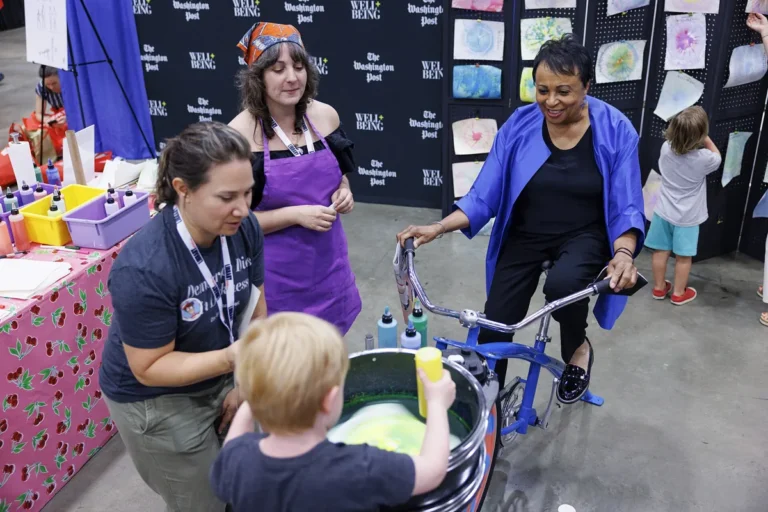
Family programming leans traditional: games, contests, crafts, face painting, and apple-themed activities that give children something to do with their hands. The pace suits grandparents too — flat ground, plenty of benches, and no need to walk more than a few blocks to see everything. Strollers handle the streets fine, and the small footprint means families can split up and regroup without a meeting plan.
Planning Your Trip to Covington and Fountain County
Getting There from the Wabash Valley and Beyond
Covington sits in west-central Indiana, close to the Illinois state line, and drivers reach it through the regional highway network that links the Wabash valley towns. Coming from a larger city in Indiana or Illinois, plan the trip around the morning. Arriving before the crowd means easier parking, shorter food lines, and a calmer first lap through the booths.
Where to Stay Near Fountain County
Lodging in the immediate area is limited, which is part of the festival’s charm and part of its logistics. Options typically include small local inns, guest rooms, and short-term rentals in and around the county, with a wider choice of chain hotels in larger communities within driving distance. Book early in the season; autumn weekends fill once the leaves turn and neighboring counties hold their own events.
Parking Without the Circle-the-Square Routine
Street parking near the festival area fills quickly, and church, school, and business lots around town often open up for the day. Arrive before mid-morning for the best spots, expect to walk a few blocks, and wear shoes you do not mind scuffing. Carpooling with neighbors is the local solution and the smart one.
Admission, Costs, and Why You Should Bring Cash
Admission is typically free, with the festival funded through vendor sales, sponsorships, and volunteer effort rather than a gate fee. Bring cash anyway. Some vendors accept cards, but small operations and church booths often run on cash, and an ATM can be a long walk away on a busy Saturday.
Autumn Weather in West-Central Indiana
Early autumn here is unpredictable in the best way: cool mornings, warm afternoons, and the occasional stretch of rain. Dress in layers, keep a light jacket or rain shell in the car, and check the forecast the night before. Muddy ground is a real possibility after a wet week, so leave the white sneakers at home.
A Two-Day Apple Fest Weekend, Start to Finish
Friday evening: arrive in Covington, park near downtown, and take a slow walk to get your bearings before the crowds. Grab dinner at a local spot, check posted festival hours, and set your alarm earlier than you think you need to.
Saturday morning: be on the street when vendors open. Buy cider and a bag of apples first, then work the food row before lines form. Midday: catch a set of live music, browse craft booths, and let the kids hit the games while you sit. Afternoon: take the second lap you did not plan on, restock on baked goods, and drive a short loop through the countryside while the light is good.
Saturday evening: stay for dinner and whatever entertainment closes the night. Sunday: come back for a quieter morning, the items you regretted not buying, and one more conversation with whoever you keep running into. Head out by early afternoon if you have a long drive.
How the Apple Fest Compares with Nearby Wabash Valley Towns
Attica, up the Wabash in Fountain County, has a river-town feel with its own historic downtown and waterfront character — a good half-day pairing if you are stretching the trip. Veedersburg, also in the county, sits along a major east-west corridor and makes an easy stop for fuel, food, and a sense of how the rest of Fountain County lives outside the county seat.
Further out, Lafayette and West Lafayette bring bigger-city dining, lodging, and a university calendar that competes for autumn weekends, while Parke County to the south draws visitors for its covered-bridge country. Covington’s Apple Fest sits between those poles: smaller than a city festival, more focused than a general fall fair, and rooted in a county that has been doing this a very long time.
Your Covington Apple Fest Checklist
Before you go: confirm the weekend’s hours through local sources, since the festival runs on a volunteer schedule. Fill the gas tank, charge your phone, and pull cash from your bank.
Pack: layers, comfortable shoes, a reusable bag for apples and baked goods, sunscreen, and a rain jacket.
At the festival: buy early from booths that sell out, tip generously, and photograph the schedule board so you know when the music starts.
After: leave a good word for the volunteers. They are the reason the weekend exists.
Beyond the Apple Fest: The Rest of Fountain County
Once you have eaten your fill, Fountain County rewards a slow drive. The countryside around Covington is classic Indiana farm country — flat fields, tree lines, old barns, and small cemeteries on quiet corners. The Wabash River marks the county’s western edge and gives the area both its geography and much of its history.
Nearby, Parke County’s covered bridges and state park land offer hiking and scenic drives within a short trip, and the larger Wabash valley cities provide museums, restaurants, and shopping if the small-town pace starts to feel too quiet. Within Fountain County itself, the appeal is simpler: a courthouse square, local diners, farm stands, and roads where you can drive twenty minutes and see almost no one.
Why the Apple Fest Still Matters in Fountain County
Fountain County has 16,479 residents spread across 397.88 square miles. That math means neighbors are not always close, and the institutions holding rural counties together — churches, schools, volunteer fire departments, fairs — carry more weight than they do in a city. The Apple Fest is one of those institutions.
Residents describe the weekend in practical terms. It is when the pie ladies restock their freezers. It is when high school kids earn money for a trip. It is when the family that moved away comes back for a day and stays for two. It is when the county seat feels like the center of something rather than a dot on a map.
That is the honest significance of a festival this size. It does not need to be famous. It needs to keep happening, year after year, on an autumn weekend, with enough apples and enough volunteers to make the town feel full.
Where the Covington Apple Fest Happens
The festival takes place in Covington, the county seat of Fountain County in west-central Indiana.
Apple Fest Answers for First-Time Visitors
Is the Covington Apple Fest free to attend?
In most years, admission is free, and the festival is supported by vendor sales, sponsors, and volunteer work. Individual items — food, drinks, crafts, raffle tickets — cost money, so bring cash and expect to pay for what you eat and buy.
When is the festival held?
It is an autumn event, typically on a weekend in September or October, timed to the apple harvest. Because it is organized locally by volunteers, dates and hours can shift slightly from year to year, so check local listings before you travel.
Is the festival good for young children?
Yes. The footprint is small and walkable, the activities are geared toward families, and there is plenty of food that picky eaters will accept. Strollers work fine on the streets, and parents can let older kids roam a short distance without losing them.
How crowded does it get?
Expect the heaviest crowds around midday on the main day, with quieter mornings and late afternoons. Arriving early is the single best way to avoid lines at food booths and at the most popular apple vendors.
What’s Ahead for the Covington Apple Fest
The festival’s future depends on the same things it always has: volunteers, vendors, and a county willing to show up. Smaller rural festivals across the Midwest face real pressure — aging organizers, tighter budgets, fewer young families stepping into leadership roles — and Fountain County is not immune to those trends. What it has going for it is a steady population, a strong agricultural identity, and a weekend people genuinely look forward to.
Expect the coming years to bring small refinements rather than reinvention: better signage, more card-friendly vendors, perhaps expanded family programming or a longer music schedule. The core will stay the same, because the core is the reason people come.
Last updated: October 2026
If you have never been to Covington, the Apple Fest is a good excuse to fix that. Come for the apples, stay for the conversation, and leave with a bag of fruit and a clearer sense of what holds a rural Indiana county together.

One Comment