Dubuque County Iowa DubuqueFest Fine Arts Festival
DubuqueFest Fine Arts takes over the county seat for a spring weekend of juried art, live stages, and more grilled food than any reasonable person can carry in two hands. This is the food-forward guide to eating, walking, and lingering your way through it.
DubuqueFest Fine Arts: The Essentials for Dubuque County Visitors
| Festival | DubuqueFest Fine Arts Festival |
| Town / area | Dubuque County area, centered on the city of Dubuque |
| County | Dubuque County, Iowa |
| County seat | Dubuque |
| County population | 99,266 (2020 census) |
| Region | Northeast Iowa, on the Mississippi River |
| Typical timing | A weekend in spring, in most years |
| Admission | Free to enter; food, drinks, and art are pay-as-you-go |
| Setting | Downtown Dubuque, among brick storefronts, park space, and walkable blocks |
| Features | Juried fine art, live music, food booths, hands-on family art activities |
A Spring Weekend That Smells Like Grill Smoke and Oil Paint
Each spring, downtown Dubuque trades a few blocks of its sidewalks for white vendor tents, easels, and the unmistakable smell of charcoal and fried dough. DubuqueFest Fine Arts is the county’s signature arts weekend: a juried fine arts show stitched together with live music, food booths, and hands-on making, all in the heart of the county seat.
Dubuque County covers 616.461 square miles of northeast Iowa hill country, river bluff, and farmland, and it is home to 99,266 residents as of the 2020 census. On festival weekend, a good share of that population — plus visitors crossing in from Illinois and Wisconsin — drifts toward downtown Dubuque, where parking gets tight, the sidewalks get crowded, and nobody seems to mind.
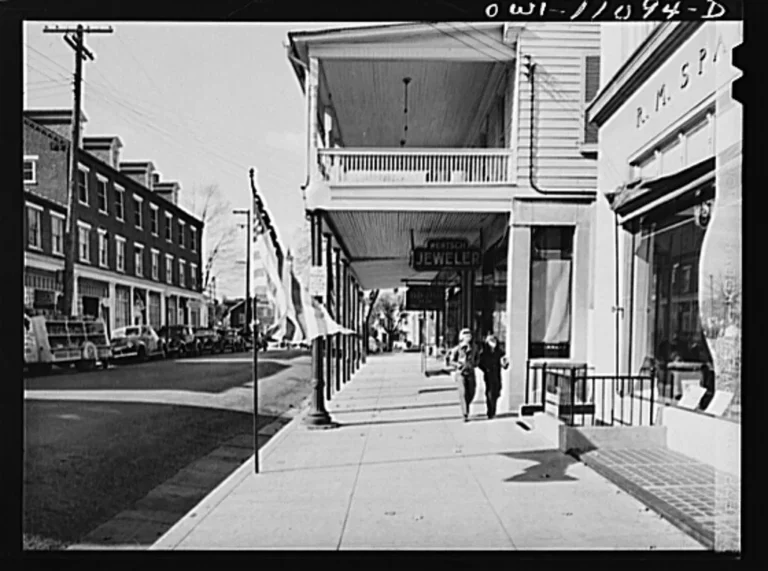
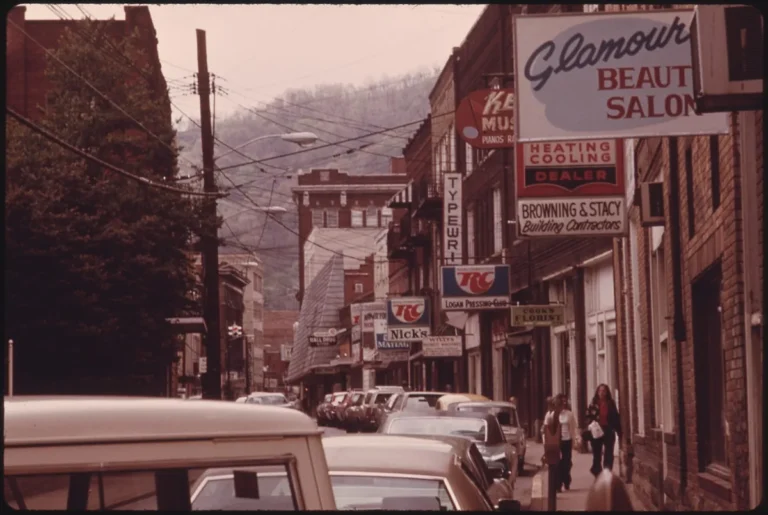
The county was founded in 1834 and named for Julien Dubuque, the fur trader and lead miner whose name still anchors the city. That long history shows in the architecture the festival spills around: brick storefronts, old warehouse blocks, church spires, and steep river-bluff streets that make a decent backdrop for a photograph between bites.
From Lead Mining Town to Arts Weekend: How DubuqueFest Fits the County’s Story
Dubuque County’s identity was built on extraction and river traffic before it was built on culture. Lead mining around Julien Dubuque’s claims drew the first wave of settlement, the Mississippi carried the trade, and the city that grew up along the bluff became a regional center for manufacturing, shipping, and eventually the arts.
For another look at how a community turns its own traditions into a gathering, see the Dubuque County Iowa Dubuque County Fair Festival for a useful comparison.
DubuqueFest grew out of that downtown cultural habit rather than arriving from somewhere else. Local artists who were already showing work in storefronts, studios, and galleries wanted a weekend that put fine art outdoors where the whole county could walk past it. The result was a festival with a jury at its center — painters, printmakers, potters, jewelers, photographers, and sculptors selected rather than simply assembled.
Over the years the food side grew into a draw of its own. Civic clubs, church groups, and local restaurants began setting up alongside the art tents, and the weekend slowly became as much a social occasion as a shopping one. Families that came for a corn dog stayed for the pottery. People who came for a watercolor went home with a full stomach. That blend is why the festival still feels like a county gathering rather than a trade show.
What to Expect on the DubuqueFest Grounds
Expect a walkable footprint rather than a fenced fairground. You move between tents, stages, and food lines on foot, which means the experience is as much about strolling as it is about any single attraction. Bring layers, bring cash for the smaller vendors, and plan to eat standing up at least once.
Food Booths, Church Stands, and River Valley Comfort Food
The food at DubuqueFest leans hard into Midwest festival vocabulary: pork sandwiches and brats, cheese curds, gyros, walking tacos, kettle corn, funnel cakes, and pie by the slice from groups that have been baking for the same fundraiser for years. Because Dubuque sits on the Mississippi, you will also find river-town staples — fried fish, shrimp, and the occasional Cajun or soul food stand — mixed in with the standard midway menu. Craft beer and wine usually appear in a designated area, and coffee stands do steady business in the cool morning hours before the crowd builds.
Portions run generous and prices stay fair. The smartest approach is to graze: split a brat, split a dessert, then double back for the stand you skipped. Lines are shortest in the first hour after opening and again in the late afternoon lull before the evening headliner.
Live Music, Street Corners, and Buskers Between the Tents
Music runs all weekend across more than one performance area, with local and regional acts carrying most of the schedule: blues, folk, rock, country, jazz combos, and acoustic sets that suit a spring afternoon. Smaller busking spots appear between tents, so you may hear a fiddle player on one corner and a cover band on the next. Sets are generally short, which makes it easy to catch three or four without committing an entire evening to one stage.
Hands-On Art Stations and Kid-Friendly Corners
Family activity is built into the festival rather than tacked on. Expect chalk drawing areas, make-and-take craft tables, face painting, and demonstrations where kids can watch a potter throw or a painter work. The gentle terrain of downtown makes strollers manageable, and there are usually benches, shade, and park space within a short walk when someone needs a break from the noise.
Planning Your DubuqueFest Weekend in Dubuque County
The festival is easy to reach but not always easy to park at, so a little planning goes a long way. Here is what matters most.
Getting to Dubuque From Around the County
Dubuque sits in the eastern half of Dubuque County, and most communities in the county are within a short drive. US Highway 20 and US Highway 52/151 are the main approaches from surrounding counties, while the Julien Dubuque Bridge carries traffic in from Illinois across the Mississippi. If you are coming from the west side of the county, allow extra time for bluff roads and weekend traffic into downtown.
Where to Sleep Near Downtown Dubuque
Downtown hotels put you within walking distance of the art tents, which is worth a lot when parking fills up. Alternatives include properties along the Highway 20 corridor, in the surrounding county, and across the river in Illinois. Book early for festival weekend — spring is a busy stretch in Dubuque between tourism and college events.
Parking and Getting Around the Bluffs
Expect downtown ramps and street meters to be the default. Arrive before mid-morning for the best selection, and be prepared to walk several blocks uphill or downhill depending on where you land. Rideshare and taxis operate in the city, and many visitors simply park once and stay on foot for the day.
Admission and What the Weekend Actually Costs
Entry is typically free, so the budget question is really about food, drinks, and art. Plan on pay-as-you-go spending at booths and stands, with larger original works commanding the biggest prices. Bring a mix of cash and card; smaller vendors and church stands may only take one or the other.
Spring Weather on the Mississippi Bluffs
Spring in northeast Iowa can swing from warm and sunny to raw and windy in the same afternoon, and river towns get their share of rain. Dress in layers, wear comfortable shoes for uneven brick and concrete, and pack a light rain shell. A festival weekend in spring usually means mild afternoons and cool evenings, so a jacket is not wasted luggage.
A Sample Saturday and Sunday at the Festival
Saturday morning: Arrive downtown before the crowds, grab coffee and a pastry from a local shop, and walk the art tents while the artists are still fresh and talkative. This is the best hour for a real conversation about technique and for seeing work before it sells.
Saturday midday: Eat early, around the point when the lunch line starts to snake. Work through the food row, split a few items, and catch a music set in the park. Spend the early afternoon at the hands-on art tables if you brought kids, or duck into a gallery or two when you need air conditioning or quiet.
Saturday evening: Stay for the later sets, when the crowd loosens up and the food stands start offering end-of-day portions. Walk the riverfront or a bluff overlook before dinner, then eat a second, smaller round.
Sunday: Return for a slower pass. Vendors often prefer not to pack unsold work, so Sunday can be a good moment for a deal on a larger piece. Wrap up with a long brunch downtown and one last lap through the tents before the drive home.
DubuqueFest Compared With Nearby Towns and Weekends
DubuqueFest is the biggest arts weekend in the immediate area, but it is not the only reason to plan a spring drive through northeast Iowa.
Dyersville, in the western part of Dubuque County, is a small-town stop with its own identity and a famous baseball heritage. It is an easy same-day add-on for anyone staying in the county and looking for a second afternoon.
Galena, Illinois, sits a short drive east across the Mississippi and is known for historic streets and galleries. Its shopping leans more toward boutiques and antiques, while DubuqueFest leans toward a juried fine arts show with a festival crowd and festival food.
Maquoketa, the seat of neighboring Jackson County, is another small Iowa town with a growing gallery presence and a quieter pace. Choose Maquoketa for a slow browse and DubuqueFest for a full weekend of stages, tents, and long food lines.
A Practical Checklist Before You Drive Into Dubuque
Charge your phone and bring a battery pack, since you will use it for photos, maps, and payment. Wear broken-in shoes for brick sidewalks and bluff grades. Carry a tote for art purchases and a small cooler bag if you plan to bring food home. Take a mix of cash and cards. Check the weather the morning you leave and pack a rain shell and a light jacket. Note where you parked, ideally with a photo of the nearest intersection. Bring sunscreen and a hat for open pavement. Keep an eye on children near the street edges, and set a clear meeting point in case anyone wanders toward the music. If you fall for a piece of art, buy it when you see it — the good ones do not wait for Sunday.
Beyond the Tents: Eating and Wandering Through Dubuque County
The festival is a gateway to the rest of the county, not the whole trip. Downtown Dubuque rewards a slow walk along the riverfront, where the Mississippi runs wide and the bridges frame the skyline. The Fenelon Place Elevator, the National Mississippi River Museum & Aquarium, and the historic districts along the bluff are all within reasonable reach of the festival footprint.
Outside the city, the Mines of Spain recreation area and the Julien Dubuque Monument sit south of town, offering trails and river views that make a good counterweight to a crowded festival afternoon. In the rest of Dubuque County, small towns and country roads serve up supper clubs, diners, and farm stands — the kind of eating that a food-forward visitor should not skip just because the tents have closed.
What DubuqueFest Means to a County of 99,266 People
For a county of 99,266 residents spread across 616.461 square miles, a single weekend downtown carries outsized weight. DubuqueFest gives local artists a paying audience, gives restaurants and civic groups a fundraising platform, and gives families across the county a reason to converge on the county seat. It also puts money into downtown businesses during a shoulder season, when tourism has not yet hit its summer stride.
Just as important, it keeps a cultural thread running through a place whose identity was first built on lead and river trade. A county named for Julien Dubuque and founded in 1834 has spent a long time reinventing itself, and an arts festival with a jury and a food row is part of how that reinvention looks on a spring Saturday.
Where DubuqueFest Sits on the Map
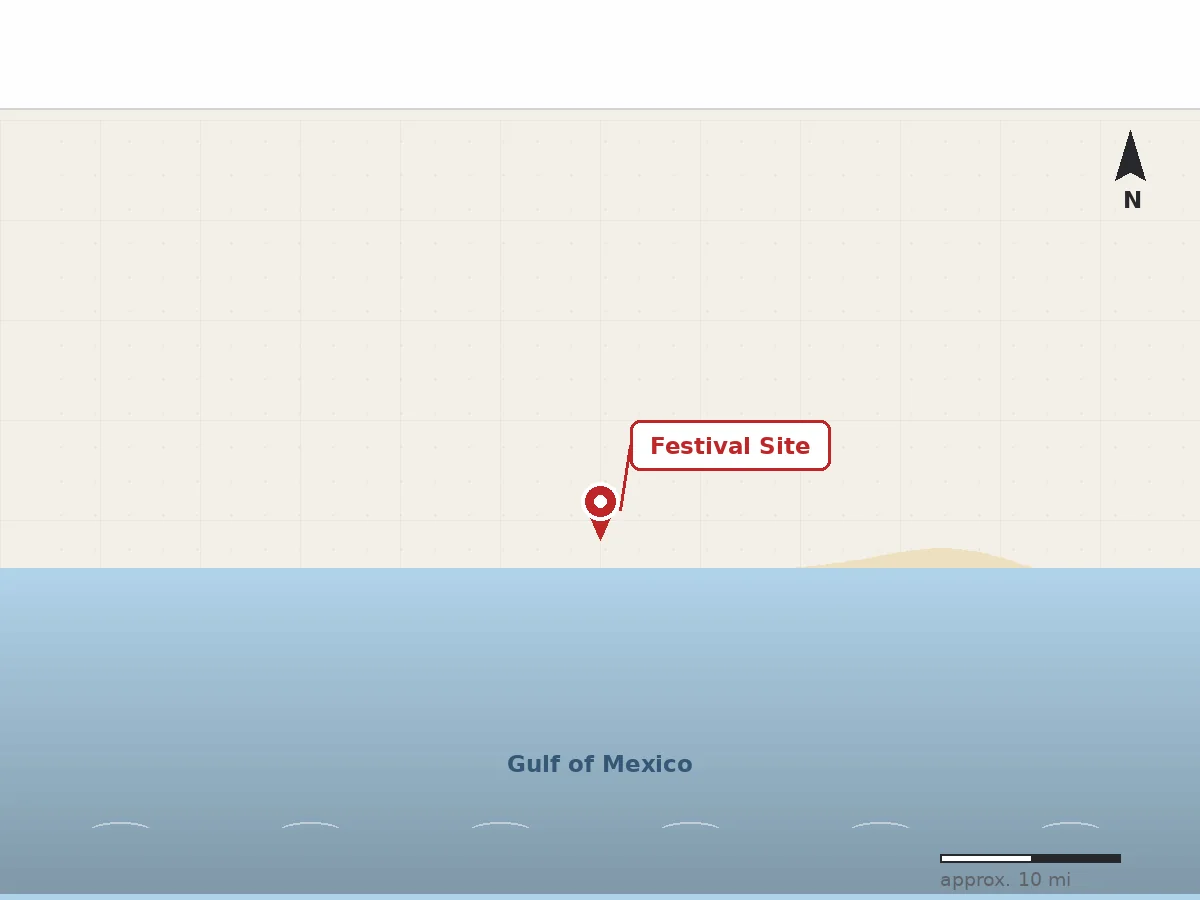
DubuqueFest takes place in downtown Dubuque, the county seat of Dubuque County, in northeast Iowa along the Mississippi River.
DubuqueFest Questions From First-Time Visitors
Is DubuqueFest free to attend?
Entry is typically free, and you pay only for what you eat, drink, or buy from artists and vendors. That structure makes it an inexpensive weekend for families, though it also means your spending is entirely in your hands.
What food should I not miss at DubuqueFest?
Start with the stand that has the longest line of locals, since that is usually a civic group that has been doing this for years. Beyond the brats and pork sandwiches, look for fried fish, cheese curds, kettle corn, and homemade pie. Grazing across several booths beats committing to one large meal.
When is the best time to arrive?
Is the festival a good fit for kids and older visitors?
Yes, with a little planning. Children get hands-on art stations and open space, while older visitors will find benches, shade, and short distances between attractions. Downtown terrain includes slopes and uneven pavement, so comfortable shoes matter more than anything else.
Early morning on the first day of the weekend is the calmest window: shorter food lines, easier parking, and artists who are still eager to talk. Late afternoon is the busiest stretch, and the evening music sets draw the largest crowds.
The Next Chapter for DubuqueFest Fine Arts
The festival’s future will likely look like its past: steady rather than flashy, built on juried art, local food, and volunteers who keep coming back. As downtown Dubuque continues to draw visitors and as northeast Iowa’s food scene keeps improving, DubuqueFest is well positioned to grow its food row without losing the neighborhood feel that makes it worth a spring drive.
For anyone planning ahead, the safest approach is to watch for the spring announcement, book lodging early, and keep the weekend flexible. Weather shifts, schedules shift, and the best moments at DubuqueFest tend to be unplanned ones — a band you had never heard of, a plate you did not expect to finish, a painting that ends up on your wall.
Last updated: October 2026
DubuqueFest Fine Arts works because it does two things at once: it puts real, juried art in front of a county that shows up to see it, and it feeds everyone who comes. Plan around the food, stay for the music, and leave a little room in the car for something you did not intend to buy.