Davis County Iowa Davis County Fair Festival
One Family’s Day at the Davis County Fair
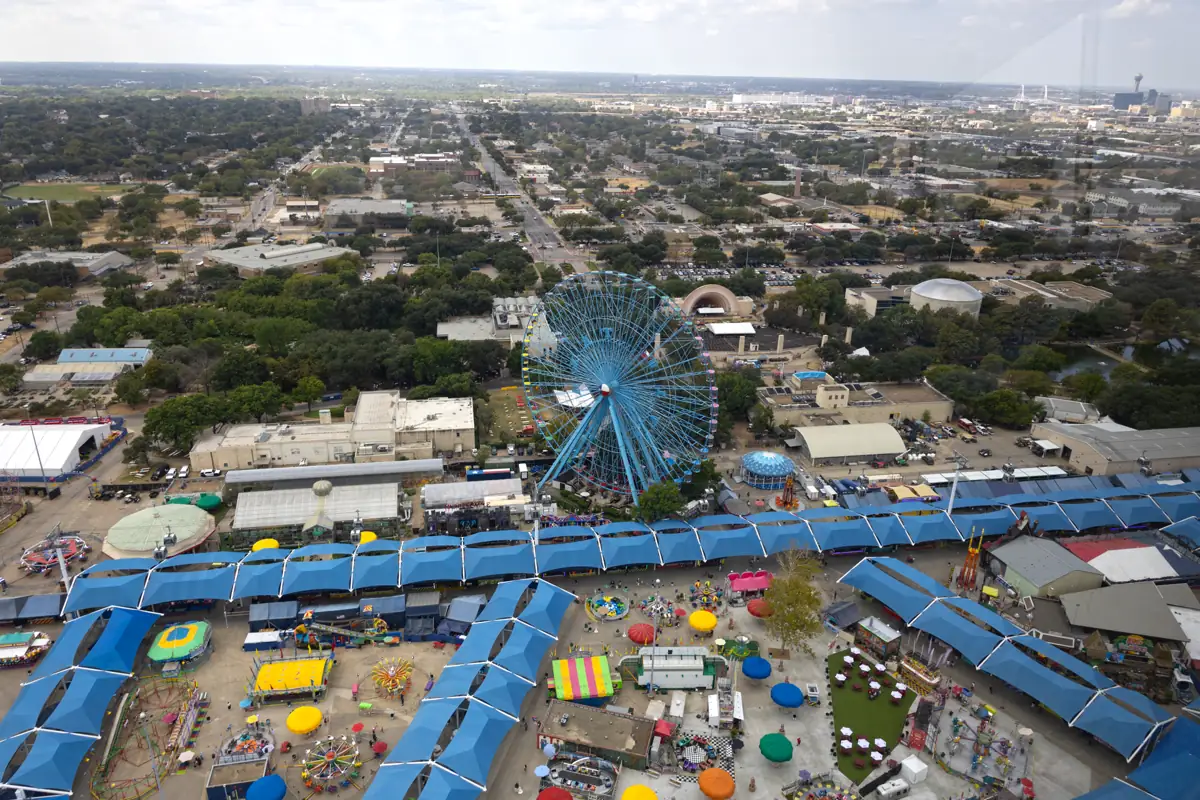
The Whitakers leave Bloomfield early, because their youngest wants to be at the gate before the crowd. By the time the family parks, the fairgrounds are already awake — a tractor idling near the barns, a vendor sliding a tray of something sweet into a warmer, a volunteer in a bright shirt waving the first cars into place. It is a summer morning in Davis County, Iowa, and the county fair is doing what it has always done: pulling a wide, rural county into one shared place.
Grandma Ruth claims a shady seat near the show ring and refuses to move for the next three hours. The kids disappear toward the animal barns, where the smell of hay and sawdust settles into their sweatshirts. Their parents drift behind, reading exhibit tags, comparing pies, and running into neighbors they haven’t seen since the last school program. Nobody is in a hurry. That is the point.
By late afternoon the family has eaten twice, watched a ribbon ceremony, and lost one flip-flop under a bleacher. As the lights come up and the evening crowd thickens, the Whitakers fold their blankets, count heads, and drive home through dark farmland — tired, sunburned, and already talking about next year.
Davis County Fair Basics Before You Drive to Bloomfield
Here is the framework a first-time visitor needs before planning a day around the fair.
| Town / area | Davis County area, Iowa |
| County | Davis County, Iowa |
| County seat | Bloomfield |
| Population | 9,110 (2020 census) |
| Region | Southern Iowa |
| Typical timing | Summer, usually across several consecutive days |
| Admission | Generally free to enter; some activities charge separately |
| Setting | Small-town fairgrounds ringed by farmland |
| Signature features | Livestock shows, fair food, grandstand entertainment, family activities |
| Organizer | Local fair board and community volunteers |
The Fair That Gathers a 505-Square-Mile County
Davis County spreads across 505 square miles of southern Iowa, with Bloomfield as its county seat and a population of 9,110 recorded in the 2020 census. Those numbers explain the fair better than any brochure could. There is no big city inside the county line, so the fair becomes the meeting point — a few days when farm families, town families, grandparents, and teenagers all end up in the same few acres.
For another look at how a community turns its own traditions into a gathering, see the Daviess County Indiana Daviess County Fair Festival for a useful comparison.
What that looks like in practice is an event built around agriculture but not limited to it. Expect animal barns and show rings at the center, exhibit halls filled with baking, canning, photography, and crafts, and a midway-style strip of food trailers and games that keeps people lingering after the shows end. The scale is human. You will likely pass the same faces three times in one evening.
A Fair Tradition Rooted in a County Organized in 1843
Davis County was founded in 1843, when southern Iowa was still being carved into organized counties and settled by families arriving from the east and from older Midwest states. In that era, the county fair was not entertainment — it was infrastructure. It was where a farmer learned which seed performed, where a household compared butter and bread against a neighbor’s, and where a community measured its own year.
That agricultural purpose never disappeared; it simply acquired company. Over the decades, the fairgrounds became the place for youth exhibitors to practice public speaking and showmanship, for local musicians and grandstand acts to perform, and for civic groups to sell pie by the slice. The buildings changed, the crowds changed, but the rhythm stayed: set up, show, judge, celebrate, tear down, repeat next summer.
For a county seat the size of Bloomfield, that continuity is the achievement. Fairs in small counties survive on volunteer hours, donated labor, and the stubborn assumption that the next generation will want the same thing their grandparents wanted — a few days in the summer when everyone is in the same place at the same time.
Tastes, Tunes, and Traditions at the Davis County Fairgrounds
The fair’s personality comes out in three places: the food line, the sound system, and the space where kids are allowed to run.
Fair Food That Keeps Davis County Coming Back
County fair food follows its own logic. There are the fried and the grilled, the corn dogs and the tenderloins, the lemonade shaken in a jug and the ice cream that melts faster than anyone can eat it. Church and civic groups often anchor the food side, which means the menu includes homemade pies, bars, and casseroles alongside the trailer fare. Come hungry, bring cash for the small stands, and treat the walk between barns as your only exercise plan.
Music, Grandstand Moments, and Local Entertainment
Evenings bring people toward the grandstand and the open stage areas, where the program tends to mix local talent with booked entertainment. Expect the range you would find at any southern Iowa fair — country, rock covers, a talent showcase, maybe a tractor pull or a demolition-style event that draws a loud, happy crowd. Seating is often first-come, so families spread blankets early and guard them with coolers.
Family Activities for Every Age
The fair works for a four-year-old and a fourteen-year-old for different reasons. Younger children gravitate to the animals, the rides, and the games where everyone wins something small. Older kids head for the midway, the show ring where they compete, or the patch of grass where their friends have claimed territory. Parents get something rarer: a few hours when the kids are occupied and the conversation is with other adults.
Planning a Davis County Fair Visit From Anywhere in Southern Iowa
Getting to Bloomfield and the Fairgrounds
Bloomfield sits at the center of Davis County and serves as the natural reference point for out-of-town visitors. Most people arrive by car on two-lane highways that cut through farmland, so build in extra time for slow traffic, farm equipment, and the last-mile congestion that appears whenever a county fair is in session. If you are coming from another county, plan your route around Bloomfield rather than trying to approach from a side road.
Where to Stay Near Davis County
Lodging in a county of 9,110 is limited, and fair week fills what exists quickly. Options typically include small local motels and a handful of guest rentals in and around Bloomfield, with more rooms available in larger neighboring communities for anyone willing to drive in each day. Campers and RV owners often prefer the fairgrounds or nearby campgrounds. Book early — this is one week when the county’s beds are spoken for.
Parking Around the Fairgrounds
Fairground parking is usually grassy, volunteer-directed, and free or low-cost. Arrive before the evening program if you want a spot near a gate; arrive after and you will walk. Wear shoes you do not care about, because dew, dust, and the occasional mud patch are part of the experience. If you have mobility concerns, ask the parking crew for the closest drop-off point rather than circling.
Admission, Tickets, and What Things Cost
County fairs of this size typically keep gate admission free or very inexpensive, with costs concentrated in rides, games, food, and certain grandstand events. Bring cash in small bills — some stands and vendors run on cash only — and set a per-child spending limit before you walk in. If a specific event requires a ticket, that is usually announced locally in the weeks before the fair.
Iowa Weather and What to Bring
Southern Iowa summers run hot and humid, with afternoon storms that appear fast and leave just as quickly. Pack water, sunscreen, hats, and a light rain layer. A stroller with big wheels handles grass better than a compact one. Bring a blanket for the evening program and a sweatshirt for after sunset, when the temperature drops faster than anyone expects.
A Sample Fair Weekend: Friday Evening Through Sunday Afternoon
Friday evening. Arrive late afternoon, walk the barns while the light is still good, and eat dinner from the stands before the evening entertainment starts. This is the best window for families with small children — cooler, calmer, and easier to navigate.
Saturday. Come early for the livestock shows and exhibit halls, when the judging is active and the buildings are full. Spend the hot middle of the day in the shade with food and cold drinks, then return for the grandstand program in the evening. Saturday is the busiest day; expect full parking and long food lines.
Sunday afternoon. The pace slows. Walk the exhibits you missed, buy something from a vendor packing up, and let the kids have one last ride. Many families treat Sunday as the farewell lap — quieter, cheaper, and a good time to actually talk to the volunteers who made the week happen.
How the Davis County Fair Sits Beside Fairfield, Ottumwa, and Centerville
Davis County is not isolated. Fairfield, the seat of Jefferson County, and Ottumwa, the seat of Wapello County, both sit within reach to the north and east, and Centerville in Appanoose County lies to the west. Each of those communities has its own summer calendar and its own county fair tradition, and each draws from a larger population base than Bloomfield does.
That contrast is what makes the Davis County Fair distinctive. It is the smaller, more intimate version — the one where the exhibitors are people you know, the walk from parking to barn takes two minutes, and the whole event fits inside a single conversation. Visitors who want a bigger midway and a longer schedule can travel; visitors who want to recognize half the crowd stay home.
Davis County Fair Checklist: What to Load in the Car
— Cash in small bills for vendors and games — refillable water bottles — sunscreen and hats — a light rain jacket — comfortable closed-toe shoes — a blanket or folding chairs for the evening program — a tote for exhibit purchases and prize ribbons — bug spray for after dusk — a phone battery pack — a printed or downloaded local schedule, since cell service can be spotty in a crowded fairground.
Beyond the Fairgrounds: The Rest of Davis County, Iowa
Make a weekend of it and the county rewards a slow drive. Bloomfield, the county seat, is the hub for gas, groceries, and a meal between fair sessions, and its surrounding blocks are where the fair’s volunteers and exhibitors live the other fifty weeks of the year. The roads out of town roll past working farmland, old barns, and small cemeteries that date back to the county’s earliest settlement years.
Because Davis County covers 505 square miles with a population of just 9,110, the countryside is genuinely quiet. Bring a camera, take the long way between towns, and stop when something looks interesting. In a county this size, the drive itself is part of the visit.
Why a County of 9,110 Still Builds a Fair Every Summer
A fair in a small county is a volunteer project measured in months of preparation and a few days of payoff. Someone schedules the judges, someone mows the grounds, someone runs the concession stand, someone stays late to lock the gates. None of it happens because it is profitable. It happens because the alternative — a summer with no shared gathering — is worse.
For Davis County, the fair is also a handoff. Children who show an animal or enter a pie this year become the teenagers running the booth in five years and the board members in fifteen. That cycle is the real product of the event, and it is why the fair remains one of the most reliable constants in the county’s calendar.
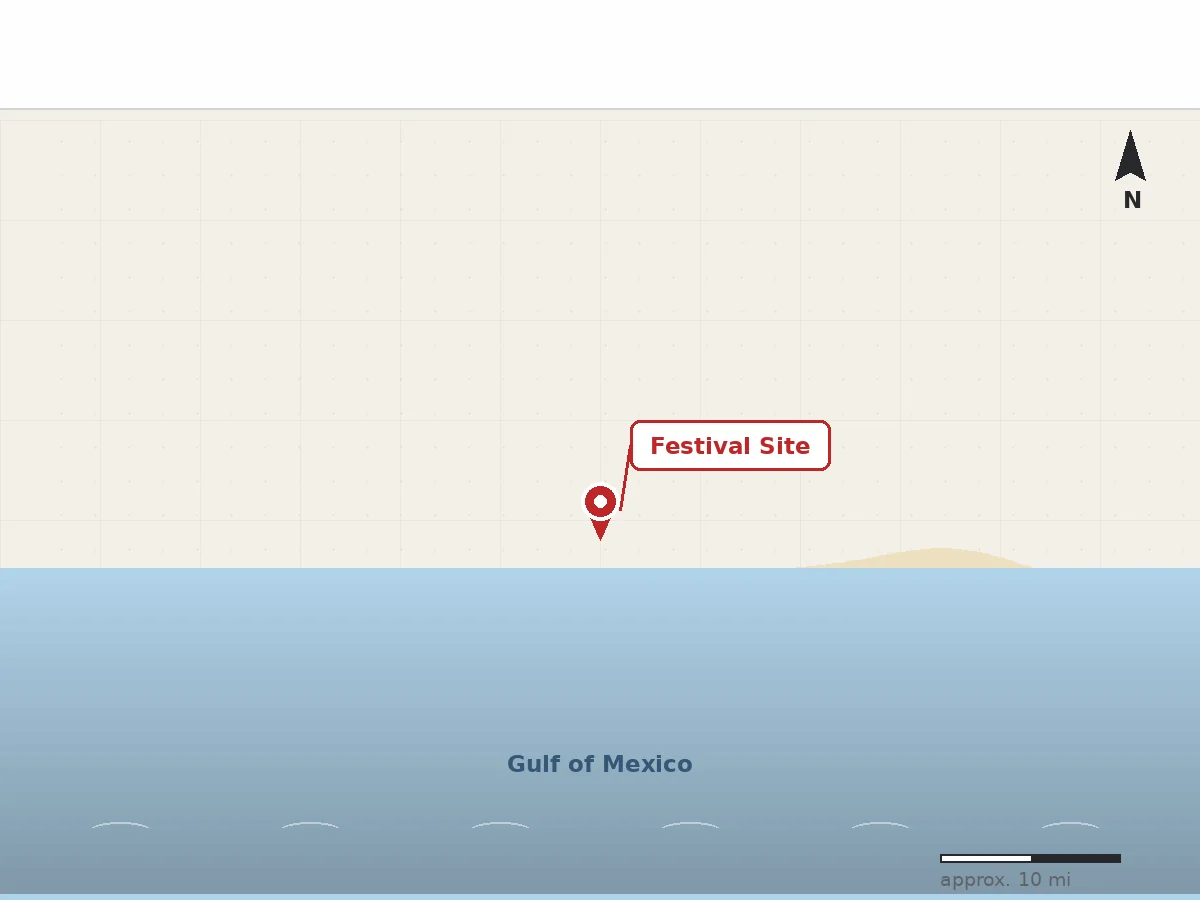
Where the Davis County Fair Happens
The Davis County Fair takes place in the Davis County area of southern Iowa, with Bloomfield — the county seat — as the practical landmark for anyone navigating to the grounds.
Davis County Fair FAQ: Timing, Cost, and Family Logistics
When does the Davis County Fair usually take place?
It is a summer event, typically running across several consecutive days. Because the exact week shifts from year to year, the most reliable approach is to watch for local announcements in Bloomfield and across Davis County as summer approaches, then plan your visit around that window.
Is there an admission charge to get in?
County fairs of this size generally keep gate admission free or minimal, with spending concentrated on food, rides, games, and certain grandstand events. Bring cash anyway — small vendors and civic stands often prefer it, and not every activity is included in general entry.
Is the fair a good fit for young children and strollers?
Yes. The grounds are compact and walkable, the animal barns are the main attraction for small kids, and the daytime hours are calm enough for strollers. Bring a wide-wheeled stroller for grass and gravel, plus water and shade coverage for the hottest part of the afternoon.
What happens if it rains during fair week?
Summer storms in southern Iowa tend to move through quickly, and fairs typically continue with adjustments — some events shift indoors or get rescheduled within the run. Check local updates before heading out, and keep a rain layer and shoes you do not mind getting muddy in the car.
Looking Ahead for the Davis County Fair
The fair’s future looks like its past: dependent on volunteers, shaped by the agricultural calendar, and sustained by families who keep entering exhibits and showing animals. As long as Davis County’s young people keep stepping into roles their parents and grandparents filled, the grounds will keep opening each summer.
For visitors, that means the fair is worth planning around rather than stumbling into. Watch for the season’s announcements, book lodging early, and give yourself a full day rather than an hour.
Last updated: October 2026
The Davis County Fair is not a spectacle built for outsiders. It is a county of 9,110 people doing something together, in the same place, at the same time, the way they have since a county organized in 1843 learned to gather. Show up in summer, park on the grass, and you will see exactly why it keeps happening.