Cass County Iowa Cass County Fair Festival
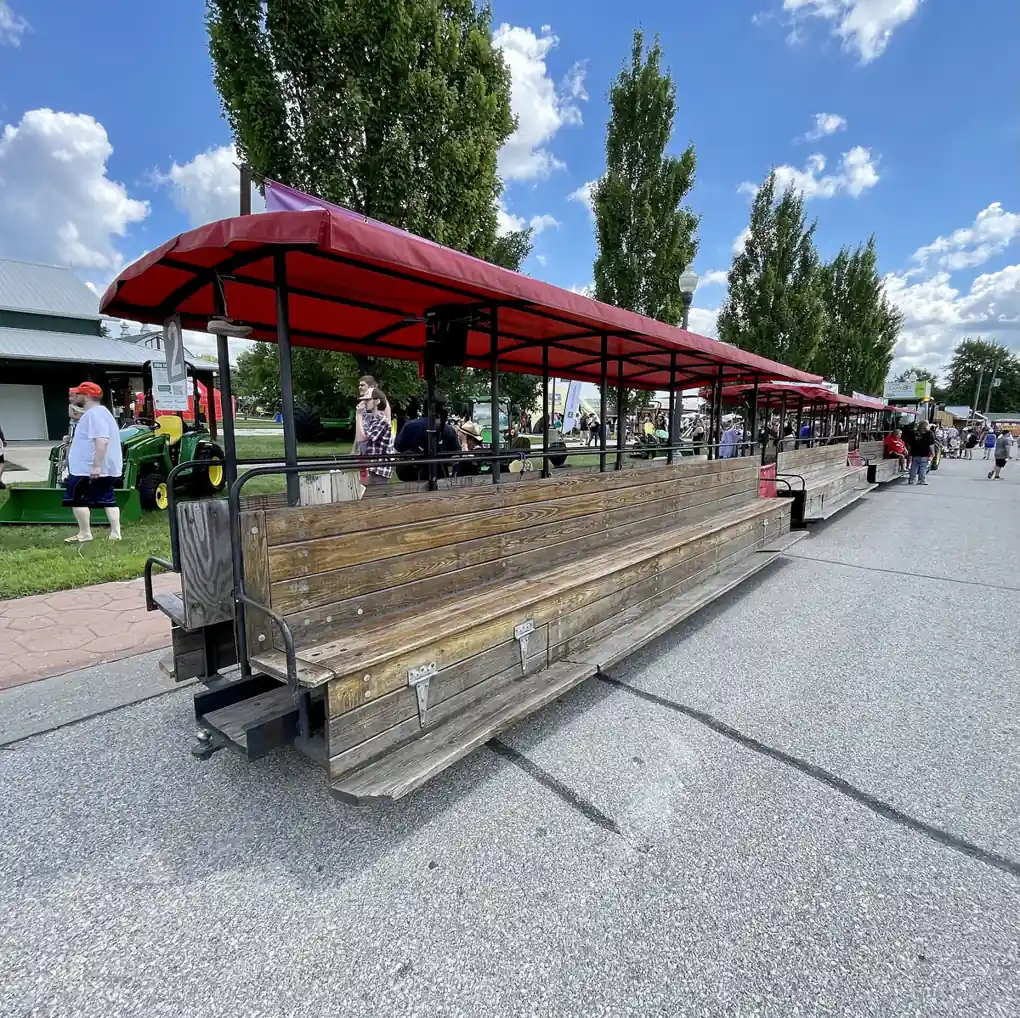
The Cass County Fair belongs to the people who plan their summer around it. In a southwest Iowa county of 13,127 residents spread across 565 square miles, fair week is one of the few occasions when nearly everyone ends up in the same place at the same time: grandparents in folding chairs, teenagers rinsing show animals, kids counting tickets at the midway, and someone’s cousin working a food stand for the twelfth year in a row.
Ask anyone from Atlantic, the county seat, or from the smaller towns scattered between the cornfields, and they will describe the fair less as an event than as a habit. Same week each summer. Same barns. Same families. Same paper trays of food handed across the same counters. That repetition is exactly what makes it worth the drive.
The Cass County Fair Fact Table: Atlantic, Iowa Basics
| Town / area | The Cass County area, centered on Atlantic |
| County | Cass County, Iowa |
| County seat | Atlantic |
| Population | 13,127 (2020 census) |
| Region | Southwest Iowa, 565 square miles of farmland and small towns |
| Typical timing | A summer week, in most years during July |
| Admission | Typically free to enter the grounds; some events may charge separately |
| Setting | Fairgrounds in the Cass County area near Atlantic |
| Signature features | Livestock shows, 4-H and open-class exhibits, grandstand nights, midway rides, fair food |
| Organizer | A local fair board supported by volunteer committees from across the county |
A Countywide Reunion: How Fair Week Fits Together
The Cass County Fair is a traditional county fair in the fullest sense. For several days each summer, the fairgrounds become a temporary town made of barns, exhibit halls, a grandstand, a midway and rows of food trailers. Livestock shows fill the mornings. Exhibit buildings fill the afternoons with photography, baking, canned goods, quilts, vegetables and school projects. Evenings belong to the grandstand and to the slow, social walk that loops past every barn at least twice.
What holds it together is geography. Cass County was founded in 1851, and its population is small enough that the fair functions as a genuine reunion rather than a crowd of strangers. Families from Atlantic mix with families from the county’s smaller communities, and 4-H and FFA members who compete against each other all year end up sharing feed buckets and hose nozzles by the second night.
Residents describe the rhythm the same way every year. The first night is for walking and eating. The middle nights are for shows and grandstand events. The last night is for packing up, saying goodbye, and already talking about next summer. Nobody has to be told how it works, because most of them have been doing it since they were old enough to hold a parent’s hand.
For another look at how a community turns its own traditions into a gathering, see the Carroll County Iowa Carroll County Fair Festival for a useful comparison.
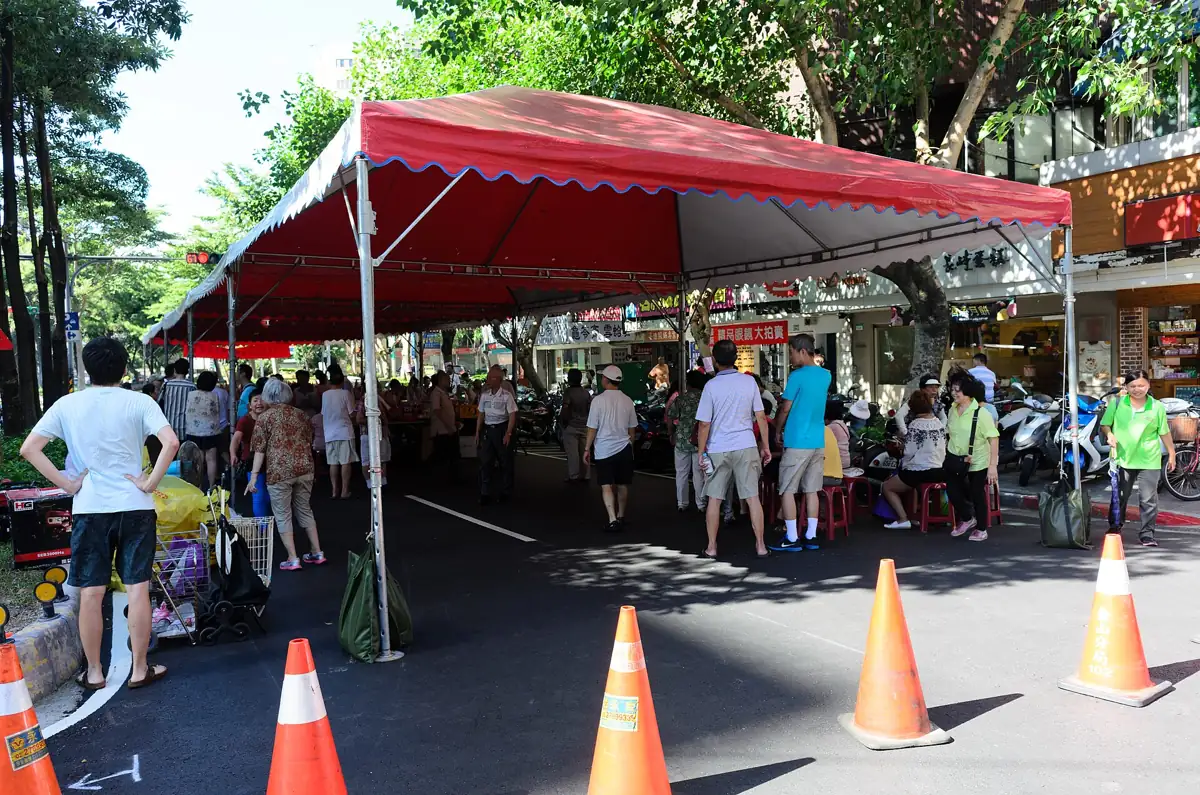
From 1851 to Now: Cass County’s Long Fair Tradition
Cass County was founded in 1851, in an era when Iowa’s county fairs grew directly out of agricultural society meetings, where farmers compared yields, swapped breeding stock and argued about drainage. Atlantic became the county seat, and the fair became the annual occasion when the whole county could measure a year of work in ribbons, bushels and blue-ribbon pies.
Over the generations, the shape of the fair changed with the county. Draft horses gave way to tractors. Exhibit halls added photography, clothing and computer projects. Midways grew louder. What did not change was the underlying purpose: a place for the county’s young people to be judged on work they did themselves, and a place for everyone else to watch, eat and visit.
That continuity is visible in the small things. Volunteers who once showed livestock now run the check-in tables. Grandparents point out the exact corner of the barn where they kept their own animals. The fair has absorbed decades of change without ever losing the sense that it belongs to the people who show up to run it.
Fair Week Habits: What Cass County Residents Do First
Regulars follow a fairly predictable script. They arrive before the heat, park where they always park, and head straight for whichever stand has the shortest line at that exact hour. If you want to understand the fair quickly, copy them.
The Food Lines That Form Before the Bell
Fair food in Cass County is a schedule, not a menu. Residents talk about which stand to hit first, which one to save for the walk back to the truck, and which one runs out of the good stuff by late evening. Expect the classics: grilled and fried main courses, pork sandwiches, corn dogs, funnel cakes, homemade pies and ice cream, lemonade and sweet tea in cups big enough to require two hands.
Many of the stands are run by local groups, which is why the food tastes like a church supper crossed with a carnival. The lines are also where the real business of the fair happens: crop reports, obituaries, wedding announcements, and detailed opinions about how this year’s junior show compares with last year’s.
Evening Entertainment and Grandstand Nights
As the heat drops, the fair shifts toward the grandstand. County fairs in this part of Iowa lean on the dependable draws: motorsports, livestock auctions and shows, music, contests and the kind of crowd-pleasing events that fill bleachers without requiring a big-city budget. Some nights are ticketed, some are free with a seat claimed early.
The midway runs in parallel, lit up and loud, and the exhibit buildings stay open late for people who would rather look at quilts and photographs than stand in another line. Families often split up here: kids toward the rides, parents toward the bleachers, grandparents toward whichever bench has the best view of everything.
Family Traditions: Barns, Ribbons, and the Midway
The heart of the fair is the barn. Cass County’s 4-H and FFA members bring cattle, swine, sheep, goats, poultry and rabbits, and the show ring sets the day’s clock for dozens of families. Visitors are welcome to walk the aisles, watch clipping and washing, and ask questions, though it is worth remembering that these animals represent months of work.
For younger children, the fair is a first taste of independence: a wristband, a few dollars, a friend, and a route they negotiate themselves. For older residents, it is a chance to sit in the shade and watch the next generation do exactly what they did. That handoff, more than any single attraction, is what families come back for.
Planning a Trip to Atlantic for the Cass County Fair
Driving In From Anywhere in Cass County
Atlantic sits at the center of Cass County, which makes the fair an easy drive from nearly every corner of the county and from neighboring counties in southwest Iowa. Most visitors come by car or pickup, and the trip is short enough that nobody thinks much about it. If you are coming from out of the area, aim to arrive earlier than you think you need to on grandstand nights.
Where to Stay Around Atlantic and the County
Atlantic is the natural base for a fair visit, with the largest concentration of lodging and services in the county. Visitors from farther away often book a room in or near town and treat the fairgrounds as a short daily commute. Others stay with relatives, which is arguably the most traditional option in Cass County.
Parking: Arrive Early, Walk Less
Fairground parking fills quickly on the busiest evenings, especially when a grandstand event is scheduled. Locals arrive early, park once, and stay for the whole night rather than shuttling back and forth. Wear shoes you can walk in, because the distance from the far rows to the barns is longer than it looks.
Admission, Costs, and Cash on Hand
Admission to the grounds is typically free, which is part of why the fair feels open to everyone in the county. Costs show up in the details: ride tickets, food, raffles, exhibit fees and any ticketed grandstand events. Bring some cash even in a card-friendly world, since small stands and raffle tables move faster with it.
Iowa Weather and What to Wear
July in southwest Iowa means heat, humidity and the real possibility of a thunderstorm rolling through by evening. Dress for a long day outdoors: light clothing, a hat, sunscreen and a refillable water bottle. Pack a light rain jacket, and keep an eye on the sky if you are planning to spend the evening in the bleachers.
A Sample Fair Weekend in Cass County
Friday afternoon. Arrive before the peak heat, park once, and walk the exhibit buildings while they are still quiet. Look for the 4-H and open-class entries, then grab an early meal before the lines stretch.
Friday evening. Head to the barns as families prepare animals for the next morning’s shows. Stay for the grandstand, then take one slow loop through the midway before heading home.
Saturday morning. This is livestock show time. Find a seat near the ring and watch the junior exhibitors work. It is the most genuinely competitive hour of the entire fair.
Saturday afternoon. Eat something you have been thinking about since Friday, revisit the exhibit hall to see which ribbons changed, and let the kids spend their ride tickets before the evening rush.
Saturday evening. Grandstand event, another walk past the barns, and a final stop at whichever food stand has become the family tradition. Leave slowly. Everyone else does.
How Cass County Compares With Neighboring County Fairs
Cass County sits in a dense cluster of county fair traditions. Neighboring counties to the north, east, west and south all hold their own fairs in the same general summer window, and many families in this part of Iowa attend more than one. Compared with those, the Cass County Fair reads as medium-sized and firmly agricultural, with the livestock barn and exhibit hall carrying as much weight as the midway.
Within the county, smaller communities such as Anita, Griswold, Cumberland, Massena, Lewis, Marne and Wiota have their own summer traditions and celebrations, typically more compact and more centered on a single day or weekend. The fair in the Atlantic area is the countywide gathering, the one that pulls from all 565 square miles at once.
Your Cass County Fair Week Checklist
Before you go: check the fair schedule for the current year, confirm which nights have ticketed grandstand events, and decide whether you are visiting for one evening or several days. If you have kids in 4-H or FFA, confirm entry and check-in times with your club leader well in advance.
What to bring: cash for food and raffles, water bottles, sunscreen, hats, a light rain jacket, comfortable walking shoes, and a folding chair if you plan to sit through long shows. A small bag beats a large one in crowded barn aisles.
On the grounds: keep aisles clear near the show ring, ask before photographing or touching animals, keep pets at home, and supervise young children around livestock and moving equipment. Treat the barns as someone’s workplace, because during fair week they are.
Beyond the Fairgrounds: Atlantic and the Cass County Countryside
Atlantic rewards a slower look. As the county seat, it holds the courthouse, the main commercial district and most of the county’s everyday services, and it makes a comfortable base for a fair visit. Spend a morning downtown before the fairgrounds open, or take a drive through the surrounding countryside, where the scale of Cass County becomes obvious: 565 square miles of fields, farmsteads and small towns, all feeding into one fair.
Fans of the region’s railroad and agricultural history often build extra time around a trip here, and the surrounding communities each have their own small landmarks, parks and cafés worth a stop. The fair itself is the anchor, but the county around it is what makes the trip feel complete.
Why Fair Week Still Holds Cass County Together
With 13,127 residents spread across 565 square miles, Cass County does not have many occasions when it gathers as a single community. The fair is one of them. It is where a farm kid from one corner of the county meets a town kid from another, where a volunteer committee can raise money for a cause in a single week, and where local businesses and organizations stay visible to the people they serve.
There is also a quieter function. For 4-H and FFA members, the fair is a genuine test: months of feeding, grooming, record-keeping and practice, judged in public. The confidence that comes out of that show ring does not stay at the fairgrounds. It walks into classrooms, job interviews and county board rooms for years afterward.
Residents will tell you the fair is not really about the rides or the grandstand. It is about the fact that everyone shows up, year after year, and that showing up still means something here.
Where the Fairgrounds Sit in the Cass County Landscape
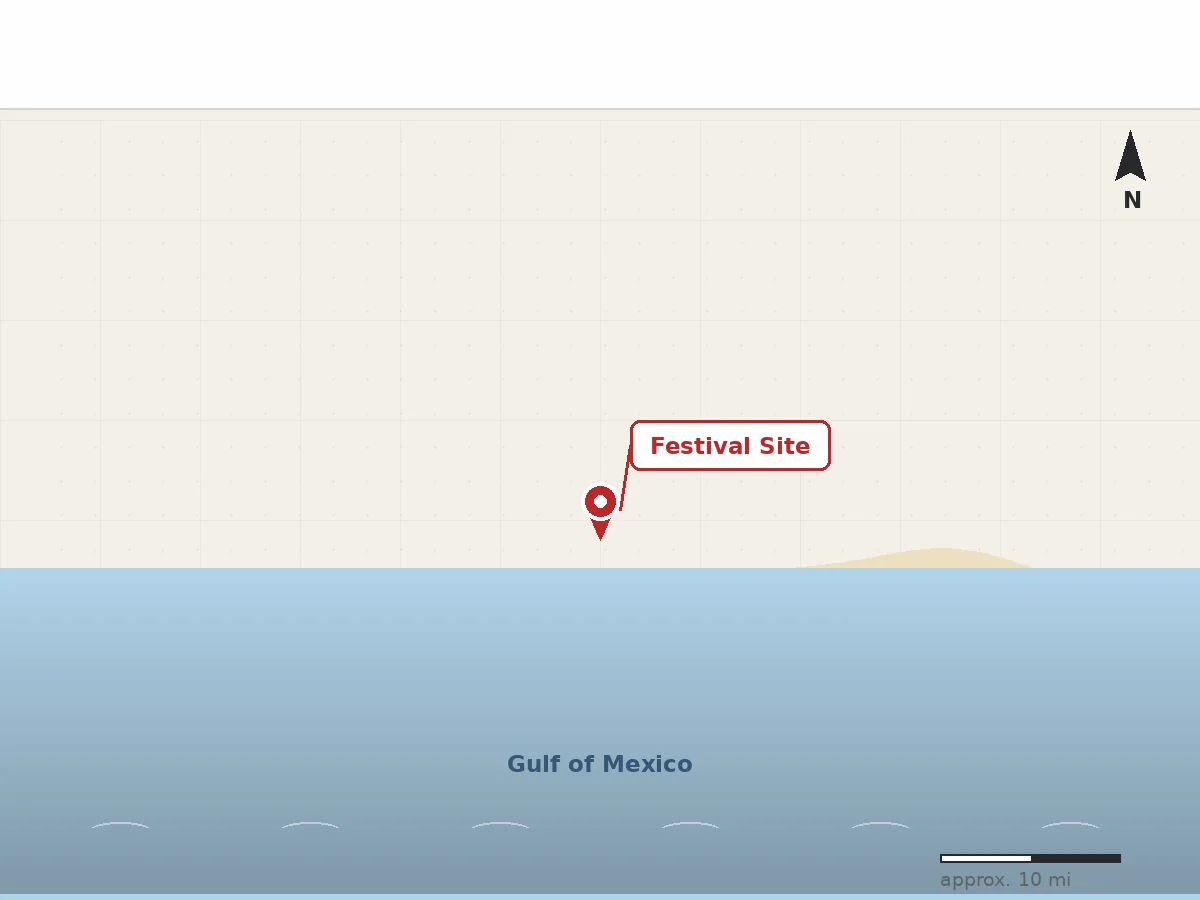
The fairgrounds are located in the Cass County area near Atlantic, the county seat, which places them within a short drive of nearly every community in the county.
Cass County Fair Questions From First-Time Visitors
When does the Cass County Fair usually happen?
It is a summer fair, held in most years during July and running across several consecutive days. Exact dates shift from year to year, so check the current season’s schedule before you plan travel, especially if you want to catch a specific livestock show or grandstand event.
Is there an admission charge to get in?
Admission to the grounds is typically free, which keeps the fair accessible to families across the county. Individual costs, such as ride tickets, food, raffles and any ticketed grandstand events, are paid separately, so budget for those rather than for a gate fee.
Can I bring kids and grandparents in one trip?
Yes, and most families do exactly that. The layout works well for mixed ages: shaded seating near the exhibit halls, bleachers at the show ring and grandstand, and a midway for older kids. Plan for a mid-afternoon break during the hottest hours, and bring water for everyone.
What happens if it rains during fair week?
Summer storms are a normal part of July in southwest Iowa, and fairs generally carry on around them, with some events paused or moved as conditions require. Bring rain gear, keep an eye on the forecast, and be flexible about which night you attend. Barns and exhibit buildings offer shelter when the sky opens.
What’s Ahead for Fair Seasons in Cass County
The future of the Cass County Fair depends on the same things that have sustained it for generations: volunteers, exhibitors and families willing to spend a week of their summer at the fairgrounds. As long as young people keep raising animals and entering projects, and as long as the surrounding towns keep sending committees and sponsors, the fair will keep its place on the county calendar.
Expect the format to stay familiar rather than trendy. County fairs in this part of Iowa evolve slowly, adding new entertainment and updating facilities while protecting the livestock shows, exhibit halls and food stands that people count on. That balance is the whole point.
Last updated: October 2026
If you are new to Cass County, or returning after years away, the fair is the easiest way to understand the place in a single week. Come for the food, stay for the show ring, and let the county introduce itself.

One Comment