Bremer County Iowa Bremer County Fair Festival
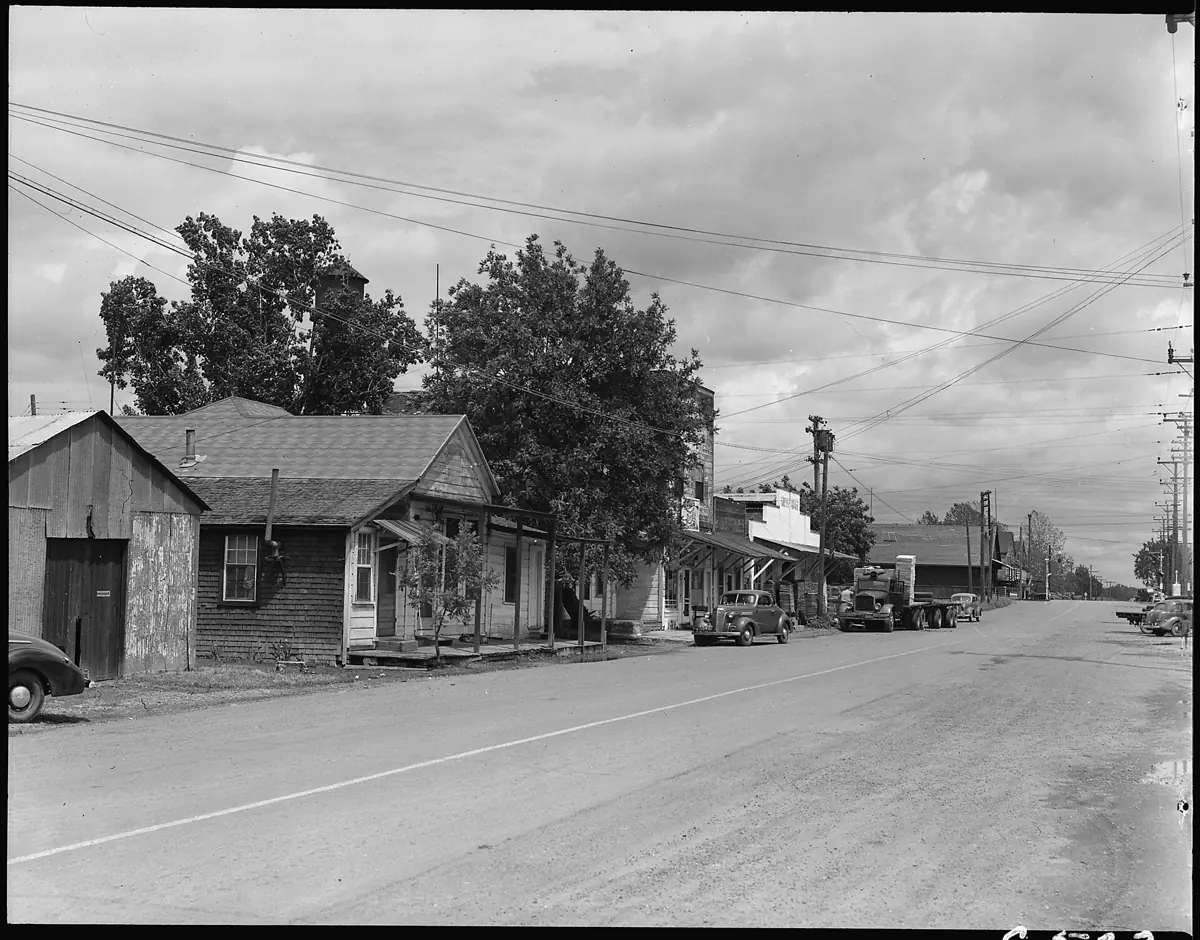
Iowa has county fairs that are larger and county fairs that are louder, but the Bremer County Fair has a rhythm that repeat visitors learn quickly. The barns come alive early, the midway fills in the afternoon, and the grandstand pulls the crowd in as the light drops. It is a fair built around farm families, 4-H projects, and neighbors who have been walking the same grounds for generations. This guide is written for the second-time visitor — the one who already knows the general layout and wants to plan a sharper trip.
Bremer County Fair Basics, Straight From a Repeat Visitor
| Town / place | The Bremer County area, Iowa |
| County | Bremer County |
| County seat | Waverly |
| Population | 24,988 |
| Region | Northeastern Iowa |
| Typical timing | A summer weekend, in most years during July |
| Admission | Typically free at the gate, with some events ticketed |
| Setting | Fairgrounds in a rural county of 439 square miles |
| Signature features | Livestock shows, 4-H exhibits, midway rides, grandstand nights |
| Organizer | Volunteer fair board with 4-H and county partners |
What the Bremer County Fair Really Is
Strip away the funnel cakes and the ride tickets and the Bremer County Fair is a countywide reunion with a livestock show attached. Bremer County was founded in 1851, named for Fredrika Bremer, and today counts 24,988 residents spread across 439 square miles of northeastern Iowa farmland. Waverly serves as the county seat. For a few days each summer, a good share of that population funnels into one place.
What separates this fair from a pure carnival is the balance. The 4-H and open-class exhibits are genuinely the center of gravity — static projects in one building, animals in another, ribbons posted by the door for everyone to crowd around. Around that core sits everything else: food trailers, a midway, grandstand entertainment, and the kind of slow, unhurried visiting that happens when you run into three people you know before you reach the second barn.
From 1851 County Roots to Today’s Fair Week in Waverly
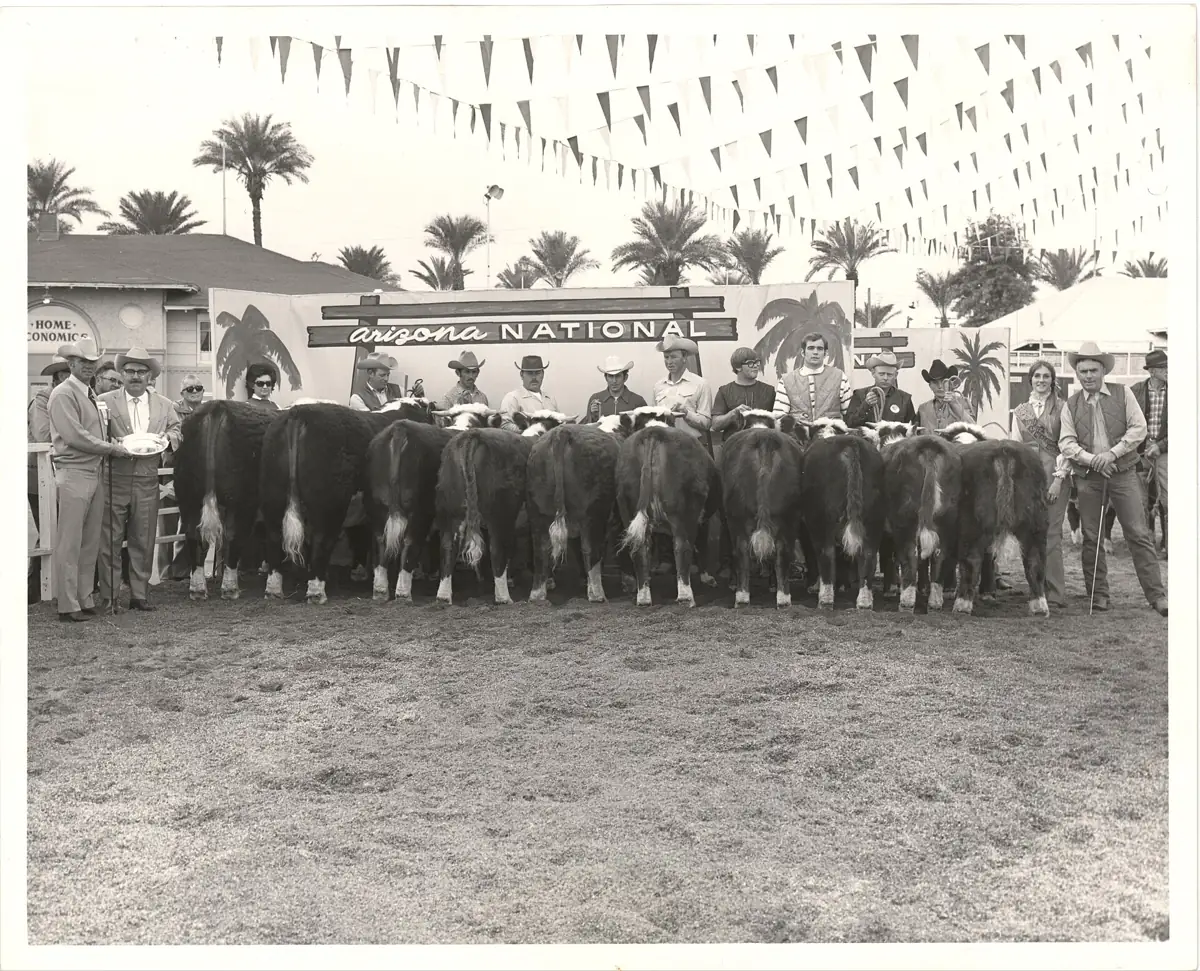
Bremer County was organized in the early 1850s, named for Fredrika Bremer, the Swedish writer whose descriptions of American life made her a familiar name to readers of the era. The county that took her name was a young, overwhelmingly agricultural place, and like most Iowa counties of that generation, it built its social calendar around the farming year.
County fairs across Iowa grew out of that same impulse: a harvest-season gathering where farmers could compare stock, swap techniques, and let the surrounding townships compete for bragging rights. Bremer County’s version followed that arc. Early fairs were practical affairs — draft animals, grain, produce, machinery demonstrations — and the entertainment was whatever the community brought with it.
For another look at how a community turns its own traditions into a gathering, see the Boone County Iowa Pufferbilly Days Festival for a useful comparison.
Over the decades the shape of fair week shifted. Horsepower gave way to tractors. Youth programs became a formal, organized presence, and 4-H exhibits turned into the fair’s most reliable draw. The fairgrounds became a permanent home rather than a rotating site, and the grandstand became the anchor for evening crowds. Through all of it, the fair kept its original bargain with the county: bring what you grew, show what you raised, and spend a few days with your neighbors.
Inside Fair Week: Barns, Grandstand, and Midway
A fair day here has three distinct moods, and knowing them is the difference between a frantic visit and an easy one. Morning belongs to exhibitors. Afternoon is for families and the midway. Evening is for the grandstand and the food lines.
Fair Food That Keeps Bremer County Coming Back
The food lineup is classic Iowa fairground fare: grilled pork, tenderloins, corn dogs, funnel cakes, elephant ears, lemonade shaken while you wait, and church-stand pies that sell out faster than anyone expects. The smart play for returning visitors is to eat earlier than the crowd — a late-afternoon meal means shorter lines and a better shot at whatever the volunteer stands brought that day. Carry cash for the smaller stands, even if the bigger trailers take cards.
Grandstand Nights and Local Music in Waverly
Evenings at the grandstand are what most people remember. Depending on the year, the schedule leans on live music, motorsport-style events, or a demolition derby, with local and regional acts filling the stage on other nights. Because the lineup rotates, the reliable move is to check the current fair schedule before you commit to a night — some events carry a separate ticket while others are open to anyone through the gate.
Family Activities for Kids and Grandparents Alike
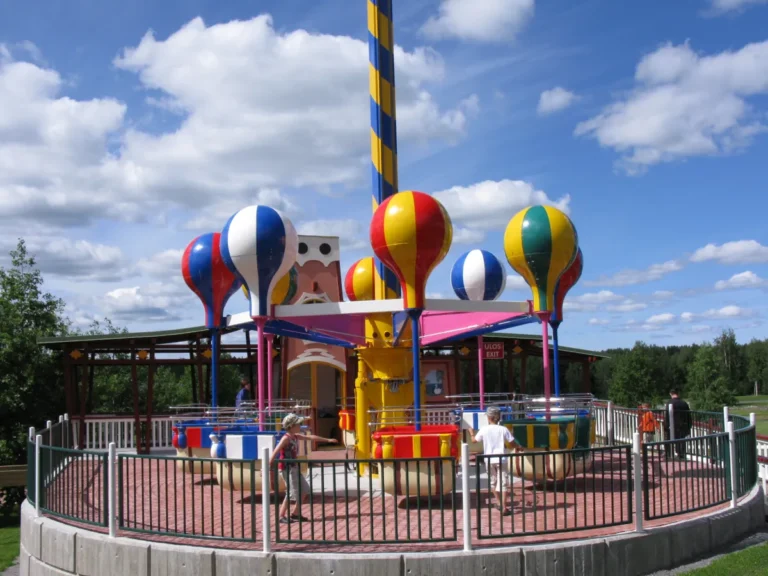
For families, the fair works because it is walkable and low-pressure. Kids gravitate to the midway, the petting areas, and the barns, where exhibitors are usually happy to answer questions about their animals. Grandparents tend to camp out near the exhibit halls and the seating by the show ring. Strollers handle the grounds well, but the gravel and grass sections get dusty in dry weather, so closed-toe shoes for everyone is not a fussy suggestion — it is practical advice.
Planning a Fair Trip Around Waverly
Most of the friction at any county fair comes from logistics rather than the fair itself. A little planning removes nearly all of it.
Getting There: Roads Into the Bremer County Area
Waverly sits in northeastern Iowa, and the fairgrounds draw from across the county’s 439 square miles as well as from neighboring communities. If you are coming from out of town, plan your route around Waverly and expect rural two-lane roads on the final stretch. Traffic is heaviest in the hour before grandstand events, so arriving mid-afternoon buys you an easier entry and a calmer walk to the gate.
Where to Stay Near Waverly and the Fairgrounds
Waverly is the natural base, with the widest choice of lodging in the county and a short drive to the grounds. Book early during fair week — this is a small county, and rooms tighten up quickly once the schedule is published. Campers and RV travelers often prefer to stay in the area and drive in daily rather than fight for a spot at peak times.
Parking Without the Usual Frustration
Fairground parking is typically on grass and gravel, with volunteers directing cars. Come early, park facing out if you can, and note a landmark near your row — after dark, one field of taillights looks much like another. If you are staying in Waverly, consider leaving the car behind for the evening session and getting a ride in; it turns the end of the night into a much shorter affair.
Admission, Tickets, and What a Fair Day Costs
Gate admission to county fairs in Iowa is typically free, and Bremer County follows that pattern, though individual grandstand events may be ticketed. Budget for the midway, food, and any raffles or vendor stalls rather than for entry. Bring a mix of cash and card, and set a rough spending ceiling for kids before you walk in — it is far easier to hold a line at the gate than in front of a ride operator.
Weather, Heat, and Fair Week Timing
Fair week falls in the heart of an Iowa summer, which means heat, humidity, and the occasional fast-moving thunderstorm. Mornings and evenings are the comfortable windows. Pack water, sunscreen, and a light rain layer, and treat any severe-weather announcement from fair staff as final. Barns stay warm, so give yourself permission to alternate between indoor exhibits and shaded seating.
A Returning Visitor’s Sample Fair Weekend
Friday afternoon: Arrive before the dinner rush, walk the exhibit halls first while they are quiet, then hit the food stands as the crowds build. Spend the early evening in the barns and around the show ring, and finish at the grandstand.
Saturday morning: Come back early for the livestock shows. This is the fair at its most authentic — exhibitors in the aisle, parents holding coffee, judges working through classes. It is also the least crowded hour on the grounds.
Saturday midday: Eat lunch at the stands, let the kids loose on the midway during the hottest stretch when shade is scarce anyway, then retreat to the indoor exhibits.
Saturday evening: Grandstand event, then a slow walk back through the grounds as the lights come on. This is when you will run into the people you have not seen since last year’s fair.
Sunday: A shorter visit works well — catch the final classes, buy something from a vendor, and leave before the last-night rush. Returning visitors learn that the closing hours are for the people who live closest.
How the Bremer County Fair Compares With Neighboring Fairs
Bremer County sits in a cluster of strong county fair traditions. Fairs in neighboring counties to the north, west, and south run on similar calendars, and larger cities to the southeast host bigger, more commercial events. The trade-off is straightforward: the larger fairs offer more rides and bigger names, while Bremer County offers shorter lines, cheaper evenings, and a fairground where the agriculture is still the main event rather than a side attraction. Visitors who want spectacle go bigger; visitors who want a genuine county fair come here.
Insider Checklist for Repeat Fairgoers
| Item | Why it matters |
| Cash, small bills | Volunteer stands and raffles move faster with it |
| Closed-toe shoes | Gravel, grass, and barn aisles |
| Water bottles | July heat and long walks between barns |
| Sunscreen and hats | Little shade on the midway |
| Light rain jacket | Afternoon storms arrive quickly |
| Printed schedule | Cell service gets spotty when crowds peak |
| Small backpack | Hands free for food and kids |
| A meeting point | The grounds are bigger than they look |
Beyond the Fairgrounds: Waverly and the Bremer County Area
Waverly is the county seat and the logical place to spend the hours around a fair visit, with the largest concentration of restaurants, shops, and lodging in Bremer County. The rest of the county is farmland and small communities, connected by the kind of quiet rural roads that make a detour worthwhile if you have time to spare. Many returning visitors build the fair into a longer weekend: one evening at the grounds, a slow morning in Waverly, and a drive through the countryside before heading home.
What Fair Week Means to Bremer County
In a county of 24,988 people, the fair is one of the few events that genuinely reaches everyone. It is where 4-H members learn to present their work, where local businesses sponsor classes and banners, and where volunteers put in long shifts for no reason other than that the fair has always happened. That continuity matters in a place this size. The fair is not just entertainment — it is one of the mechanisms by which a rural county stays connected to itself.
Where the Bremer County Fair Sits in Northeastern Iowa
The fairgrounds serve the Bremer County area in northeastern Iowa, with Waverly, the county seat, as the main point of reference for visitors traveling in.
Bremer County Fair Answers for First-Timers and Regulars
When does the Bremer County Fair usually take place?
It is a summer fair, held in most years during July and generally across a single weekend, though some activity extends around it. Confirm the exact days against the current fair schedule before you plan travel, since the calendar shifts slightly from year to year.
Do you need tickets to get into the fairgrounds?
Admission to county fairs in Iowa is typically free, and Bremer County generally follows that model, with the understanding that certain grandstand events may require a separate ticket. Check the schedule for the specific night you plan to attend.
Is the fair good for young children?
Yes. The grounds are compact enough to walk in a few hours, the barns and petting areas hold attention well, and the midway is sized for younger riders. Bring water, dress for heat, and plan around a midday break.
What should I see first on a return visit?
Start in the exhibit halls and barns before the crowds arrive, then move to food and the midway. Save the grandstand for the evening, when the atmosphere is at its best and the day has cooled off.
The Next Chapters for the Bremer County Fair
County fairs survive by adapting without losing their center. For Bremer County, that means keeping the livestock shows and 4-H exhibits as the core while refreshing the entertainment lineup and the midway offerings that draw younger visitors. Volunteer recruitment and facility upkeep are the perennial challenges in a county of this size, and they are the issues that will shape the fair’s next decade more than any single booking. For returning visitors, the practical takeaway is simple: check the schedule each year rather than assuming last year’s pattern, and keep supporting the stands and exhibits that make the week worth the drive.
Last updated: October 2026
The Bremer County Fair is not trying to compete with the state fair or the big urban events, and that is precisely its appeal. It is a county fair in the older sense — agricultural, local, and unbothered by the need to impress anyone outside the county line. Go once for the rides, come back the next year for the barns, and by the third summer you will be the one telling a first-timer where to park and which stand to hit before the line forms.
One Comment