Wabash County Illinois Wabash County Fair Festival
Mount Carmel, Illinois, sits where the flat farmland of southeastern Illinois begins to lean toward the Wabash River and the Indiana line. It is the county seat of Wabash County, a county founded in 1824 and spread across 228 square miles of river bottom, grain field, and small town. For most of the year the place runs on courthouse business, Friday night ball games, and gravel roads that dead-end at a levee. Then summer arrives, and the Wabash County Fair pulls the whole county into one spot.
That is the thing to understand before you ever park your car: this is not a fair that happens near a town. It is the town’s annual reunion, held in a field, with livestock trailers and funnel cakes. Families who have farmed the same ground since the nineteenth century stand in line behind families whose grandparents moved in for the oil field work. Kids who show animals in the morning ride the midway at dusk. The Wabash County Fair is the week when Wabash County says hello to itself.
The Fair in Ten Lines: Wabash County Basics
| Location | Wabash County area, centered on Mount Carmel, southeastern Illinois |
| County | Wabash County, Illinois |
| County seat | Mount Carmel |
| County profile | Founded 1824; 228 square miles |
| Population | Rural county; Mount Carmel is the largest community |
| Typical timing | A multi-day summer run, usually in July or August |
| Admission | Generally free entry; rides, food, and some attractions cost extra |
| Setting | Fairgrounds in the countryside serving Mount Carmel and the surrounding townships |
| Features | Livestock shows, carnival rides, grandstand entertainment, exhibit halls, fair food |
| Organizer | Local volunteers and agricultural groups |
What the Wabash County Fair Actually Is
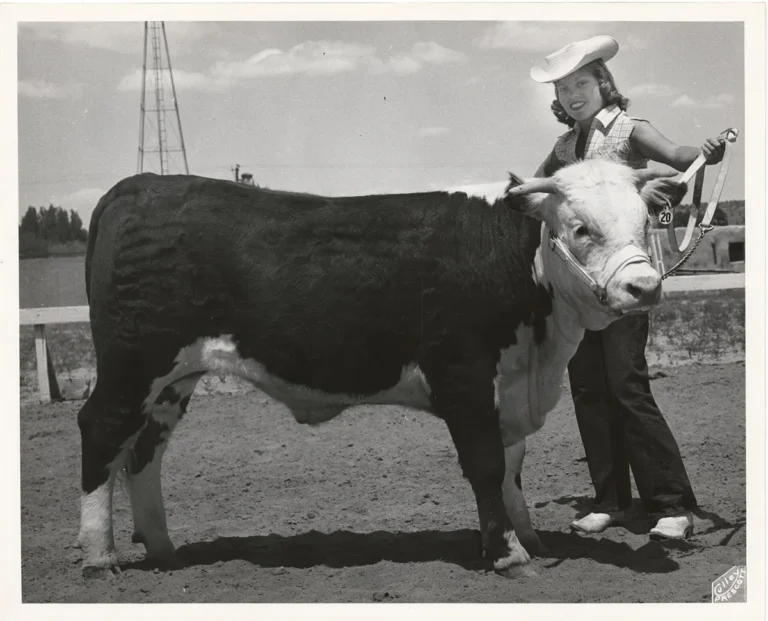
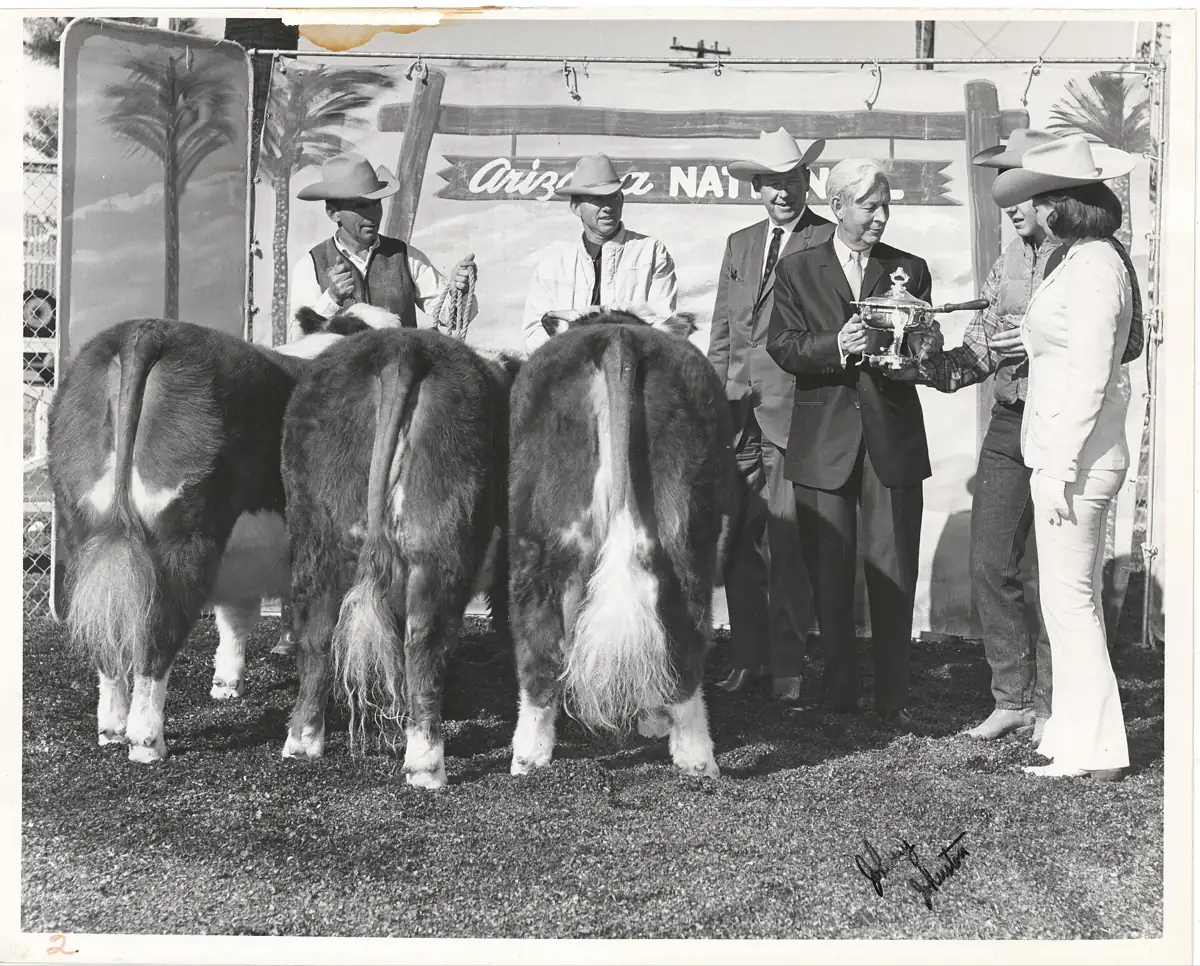
Strip away the midway lights and the Wabash County Fair is an agricultural institution with a carnival attached. The core of the schedule is judging: cattle, swine, sheep, goats, poultry, and rabbits, shown by young exhibitors and by adults who have been doing it since they were young exhibitors themselves. Around that core sits everything else a county expects from fair week — a barn full of draft animals, a hall of canned peaches and quilts and photographs, a row of tractors parked for people to admire, and a grandstand that fills after dark.
Entry to the grounds is generally free, which matters in a county this size. You pay for what you choose: ride tickets or a wristband, food from the stands, a seat for the evening show if one is ticketed. That structure keeps the fair accessible to families who might otherwise skip it, and it means a visitor can spend an afternoon among the barns for almost nothing.
The fair is also stubbornly local. Vendors are often church groups, fire departments, and civic clubs from Wabash County and the towns around it. The announcer on the loudspeaker knows the names of the exhibitors. That familiarity is the point, and it is what separates a county fair from a traveling carnival that happens to rent a field.
For another look at how a community turns its own traditions into a gathering, see the Vermilion County Illinois Vermilion River Fall Festival for a useful comparison.
Two Centuries of Fair Life in Wabash County
Wabash County was organized in 1824, when this stretch of Illinois was still a river economy. Mount Carmel grew as the county seat, positioned to serve farmers hauling grain and livestock toward the Wabash. Agricultural societies took root across Illinois in the decades that followed, built on the idea that a farmer could learn more from a neighbor’s prize hog than from any pamphlet. That idea is the ancestor of every county fair in the state, including this one.
The earliest fairs were essentially competitive exhibitions — a place to compare seed, stock, and craft, with a premium paid to the best entry. Entertainment came later and came slowly: harness racing, then carnival rides, then grandstand acts, then the demolition-style events that now pack the bleachers on a Saturday night. The exhibit hall never disappeared through any of it. Walk through today and you are walking through the same impulse that put a ribbon on a jar of preserves in the 1800s.
What has changed is the scale of the farming. Wabash County’s 228 square miles support fewer farms and larger ones than they did a century ago, and many families now earn a living off the land rather than from it. The fair adapted by widening its definition of agriculture — adding youth programs, hobby exhibits, and events that draw people who will never own a combine. The traditions held because the community kept showing up to hold them.
Inside the Fairgrounds: Food, Music, and Family Time
Fair Food That Tastes Like a Southern Illinois Summer
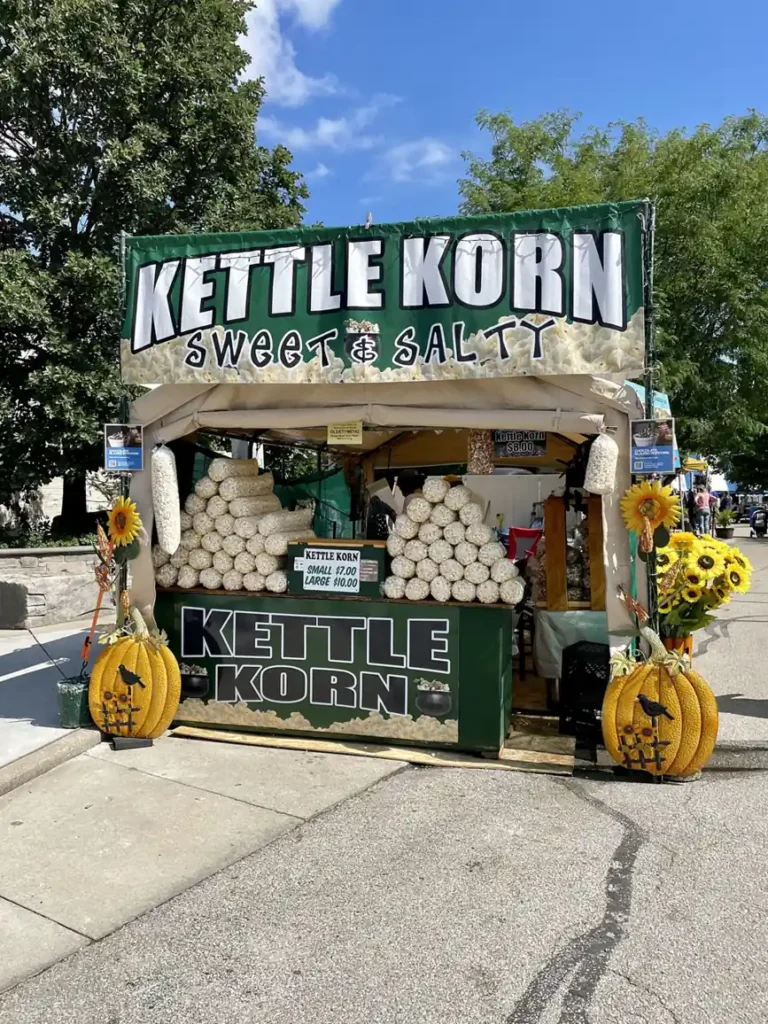
Fair food here follows the reliable county-fair canon, done by local groups rather than a national concessionaire. Expect tenderloins pounded thin and wider than the bun, corn dogs, elephant ears, funnel cakes dusted while they are still hot, lemon shake-ups, and a booth selling pie by the slice. Church and civic stands tend to be the value plays — a pork chop dinner or a plate of noodles from a group that has been working the same corner of the grounds for years. Come hungry and eat standing up.
Grandstand Nights and Local Talent
Evenings belong to the grandstand and the track. A typical fair week mixes live music — often regional country and rock acts rather than national touring names — with motorsport-style entertainment that fills the bleachers and the fence line. Between the big shows, sound carries across the grounds from the midway, the announcer’s booth, and whatever band is warming up. If you only attend one evening, choose the one with the event that draws the biggest crowd; that is when the fair feels least like a schedule and most like a party.
Barns, Rides, and Things for Kids to Do
Families can build a full day without spending much. The livestock barns are open to walk through, and exhibitors are usually happy to answer questions about an animal. Petting areas, kiddie rides on the midway, and the exhibit hall’s youth entries give smaller children something to do between meals. Older kids gravitate to the faster rides and the games, where the odds are what they always are. Plan a mid-afternoon break in the shade — the summer heat in this part of Illinois is real, and the barns are warm.
Planning a Trip to Mount Carmel for Fair Week
Getting There
Mount Carmel is the anchor for anyone traveling to the fair. The town sits in the Wabash Valley in southeastern Illinois, with the Indiana state line just across the river, so the fairgrounds draw from both sides of the water. Most visitors arrive by car on state and county routes that converge on Mount Carmel. If you are coming from a distance, treat the trip as a small regional drive: fill the tank before you get close, because the last stretch is rural and services thin out quickly.
Where to Stay
Lodging in the immediate area is limited, so the practical options are the small hotels and motels in and around Mount Carmel and the surrounding towns, plus campgrounds and RV parks in the Wabash Valley. Fair week is the busiest stretch of the summer for local rooms, so book early if you are coming from out of town. Many families simply drive in for the evening and sleep at home — a reminder that this fair serves a compact rural region rather than a tourist destination.
Parking at the Grounds
Parking at a county fair is usually a grassy lot with volunteers directing traffic, and that is what to expect here. Arrive early for grandstand nights, when the lots fill and the walk gets longer. Wear shoes you do not mind getting dusty or damp, and note where you parked before you go through the gate — after dark, one field looks much like another.
Admission and What Things Cost
Gate admission is generally free, with costs attached to rides, food, games, and some grandstand events. Set a budget per person rather than per family and you will avoid the mid-evening negotiation. Cash still moves faster than cards at small stands, so carry some, and expect a wristband deal on at least one night if the carnival offers one.
Weather and What to Wear
Fair week falls in the thick of an Illinois summer, which means heat, humidity, and the chance of an afternoon storm rolling up the valley. Dress light, bring a hat, and drink more water than you think you need. A light rain jacket beats an umbrella when the wind picks up. Evenings cool off enough that a hoodie in the car is worth having.
A Sample Weekend at the Wabash County Fair
Friday afternoon. Arrive before the crowd. Walk the livestock barns while they are still being worked, then spend an hour in the exhibit hall looking at youth projects, quilts, and garden entries. Grab an early dinner from a civic-group stand and eat it standing near the track.
Friday evening. Find a seat at the grandstand for the night’s headline event, then wander the midway once the lights are on and the heat has broken. Finish with something fried and a lemon shake-up.
Saturday morning. Come back for the livestock shows, which are the heart of the fair and the reason it exists. Watch a class or two even if you know nothing about cattle; the judging is fast and the barn aisle commentary is free.
Saturday afternoon and evening. Take the kids through the rides, catch the tractor display, and settle in for the biggest grandstand night of the week. Leave before the final rush if you parked deep in the field.
How the Wabash County Fair Compares Nearby
Wabash County sits in a cluster of small Illinois counties that each hold their own summer fair, and the differences are subtle but real. Neighboring counties to the west and north — Lawrence, Richland, and White, with their seats at Lawrenceville, Olney, and Carmi — run comparable multi-day fairs with the same mix of livestock, carnival, and grandstand. What distinguishes the Wabash County Fair is its river setting and its size: smaller than the largest regional fairs, tight enough that you will recognize faces by your second evening.
If you are choosing between fairs for a single weekend, pick based on the entertainment lineup rather than the amenities. The grounds, the food, and the barns will feel familiar either way. The Wabash County Fair’s advantage is that it never feels crowded to the point of frustration, and parking is a field rather than a garage.
A Practical Checklist for Fair Week
Cash for stands and games. Sunscreen and a refillable water bottle. Closed-toe shoes for the barns and the grass lots. A light jacket for after dark. A printed or screenshotted schedule, since cell service in a rural fairground can be uneven. A meeting point agreed on with your group before you split up. Bug spray for the evening. And a little patience with traffic on the way out — everyone leaves at once.
Beyond the Fairgrounds: Mount Carmel and the Wabash Valley
Give yourself an extra half day in the area. Mount Carmel’s downtown and courthouse square are worth a slow walk, and the town’s position on the Wabash River gives the whole county a river-town character that the flat inland miles do not. The surrounding countryside is farm country at its most straightforward — soybeans, corn, and rural cemeteries on low rises — and driving it is its own quiet pleasure.
Anglers and paddlers know the Wabash for its fishing and its slow water. History-minded visitors will find that a county founded in 1824 carries its layers lightly, in old brick storefronts and the way roads still follow the river bends. Pair a fair evening with a morning drive along the valley and you have seen the place properly.
Why the Wabash County Fair Still Matters
In a county of 228 square miles with Mount Carmel as its seat, institutions that bring people together are not nostalgia — they are infrastructure. The fair is where a farm kid learns to speak in public while answering a judge’s question. It is where volunteer groups raise the money that funds their work for the rest of the year. It is where neighbors who have not spoken since spring catch up over a pork chop.
That is why the fair survives while so many small events fade. It does several jobs at once, and it does them for a community small enough that everyone benefits directly. Show up on a Saturday night and you are not watching a tradition; you are participating in one.
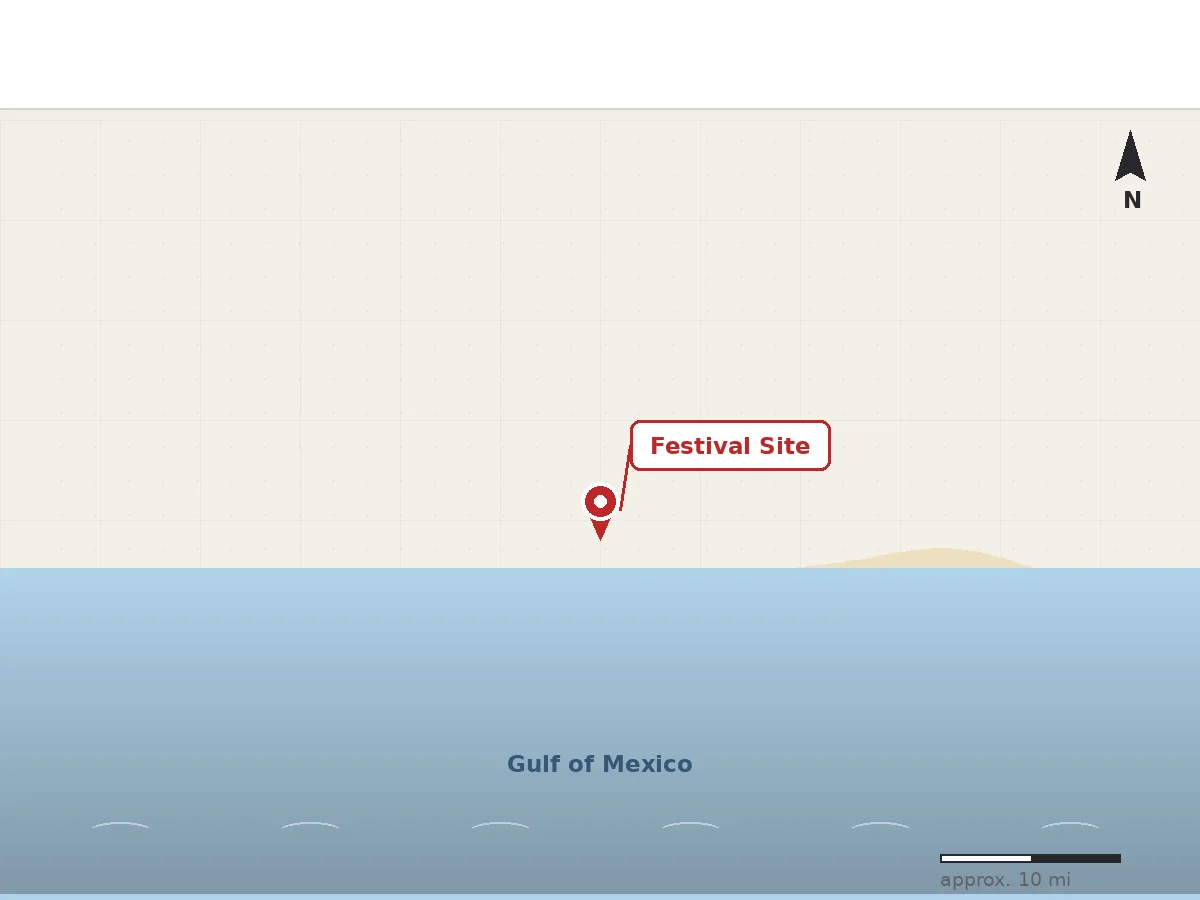
Where the Wabash County Fair Happens
The Wabash County Fair takes place on the fairgrounds serving Wabash County near Mount Carmel, the county seat in southeastern Illinois.
Wabash County Fair Questions, Answered
When does the Wabash County Fair usually take place?
It is a summer fair, typically running for several days in July or August. Because dates shift from year to year, check the current schedule before you plan travel, and treat the middle and end of the week as the busiest stretch.
Is admission to the Wabash County Fair free?
Entry to the grounds is generally free. You pay individually for carnival rides, food, games, and some grandstand events, so a family’s total cost depends mostly on how much time you spend on the midway.
Is the fair good for young children?
Yes, with planning. Go earlier in the day when it is cooler, start with the barns and the kiddie rides, and keep an afternoon break in the shade. Bring water and a stroller that handles grass and gravel.
How far is the fair from the nearest larger towns?
Mount Carmel is the closest community and the practical base for the fair. Other county seats in the region — Lawrenceville, Olney, and Carmi — are within a reasonable drive, which is why the fair draws visitors from across southeastern Illinois and nearby Indiana.
Looking Ahead to Future Wabash County Fairs
The fair’s future rests on the same things it always has: volunteers, exhibitors, and families willing to spend an evening in a field. Counties across Illinois are working to keep younger generations involved, and Wabash County’s fair is no exception — youth exhibits, hands-on agricultural displays, and evening entertainment all exist to bring new people through the gate. As long as the barns fill and the grandstand sells out, the tradition holds.
Last updated: October 2026
If you go, go with an appetite and a little time to spare. Walk the barns before the lights come on, eat something fried, and stay for the grandstand. The Wabash County Fair is not trying to impress anyone from out of state — it is a county taking one week to celebrate itself, and it is better for it.