Putnam County Illinois Putnam County Fair Festival
Putnam County is compact — 172 square miles of farmland and river bottom in north-central Illinois — and its fair reflects that scale. The Putnam County Fair is a summer weekend gathering of farm families, local vendors, and kids showing livestock, not a sprawling commercial expo. If you plan trips the way some people plan hikes, this guide is built for you: what the fair is, how to reach it, where to sleep, and how to spend a weekend around it without wasting an afternoon in a parking line.
Putnam County Fair: The Planning Facts That Matter Most
| Town / area | The Putnam County area, with Hennepin as the anchor town |
| County | Putnam County, Illinois |
| County seat | Hennepin |
| Population | Small and rural, spread across 172 square miles |
| Region | North-central Illinois, Illinois River valley |
| Typical timing | A summer weekend, usually July or early August |
| Admission | Typically free at the gate; rides, games, and food sold separately |
| Setting | Rural fairgrounds in open farmland, a short drive from Hennepin |
| Features | Livestock and open-class exhibits, carnival rides, fair food, grandstand entertainment |
| Organizer | Local fair board and community volunteers |
What the Putnam County Fair Actually Is
County fairs come in two broad flavors: gated expos with national acts and paid everything, and the ones that still run on bake sales, barn duty, and a volunteer board. The Putnam County Fair belongs to the second group. It is an annual summer event built around agriculture, local youth, and programming that a county of this size can genuinely support.
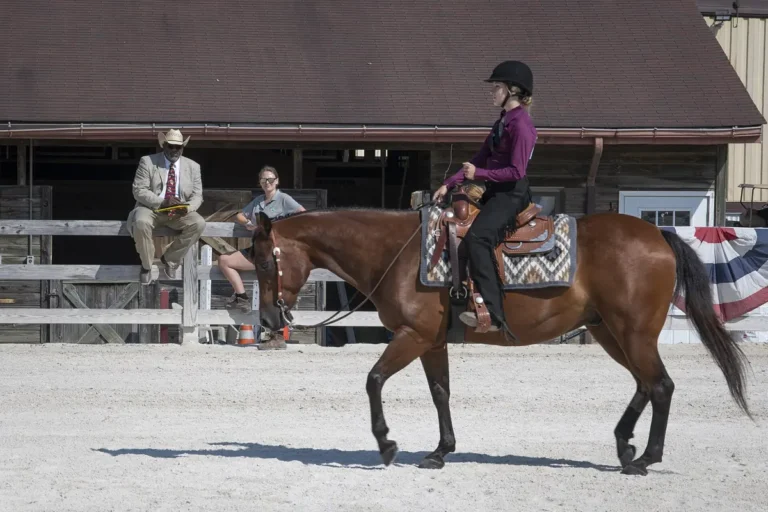
Expect the core elements of an Illinois county fair — livestock shows and open-class exhibits, a midway with carnival rides, food stands run by local organizations, and grandstand entertainment in the evening. Expect the informal parts too: neighbors catching up in the aisle between barns, kids comparing ribbons, and a crowd where most people know each other by sight.
Because the fair is community-run, the exact schedule shifts from year to year. The reliable move is to check the local schedule a few weeks ahead and treat the fair as a full day or evening rather than a two-hour stop.
1825 Roots: How a River County Built a Fair Tradition
Putnam County was established in 1825 and named for Israel Putnam, the Revolutionary War general. Hennepin became the county seat, and the county’s identity has been tied to the Illinois River ever since — first river traffic, then the canal era, then the farm economy that still shapes the landscape.
For another look at how a community turns its own traditions into a gathering, see the Putnam County Illinois Hennepin Heritage Fest Festival for a useful comparison.
County fairs across Illinois grew out of that farm economy. They began as places to compare crops and livestock, share techniques, and turn a harvest season into a social occasion. The Putnam County Fair descends from that tradition, and its program still shows it: junior exhibitors, open-class entries, and prizes for the things local families actually produce.
What has changed is the world around the fairgrounds. Farms got larger, families got busier, and small fairs had to compete with screens and weekend travel. What hasn’t changed is the reason people show up — a shared date that pulls a scattered rural county back into one place for a few days.
A Day on the Putnam County Fairgrounds: Food, Sound, and Family Time
The fair is best experienced in two shifts: a slow afternoon in the barns and exhibit halls, then an evening on the midway and at the grandstand. Here’s what each part of the day usually looks like.
Fair Food: Pork, Pie, and Lemonade Shake-Ups
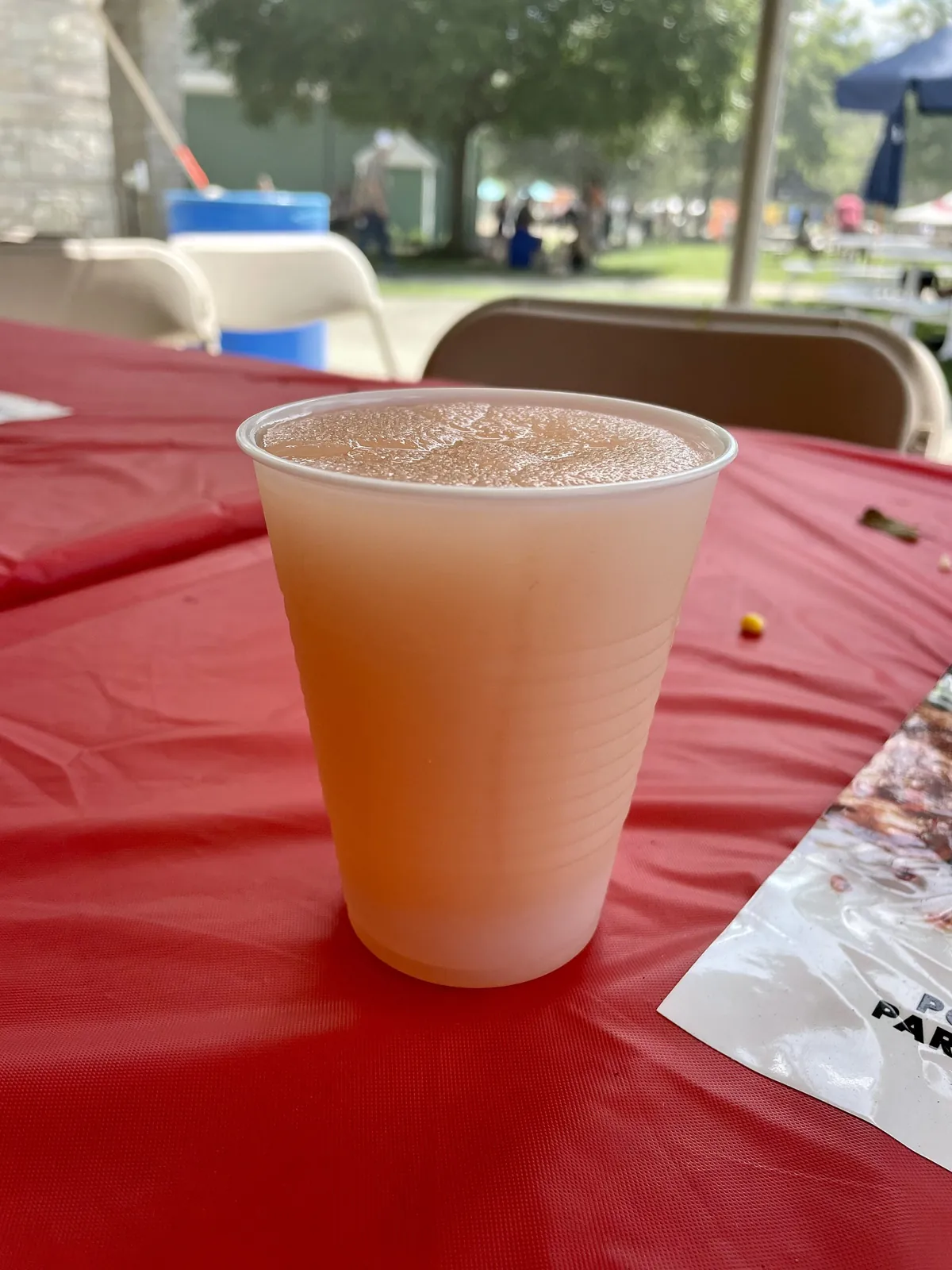
Fair food at this scale is its own cuisine — corn dogs, funnel cakes, pork burgers, fresh-cut fries, and lemonade shake-ups. Local church groups and civic organizations often run stands, so the menu leans homemade: pies, walking tacos, tenderloins, and coffee that costs less than you’d expect. Bring cash for the smaller stands. Card readers are common but not universal in a rural county, and lines move faster when nobody is hunting for a signal.
Grandstand Nights and Local Entertainment
Evenings are when the grounds fill up. Grandstand programming at fairs this size typically mixes regional bands with crowd-pleasers such as tractor pulls, a demolition derby, or a talent showcase, and the lineup rotates year to year. Arrive before the start time; grandstand seating is first-come, and the best sightlines go early. Between events, the midway and barns stay open, so there is rarely a dead hour.
Family Activities and the Livestock Barns
This is a fair built for kids. Carnival rides and games anchor the midway, but the barns are the real draw — youth exhibitors grooming animals, answering questions, and often letting visitors pet them with permission. Look for pedal tractor pulls, craft and baking exhibits, and small contests that hand out ribbons. Strollers handle the grass lots fine when dry; after a rain, the ground gets soft fast.
Putnam County Fair Trip Planning: Roads, Rooms, and Rain Plans
Driving Into Putnam County From I-80 and the River Roads
Putnam County sits along the Illinois River in north-central Illinois, with I-80 running east-west just to the north and I-180 dropping south toward Hennepin. Illinois Route 26 follows the river through the county seat. From Chicago or the Quad Cities, it’s interstate plus a short two-lane stretch; from Peoria or Bloomington, an easy run north. Coverage is fine on main roads and thinner in the river bottoms, so download your route before leaving.
Where to Sleep Near the Fairgrounds
Lodging inside Putnam County is limited, so most out-of-town visitors base themselves in Princeton to the northwest, Ottawa or Peru to the east, or along the I-80 corridor. Book early for fair weekend, since summer is also river recreation season. Campers will find options at area campgrounds and state park sites along the Illinois River; if you’re towing, confirm hookups before committing.
Parking on Fair Weekend
Parking at fairs this size is usually free and grassy, directed by volunteers. Come early on grandstand nights — lots fill an hour or two before the main event. Follow the hand signals rather than your GPS; field edges get soft after rain, and the person waving you forward knows which rows are still passable. Set a meet-up point if your group splits, because rows of parked trucks look identical at dusk.
What Admission and a Day at the Fair Cost
Gate admission at small county fairs is often free or nominal, with revenue coming from rides, food, raffles, and grandstand tickets instead. Budget for a ride wristband or individual tickets, cash for food stands, and a little extra for the exhibit hall bake sale. If you’re bringing kids, set a midway limit before you walk in — it’s easier to say no once than twenty times.
Illinois Summer Weather and How to Pack for It
Fair season in central Illinois means heat, humidity, and afternoon thunderstorms that build quickly. Mornings are the most comfortable window for barns and exhibits; evenings suit the grandstand. Pack sunscreen, a refillable water bottle, a hat, and a light rain jacket. Closed-toe shoes are the right call for gravel, grass, and barn aisles.
A Sample Weekend Built Around the Putnam County Fair
Friday evening. Arrive before dark, check into your base in Princeton or Ottawa, and drive over for the opening-night session. Grandstand events draw the biggest crowd early, so claim seats first and eat afterward when the food lines thin.
Saturday morning. Return early for the livestock shows and exhibit halls while the air is cool and the barns are busy. This is the best window for photos, questions, and unhurried browsing.
Saturday afternoon. Take a break off the grounds — a riverside walk near Hennepin or a shaded stretch of the canal path — then come back for the midway and evening entertainment.
Sunday. Wrap up with the last exhibits, the closing grandstand session, and a quiet lunch in town before heading home. Traffic out of rural fairgrounds is rarely bad, but leaving before the final event ends makes it even easier.
Putnam County Fair vs. Nearby Fair Towns
If you’re comparing summer fair weekends in north-central Illinois, Putnam sits at the small, local end of the spectrum. Hennepin, the county seat, is a compact river town — you can pair the fair with a walk along the riverfront and be back at the grandstand by evening. Princeton, in neighboring Bureau County, is larger, with more lodging and restaurant choices, which makes it a practical base even when the day’s plan is in Putnam. Ottawa, to the east in LaSalle County, sits near Starved Rock and Matthiessen state parks, so it suits a combined fair-and-outdoors trip.
Putnam’s advantage is the opposite of scale: shorter lines, free parking, and a crowd where the exhibitors are people you’ll see again at the grocery store. Choose it when you want a genuine county fair rather than a regional festival.
Putnam County Fair Packing and Prep Checklist
| Cash | Small food stands and raffles move faster with bills than cards. |
| Sunscreen and a hat | Midway and grandstand seating are largely unshaded. |
| Refillable water bottle | Heat and humidity are the norm in July and August. |
| Closed-toe shoes | Gravel, grass, and barn aisles all punish sandals. |
| Light rain jacket | Afternoon storms build quickly across central Illinois. |
| Meet-up plan | Parking fields and midway crowds swallow groups fast. |
| Saved directions | River-bottom coverage is patchy. |
| Printed schedule | Programs change yearly, and phone batteries die. |
Beyond the Fairgrounds: Hennepin, the River, and Nearby Parks
Once you’ve had your fill of the midway, Putnam County rewards a slower afternoon. The Illinois River runs the length of the county, and the Hennepin Canal Parkway stretches east from the Hennepin area along a historic barge canal — flat, shaded, and good for a walk or a bike ride. Hennepin itself is the county seat and the natural place to grab a meal and see a small river town’s downtown.
For a longer weekend, Starved Rock and Matthiessen state parks near Utica are a short drive east, and the I-80 corridor offers chain hotels and services. Birders and paddlers will find the river bottoms worth a detour, and in late summer the surrounding farmland is at its most photogenic — corn, soybeans, and long straight roads.
What the Fair Means to a 172-Square-Mile County
Putnam County covers 172 square miles and dates to 1825; it isn’t a place where things happen by accident. The fair exists because volunteers keep it alive — the same people who serve on the board also park cars, judge exhibits, staff concession stands, and clean up on Sunday night.
For local youth, the fair is a proving ground: a first ribbon, a first auction, a first summer job on the midway. For families, it’s a fixed point in a season that otherwise blurs together. For the towns, it’s a modest economic engine — food, fuel, and supplies bought by visitors who wouldn’t otherwise stop in the county.
Where in Putnam County the Fair Sits
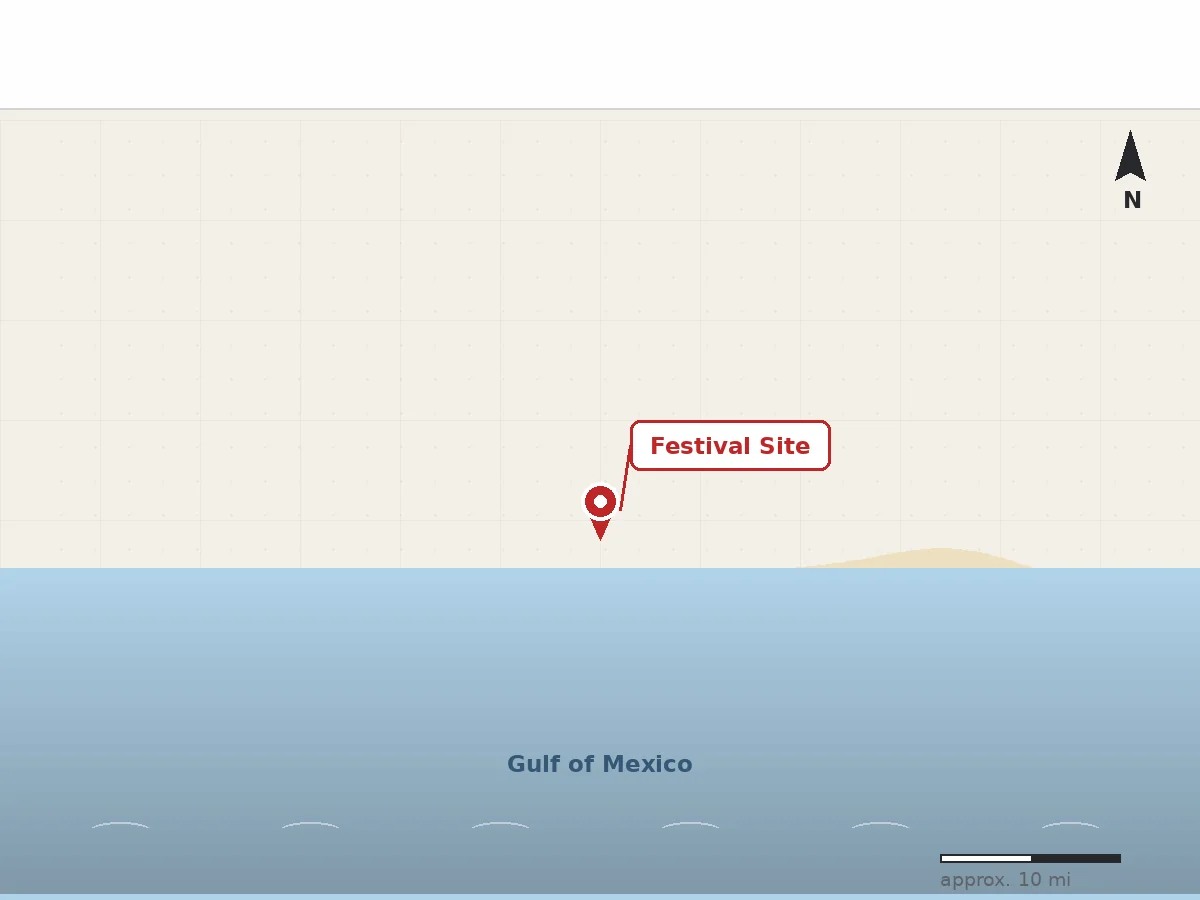
The Putnam County Fair takes place in the Putnam County area of north-central Illinois, with Hennepin — the county seat — serving as the nearest anchor town for directions.
Putnam County Fair: Practical Answers Before You Drive Out
When is the Putnam County Fair held?
It’s a summer event, typically scheduled for a weekend in July or early August, which is standard for Illinois county fairs. Because the fair is organized locally, the exact weekend can shift from year to year — check the current local schedule before you request time off or book a room.
Is admission free?
Gate admission at fairs of this size is typically free or very low, with the fair earning revenue from rides, food, grandstand events, and raffles. Plan on spending inside the grounds rather than at the entrance, and carry some cash for the smaller stands.
Do I need to book lodging in advance?
Yes, if you’re staying overnight. Putnam County has limited lodging, and summer weekends along the Illinois River fill up. Princeton, Ottawa, and the I-80 corridor offer the widest choice; book several weeks out and confirm cancellation policies in case of storms.
Is the fair suitable for young children and older visitors?
Generally yes. The grounds are flat, the midway is walkable, and the barns and exhibit halls are calm, shaded places to slow down. Heat is the main challenge — plan around midday, bring water, and save the grandstand for the evening.
The Next Decade of Putnam County Fair Weekends
Small county fairs survive on volunteer hours and local sponsorship, and that’s unlikely to change here. The realistic outlook for the next several years is continuity rather than expansion: a summer weekend, a schedule built around livestock and grandstand events, and a gate that stays affordable for families.
What may shift is how the fair communicates. Online schedules, social updates, and card-friendly vendors make it easier for visitors from outside the county to plan a trip without guessing. Weather remains the wild card every year — one washed-out weekend affects the budget for the next. The fair’s size is the argument for going sooner rather than later, while it still feels like a county gathering rather than a regional attraction.
Last updated: October 2026
Pack the sunscreen, fill the tank near Hennepin, and give yourself a full evening rather than an hour. The Putnam County Fair isn’t trying to be anything other than what it is — a summer weekend in a 172-square-mile county where the exhibits, the food, and the crowd all come from within a short drive. That’s the whole appeal, and it’s worth planning around.


One Comment