McLean County Illinois Bloomington-Normal Cultural Festival
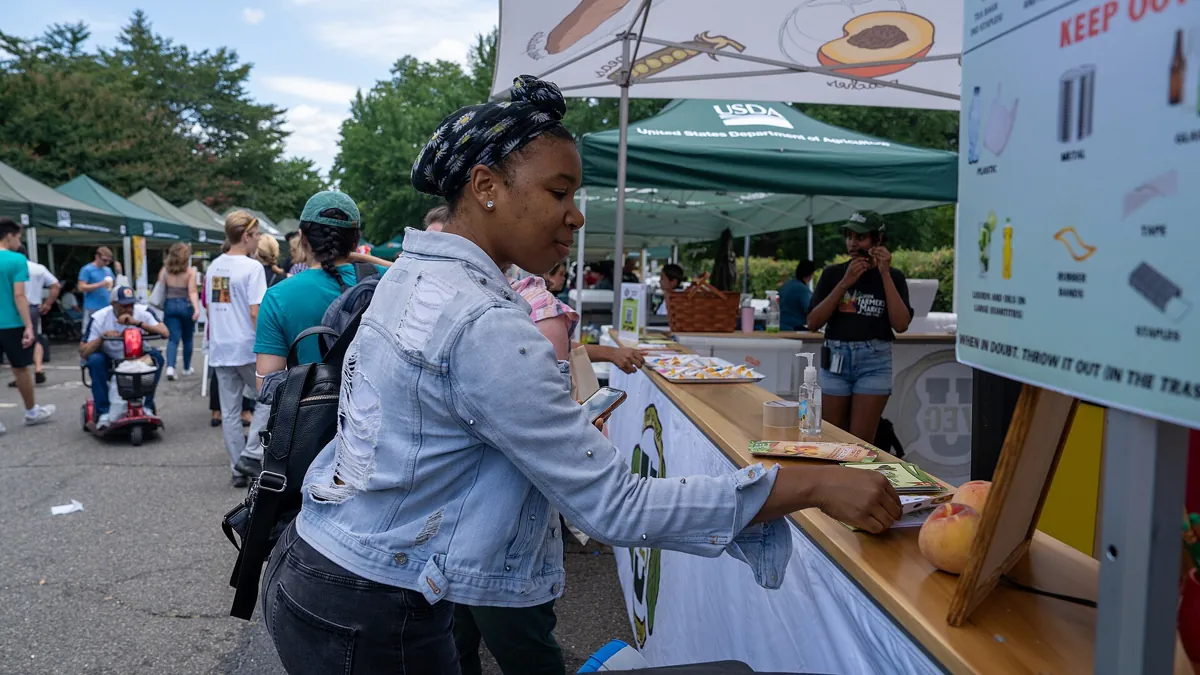
McLean County was established on December 25, 1830, with Bloomington as its seat, and the twin cities of Bloomington and Normal have been the civic heart of this 1,186-square-mile stretch of Central Illinois ever since. Each autumn, the Bloomington-Normal Cultural Festival turns that heart into a stage, filling downtown blocks and civic spaces with the food, music, dance and handwork of the county.
The festival is homegrown rather than imported. Booths, stages and demonstration tables are staffed largely by people who live within an hour of the county seat, and the programming leans on McLean County’s mix of farm families, small-town residents, newcomers and students. If you want to hear and taste what this part of Illinois is like in a single weekend, this is the event to plan around.
What follows is a visitor’s guide: what the festival involves, how it fits into the county’s long story, what to expect on the ground, and how to build a trip around it.
Bloomington-Normal Cultural Festival: Key Details
The essentials are simple: a county-seat celebration, held largely outdoors, typically free to enter, and best experienced on foot.
| Festival | Bloomington-Normal Cultural Festival |
| Town / area | Bloomington-Normal, in the McLean County area |
| County / county seat | McLean County, Illinois; seat at Bloomington |
| County land area | 1,186 square miles |
| County founded | December 25, 1830 |
| Region | Central Illinois |
| Typical timing | Each autumn, usually across a weekend |
| Admission | Typically free to attend |
| Setting and features | Downtown streets, parks and civic venues; food, music, dance, craft and heritage programming |
| Organizer | Community and cultural organizations from across McLean County |
A County’s Culture Gathered in the Twin Cities
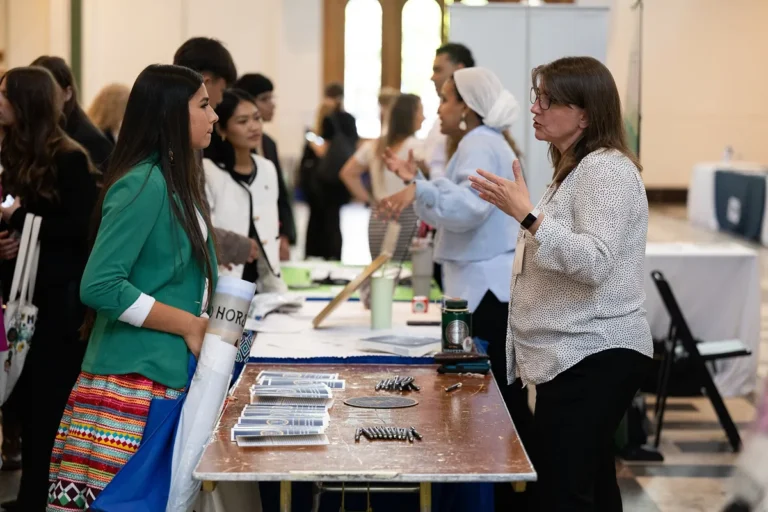
At its core, the Bloomington-Normal Cultural Festival is a showcase of local heritage rather than a single headline act. Expect a program that moves between performance and participation: cooking demonstrations beside dance troupes, craft vendors beside historical displays, and stage slots shared by school groups, choirs, heritage ensembles and neighborhood bands.
For another look at how a community turns its own traditions into a gathering, see the McHenry County Illinois McHenry County Fair Festival for a useful comparison.
Because the event spreads across the twin cities instead of sitting inside one fenced fairground, the rhythm feels different from a typical county fair. You walk, you wander, you stop when something catches your ear, and you keep moving. That structure makes it easy to dip in for an hour or to stretch a visit across a full day.
Admission is typically free, which keeps the emphasis on browsing and sampling rather than on buying a ticket. Individual vendors set their own prices for food, drinks and handmade goods, so a little cash in your pocket is still a sensible habit.
From a Prairie County Seat to a Festival Weekend
McLean County’s story begins with its founding on December 25, 1830, and with Bloomington, the seat of government that gave the surrounding prairie a place to gather. The county’s 1,186 square miles of flat, fertile ground made farming the backbone of its economy, and Bloomington grew into the commercial and civic anchor of the region while Normal developed alongside it as the twin city.
Cultural life followed the same pattern. County-seat towns of that era built their social calendars around public gatherings — market days, harvest celebrations, church suppers, music societies and school programs — and Bloomington-Normal was no exception. Over generations, those scattered traditions were gradually pulled together into a single festival weekend that could represent the whole county at once.
The modern festival is best understood as a continuation of that habit: a county that has always gathered in its seat town, gathering once more, with the same mix of food, music and handmade work that filled those earlier public squares.
What a Festival Weekend in Bloomington-Normal Feels Like
Days are busy but not frantic. Crowds build through the late morning, peak in the early afternoon, and thin out again as the light softens and the evening sets begin.
Food Along the Festival Route
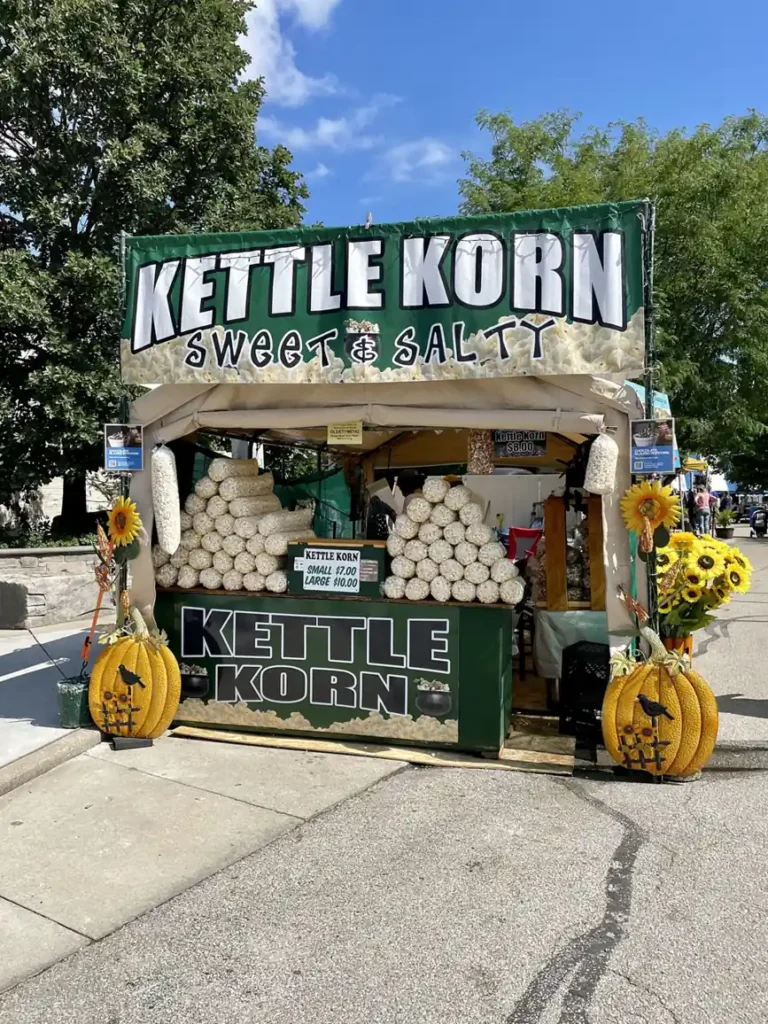
Food is the easiest way into McLean County’s culture. Expect a mix of festival staples and regional cooking: grilled meats, sweet corn in season, pies and baked goods, and dishes brought by families whose roots reach well beyond Illinois. Portions are usually sized for walking, and vegetarian options have become more common. Smaller stands often prefer cash.
Music, Dance and Entertainment on the Stages
Entertainment tends to be a rotating slate rather than one big headliner — local bands, dance groups, folk and heritage performers, and youth ensembles taking short sets through the day. Because slots are brief, you can sample several acts in an afternoon. Between stages, street performers and informal jam sessions fill the gaps.
Family Activities for Younger Visitors
Family programming usually anchors the daytime hours: craft tables, face painting, storytelling, drumming and dance workshops, and hands-on demonstrations. The middle of the day is the safest bet for younger children, when the widest range of activities is running and the walk between venues still feels manageable.
Planning a Trip Around the McLean County Festival
Getting to Bloomington-Normal
The twin cities sit at the center of McLean County, reachable by interstate and regional highway from Chicago, Peoria, Champaign-Urbana, Springfield and St. Louis. Most visitors arrive by car; once you are downtown, walking is the practical way to move between venues.
Where to Stay in the Twin Cities
Hotels cluster along the commercial corridors on both sides of the twin cities, with independent inns and short-term rentals closer to the downtown core. Autumn weekends fill quickly, so book earlier than you think you need to if you want to walk to the festival from your room.
Parking and Moving Between Venues
Plan on a municipal garage or a downtown surface lot, then walk. Traffic near the core gets slow during peak hours, and circling for a closer spot rarely saves time. Rideshare drop-offs and local transit work well if you are staying farther out.
Admission, Costs and Cash
Admission is typically free. Your spending will be food, drinks, crafts and any workshop materials fees, which vary by vendor. Carry small bills and a card, since payment policies differ from stand to stand.
Central Illinois Weather and What to Wear
Autumn here swings hard between warm afternoons and cool evenings. Dress in layers, wear broken-in shoes for the walking, and pack a light rain jacket plus sunscreen — the prairie sun is stronger than it looks in the middle of the day.
A Sample Weekend Itinerary in Bloomington-Normal
Friday evening: arrive, check in, and take a slow walk through the downtown core to get your bearings and pick your Saturday priorities. Grab dinner somewhere near the festival route while the streets are still quiet.
Saturday morning: start with the food stands and craft vendors before lines build. Midday: settle in at a stage for two or three short sets, then catch a cooking or heritage demonstration. Evening: return for the headline performances, when the lighting and the cooler air make the whole route feel different.
Sunday: go back for anything you missed, spend the quiet hours on family activities, and leave the afternoon free for a drive through the county before heading home.
How Bloomington-Normal Compares with Nearby Towns
Peoria, to the northwest, offers a larger riverfront festival scene with bigger crowds and a longer drive. Champaign-Urbana, southeast of McLean County, leans heavily on its campus calendar and draws a younger, student-heavy audience. Decatur, to the south, runs a more compact industrial-city celebration.
Bloomington-Normal’s advantage is walkability and breadth: a county-wide program concentrated in a downtown you can cross on foot, with the county seat itself as the backdrop rather than a fairground on the edge of town.
Packing and Prep Notes for a McLean County Festival Weekend
Before you leave, run through this: comfortable walking shoes; a refillable water bottle; a light rain jacket; sunscreen and a hat; a small amount of cash for vendors who do not take cards; a power bank for a long day out; a tote for purchases; and a screenshot of the festival layout in case cell service slows in crowds. Travelling with children? Add snacks, a stroller if you have young ones, and a plan for a midday break.
Beyond the Festival: The Rest of McLean County
McLean County rewards an extra day. The 1,186 square miles around Bloomington-Normal are a patchwork of farmland, small towns and quiet roads, and the county seat itself holds historic downtown blocks, parks and civic buildings worth a slow morning. Drive out in any direction and you will pass through communities that send vendors and performers to the festival, which makes a loop through the countryside feel like a sequel to the weekend rather than a detour from it.
How the Festival Strengthens Civic Life in McLean County
For a county this size, a shared weekend matters. The festival gives residents from every corner of McLean County a reason to come into Bloomington, the county seat, and see it as common ground rather than just an administrative address. Volunteers staff much of it, local businesses benefit from the foot traffic, and the programming gives newer residents a fast, friendly introduction to a place that has been organizing public gatherings since 1830.
Where the Festival Fits on the McLean County Map
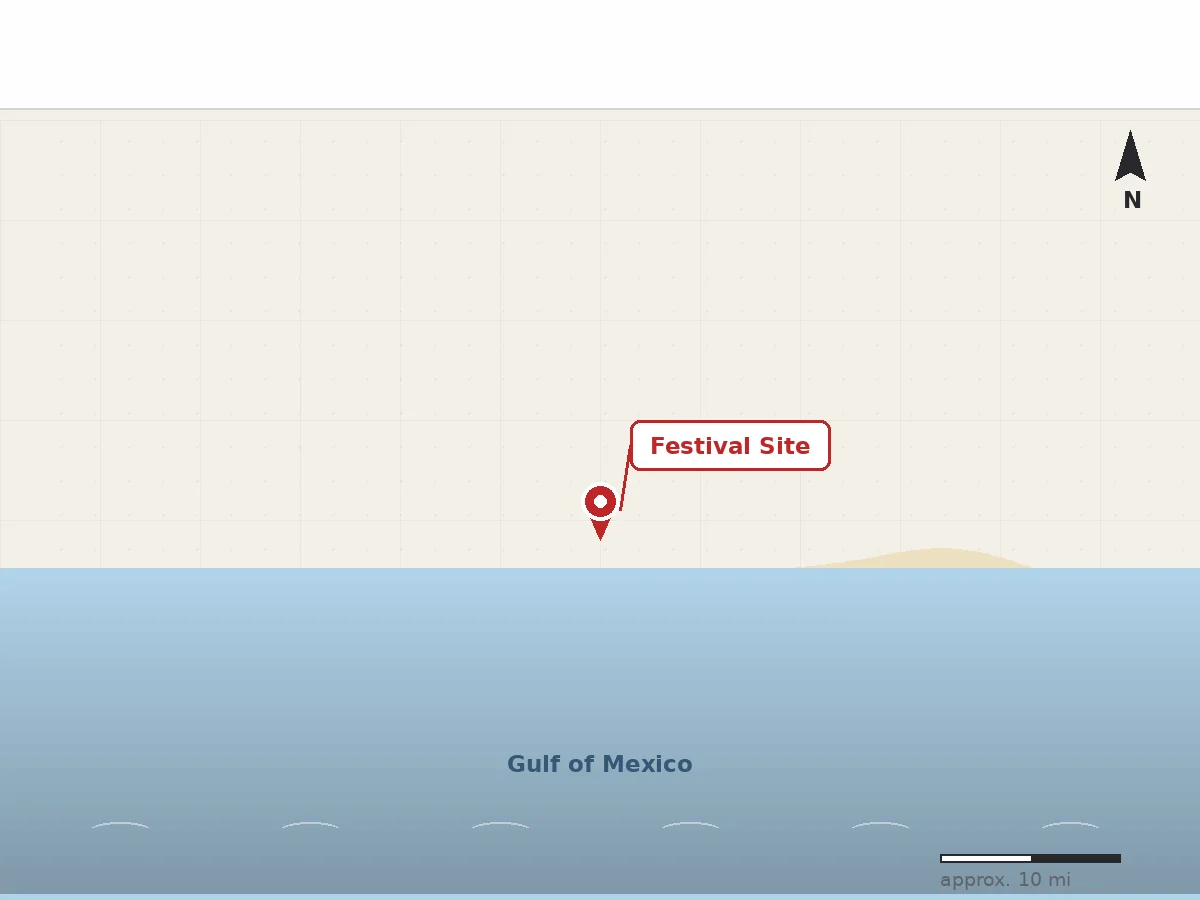
The festival takes place in and around downtown Bloomington-Normal, the county seat area at the geographic center of McLean County.
First-Time Visitor Answers for the Bloomington-Normal Cultural Festival
Is the festival free to attend?
Yes — admission is typically free, and you only pay for what you eat, drink or buy. Some workshops may ask for a small materials fee, so keep a little cash on hand.
Do I need to reserve anything in advance?
Not for general admission. You should, however, book accommodation early if you are staying overnight, since autumn weekends in the twin cities fill up quickly.
Is it a good fit for young children and older visitors?
Generally, yes. The route is walkable, daytime programming is family-friendly, and there are plenty of places to sit and rest. Older visitors may prefer arriving earlier in the day, before crowds and afternoon heat build.
How do I confirm the dates and schedule each year?
Check the festival’s official listings and local McLean County news outlets closer to the season. The event is held each autumn, usually across a weekend, but the exact dates shift from year to year.
Looking Ahead: The Festival’s Next Chapter in McLean County
As Bloomington-Normal continues to grow, the festival’s role as a county-wide meeting point becomes more valuable, not less. Expect continued emphasis on local vendors, heritage programming and walkable downtown venues, with room for new performers and food traditions as the county’s population changes. For visitors, the practical advice stays the same: come for a weekend, stay for the food, and leave time to see the county beyond the festival route.
Last updated: October 2026
Whether you live twenty minutes from the county seat or are passing through Central Illinois on a longer trip, the Bloomington-Normal Cultural Festival offers an unusually honest look at a place — its farm roots, its twin-city character, and the people who keep showing up to share it. Plan around a weekend in autumn, wear good shoes, and let the county introduce itself.
One Comment