McDonough County Illinois McDonough County Fair Festival
Macomb has served as the seat of McDonough County since the county was organized, and fair week is when that role becomes visible. For a few days each summer, livestock trailers and family cars converge on the same patch of grass, and a county spread across 590 square miles of prairie suddenly feels like one small town.
The McDonough County Fair is a traditional Illinois county fair: livestock shows and youth exhibits at its center, a midway and grandstand around the edges, and fair food holding the whole thing together. This guide covers how the fair took shape in a county founded on January 25, 1826, what happens during fair week, and how to plan a visit around Macomb.
McDonough County Fair Essentials: Town, Timing and Setting
Here is the short version — the details most visitors want to confirm before they start planning.
| Town / area | Macomb and the surrounding McDonough County area |
| County | McDonough County, Illinois |
| County seat | Macomb |
| Population | Rural and small-town, centered on Macomb |
| Region | West-central Illinois |
| Typical timing | A summer weekend, usually in the July–August window |
| Admission | Generally free to enter; rides and some attractions priced individually |
| Setting | Traditional fairgrounds with barns, show rings, a midway and a grandstand |
| Features | Livestock shows, youth exhibits, carnival rides, grandstand entertainment, fair food |
| Organizer | Local volunteers and fair organizers serving the county |
A County Fair Built on Macomb’s Agricultural Calendar
Strip away the lights and the noise and the McDonough County Fair is a working agricultural fair. Its schedule revolves around show rings and barns: cattle, swine, sheep, goats and poultry, judged in classes that reward months of daily care. Around that spine sit the exhibits — baking, canning, vegetables, flowers, photography, crafts — entered by people from Macomb and from every corner of the county’s farm townships.
Because Macomb is the county seat, it functions as the natural hub for all of it. Families who live twenty or thirty minutes out on gravel roads treat fair week as a reunion as much as an outing. The tone is unhurried and genuinely local: neighbors judging neighbors’ tomatoes, teenagers washing animals at dawn, grandparents claiming seats near the grandstand before the evening program begins.
For another look at how a community turns its own traditions into a gathering, see the Massac County Illinois Superman Celebration Festival for a useful comparison.
From an 1826 County to a Summer Fair in Macomb
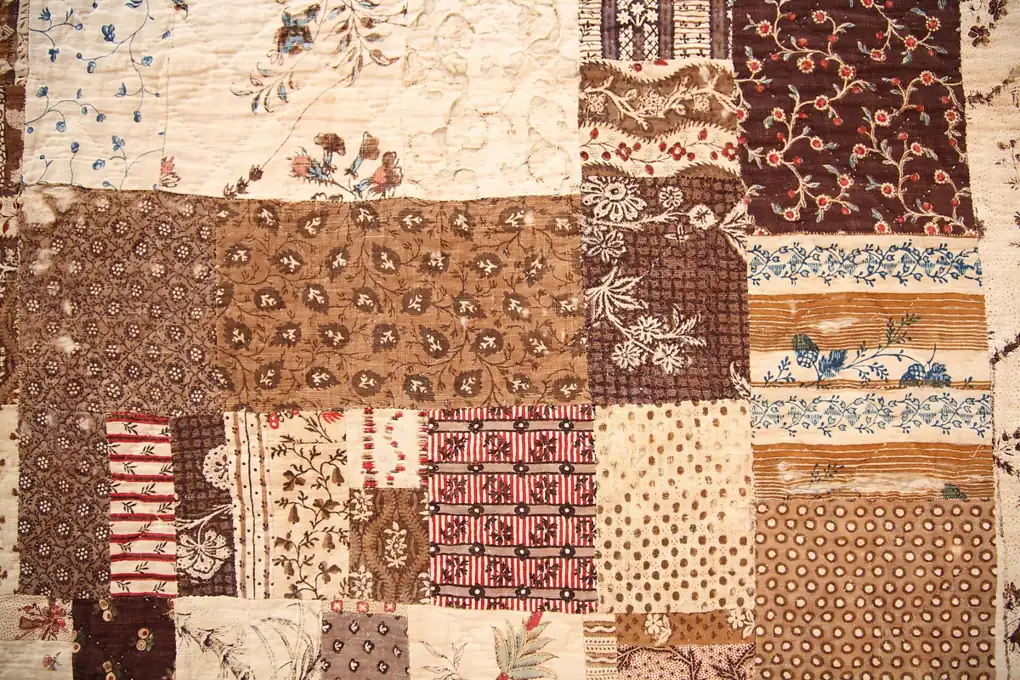
McDonough County was founded on January 25, 1826, with Macomb designated as its county seat. The land that became the county covered 590 square miles of prairie and timber, and the people who settled it came to farm. In communities like that, gatherings were practical before they were festive — a chance to compare stock, swap seed and settle the business that scattered farmsteads could not handle alone.
Out of those habits grew the county fair as Illinois knows it. Agricultural societies organized exhibitions to improve livestock and crops, and the annual fair became the place where a season’s work was measured against a neighbor’s. Premiums, ribbons and bragging rights mattered. So did the simple fact of everyone being in one place at one time, which in a sprawling rural county was never a small thing.
Through the twentieth century the fair added what crowds wanted: a midway, grandstand programs, and entertainment that changed with the decades. What never moved was the center of gravity. Livestock, youth projects and home exhibits remained the reason the fair existed, and they still anchor the schedule today, more than a century and a half after the county itself was carved out of the prairie.
Inside the Fairgrounds: Livestock, Rides and Grandstand Nights
Fair week runs on a rhythm that repeats each day, with mornings given to animals and judging and evenings given to crowds. Knowing that pattern makes it much easier to plan when you want to arrive.
Fair Food and the Midway
The midway is where the fair gets loud. Carnival rides spin against the sky, game booths call out to passersby, and the food stands do steady business from mid-afternoon until the lights go off. Expect the classics — corn dogs, funnel cakes, elephant ears, lemonade shake-ups, pork chops and fries — alongside whatever local vendors bring. Portions are generous, prices are set per item, and cash still moves faster than anything else at some stands.
Grandstand Nights and Homegrown Music
Evenings belong to the grandstand. Programs vary from year to year and often blend local and regional acts with the kind of entertainment that has always filled county fair seats — tribute bands, country and rock cover groups, talent showcases and motorsport-style events. Seating is typically open, so arriving early gets you a better view. Many families simply spread a blanket on the grass nearby and listen from there.
Family Activities, Youth Exhibits and Livestock Shows
This is an easy fair to bring children to. Youth exhibits show off everything from livestock projects to baked goods, and walking the barns is free entertainment in itself — most exhibitors are happy to talk about their animals. Between the rides, the games, the show rings and the exhibit halls, a family can fill an afternoon without spending much beyond ride tickets and snacks.
Planning a Fair Weekend Around Macomb
A little preparation goes a long way at a county fair. Here is what to sort out before you go.
Getting to Macomb and the Fairgrounds
Macomb sits in west-central Illinois and is the practical arrival point for anyone coming from out of town. Most visitors drive in, following the routes that funnel toward the county seat and then on to the fairgrounds. Confirm the grounds’ location and any directional signage before you set out, since fair traffic patterns can change from year to year. Give yourself extra time on the busiest evenings.
Where to Stay in and Around Macomb
Macomb has the largest concentration of lodging in the county, which makes it the obvious base for fair week. Book early — fair weekends overlap with other summer travel and rooms tighten up. If Macomb is full, look at neighboring county seats within an easy drive; a half-hour on rural highways is a small price for a comfortable bed during a busy fair weekend.
Parking at the Fairgrounds
Fairgrounds parking is usually on grass or gravel and fills quickly after late afternoon. Arrive before the evening rush if you want a short walk to the gate. Carpooling with family or neighbors is standard practice here and cuts down on congestion considerably. Wear shoes you don’t mind getting dusty, and keep a mental note of your row — fairground lots all start to look alike after dark.
Admission, Ride Tickets and Daily Costs
County fair admission in this part of Illinois is generally free or very modest, with the real spending happening at ride ticket booths, food stands and game trailers. Budget per person rather than per family, and decide in advance how many ride wristbands or ticket sheets you’re buying. Grandstand programs may be free with admission or ticketed separately, so check the schedule for the year you’re visiting.
Summer Weather in West-Central Illinois
Fair week falls in the hottest, most humid stretch of the Illinois year. Days can climb into the upper 80s and 90s, and afternoon thunderstorms roll through without much warning. Plan heavy walking for morning or evening, drink more water than you think you need, and keep a light rain jacket handy. Sunscreen and a hat are not optional at a fairgrounds with limited shade.
A Sample McDonough County Fair Weekend
Friday afternoon and evening. Arrive in Macomb with time to check in and change. Head to the fairgrounds in the late afternoon, when the heat breaks and the barns are busy before the evening program. Eat dinner from the food stands, walk the midway once to get your bearings, and finish the night at the grandstand.
Saturday. Come early — this is the best window for livestock judging and youth exhibits, when the barns are active and exhibitors are around to answer questions. Spend the afternoon in the exhibit halls and on the rides, then take a break before the evening rush. Saturday night is the fair at full volume, so stake out grandstand seats early.
Sunday. Mornings are quieter and easier for families with small children. Do a final pass through the barns, pick up anything you missed on the midway, and grab one last round of fair food before heading home. Many visitors use the afternoon to drive the county roads around Macomb before leaving.
How the McDonough County Fair Compares With Nearby Fairs
McDonough County sits in a cluster of rural counties that each stage their own fair, and the differences are mostly about scale rather than character. The Warren County Fair over in Monmouth, the Knox County Fair near Galesburg, and the Hancock County Fair in Carthage all follow the same agricultural blueprint — livestock, exhibits, a midway, grandstand nights.
What sets the McDonough County Fair apart is Macomb. As the county seat, it gives the fair a bigger, steadier local audience than fairs in more thinly populated counties, and it means lodging, restaurants and services are right there rather than a drive away. If you’re touring fairs across west-central Illinois in a single summer, this one makes an easy anchor for a weekend.
Fair Week Checklist for McDonough County Visitors
Before you leave for Macomb, pack a hat, sunscreen, refillable water bottles and comfortable closed-toe shoes. Bring cash in small bills for food stands and games, plus a card as backup. Charge your phone and consider a portable battery. If you have young children, agree on a meeting point near the main gate in case you get separated. Check the current year’s fair schedule for judging times, grandstand programs and any admission details, and confirm the fairgrounds location before you drive out.
Beyond the Fair: Macomb and the McDonough County Countryside
Fair week is a good excuse to see more of the county than the midway. Macomb, as the county seat, is where the civic life of McDonough County concentrates — a natural place to spend a morning before the fairgrounds open. The town also makes a comfortable base for exploring in every direction.
Beyond Macomb, the county opens into 590 square miles of farmland, small communities and long straight roads. A slow drive on a summer evening, with corn standing high on both sides and the sky going orange, is its own kind of attraction. It is the landscape the fair was built to celebrate, and seeing it makes the exhibits in the barns mean more.
What the Fair Means to McDonough County
In a county this rural, the fair is one of the few events that genuinely gathers everyone. It connects generations — the same families who showed livestock decades ago now watch their grandchildren do it — and it keeps a set of practical skills visible in a culture that increasingly ignores them.
It also matters economically and socially for Macomb and the surrounding townships. Fair week brings people into the county seat, supports local vendors and gives volunteer organizations their biggest fundraiser of the year. More than that, it is continuity: a county founded on January 25, 1826, still setting aside a summer weekend to show what it grows and makes.
Where the McDonough County Fair Sits
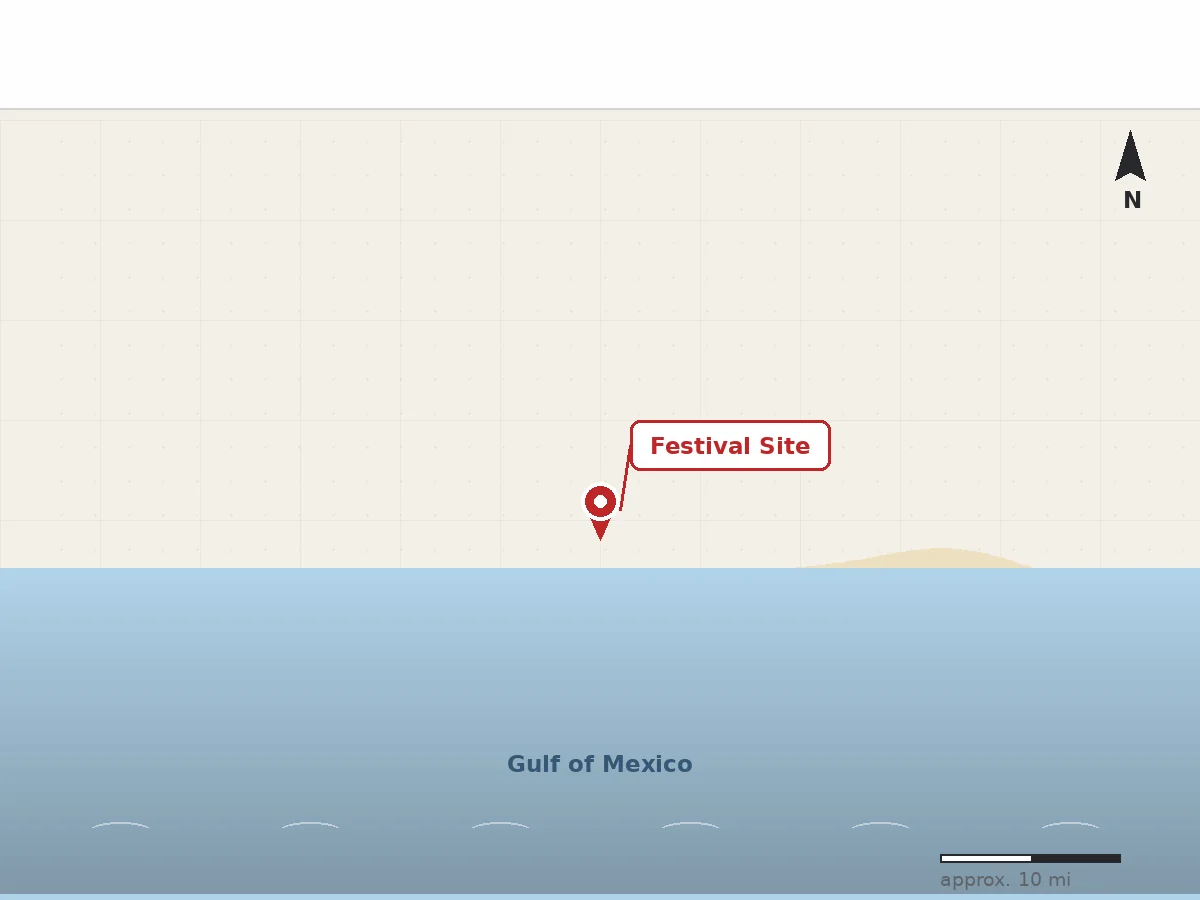
The McDonough County Fair takes place on the fairgrounds serving Macomb, the county seat of McDonough County, in west-central Illinois.
McDonough County Fair Questions, Answered
When is the McDonough County Fair usually held?
Like most Illinois county fairs, it is held on a summer weekend, most often in the July–August window. Exact dates shift from year to year, so check the current season’s schedule before booking travel or lodging in Macomb.
Is there an admission fee to get in?
Admission is generally free or very low-cost, with the bulk of spending happening at ride ticket booths, food stands and games. Some grandstand programs may be ticketed separately, so it is worth confirming the details for the year you plan to attend.
Is the fair a good outing for young children?
Yes. Mornings are calmest, the barns are full of animals to look at, and there is plenty of open space to move around. Bring water, sunscreen and a stroller if you need one, and set a meeting point near the gate before you start exploring.
What should I bring to the fairgrounds?
Comfortable shoes, a hat, sunscreen, refillable water bottles and some cash in small bills. A light rain jacket is wise given how quickly summer storms move across west-central Illinois. If you plan to stay into the evening, a folding chair or blanket makes grandstand time more comfortable.
The Next Chapter for the McDonough County Fair
The fair’s future looks a lot like its past, with a few adjustments. Volunteer-run county fairs everywhere are working harder to attract younger families and to keep the midway and grandstand lineup fresh, while protecting the livestock shows and youth exhibits that define them. In McDonough County, that balance is helped by Macomb’s role as a steady population center in an otherwise rural landscape. As long as farm families keep entering projects and neighbors keep showing up in August, the fair will keep its place on the county calendar.
Last updated: October 2026
For anyone who grew up in or around McDonough County, fair week is less an event than a marker of the season — the point where summer peaks and the county shows itself off. Come for the rides and the food, stay for the show rings and the grandstand, and you’ll understand why a county founded in 1826 still clears a weekend every summer to do this all over again.


One Comment