Marion County Illinois Southern Illinois Antique Power Days Festival
For a few days each year, the Marion County area of southern Illinois turns into a working museum of old iron. Southern Illinois Antique Power Days brings out tractors that predate most of their owners, stationary engines that pop and chug, and demonstrations showing how fieldwork happened before hydraulics and satellite guidance.
This is a festival built on participation rather than spectacle. Owners trailer in their machines, start them up, and gladly explain what a magneto does to anyone who asks. If you are planning a first visit, the notes below cover timing, costs, food, parking, and the small details that make a day at the showgrounds go smoothly.
Marion County Antique Power Days Essentials
| Town / area | Marion County area, southern Illinois |
| County | Marion County, Illinois |
| County seat | Salem |
| Population | Rural communities across the county; Salem is the largest population center |
| Region | South-central Illinois, along the Interstate 57 corridor |
| Typical timing | A weekend during the warmer half of the year; dates shift annually |
| Admission | Typically free, with vendors, raffles, and donations supporting the show |
| Setting | Open showgrounds with grassy display rows, trailer parking, and limited shade |
| Features | Vintage tractors, stationary and hit-and-miss engines, working demonstrations, food and flea market vendors |
| Organizer | Volunteer-led by local antique power enthusiasts and community groups |
What the Southern Illinois Antique Power Days Festival Actually Is
Antique Power Days is a gathering of people who love machines that were built to work. Nothing here sits behind glass. The show is a field full of equipment that still runs, arranged by the families and collectors who hauled it in themselves. Expect long rows of tractors in every color and condition — rusted survivors next to frame-off restorations — plus stationary engines on skids and trailers, and the occasional piece of steam-era iron.
The festival belongs to the Marion County area, a stretch of south-central Illinois where the farm calendar still sets the rhythm of the year. Salem, the county seat, is the anchor town for visitors who need fuel, groceries, or a motel bed. Marion County covers 576 square miles and was founded in 1823, which means the ground under the show has been worked for a very long time.
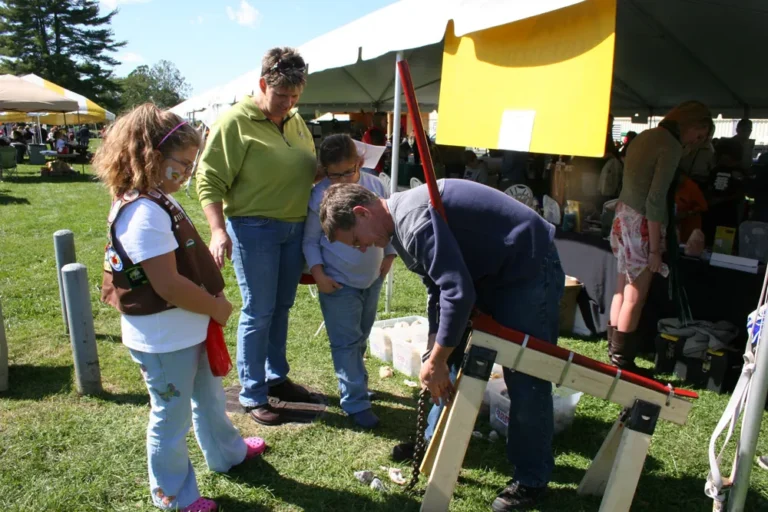
What separates the weekend from a static car show is access. Owners start engines on request, walk strangers through restoration projects, and let children get close enough to feel the ground shake.
For another look at how a community turns its own traditions into a gathering, see the Marion County Illinois Salem AppleFest Festival for a useful comparison.
Because the schedule shifts from year to year, think of the event as a season rather than a fixed date. In most years it falls on a weekend during the warmer half of the year, with dates circulating through local listings once organizers confirm them. Admission is typically free, with the show supported by vendors, donations, and raffles.
Steam, Steel, and Marion County: How the Show Grew
The story of Antique Power Days is really two stories braided together: the agricultural history of Marion County and the nationwide hobby of rescuing machines from it. When the county was founded in 1823, horsepower meant actual horses. Steam traction engines arrived later in the nineteenth century, and gasoline tractors began replacing both in the early twentieth, pushing older equipment toward fencerows, barn corners, and scrap drives.
By the mid-twentieth century, a counter-movement had started. Farmers and mechanics began buying back the tractors they had once been glad to retire, fixing them in sheds and showing them to neighbors. Informal gatherings became organized shows, and southern Illinois proved fertile ground because so many machines had stayed close to home.
Antique Power Days grew in that soil. It began less with a ribbon cutting than with a handful of collectors who wanted somewhere to run their engines and compare notes. Over the years the event added vendor rows, food stands, working demonstrations, and space for families who come as much for the fairground atmosphere as for the machinery.
On the Grounds in the Marion County Area
A day at the show follows a loose rhythm: mornings for browsing and talking, midday for demonstrations and food lines, afternoons for the loud, crowd-pleasing moments.
Food and Concessions at the Show
Fairground food is part of the draw. Expect the southern Illinois standard lineup — pork burgers, bratwurst, corn dogs, fries, funnel cakes, and lemonade shake-ups — plus church-group stands and local vendors selling pie, kettle corn, and coffee. Prices are typically fairground-normal, so bring cash for smaller stands. If you have dietary restrictions, eat before you arrive or pack a cooler.
Engines, Music, and Entertainment
The soundtrack of the weekend is mechanical. Stationary engines pop and lope, tractors idle through parades, and demonstrators run equipment most visitors have only seen in photographs. Live music is usually part of the schedule too, often local country, bluegrass, or classic rock acts on a simple stage. Between sets come tractor parades, slow races, and low-key competitions that reward throttle control as much as horsepower.
Family-Friendly Activities on the Grounds
This is an easy festival to bring children to, provided they can handle noise and dust. Kids gravitate toward the running engines, the parade, and any demonstration involving belts and pulleys. Shows of this kind often add pedal tractor pulls, craft tables, and shaded seating so grandparents can rest while parents walk the rows. Wagons and strollers work on dry grass, though a rugged stroller beats a lightweight one.
Planning Your Trip to Southern Illinois Antique Power Days
Getting to the Marion County Area
Almost everyone arrives by car. Salem sits along the Interstate 57 corridor, which makes the drive straightforward from the St. Louis direction to the west and from Champaign and points north. US-50 and a grid of county roads handle the final approach, usually marked with temporary signs on show weekends. Fill your tank before you leave the highway; rural gas stops thin out quickly.
Where to Stay Near Salem
Salem has the largest cluster of motels in the immediate area, with more options in nearby Centralia and Mount Vernon. Because the show draws from across the region, rooms in the closest towns can fill on show weekends, so booking a few weeks ahead is wise. Campers and RV owners often use area campgrounds; confirm space ahead rather than assuming it.
Parking at the Showgrounds
Parking is usually on grass, directed by volunteers, and included with admission. Arrive before mid-morning for the shortest walk and the firmest ground if it has rained recently. Carpooling helps on busy days, and it pays to note a landmark near your spot — rows of similar vehicles on an open field can be disorienting after a few hours among the tractors.
Admission and What Things Cost
Admission is typically free, which is part of the appeal for families. Your money goes instead to food, vendor booths, raffle tickets, and the occasional parts find. Bring cash, since small stands and flea market sellers may not take cards, and keep small bills handy in case a donation jar is set out at the gate.
Weather and What to Wear
Southern Illinois summers run hot and humid, and showgrounds are open and largely unshaded, so hats, sunscreen, and a refillable water bottle matter. Dust is part of the deal, and closed-toe shoes beat sandals around equipment and gravel. Spring and autumn weekends start cool and warm quickly, so layers help. If thunderstorms are forecast, plan to shelter in your vehicle; demonstrations pause in lightning.
A Sample Weekend Around the Showgrounds
A two-day visit lets you see the show without rushing and leaves time for the surrounding county, whether you stay in Salem or drive in from a neighboring town.
Saturday: Arrive near opening, when engines are cold and crowds are thin. Walk the tractor rows first, then the stationary engine displays while the morning is still comfortable. Break for lunch at the food stands around midday, catch the afternoon parade or demonstration, and spend the last hour in the vendor area. Finish with dinner in Salem.
Sunday: Return for the quieter morning hours and revisit anything you skipped. This is the best time to talk with owners, since the pace slows and questions get more technical. Watch one final demonstration, buy whatever you have been eyeing, and head out by mid-afternoon, taking a slow county-road drive on the way home.
Comparing Antique Power Days With Other Southern Illinois Stops
Antique Power Days occupies a specific niche in the regional calendar. The Du Quoin State Fair, in neighboring Perry County, is a much larger event with grandstand entertainment, carnival rides, and a broader agricultural program. Antique Power Days is smaller, cheaper, and entirely focused on machinery and the people who keep it running.
Centralia, a short drive south, offers a bigger-town version of the same small-city charm, with its own calendar of community events and a historic downtown. Mount Vernon, north along the interstate, is a convenient base with more lodging and dining. Salem pairs best with the festival itself: compact, close to the grounds, and the county seat.
A First-Timer’s Checklist for Antique Power Days
| Cash in small bills | Food stands, flea market sellers, and donation jars |
| Closed-toe shoes | Grass, gravel, and hot metal |
| Hat, sunscreen, water bottle | Open showgrounds with little shade |
| Hearing protection for kids | Running engines are genuinely loud |
| Charged camera or phone | Restored paint and moving machinery photograph well |
| Folding chair | Shade seating disappears fast at midday |
| Light layers | Morning and afternoon temperatures swing |
| Group meeting point | Phone service can be spotty in crowds |
Beyond the Showgrounds: Salem and Marion County
The festival is a good excuse to see more of Marion County, a 576-square-mile patchwork of corn, soybeans, pasture, and small towns. Salem, the county seat, has a walkable downtown core, local restaurants, and the kind of courthouse-square feel that rewards a slow hour. Antique shops and farm supply stores in the area see extra traffic during show weekends.
Outside town, the county’s back roads are the real attraction: barns, fencerows, and fields that explain why anyone collects this equipment in the first place. Neighboring communities across south-central Illinois add their own small museums, diners, and weekend events. If you are traveling with someone who does not care about tractors, build the trip around this part.
Why the Show Matters to Marion County
Festivals like this one do quiet work. They give retired farmers a reason to trade stories, pass skills to a younger generation, and turn a field into a temporary town for a weekend. Local vendors, churches, and service clubs use the event as a fundraiser and a gathering point, and the money spent at food stands and booths circulates close to home.
There is a preservation argument, too. Every tractor restored instead of scrapped keeps a piece of agricultural history intact, and every demonstration teaches visitors something a photograph cannot. For a county founded in 1823 and shaped by generations of farm work, that continuity matters.
Where the Festival Sits in the Marion County Area
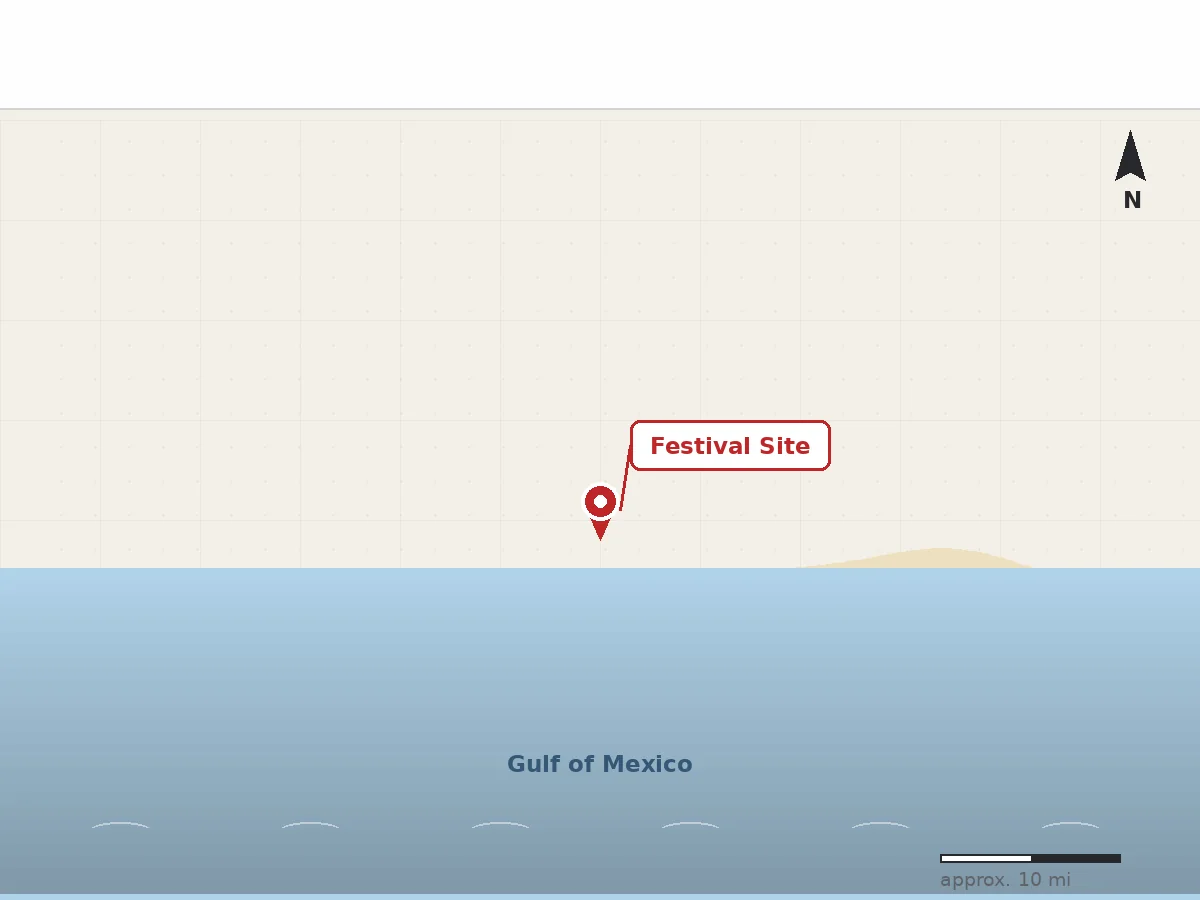
The Southern Illinois Antique Power Days grounds lie in the Marion County area of south-central Illinois, with Salem — the county seat — serving as the nearest full-service town for fuel, food, and lodging.
Practical Answers for Antique Power Days Visitors
Is admission really free?
Admission is typically free, which is common for shows of this kind. Organizers cover costs through vendor fees, food sales, raffles, and donations, so dropping something in a donation jar at the gate is a welcome gesture. Once inside, you will spend money on food, drinks, and anything you buy from the flea market or craft booths.
What kinds of machines will I see?
The core of the show is vintage farm equipment: tractors from the early and mid-twentieth century, stationary and hit-and-miss engines, and working demonstrations of belt-driven machinery. Steam-era equipment and restored implements often appear as well. Because the lineup depends on who brings what, no two years look exactly alike, which is part of the fun for repeat visitors.
Is the festival good for young children?
Yes, with a few precautions. The show is outdoor, walkable, and informal, and children usually love the noise and motion. Bring hearing protection for young ears, keep a close hand near running equipment, and expect dust. Shade and seating can be scarce at midday, so plan a break. Many families treat the food stands as the reward at the end of the walk.
How do I find out which weekend it falls on?
Dates shift from year to year, so the reliable approach is to check local community calendars, county fair listings, and regional event guides as the season approaches. Watch for signage around Salem and the surrounding towns, which typically goes up in the weeks before the show. If you are planning travel, aim for the general season rather than a specific day.
Looking Ahead for Southern Illinois Antique Power Days
The future of a volunteer-run show depends on two things: people willing to haul equipment and people willing to show up and look at it. Both remain healthy in this part of Illinois, where antique tractor culture is still tied to working farms rather than pure nostalgia. Younger collectors are bringing in different machines, and social media has made it easier for shows to reach visitors who would never have found them through a newspaper listing.
Expect the format to stay familiar: a weekend of engines, food, and conversation in the Marion County area, with dates announced season by season. The best way to support it is simply to attend, ask questions, and bring someone who has never been.
Last updated: October 2026
Southern Illinois Antique Power Days is not the biggest event on the region’s calendar, and it does not try to be. It offers something narrower and harder to find: a field full of working history, a county seat ready to feed you, and a few thousand conversations about old iron. Plan for a warm, dusty, unhurried weekend, bring cash and comfortable shoes, and you will understand why so many families in Marion County circle the date every year.