Logan County Illinois Logan County Fair Festival
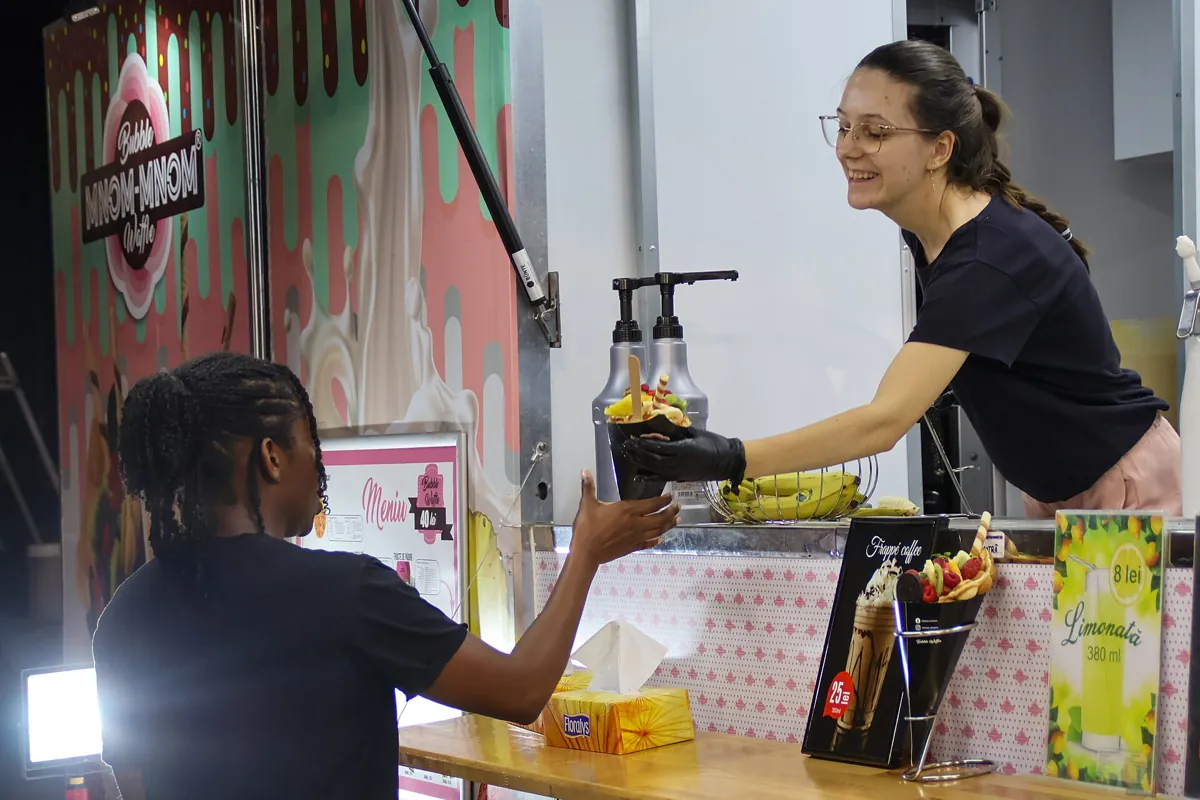
Ask people around Logan County how they know summer is ending and you rarely get a date. You get a routine. “We hit the barns first, while it’s still cool, then we eat our way down the midway,” a Lincoln resident says. Another family measures the whole season by which night they always spend in the grandstand seats. Across the county, the fair is less a single event than a set of habits repeated every year, handed down from grandparents to grandchildren in a county organized back on February 15, 1839.
The Logan County Fair belongs to Logan County, Illinois — a 619-square-mile stretch of corn, soybeans, and small towns anchored by Lincoln, the county seat. It is not a state spectacle or a tourism production. It is the kind of fair where the volunteer selling you a pork chop sandwich also judged your nephew’s hog that morning.
Logan County Fair Facts: Lincoln, Illinois, and the County Around It
| Festival | Logan County Fair |
| Place | Logan County area, Illinois |
| County | Logan County, Illinois |
| County seat | Lincoln |
| County founded | February 15, 1839 |
| County land area | 619 square miles |
| Region | Central Illinois farm country |
| Typical timing | Late summer, most years, in the weeks before the school year starts |
| Admission | Typically free to enter the grounds; some individual events may carry their own charges |
| Setting and features | Traditional fairground with exhibition halls, livestock barns, a grandstand, a midway, and volunteer-run food stands |
What the Logan County Fair Actually Is
Strip away the midway lights and the fair is a county showing itself to itself. Exhibitors bring what they have grown, baked, built, raised, and repaired. Neighbors who have not spoken since harvest stand in the same lemonade line. Teenagers in club shirts move animals between barns with the practiced boredom of people who have done it since they could walk.
Because the grounds sit in the Logan County area around Lincoln, the crowd is a cross-section of one county rather than a crowd of strangers. Farmers arrive after morning chores. Families from Lincoln and from smaller Logan County towns come in the evening. Grandparents claim the same bench they claim every single year.
“You see everybody you know in one week,” a longtime fairgoer from the county’s farm country says. “That’s the whole point.” It is also why so many residents describe the fair in terms of errands: drop off entries, check the barns, buy dinner, watch the grandstand, walk the midway, go home dusty and satisfied.
For another look at how a community turns its own traditions into a gathering, see the Logan County Illinois Lincoln Balloon Festival for a useful comparison.
From 1839 County Lines to Fair Week in Lincoln
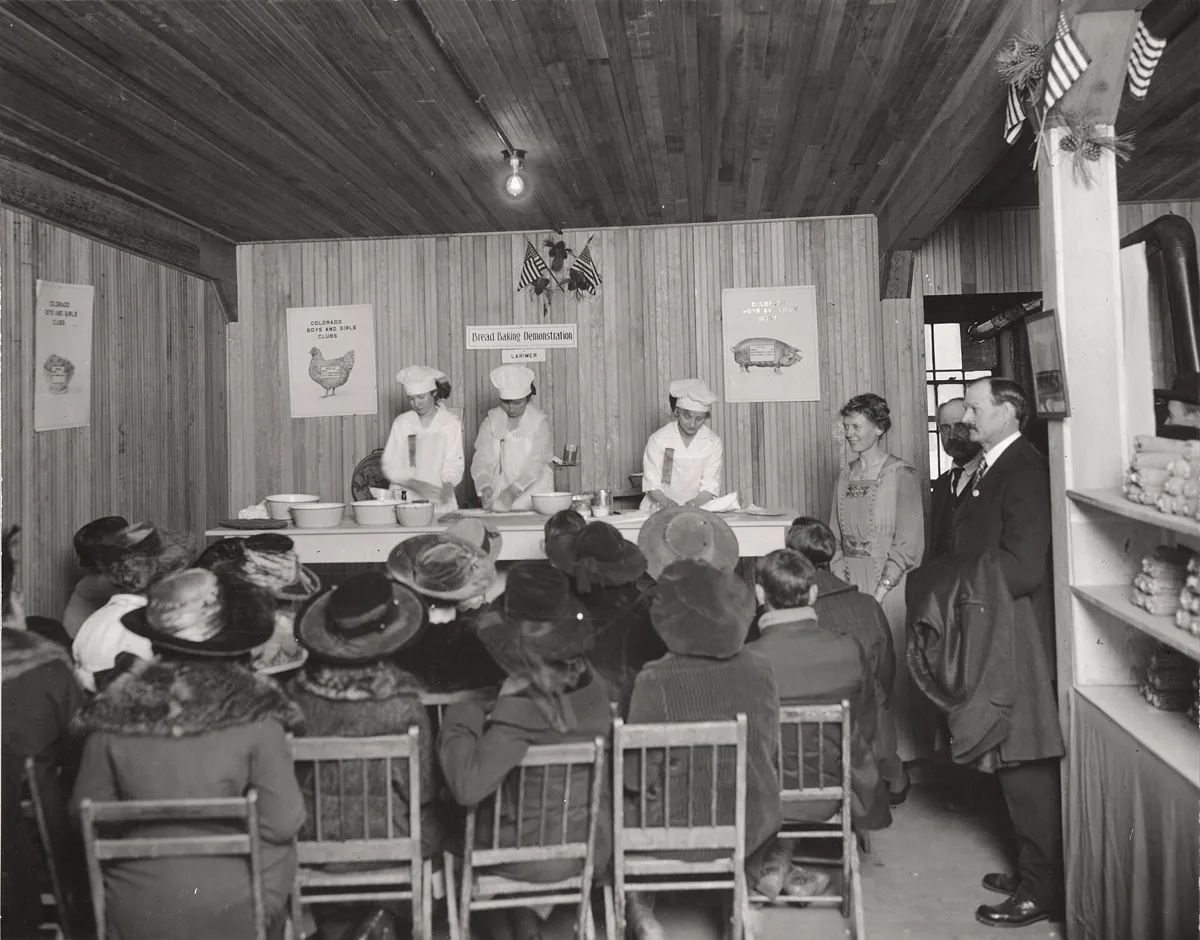
Logan County was organized on February 15, 1839, with Lincoln as its seat, and its identity has been agricultural ever since. County fairs across Illinois grew out of that same world: farmers needed a place to compare seed, stock, and machinery, and families needed a reason to gather once the crops were in good shape. Logan County’s fair grew along those lines, tied to the harvest calendar and to the rhythms of rural life.
The fair’s long arc follows the county’s. Livestock shows and household exhibits came first. Youth programs, school displays, and commercial buildings followed. Grandstand entertainment changed with the decades, from horse events to musical acts, but the format never really shifted: exhibit, judge, eat, watch, repeat. Weather and hard years interrupted the run here and there, as they did everywhere in central Illinois. The fair came back each time because the county wanted it back.
What survives today is continuity. Some Logan County families have entered the same categories for four or five generations, and the fair book still reads like a list of skills the county values: canning, woodworking, photography, cattle, rabbits, pies.
Fair Week on the Grounds: What You’ll Actually See
Most visitors arrive with a loose plan and abandon it within an hour. The grounds are compact enough to walk twice in an evening, which is exactly what many people do.
Fair food: pork chop lines, lemonade, and church stands
Food is the fair’s true organizing principle. Pork chop sandwiches, corn dogs, tenderloins, funnel cakes, and lemonade shake-ups dominate, and the lines tell you which stand has the loyal following. Volunteer groups from around Logan County run many of the booths, so the person handing you a paper tray is often a neighbor raising money for a hall, a team, or a church kitchen. Locals tend to eat early, before the evening crowd thickens, and then graze again after the grandstand lets out.
Grandstand nights, local talent, and the midway soundtrack
Evenings belong to the grandstand, where the lineup typically mixes motor sports, livestock auctions or shows, and live music, with local and regional acts filling out the schedule. Around it, the midway hums with ride music and the crack of game operators calling out to passersby. Teenagers circle the same loop of rides and friends for hours, which is its own Logan County tradition.
Family activities from the rabbit barn to the kids’ games
Families with young children usually start in the animal barns, where rabbits, poultry, goats, and calves are close enough to touch and the exhibitors are happy to answer questions. Beyond that, there are typically kids’ contests, craft and agricultural displays in the exhibition halls, and quiet corners with benches where parents can regroup. Strollers work fine on the main paths, though the barn aisles get tight when judging begins.
Planning a Trip to the Logan County Fair
Getting to Lincoln and the fairgrounds
Lincoln sits in the middle of Logan County, reachable from several directions on the state and federal highways that cross central Illinois. Most visitors drive in from surrounding towns, and the trip is short from anywhere in the county. If you are coming from out of the area, plan your route around the larger roads and expect slower traffic near the grounds in the evening.
Where to stay in and around Logan County
Lodging in the immediate area is limited, so fairgoers typically either stay with family, book a room in Lincoln well in advance, or base themselves in a larger nearby city and drive in for the evening. Camping and RV options exist around the region, and many rural families simply treat the fair as a series of day trips.
Parking on fair week
Parking fills early on the busiest nights. Arriving before the dinner rush gets you closer and saves a long walk in the heat. Follow the directions of the volunteers directing traffic; they know which lots empty fastest, and they have been doing this for years.
What a day at the fair costs
Entry to the grounds is typically free, which is a big part of why local families come back multiple nights. Money goes toward food, rides, games, and whatever the grandstand is offering that evening. Budget for cash, since small stands sometimes prefer it, and set a limit for kids before you walk past the midway.
Central Illinois weather: heat, storms, and dust
Late summer in Logan County means heat, humidity, and the occasional fast-moving storm. Afternoon is the hottest stretch, so many residents come early or wait until the sun drops. Bring water, wear a hat, and keep an eye on the sky. Barns and exhibit halls offer shade when you need a break, and the dust is part of the experience.
One Fair Weekend in Logan County, Hour by Hour
Mid-morning: park, walk the livestock barns while they are still cool, and watch a judging class. Late morning: browse the exhibition halls for photography, canned goods, and crafts, and find your family’s entries.
Early afternoon: eat lunch from a volunteer stand, then find shade and a bench. This is the slowest, hottest part of the day, and locals use it for visiting rather than walking.
Late afternoon: check the schedule for kids’ activities, catch a demonstration, and let younger children burn energy before dinner. Early evening: eat again, because that is what fair week is for.
After dark: head to the grandstand for the night’s event, then finish with one loop of the midway before the lights go down. Drive home with the windows open and the dust still on your shoes.
How Logan County’s Fair Stacks Up Against Nearby Fairs
The Illinois State Fair in Springfield, a short drive away, is a different animal entirely: statewide, sprawling, and built for visitors from everywhere. Logan County’s fair is the opposite — walkable in an evening, free to enter, and shaped by people who live within a few miles of the grounds.
County fairs in neighboring McLean and Macon counties offer a useful middle ground, with bigger midways and more commercial draw. Logan County’s version leans harder toward livestock, youth exhibits, and volunteer food stands. For anyone touring central Illinois in late summer, the Logan County Fair is the version that feels most like a small town talking to itself.
Logan County Fair Checklist: Small Things That Save a Day
Bring cash, a refillable water bottle, sunscreen, and a hat. Wear closed-toe shoes you do not mind getting dusty — barn aisles and gravel paths punish sandals. Pack a light layer for after sunset and a poncho if storms are in the forecast.
Charge your phone before you leave, but expect spotty signal in crowded areas. If you have kids, agree on a meeting point near a landmark stand before you split up. Photograph the schedule board early so you are not guessing about start times later.
Finally, bring patience for parking and a willingness to talk to strangers. At a county fair this size, you will probably run into someone you know.
Beyond the Fairgrounds: Lincoln, Route 66, and the County’s Small Towns
Fair week is a good excuse to spend a little more time in Logan County. Lincoln itself carries a deep Abraham Lincoln connection, with historic courthouse and downtown markers tied to his law practice on the old Eighth Circuit, plus a stretch of Route 66 running through town.
Beyond Lincoln, the county opens into farmland and small communities such as Mount Pulaski, Atlanta, and Elkhart, each with its own main street and local history. Atlanta sits on Route 66 and draws road-trippers for its roadside attractions. Drive any county road in late summer and you will understand why the fair is built around agriculture: this is some of the most productive ground in central Illinois.
Fair Week as Logan County’s Unofficial Family Reunion
For a county of this size, the fair does work that no single building can do. It puts farmers, shop owners, teachers, students, and retirees in the same place at the same time, with no agenda beyond eating and looking at things together. It gives young exhibitors a stage and older residents a reason to walk the grounds one more year.
It also keeps skills visible. When a child watches a neighbor’s pie get a ribbon, or a grandparent explains what makes a good market steer, knowledge moves between generations without anyone calling it education. That is the quiet significance of the Logan County Fair: it is a county’s memory, restaged every summer.
Locating the Fairgrounds from Lincoln
The Logan County Fairgrounds sit within the Logan County area near Lincoln, the county seat, easy to reach from the highways that cross central Illinois.
First-Timer Questions About the Logan County Fair
Is the Logan County Fair free to attend?
Entry to the fairgrounds is typically free, which is why so many local families come several nights in a row. Individual activities — rides, games, food, and some grandstand events — cost money, so bring cash and decide in advance what you are willing to spend.
When is the best time to arrive?
Early evening is the sweet spot. The heat has eased, the barns are still open, the food stands are running at full speed, and the grandstand is about to start. Arrive earlier if you want easy parking or want to watch judging in the livestock barns.
What should first-timers bring?
Comfortable shoes, water, sunscreen, a hat, and a little cash. A small bag helps for holding raffle tickets and treats. If you plan to stay past dark, add a light jacket — central Illinois evenings cool off faster than people expect.
Is there anything for people who do not farm?
Plenty. The exhibition halls, food stands, midway, grandstand shows, and general people-watching keep most visitors busy for hours. The fair is a social event first and an agricultural one second, and nobody checks your credentials at the gate.
What Comes Next for the Logan County Fair
The fair’s future looks much like its past: volunteer-run, agriculture-centered, and dependent on local families continuing to enter exhibits and show up on warm evenings. Keeping younger volunteers involved is the perennial challenge for fairs of this size, and it is the thing most likely to shape the next decade.
What will not change is the reason people come. A county this size needs a week when everyone is in the same place, and the Logan County Fair still delivers that better than anything else on the calendar.
Last updated: October 2026
If you go, go hungry, go early enough to find a parking spot, and plan to run into at least three people you know. That is not a flaw in the Logan County Fair — it is the feature that has kept it going, summer after summer, in the middle of Illinois farm country.
One Comment