Kankakee County Illinois Rhubarb Festival
Kankakee, Illinois, is the county seat of Kankakee County, a 681-square-mile sweep of prairie, river bottom, and small towns in the northeastern part of the state that has held together as one county since February 11, 1853. The city grew where the Kankakee River bends, and the townships around it built their rhythms on planting, harvest, and the kitchen garden. Rhubarb was always part of that garden — a stubborn perennial that returns every year, costs almost nothing to keep, and gives a farm cook something to work with before the strawberries arrive.
The Kankakee County Rhubarb Festival is that kitchen-garden habit turned into a public spring gathering. It is held in the Kankakee County area each spring, timed to the rhubarb harvest, and it keeps the scale of a county fair’s friendlier cousin: vendor tents, pie by the slice, local musicians, and a great deal of conversation. Admission is typically free. What follows is where the tradition came from, what a visit feels like, and how to build a weekend around it.
Kankakee County Rhubarb Festival: Key Details
| Festival | Kankakee County Illinois Rhubarb Festival |
| Area | Kankakee County, Illinois, centered on the Kankakee area |
| County seat | Kankakee |
| County founded | February 11, 1853 |
| County land area | 681 square miles |
| Region | Northeastern Illinois, Kankakee River valley |
| Typical timing | Spring, in most years during May or early June, timed to the rhubarb harvest |
| Admission | Typically free; food, crafts, and raffle items are sold |
| Features | Rhubarb pies, crisps, jams and preserves, vendor stalls, live music, family activities |
| Organizer | Community-run, with local vendors and growers taking part |
Where Rhubarb Meets the Kankakee River Valley
Ask anyone who has cooked with rhubarb and you will hear the same warning: it is sour enough to make you squint, and that is exactly why it works. At the festival, that sourness becomes pies, crisps, jams, sauces, and drinks, usually balanced with sugar and a good crust. The event is built around what local growers bring in — thick red and green stalks, bundled and stacked on folding tables, sold by people who cut them that morning.
Because this is a spring event, it lands in a narrow window. Rhubarb is ready before most other local produce, so the festival is often the first real outdoor gathering of the year for the county’s towns. Cool mornings, warm afternoons, muddy fields, and the season’s first cookouts set the mood. Visitors come from Kankakee itself, from the smaller towns across the county, and from Chicago-area families looking for a short drive into farm country.

How Rhubarb Became a Kankakee County Tradition
Kankakee County was organized on February 11, 1853, with Kankakee named the county seat, and the decades that followed filled its 681 square miles with farms, rail towns, and market gardens. Settlers brought rhubarb with them — not as a novelty but as a staple. The plant tolerates cold winters, returns year after year, and produces before almost anything else in the garden, which made it valuable in a place where a late frost could wipe out an orchard crop.
For another look at how a community turns its own traditions into a gathering, see the Kankakee County Illinois Estival Festival for a useful comparison.
For generations, rhubarb was known around the Midwest as pie plant, and it appeared wherever rural life gathered: church suppers, school fundraisers, county fair entries, and roadside stands. A farm family with a healthy patch had something to contribute to every potluck of the spring. That habit never really left Kankakee County — it simply found a bigger table.
The modern festival continues that story, organized by community volunteers with local vendors and growers taking part. Rather than inventing a tradition from scratch, it puts a date on something the county already did: harvest the first rhubarb, cook it, and share it. That is why the event feels local rather than staged — the recipes on the tables are usually family recipes, and the people selling them usually live a few miles away.
On the Ground at the Kankakee County Rhubarb Festival
A visit is a few unhurried hours of small-town spring. Come with an appetite and some cash, plan to walk, and expect to run into someone you know if you live anywhere in the county.
Rhubarb on the Plate: Pies, Crisps, and Preserves
Food is the reason most people come. Expect pie by the slice — strawberry-rhubarb, classic rhubarb, and crumble-topped versions — along with crisps, coffee cakes, muffins, and jars of jam and preserves to take home. Savory uses show up too: rhubarb chutney, barbecue-style sauce, and pickled stalks appear at some stalls. Vendors often sell whole pies early and slices all day, so shop first and eat later if you want one for the table.
Music and Entertainment Between the Vendor Tents
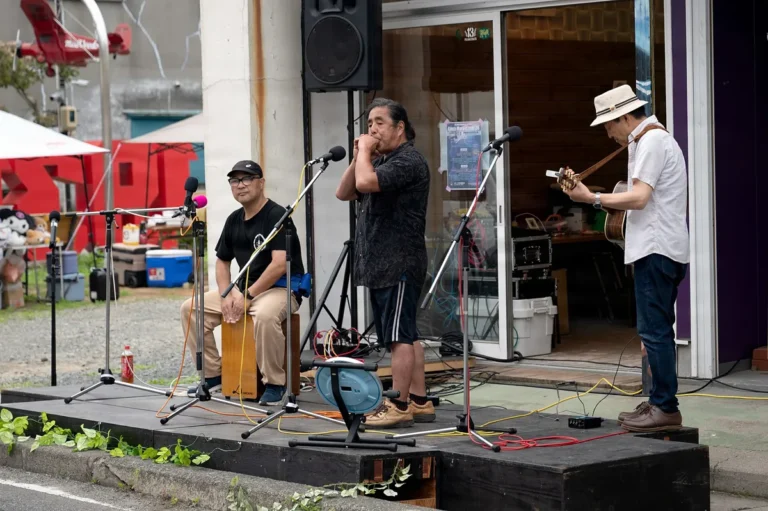
Live entertainment typically runs through the day on a small stage or in an open area, with local and regional acts — acoustic duos, country and bluegrass groups, school ensembles, and the occasional cover band. Between sets there is usually a baking competition to watch, raffle drawings, and cooks willing to talk you through a crust. Schedules tend to stay loose, so ask a volunteer for the day’s lineup when you arrive.
Family Activities for Every Generation
The festival is genuinely family-friendly. Children’s activities often include crafts, face painting, seed-planting tables, and games, and a pie-eating contest is a common crowd-pleaser. Grandparents tend to claim the shaded seating near the food tents, which makes the grounds easy to navigate with a stroller or a walker. Leashed dogs are usually welcome outdoors, though it is worth checking with organizers before bringing one into a crowded food area.
Planning a Spring Trip to Kankakee County for the Festival
Spring in northeastern Illinois is unpredictable and the festival is outdoors, so a little preparation keeps the day pleasant.
Getting to Kankakee and the Festival Area
Kankakee sits along Interstate 57 with US and state routes fanning out to the county’s smaller towns, so most visitors arrive by car; from the Chicago area it is a straightforward drive south. Amtrak trains on the Chicago-to-Carbondale corridor also stop in Kankakee, which makes a car-free visit possible if you arrange a ride from the station. Once you reach the festival area, everything is close enough to walk.
Where to Stay in and Near Kankakee
Hotels cluster near the interstate interchanges in the Kankakee and Bradley area, and they fill quickly on festival weekends, so book early. Smaller inns, guesthouses, and short-term rentals appear in the surrounding towns, and camping is available along the Kankakee River for visitors who prefer a tent to a lobby. Kankakee also works well as an overnight stop between Chicago and points south if you are extending the trip.
Parking Near the Festival Grounds
Expect free or low-cost street parking and public lots within a short walk of the vendor area, with volunteers often directing traffic at the busiest times. Arriving in the first hour gets you the closest space and the shortest food lines. Carpooling is the easiest way to avoid circling, and it means someone else can carry the pie you inevitably buy.
Admission, Food Prices, and What to Bring
Admission is typically free, and the money you spend goes to vendors, bakers, and community groups rather than a gate. Bring cash, since small stalls often do not take cards, plus a cooler in the car if you plan to buy pies, jams, or fresh stalks. Budget modestly for food, a raffle ticket or two, and something from a craft table, and you will leave with a full stomach and a full bag.
Spring Weather Along the Kankakee River
Weather along the Kankakee River in spring swings hard: a chilly morning can turn into a warm afternoon, and rain is always possible. Dress in layers, wear shoes you do not mind getting muddy, and pack a light rain jacket rather than an umbrella that will fight the wind. Sunscreen matters more than people expect at an outdoor spring event, and a refillable water bottle is worth carrying.
A Sample Rhubarb Weekend in and Around Kankakee
Friday: arrive in the Kankakee area in the late afternoon, check in, and take a short walk along the river or through downtown Kankakee before dinner at a local restaurant. Ask at your hotel or inn about the next morning’s start time, then turn in early — spring mornings here are cool and quiet, and you will want the first hours at the festival.
Saturday: get to the grounds early, buy a whole pie before they sell out, then graze through the food stalls and catch the first musical set. Spend the middle of the day on vendor row, watch a baking contest or raffle, and rest in the shade. In the afternoon, drive out into the county for a look at the farmland that supplies the rhubarb, or visit a riverside park.
Sunday: have breakfast in town, stop by a farm stand or market if one is running, and take the long way home through the county’s smaller towns. If you bought rhubarb, this is the morning to cook it — a simple crisp takes under an hour and travels well.
Rhubarb Season Compared with Nearby Towns and Events
Kankakee County’s rhubarb festival belongs to a broader Illinois habit of building spring events around whatever is ripening: strawberry weekends at pick-your-own farms, asparagus dinners in river towns, early-summer berry festivals elsewhere in the state. Compared with those, a rhubarb festival is smaller and more specific — one crop, one season, a short window.
Within the county, the contrast is between the festival and the towns around it. Kankakee offers the river, the county seat’s downtown, and the biggest concentration of restaurants and hotels. Neighboring Bourbonnais and Bradley, just to the north, are the practical base for lodging and errands. Momence, downstream to the east, is a river town with a slower pace and its own small-town calendar. Any of them pairs easily with a festival afternoon.
Rhubarb Festival Checklist for Kankakee County Visitors
Bring cash in small bills; wear layers and shoes that can handle mud; pack a cooler and a reusable bag for pies, jams, and stalks; charge your phone for photos and maps; check posted hours before you drive out, since spring events sometimes adjust for weather; arrive early for whole pies and close parking; watch children near food lines and parking areas; ask vendors whether preserves are shelf-stable or need refrigeration; and leave room in the day for a walk along the Kankakee River, the county’s best free attraction.
Beyond the Rhubarb: The Rest of Kankakee County
The festival is a good excuse to see more of the county than the vendor row. The Kankakee River runs through the area with parks and trails along its banks, and Kankakee River State Park, north of the city, is the region’s anchor for hiking, fishing, and paddling. Downtown Kankakee holds historic architecture, small shops, and locally owned restaurants, while the outlying towns keep their own main streets and farm stands.
Spring is also the start of the market season, so a festival weekend often lines up with plant sales, garden centers, and roadside stands selling bedding plants and early greens. With an extra half day, drive the county roads slowly — 681 square miles of fields and small towns is a lot of ground to cover, and the scenery is the point.
Volunteers, Vendors, and the Rhubarb Economy of Kankakee County
For a county organized back on February 11, 1853, the rhubarb festival is a small but meaningful piece of civic life. It gives growers a market for a crop that is hard to sell in volume, gives bakers and craft vendors a paying audience, and gives community groups a reason to work together on something visible and cheerful. Money spent at an event like this tends to stay close to home.
It also keeps a food tradition alive in a way a cookbook cannot. Handing a child a slice of rhubarb pie and explaining that it grew a few miles away is a different kind of education than reading about it. The county’s identity is agricultural at its core, and the festival makes that identity something you can taste.
Where the Kankakee County Rhubarb Festival Happens
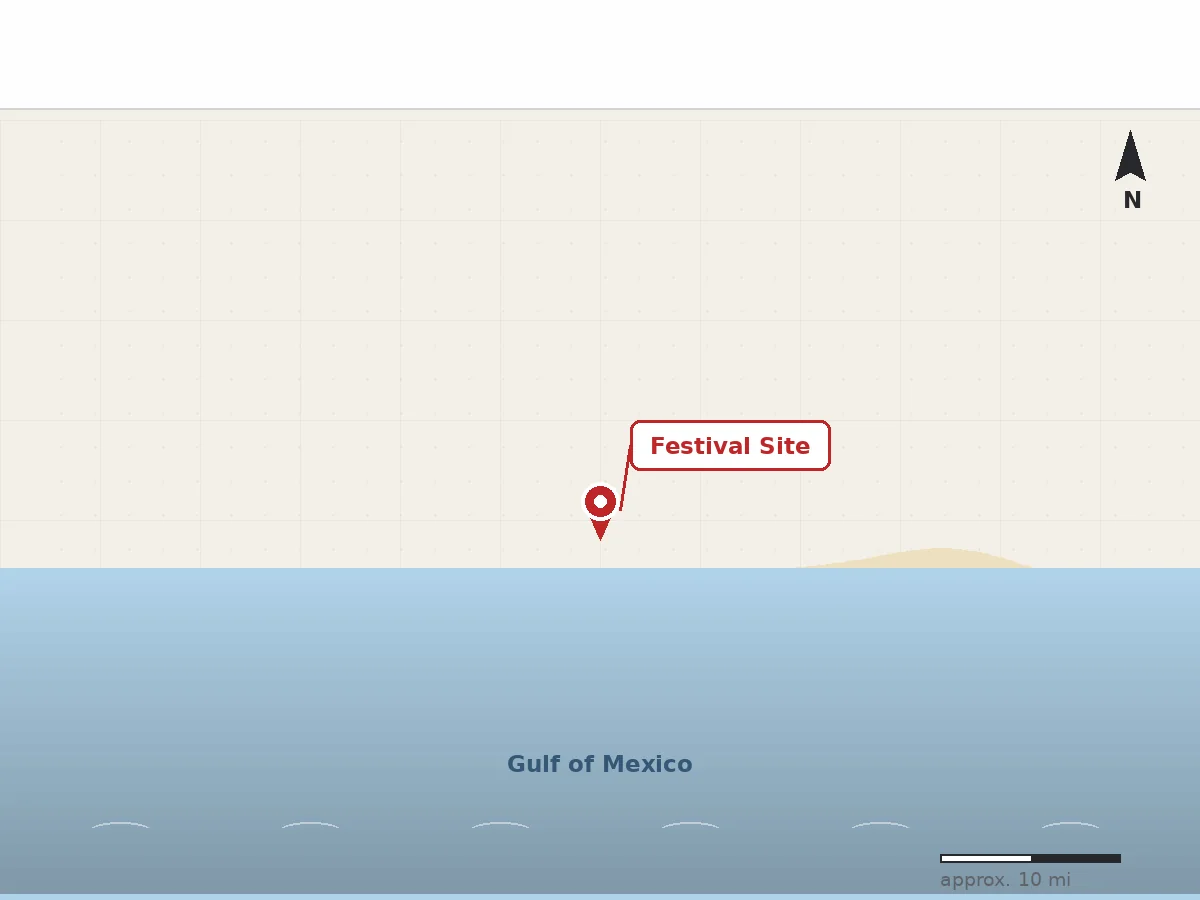
The Kankakee County Rhubarb Festival takes place in the Kankakee County area of northeastern Illinois, with Kankakee — the county seat — as the main anchor for visitors.
Rhubarb Festival Questions from Kankakee County Visitors
Is there an admission fee?
Admission is typically free, so you can walk the grounds, listen to the music, and watch the contests without buying a ticket. Costs come from what you choose to purchase: pie slices, whole pies, preserves, crafts, raffle tickets, and drinks. Bring cash, because not every vendor is set up for cards, and a modest budget goes a long way at a community event of this size.
What should I buy first?
Whole pies and jars of preserves move fastest, so if you came for those, head to the food vendors before anything else and stash your purchase in a cooler or a shaded spot. After that, work the stalls at an easy pace. Fresh rhubarb stalks are usually the best value of the day and the easiest thing to carry home — they hold up well for several days in the refrigerator.
Is it a good event for kids and older visitors?
Yes. The festival is small enough to walk in an hour or two, with family activities, food most children will eat, and plenty of seating to rest. Strollers and wheelchairs generally manage fine on flat, paved portions of the grounds, though rain can leave grass and gravel soft. Aim for the middle of the day if anyone in your group struggles with cool morning air.
What happens if it rains?
Spring rain is a real possibility in northeastern Illinois, and events like this usually go on unless conditions turn severe. Vendors often have tents, and organizers may shift programming or shorten hours in bad weather. Check the festival’s social pages or call ahead before a long drive, and keep a rain jacket in the car either way.
The Next Chapter for Rhubarb in Kankakee County
Rhubarb has an advantage most heritage crops lack: people already love it, and it grows almost anywhere with cold winters. That gives the Kankakee County Rhubarb Festival room to grow without losing its character. Expect continued interest in local food, more younger growers and bakers taking part, and a steady role for the volunteers who keep the event running.
The likeliest future is not a bigger footprint but a deeper one — more recipes, more local ingredients on the tables, and stronger ties to the county’s parks, markets, and downtowns. As long as rhubarb keeps coming up in spring, Kankakee County has a reason to gather.
Last updated: October 2026
If you go, go hungry, go early, and go with cash in your pocket. The Kankakee County Rhubarb Festival is not trying to be the biggest spring event in Illinois; it is trying to be the one that tastes most like home. In a county founded in 1853 and still farming most of its 681 square miles, that is a tradition worth keeping.
One Comment