Jackson County Illinois Big Muddy Film Festival

I have lost track of how many Big Muddy weekends I have spent in Jackson County, and that is probably the best endorsement I can give. The Jackson County Illinois Big Muddy Film Festival is not the sort of event you attend once for the photos and forget. It is the sort you mark on the calendar before the year turns, because the mix of independent features, shorts, documentaries and experimental work is genuinely unpredictable, and the crowd that shows up is genuinely curious.
The festival takes over screens around the Jackson County area for a run of days in late winter or early spring in most years, and admission is generally free. If you have never been, come once and see. If you have been before, you already know the second visit beats the first.
The Big Muddy Film Festival: Key Details for Jackson County Visitors
| Town / area | The Jackson County area, including Carbondale and Murphysboro |
| County | Jackson County, Illinois — founded January 10, 1816, and named for Andrew Jackson |
| County seat | Murphysboro |
| Population | A university city plus surrounding small towns and rural communities |
| Region | Southern Illinois |
| County land area | 602 square miles |
| Typical timing | Late winter into early spring in most years |
| Admission | Generally free; confirm current details before you travel |
| Setting | Indoor screenings in campus auditoriums and downtown venues |
| Features | Independent features, shorts, documentaries, animation and filmmaker Q&As |
| Organizer | A volunteer festival committee with local and campus support |
What the Big Muddy Film Festival Actually Is
Strip away whatever assumptions people carry about film festivals and here is what the Big Muddy really is: a juried, independent-minded showcase built around work that rarely reaches a multiplex in southern Illinois. Programs lean on narrative shorts, documentaries, animation, experimental pieces and features, assembled by people who clearly watch far more submissions than they can ever screen.
The name comes from the Big Muddy River, which drains a wide stretch of this part of southern Illinois and gives the festival a distinctly regional identity. You feel that in the programming. Local and regional filmmakers sit alongside national and international submissions, and the Q&A sessions after screenings are often the best part of the day — visiting directors answering questions from a room that is half students and half neighbors.
Venues shift from year to year, but the shape of the festival stays steady: campus auditoriums and downtown screening rooms in the Carbondale and Murphysboro corridor, blocks of shorts bundled into themed programs, and evening slots reserved for features and conversation. Admission is generally free, which is a large part of why the audiences are so mixed.
For another look at how a community turns its own traditions into a gathering, see the Iroquois County Illinois Iroquois County Fair Festival for a useful comparison.
A Jackson County Film Tradition, Told in Chapters
The Big Muddy has been part of the Jackson County calendar for decades, long enough that people in Murphysboro and Carbondale talk about it the way they talk about the first warm weekend of spring — a marker of the season. It grew out of the film culture that clusters around a university town, where students, faculty and local cinephiles had both the equipment and the appetite for something other than mainstream releases.
The early chapters were scrappy. Screenings happened wherever a projector and a willing room could be found, and the festival’s reputation was built less on glamour than on a willingness to show difficult, unfinished and uncomfortable work. That instinct never left.
As the years went on, the footprint widened. Downtown venues joined campus rooms, local businesses and volunteers became part of the machinery, and the program began drawing submissions from well beyond Illinois. What did not change was the operating philosophy: keep it accessible, keep it independent, keep the door open to first-time filmmakers.
Today the festival sits in a comfortable middle age, which suits it. It is established enough to have loyal returning audiences and a recognizable identity, and small enough that a first-time attendee can still walk into a screening alone and end up in a conversation before the credits finish rolling.
What a Big Muddy Weekend Feels Like Now
If you are returning after a few years away, here is the honest rundown of how a Big Muddy weekend tends to go, and what to plan around.
Food and Drink Between Screenings
Screenings cluster, which means meals have to fit around them. The Carbondale side of the county offers the widest spread — coffee shops for the gap between films, casual counters for a quick bowl of something, and a few sit-down rooms when you have a real break. Murphysboro, the county seat, is where I go when I want a slower meal and a barbecue tradition locals defend with genuine passion. Do not try to eat during a shorts block. You will regret it.
Music, Live Sets and the Spaces Between Films
The Big Muddy is a film festival first, but the edges of the program matter. Opening-night gatherings, receptions after marquee screenings and occasional live performances give the weekend a social rhythm a pure screening schedule never has. These are also where you learn about the unofficial events — the after-hours conversations, the impromptu meetups, the visiting filmmaker who wants to see what a southern Illinois bar looks like on a Saturday night.
Bringing Kids and Non-Cinephiles Along
Family programming varies by year, but the festival has long made room for animation, short-form work and all-ages blocks that hold a younger audience. Travelling with children? Check the schedule in advance and build your day around one or two shorter programs rather than a full evening feature. Non-cinephiles do fine too. The shorts blocks are the gateway — ninety minutes, a dozen different ideas, and no commitment to a single story.
Planning a Return Trip Around the Big Muddy
The logistics are simple compared with a big-city festival, but a few details are worth settling before you drive into Jackson County.
Getting to Jackson County and Moving Between Venues
Jackson County sits in southern Illinois, and the practical anchor for most visitors is the Carbondale and Murphysboro corridor. If you are driving in from St. Louis or elsewhere in Illinois, allow more time than the map suggests — this is a 602-square-mile county with rural roads and small-town speed limits. Once you are in town, venues tend to cluster, so plan to park once and walk or make a single short drive between locations.
Where to Stay for a Big Muddy Weekend
Carbondale has the largest concentration of hotel rooms, while Murphysboro and the surrounding towns offer smaller options along with short-term rentals. Book early if your visit lands on a busy campus weekend; lodging in a university town fills quickly. A two-night stay is the sweet spot — long enough to catch an evening feature, a shorts block and at least one Q&A without sprinting between them.
Parking Without the Usual Headache
Parking is rarely the nightmare it becomes at larger festivals. Downtown areas have street parking and public lots, and campus-adjacent venues come with their own arrangements that change depending on the day. Read the signs, avoid anything marked for permit holders, and expect the usual winter-weather complications if the festival falls during a cold snap.
What Admission and Extras Really Cost
Admission to the Big Muddy is generally free, one of the festival’s best-kept selling points. Your real budget is food, coffee, lodging and whatever you spend in the local economy between screenings. If a particular event requires a ticket or reservation in a given year, that will be made clear in the festival’s own materials, so check those before you travel rather than relying on last year’s assumptions.
Weather in Southern Illinois and What to Pack
Late winter and early spring in southern Illinois are unpredictable in the most literal sense. You can get a mild afternoon and a raw evening in the same day, and the region is not shy about rain. Layers, a waterproof jacket and shoes you can walk in are the practical answer. Bring a notebook if you like keeping track of what you saw — by Sunday, every title blurs together.
A Two-Day Big Muddy Itinerary I’d Hand to a Friend
Start Friday afternoon by picking up a schedule and circling two shorts blocks rather than one long feature. Grab coffee in Carbondale, catch the late-afternoon program, then eat dinner somewhere unhurried. Finish the night at whatever opening event or evening screening is running; this is when the festival’s social side is at its most open.
Saturday is the big day. Morning is for a documentary, early afternoon for animation or experimental work, late afternoon for a feature you would never find at home. Eat between programs, not during them. Then stay for the Q&A — the questions from the audience are usually sharper than the ones from the stage.
Sunday, keep it light. One program, one long breakfast, one walk somewhere green before you drive home. If you have time, spend an hour in Murphysboro or out toward the Shawnee Hills so the weekend is not only about dark rooms and subtitles.
The trick to a good Big Muddy weekend is refusing to see everything. The schedule is dense, and people who try to catch all of it remember none of it.
Big Muddy Compared With Nearby Festivals and Towns
Put the Big Muddy next to other things happening in this corner of Illinois and its personality gets clearer.
The Murphysboro Apple Festival, held each autumn in the county seat, is the county’s biggest street-level celebration — crowds, parades, food stands and a completely different energy from a weekend of independent cinema. If the Big Muddy is about sitting in a dark room with strangers and arguing afterward, the Apple Festival is about standing in the sun with them.
Carbondale brings its own calendar of campus and downtown events, from concerts to seasonal markets, and it serves as the festival’s practical hub for lodging and food. Farther out, the Shawnee Hills and the small towns along the wine trail offer a slower, more scenic counterpoint — orchards, overlooks, tasting rooms — that pairs well with a festival morning.
Compared with a large urban festival, the Big Muddy is smaller, cheaper and more intimate. Compared with a purely local community event, it is more ambitious about the work it shows. That middle position is exactly why returning visitors keep coming back.
The Big Muddy Checklist I Run Through Every Year
Confirm the current schedule and any ticketed events before you leave home.
Book lodging early if your trip lands on a campus-heavy weekend.
Pack layers, a rain shell and comfortable shoes for late-winter weather.
Plan around two or three programs a day, not eight.
Carry a little cash for small local businesses and parking meters.
Check venue addresses the morning of — rooms and buildings can shift between years.
Leave one afternoon open for Murphysboro, the Shawnee Hills or a long meal.
Bring a friend who has never been. The festival is better with a first-timer in the room.
Beyond the Screenings: What Else Jackson County Offers
Jackson County is 602 square miles of southern Illinois, and a film weekend barely scratches it. Giant City State Park, the Shawnee National Forest and the Little Grand Canyon area put sandstone bluffs, wooded trails and overlooks within easy reach of town. In late winter the woods are bare and quiet; by early spring the first green is showing.
Murphysboro, the county seat, rewards an unhurried afternoon — a historic downtown, barbecue locals will argue about for hours, and a slower pace than the university side of the county. Carbondale adds bookshops, coffee, live music and the restless energy a college town generates year-round.
If you are extending the trip, the wine trail and orchard country south and west of the county make an easy half-day loop. None of it requires planning beyond a full tank and a willingness to take the back roads.
What the Big Muddy Gives Back to Jackson County
A county founded in 1816 and named for Andrew Jackson does not get many chances to see the wider world walk through its doors. The Big Muddy brings filmmakers, students and audiences into the same rooms, and that mix does something a streaming queue cannot: it makes culture a shared, physical experience.
For young filmmakers in southern Illinois, the festival is often the first place their work is shown to strangers. For local audiences, it is a reminder that interesting things happen here, not only in Chicago or St. Louis. For the towns themselves — Carbondale, Murphysboro and the smaller communities around them — it is a recurring reason to gather.
That is the quiet value of a festival like this one. It does not need to be famous to matter. It only needs to keep happening.
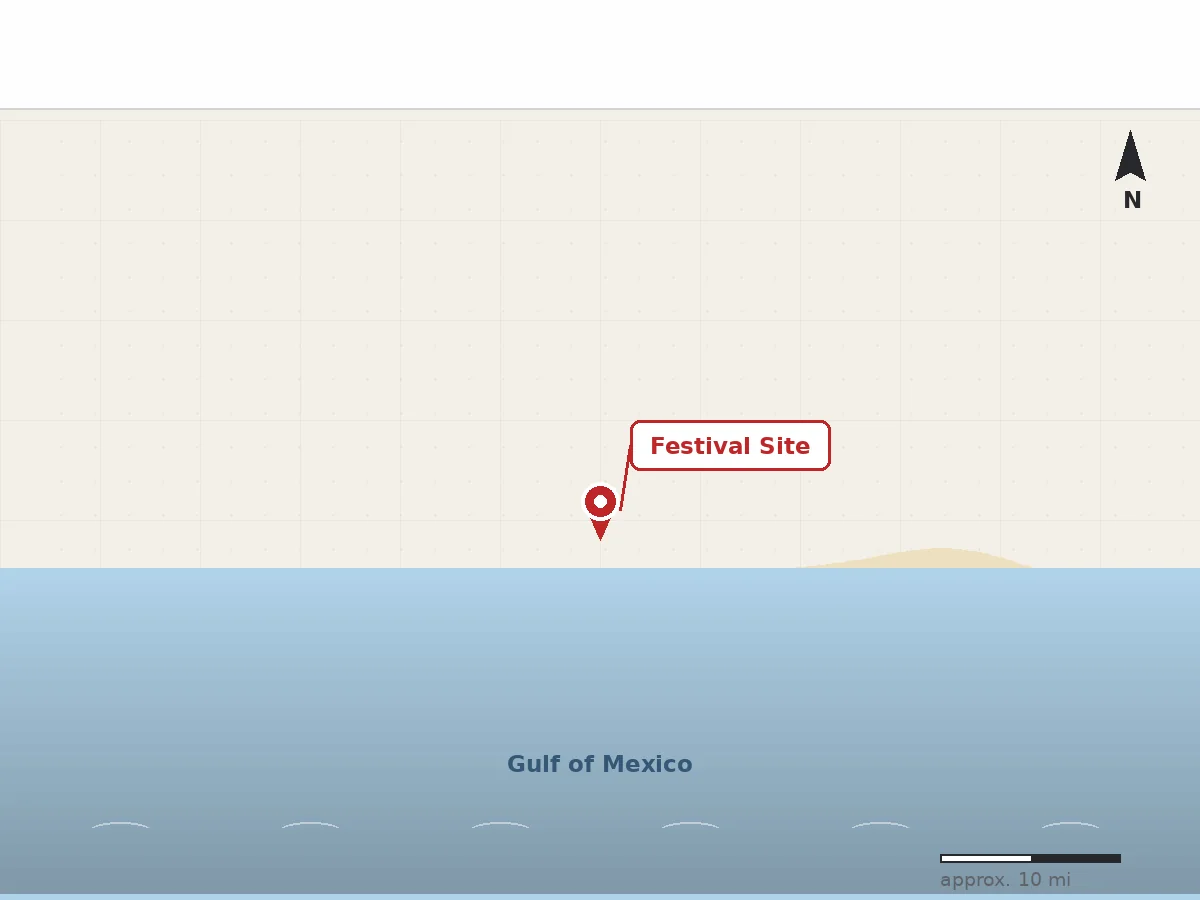
Where in Jackson County the Big Muddy Unfolds
The festival takes place across the Jackson County area of southern Illinois, with screenings in and around the Carbondale and Murphysboro corridor.
Straight Answers for First-Time Big Muddy Visitors
Is the Big Muddy Film Festival free to attend?
Admission is generally free, which is one reason the audience is such a mix of students, families and longtime residents. A given year may include a ticketed or reservation-only event, so confirm the specifics with the festival’s own schedule before you make the drive.
When does the festival usually take place?
In most years the Big Muddy runs in late winter or early spring, spread across several days. Because the exact timing shifts, treat the season as your planning anchor and check the current schedule before booking lodging.
Do I need to be a film buff to enjoy it?
No. The shorts programs are the easiest entry point — short running times, a wide range of styles, and no obligation to like everything you see. Come for one block, stay for the conversation afterward, and you will have had the full Big Muddy experience.
Where should I stay if I’m coming from out of town?
Carbondale has the largest selection of hotels, while Murphysboro and the surrounding towns offer smaller inns and rentals. Two nights is plenty for a first proper visit, and booking early matters most on weekends when the university calendar is busy.
The Big Muddy’s Next Chapter in Southern Illinois
Independent film festivals everywhere are navigating the same questions: how to keep audiences in seats when everything is available at home, how to fund a program without pricing out the people who make it worth doing, and how to stay relevant to a younger generation that consumes film differently.
The Big Muddy starts from a position of strength. It is free or nearly free, rooted in a community that shows up, and backed by decades of goodwill in Jackson County. The likeliest future is not reinvention but extension — more partnerships with local businesses, more room for regional filmmakers, and a continued mix of in-person screenings that give people a reason to leave the house in February.
Last updated: October 2026
Every year I tell myself I will skip it, and every year I end up in a seat in Jackson County with a schedule folded in my pocket, waiting for the lights to go down. The Big Muddy Film Festival is not a spectacle. It is a habit, and a good one — the kind of local tradition that makes a 602-square-mile county in southern Illinois feel considerably larger than it is.