DuPage County Illinois Naperville Ribfest Festival
DuPage County is dense, busy, and thoroughly suburban — 932,877 residents spread across 336 square miles, in the 2020 census count — and each July the Naperville area adds a thick layer of wood smoke, sauce, and amplifier hum to the mix. Naperville Ribfest is the sort of event that rewards a little forethought: food lines get long, parking fills early, and the best hours of the day are the ones you claimed in advance.
This guide is written for people who would rather solve the logistics once and then enjoy themselves. Below you’ll find how the festival fits into DuPage County, what a day on the grounds actually feels like, and the practical moves — arrival windows, hotel strategy, weather prep — that separate a smooth visit from a sticky, stressful one.
Ribfest Ground Rules: DuPage County at a Glance
Before the sauce, the numbers. This is the frame that matters when you’re deciding whether to drive in, stay over, or make a day trip of it from elsewhere in the Chicago region.
| Town / area | Naperville and the surrounding DuPage County area |
| County | DuPage County, Illinois |
| County seat | Wheaton |
| County population | 932,877 (2020 census) |
| Region | Northeastern Illinois, Chicago’s western suburbs |
| Typical timing | A weekend in July, in most years |
| Admission | Typically free to enter; food, drinks, and rides priced separately |
| Setting | Suburban park and open grounds in the Naperville area |
| Signature features | Rib and barbecue vendors, live music stages, family activities, volunteer-run fundraising |
| Organizer | A volunteer community service organization based in the Naperville area |
What Naperville Ribfest Actually Is
Strip away the marketing language and Naperville Ribfest is a barbecue festival with a civic engine underneath it. Rib teams set up along a vendor row, cook over live fire, and sell slabs, tips, and sandwiches while competing for the attention — and the votes — of the crowd. Around that core sits a full entertainment footprint: at least one main stage, smaller performance areas, a family zone with rides and games, and a scatter of beverage and dessert stands.
The event is run by volunteers, and that detail shapes the experience. Proceeds traditionally flow back into community causes rather than into a corporate pocket, which is why you’ll see local service clubs, youth groups, and church volunteers working the gates and the recycling stations. It also explains the mood: this is a fundraiser that happens to be a party, not a party pretending to be a fundraiser.
For another look at how a community turns its own traditions into a gathering, see the DuPage County Illinois DuPage County Fair Festival for a useful comparison.
Because it sits in the middle of one of Illinois’ most populated counties, Ribfest draws a genuinely mixed crowd. You get Naperville families pushing strollers at midday, office groups arriving straight from work on a weekday evening, and barbecue devotees who drive in from Wheaton, Lisle, Aurora, and beyond to compare sauces. That range is the festival’s character — and the reason your timing choices matter so much.
Ribfest’s Rise: Naperville, DuPage County, and a Summer Tradition
DuPage County was founded on February 9, 1839, and spent its first century as a farming landscape anchored by its seat at Wheaton. The postwar decades rewrote that story entirely. Subdivisions, expressways, and corporate campuses turned the county into one of the largest suburban economies in the Midwest, and Naperville — sitting on the county’s western edge along the DuPage River — grew into one of its most recognizable communities.
Naperville Ribfest belongs to that second act. It grew out of the volunteer fundraising culture that took hold as the area filled in: service organizations looking for a signature event that could raise serious money while giving a fast-growing population something to do together in summer. A barbecue competition was a natural fit. Rib cook-offs are portable, scalable, and crowd-friendly, and they work equally well for a family at noon and a group of friends at dusk.
Over the years the festival expanded in layers rather than in leaps. Food vendor row widened. The music programming stretched from local cover bands into full evening bills. A family area became a permanent fixture rather than an afterthought. Through it all, the volunteer structure stayed intact, which is why the event still reads as a Naperville-area institution rather than a touring production that happens to stop in DuPage County.
On the Ground: What a Ribfest Day Feels Like
The grounds have a rhythm, and learning it is the single best way to enjoy the festival without spending your afternoon in a queue. Here’s how the day typically breaks down.
Barbecue Row and the Art of the Rib Ticket
Vendors line up side by side, which means you can comparison-shop without walking far. Most operate on a ticket or token system rather than cash at the counter, so buy a bundle early — the ticket windows are shortest right when gates open and longest in the first hour after the dinner rush begins. Portion strategy matters too: a half slab plus a shared side feeds two people comfortably and lets you sample a second vendor later. Bring napkins. Then bring more.
Stages, Sets, and the Evening Volume Curve
Music runs from afternoon into the night, with local and regional acts filling the early slots and the biggest draws taking the stage after dark. If you want to be close, arrive one act early; the area in front of the main stage thickens quickly once the headliner’s set time approaches. If you’d rather talk, camp near the outer food rows, where the sound is present but not overwhelming.
Family Grounds, Rides, and Stroller Terrain
The family area is busiest in the late morning and early afternoon, which is exactly when the barbecue lines are shortest — a useful trade-off if you have young kids. Grounds are largely open and flat, so strollers and wagons roll fine, but grass sections get dusty in dry Julys. Set a visible meeting point early, because cell service can get sluggish when the crowd peaks.
Naperville Ribfest Logistics: The Moves That Save Your Weekend
Everything below assumes a July weekend, a suburban park setting, and a crowd that arrives in waves. Plan around those three facts and the rest takes care of itself.
Getting There From Across DuPage County
The Naperville area is served by major east-west routes and a commuter rail line, and the festival grounds sit within a short drive of most of DuPage County. Rideshare drop-off is usually smoother than driving in, provided you walk a block or two away from the main gate before requesting a pickup. If you’re coming from the eastern half of the county — Wheaton, Lombard, Oak Brook — budget extra time for the final two miles, which is where traffic always bunches.
Parking, Drop-Off, and the Exit Problem
Official lots near the grounds fill first, and satellite lots with shuttle service are the standard overflow. Arrive before the mid-afternoon wave or after the dinner peak if you want to park close. The real friction point is departure: leaving at the end of the headliner’s set means sitting in a queue. Either leave twenty minutes before the final song or linger on the grounds for half an hour and let the lots drain.
Where to Sleep if You’re Staying Over
Naperville and the neighboring DuPage County communities have a deep bench of suburban hotels, and most sit within a short drive of the grounds. Book early for a July weekend — summer is peak season here, and wedding parties plus festival traffic squeeze availability. Staying over is genuinely worth it if you plan to attend two days, since it eliminates the second round of parking and driving entirely.
Admission, Wristbands, and What Actually Costs Money
Entry to Naperville Ribfest is typically free, with the festival’s revenue coming from food, beverages, carnival rides, and donations rather than a gate fee. That model changes your budgeting: bring a card and a little cash, expect to spend most of your money on ribs and drinks, and treat any ride wristband or tasting bundle as a separate line item. Check the current year’s details before you go, since policies shift.
July Heat, Storms, and What to Pack
Northern Illinois in July means heat, humidity, and the occasional fast-moving thunderstorm. Go early if you’re heat-sensitive, carry more water than feels necessary, and wear shoes you don’t mind getting dusty. A light rain layer and a charged phone cover most contingencies. If storms roll through, the festival may pause operations — have a nearby restaurant or hotel lobby in mind as a fallback.
A Sample Ribfest Weekend, Built Around the Crowds
Friday afternoon: Arrive within the first hour of gates opening. Walk the vendor row once without buying, note two or three rib stands you want to try, then eat an early dinner while lines are short. Catch the first evening band from the outer food area, and leave before the headliner crowd floods the exits.
Saturday morning and midday: This is family time. Hit the ride and game area early, then eat lunch around eleven-thirty, ahead of the afternoon surge. Use the middle of the day for shade, water, and a slow lap past the dessert and beverage stands.
Saturday evening: Return after a hotel or home break — a reset makes a real difference in July. Grab a half slab from the vendor you skipped earlier, position yourself for the headliner, and stay for the full set. Walk a few blocks out before calling a ride.
Sunday: The final day is usually the calmest. Come for a late lunch, catch a local act, and take a second pass at the stands you enjoyed most. It’s the best day for anyone who dislikes crowds but still wants the full Ribfest experience.
Ribfest Versus Other DuPage County Summer Stops
DuPage County has no shortage of summer events, and each fills a slightly different niche. Wheaton, the county seat, leans toward a classic downtown festival feel — walkable, compact, and easy to combine with a meal on the main street. Lisle offers an outdoor-music identity, with concerts in a dedicated amphitheater setting and a calmer crowd than a barbecue weekend produces. Aurora, on the county’s western edge, brings a bigger-city energy with a broader mix of food and entertainment.
Ribfest sits apart because of scale and specificity. It’s the barbecue-first event of the group, the one where the food itself is the headliner, and it’s built for people willing to plan an afternoon rather than stroll into a town square. If you want a low-effort evening, choose a smaller downtown festival. If you want a full production with smoke in the air, Ribfest is the pick.
The Ribfest Readiness Checklist
Run through this before you leave the house and you’ll skip most of the predictable friction.
• Confirm the current year’s dates, hours, and entry policy on the official event channels.
• Decide your arrival window: gates-open for food, late afternoon for music.
• Pre-load a payment method and carry a small amount of cash for tips and vendors.
• Charge a portable battery; cell service gets congested at peak hours.
• Pack water, sunscreen, hats, and a light rain layer.
• Wear closed-toe shoes you don’t mind dusting off.
• Screenshot your parking lot location or drop-off pin.
• Agree on a meeting point with your group before you split up.
• Plan your exit strategy: leave early or stay late, never in between.
Beyond the Ribs: DuPage County Before and After
Make a weekend of it and the county rewards you. Downtown Naperville itself is a walkable grid of shops, restaurants, and riverfront paths, which makes it an easy pre-festival stop or a post-festival wind-down. Wheaton, the county seat, offers a historic downtown with a quieter pace and its own summer programming.
Outdoors, the DuPage River corridor and the county’s forest preserves provide shaded trails that feel a world away from the vendor row. The Morton Arboretum area near Lisle is a strong morning option if you’re visiting with family. For a slower afternoon, the smaller downtowns scattered across the county each have their own coffee shops, bakeries, and local restaurants worth an hour of your time.
Civic Payback: What Ribfest Returns to DuPage County
What separates Naperville Ribfest from a purely commercial food event is where the money goes. The volunteer model means the surplus supports local causes — youth programs, service projects, and community organizations across the Naperville area. That structure has a second benefit: it keeps the festival rooted in the place it serves.
For a county of 932,877 people, shared summer rituals matter. Ribfest gives a sprawling suburban region a single point of convergence each July, where neighbors from different towns end up in the same food line. That’s a modest thing on paper and a meaningful one in practice.
Where Naperville Ribfest Sits on the Map
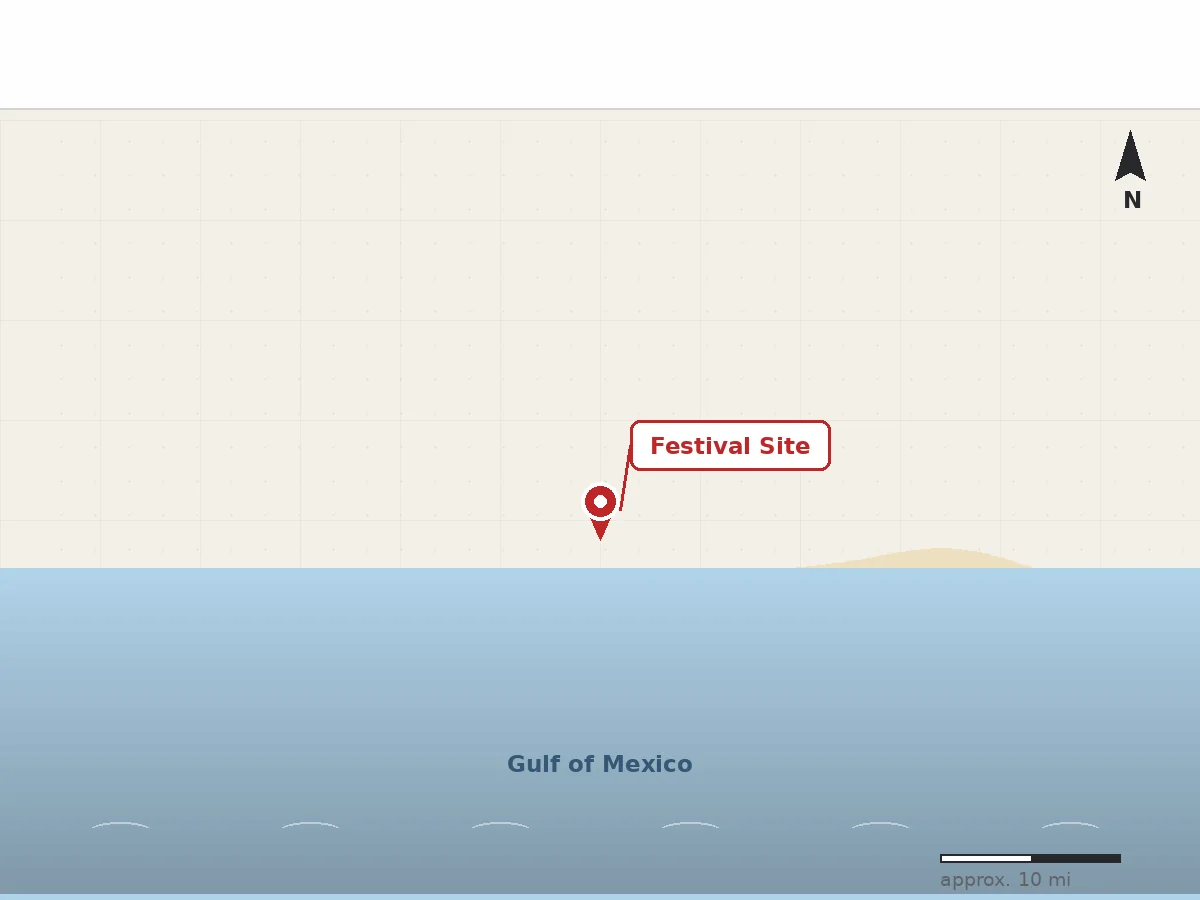
Naperville Ribfest takes place on festival grounds in the Naperville area, in the western portion of DuPage County, Illinois, roughly a 35-mile drive west of downtown Chicago.
First-Timer Q&A: Naperville Ribfest Logistics
Is there an admission fee to get in?
Admission is typically free, with the festival generating its revenue through food, beverages, rides, and donations. Because policies can change year to year, confirm the current details before you travel. Budget your spending around what you’ll eat and drink rather than a ticket at the gate.
What’s the best time of day to avoid the crowds?
The first hour after gates open is consistently the calmest, followed by a lull in the early afternoon before the dinner and headliner rush. If you’re coming primarily for music, arrive one act before the headliner rather than at the posted set time, and you’ll still find space near the stage.
Should I drive or use a rideshare?
Rideshare usually wins on the way in, since drop-off avoids the parking scramble entirely. On the way out, walk a few blocks away from the main gate before requesting a pickup — the immediate perimeter gets congested for a while after the final set ends. If you drive, plan your exit around the crowd rather than against it.
Is Ribfest a good fit for young children?
Yes, particularly in the morning and early afternoon, when the family area is active and the food lines are short. The grounds are flat and stroller-friendly, though dry July conditions make some grass sections dusty. Bring water, sunscreen, and a meeting point plan for older kids who want to roam.
Looking Ahead at Naperville Ribfest
Suburban festivals live or die on logistics, and Ribfest’s future depends on the same things that shape its present: volunteer capacity, vendor interest, and the willingness of a sprawling county to keep showing up. The event’s free-admission, fundraising-driven model gives it a resilience that ticketed festivals often lack, because the community is both the audience and the beneficiary.
Expect continued emphasis on crowd flow, shuttle service, and family programming — the areas where a July festival in a densely populated county either succeeds or struggles. If you’re planning a visit, treat the details in this guide as your framework and verify current-year specifics before you go.
Last updated: October 2026
Naperville Ribfest is one of those events that rewards the prepared without punishing the spontaneous. Show up early, eat before you’re hungry, know where you’re parking, and the festival does the rest — smoke in the air, music behind it, and a whole county’s worth of neighbors sharing the same long tables.