Cook County Illinois Chicago Gospel Music Festival
Gospel music is one of Chicago’s signature sounds, and each year the city hands its downtown park spaces over to it for a long weekend of free singing. The Chicago Gospel Music Festival gathers mass choirs, quartets, soloists, and touring headliners on stages that pull visitors from across Cook County and far beyond.
If you have never been, the scale can surprise you: multiple stages, food vendors, workshops, and a crowd that arrives early and stays late. This is a first-timer’s orientation — what the festival is, how a day there runs, how to reach it, and how to build a weekend around it.
Cook County Gospel Festival Facts Worth Knowing First
| Festival town / place | Downtown Chicago, in the Cook County area |
| County | Cook County, Illinois |
| County seat | Chicago |
| County population | 5,275,541 |
| Region | Northeastern Illinois |
| Typical timing | A weekend in late spring or early summer |
| Admission | Free general admission in most years |
| Setting | Downtown Chicago park and plaza stages |
| Signature features | Mass choirs, gospel quartets, soloists, workshops, food vendors |
| Organizer | Public city festival programming; confirm the current presenter in official listings |
What the Chicago Gospel Music Festival Actually Is
At its core this is a listening festival. The program runs from traditional quartet singing and congregational standards to contemporary gospel, praise bands, and youth choirs drawn from congregations across the region. Sets are short, turnover is quick, and the crowd drifts between stages, food stalls, and patches of shade.
Cook County is the setting, and its scale shapes the lineup. The county spans 1,635 square miles and holds 5,275,541 residents, so a festival staged here can book city choirs, suburban ensembles, and college gospel groups on the same bill without stretching.
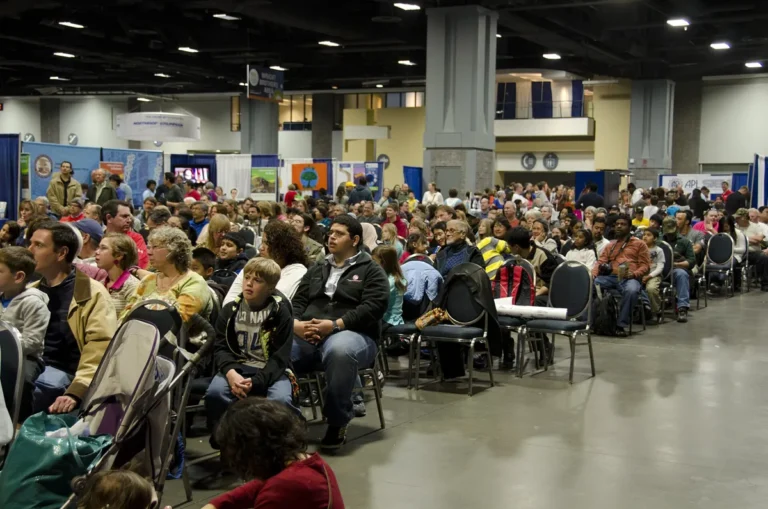
Free general admission is the norm, and that changes the mood. You will stand beside tourists, church groups, families with strollers, and longtime fans who arrive with folding chairs. It feels closer to a large church picnic than to a ticketed concert.
For another look at how a community turns its own traditions into a gathering, see the Cook County Illinois Chicago Blues Festival for a useful comparison.
How Gospel Music Found a Stage in Cook County
Cook County takes its name from Daniel Pope Cook, and its county seat is Chicago — a city that has been central to gospel music since the genre’s earliest commercial years. Chicago’s churches, storefront congregations, and choir traditions gave gospel a northern home, and the sound that developed here traveled outward through recordings, radio, and touring groups.
A public festival grew out of that heritage as a way to put the music in front of a broad audience, including people who had never sat through a Sunday service. Over the decades it became a fixture on the city’s warm-weather calendar, shifting between downtown park spaces as the event expanded and settling into a format that pairs community choirs with nationally known artists.
What has stayed constant is the shape of the day: an afternoon that opens with local ensembles and builds toward evening headliners, with workshops and children’s choirs filling the gaps between main-stage sets. Longtime attendees describe the weekend less as a concert series than as an annual reunion — familiar faces, familiar opening songs, and a new generation of singers stepping forward each year.
Inside a Festival Day: Food, Stages, and Family Time
A full festival day runs long, so most first-timers settle into a rhythm of music, food, and shade rather than trying to catch every set.
Gospel Food Stalls and Chicago Comfort Food
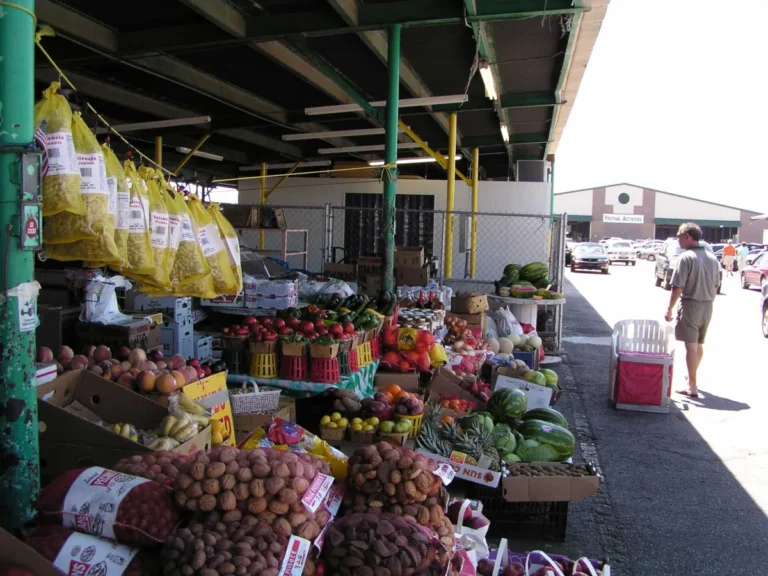
Vendors along the festival footprint sell the kind of food that suits hours outdoors: barbecue, fried fish, jerk chicken, turkey legs, popcorn, funnel cakes, and snow cones. Chicago classics turn up as well — Italian beef, deep-dish slices, and Polish sausage. Most stalls take cards now, but a little cash still helps at smaller stands. Lines peak around midday and again just before the headliners, so eating early or late is the smarter play.
Choirs, Quartets, and Headline Voices on the Main Stage
The main stage carries the biggest names and usually closes the night with a full choir or a veteran soloist. Side stages and tents favor quartets, community choirs, and youth groups. Expect a mix of traditional hymns, contemporary worship songs, and arrangements that let a choir stretch out. Seating fills fast for the final set; regulars claim lawn space hours ahead and treat the afternoon as a picnic with a soundtrack.
Kid-Friendly Corners and Family Programming
Children’s choirs get real stage time here, which makes the festival unusually welcoming for families. Activity tents, face painting, and open space between sets keep younger visitors occupied. Strollers roll easily on paved paths but struggle on grass after rain. Bring hearing protection for small children if you plan to stand near the speakers, and agree on a meeting point — the grounds get crowded after dark.
Getting to a Cook County Gospel Weekend Without the Headaches
Downtown Chicago is easy to reach and hard to park in, which should shape every other decision you make.
Arriving in Downtown Chicago by Train, Bus, or Car
Regional rail lines, the city’s rail and bus network, and rideshare all drop visitors within a short walk of the festival grounds, and they are the least stressful options on a busy weekend. If you drive in from the suburbs, aim to arrive before the late-morning rush; highway traffic into the city backs up quickly once the day’s programming begins.
Where to Stay for the Chicago Gospel Music Festival
Hotels in and around the downtown core put you within walking distance of the stages, but they book early for warm-weather weekends. Cheaper rooms sit farther out along rail lines, where a short train ride replaces a long drive. Suburban options in Cook County work well for families who want space and quiet at the end of a loud day.
Parking Near the Festival Grounds
Garages near the lakefront and the downtown core fill fast and charge premium event rates. Reserve a space in advance if you must drive, and note the garage address rather than the festival address — walking the last few blocks is usually faster than circling. Leave nothing visible in the car.
Admission, Costs, and What You’ll Actually Spend
General admission is free in most years, which means your real spending is food, drinks, and travel. Budget for vendor prices similar to any large city festival, plus a little extra if you want a lawn chair, a souvenir, or a recording from one of the performing groups. Cash tips for choirs selling merchandise are always welcome.
Chicago Weather and How to Dress
Late spring and early summer in Chicago swing between hot, humid afternoons and cool evenings, and thunderstorms can roll in off the lake with little warning. Dress in layers, bring sunscreen and a hat, and pack a light rain shell rather than an umbrella if you plan to stand near the stage. Comfortable shoes matter more than anything else.
A Sample Gospel Weekend Built Around the Festival
Day one — arrive in the afternoon, check in, and walk the festival footprint while it is still quiet. Learn where the stages sit, choose your shade, and eat dinner at a vendor stall before the evening set. Stay for the closing choir, then walk a few blocks for dessert.
Day two — the full festival day. Claim lawn space by mid-morning, catch a youth choir and a quartet before lunch, then spend the hottest hours under a tent or inside a nearby museum. Return for the headline set and stay to the end; the final numbers are usually the emotional peak.
Day three — a slower morning at a neighborhood service or a lakefront walk, then one last pass through the grounds before heading home. Leave mid-afternoon if you are driving, because the evening exit is slow.
How This Festival Compares with Other Chicago-Area Events
Chicago hosts several free lakefront music festivals, and each has its own personality. The Chicago Blues Festival leans electric and guitar-driven, with a crowd that treats the lawn like a living room. The Chicago Jazz Festival is more seated and cerebral, drawing listeners who come for long instrumental passages. Taste of Chicago is food first and music second, with a much more scattered footprint.
The Gospel Music Festival sits somewhere in the middle: as communal as the blues weekend, as musically serious as the jazz weekend, and as family-heavy as any neighborhood festival in suburban Cook County towns such as Oak Park or Evanston. If you only have one free weekend, choose based on the sound you want, not the size of the crowd.
What to Pack and Prepare for a Cook County Gospel Weekend
Bring a folding chair or a blanket, a refillable water bottle, sunscreen, a hat, a light rain jacket, and a portable phone charger. Wear shoes you can stand in for hours. Carry a small amount of cash alongside your card, keep a photo of your parking spot, and save the official event page to your phone before you leave the hotel, since cell networks slow down in big crowds.
Check the published schedule the morning you go, plan two or three must-see sets instead of a full itinerary, and leave room for the thing you did not expect — a choir that stops you in your tracks between stages.
Beyond the Stage: Cook County Between Sets
Downtown Chicago rewards a slow walk. The lakefront path, the river architecture, the parks that connect the festival grounds, and the museum campuses all sit within reach of the stages. Neighborhoods farther out — Bronzeville, Hyde Park, Pilsen, Uptown — carry their own musical and culinary histories and are worth a half day if you are staying through the weekend.
Because Cook County covers 1,635 square miles, “nearby” can mean anything from a ten-minute walk to a forty-minute train ride. Pick one direction per day rather than trying to cover the whole county, and let the festival be the anchor of the trip rather than the entire trip.
The Community Role of Chicago’s Gospel Weekend
For the congregations that send choirs, the festival is a rare chance to sing for an audience far larger than any sanctuary. For young singers, it is a visible path — children’s ensembles share a bill with professionals, and the message that the music has a future lands harder on a stage than in a rehearsal room.
Free admission matters here too. It removes the ticket barrier that keeps casual listeners away from gospel, and it turns a downtown park into something closer to a shared living room for a county of more than five million people. That mix of sacred music and open public space is the reason the weekend keeps drawing first-timers alongside lifelong fans.
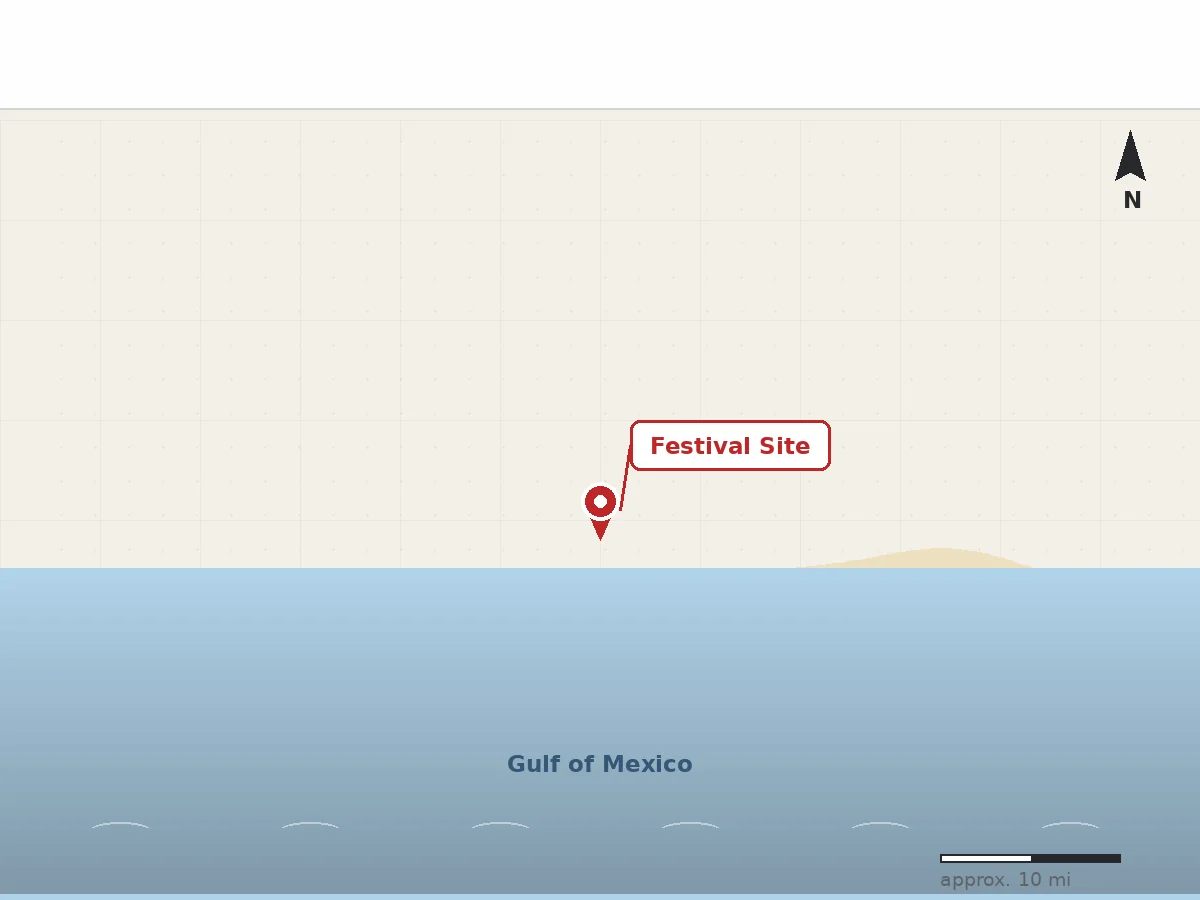
Where the Chicago Gospel Music Festival Happens
The festival takes place in downtown Chicago, the seat of Cook County, on park and plaza stages within walking distance of the lakefront.
Chicago Gospel Festival Questions First-Timers Ask
Is the Chicago Gospel Music Festival free to attend?
General admission is free in most years, so you can walk in without a ticket. Your spending will be food, drinks, travel, and any merchandise sold by the performing groups. Confirm details on the official event listing before you travel, since programming and access rules can shift from year to year.
Do I need to arrive early to get a seat?
For the closing headline set, yes. Lawn space and shaded seating fill hours ahead of the final performance. Earlier in the day you can move freely between stages. Many regulars bring their own folding chairs and settle in for the whole afternoon.
Is the festival suitable for children and older visitors?
It is unusually family-friendly for a city music event. Children’s choirs perform, activity tents keep younger kids busy, and the pace between sets is relaxed. Older visitors should plan for walking and standing, bring a chair, and pick a shaded spot near a side stage rather than the main crowd.
What happens if it rains during the festival?
Summer storms in Chicago move through quickly, and programming may pause or shift when lightning is nearby. Bring a light rain jacket, keep an eye on official updates, and treat a delay as a chance to eat or duck into a nearby museum rather than a reason to leave.
What’s Ahead for the Chicago Gospel Music Festival
The festival’s future looks steady rather than static. Gospel audiences are broadening, with younger listeners discovering quartet traditions through streaming and social clips, and organizers have room to keep blending heritage acts with contemporary voices. Free access remains the defining feature, and any changes to staging or scheduling are most likely to follow the city’s park programming calendar rather than a shift in the music itself.
For a first-timer, that is good news: the weekend you plan this year will look and sound a lot like the one you plan next year, with a few new choirs in the mix. Check official listings as the season approaches for confirmed dates and lineup announcements.
Last updated: October 2026
Go once and you will understand why people in Cook County mark this weekend on the calendar a year ahead. Arrive early, stay for the last song, and let the sound of a hundred voices carry you out of the park and back into the city.
One Comment