Twin Falls County Idaho Twin Falls County Fair Festival
Ask anyone who has been going to the Twin Falls County Fair for years and they will tell you the same thing: the fair barely changes, and that is exactly the point. The same gravel lanes, the same smell of fryer oil drifting past the livestock barns, the same families staking out shade before the evening grandstand show. In a county that stretches across 1,928 square miles of south central Idaho, this is the one stretch of late summer when the whole place seems to fold into a single fairground.
This is an insider’s view, written for people who already know the routine — who arrive on the first afternoon, who have a bench they always claim, who know which gate moves fastest once the lot fills. If you are coming back for another year, or finally making the trip after hearing about it for a decade, here is what the Twin Falls County Fair looks like from the inside.
Twin Falls County Fair Basics, Written for People Who Have Been Before
| Town / area | Twin Falls County area, south central Idaho |
| County | Twin Falls County, Idaho |
| County seat | Twin Falls |
| County population | 90,046 (2020 census) |
| Region | South central Idaho |
| Typical timing | Late summer, over a multi-day run |
| Admission | Typically free entry; vendors and attractions set their own prices |
| Setting | Open fairgrounds inside a 1,928-square-mile agricultural county |
| Signature features | Livestock and 4-H exhibits, carnival rides, grandstand entertainment, food booths |
| Organizer | Twin Falls County |
What the Twin Falls County Fair Actually Is
This is the county’s own fair — not a traveling carnival with a county name painted on the banner, but an event rooted in the working life of a place that was organized as a county on February 21, 1907. Twin Falls County’s seat is the city of Twin Falls, and its 90,046 residents are spread across irrigated farmland, canyon rim, and high desert. For a few days each late summer, all of that distance collapses into a few crowded acres.
At its heart the fair is a showcase. Young exhibitors bring animals into the barns. Tables fill with baking, canning, photography, quilting, and garden produce, all judged and ribboned. Families who have entered the same categories for three generations still walk the exhibit hall first, looking for familiar names on the tags. That quiet competition is the spine of the whole event; the rides and the grandstand are the reward wrapped around it.
For a returning visitor, the fair works on two levels at once. There is the nostalgia layer — the food you always buy, the corner where you always meet, the announcer’s voice you could pick out of a crowd. And there is the practical layer: which entrance has the shortest line, when the barns are coolest, how to time dinner so you are seated before the grandstand fills. Knowing both is what separates a good year from a great one.

How a County Organized in 1907 Built a Late-Summer Tradition
Twin Falls County was established on February 21, 1907, in the middle of the great southern Idaho irrigation boom. Twin Falls became the county seat, and the surrounding plain — soon nicknamed the Magic Valley — filled with farms, ditches, and small towns almost overnight. County fairs across this region grew out of that exact moment, when growers wanted a yearly accounting of what the land and the season had produced.
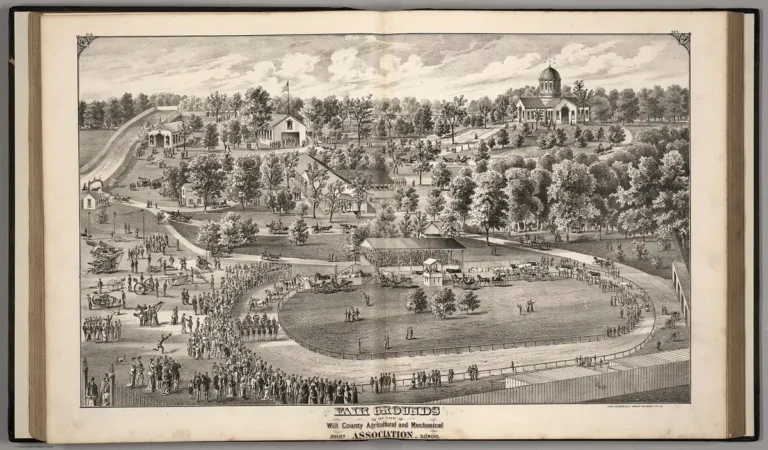
Early fairs in southern Idaho were part trade show, part harvest celebration, part social calendar. They gave isolated farm families a reason to hitch up and travel, and they gave towns a chance to show off. Over the decades the format hardened into something recognizable: judged exhibits, livestock barns, a carnival midway, a grandstand, and a fair week that everyone in the county marked before anything else on the calendar.
What has changed is the scale of the county around it. Twin Falls County now covers 1,928 square miles and holds more than ninety thousand people, with an economy that runs on dairy, crops, food processing, and healthcare as much as on row crops alone. What has not changed is the function of the fair. It is still the one week when a sprawling county behaves like a small town.
The Rhythm of a Fair Day in Twin Falls County
Fair days here have a shape, and once you learn it you can plan around it. Mornings belong to exhibitors, judges, and anyone who wants the barns before the heat arrives. Afternoons bring families and the first carnival rush. Evenings belong to the grandstand. Regulars pick their window and defend it every year.
Fair Food That Regulars Beeline For
Fair food in Twin Falls County is the classic midway lineup: corn dogs, curly fries, funnel cake, elephant ears, cotton candy, and lemonade served in cups the size of a bucket. Local church and civic groups typically run booths of their own, which is where you find the better value — a burger, a slice of pie, or a plate of something hearty served by people who have been working that same booth for years. Come hungry, bring cash, and eat before the dinner rush hits around the time the grandstand line forms.
Grandstand Nights and Homegrown Stages
Evening entertainment is the anchor of the fair. Grandstand programming in a county like this usually leans on the things people will actually turn out for: rodeo events, motorsports, demolition derbies, and live music, with local and regional acts filling stages around the grounds earlier in the day. Seating for the biggest nights fills early, so treat the grandstand the way you would treat a concert — claim your spot, then send someone for snacks.
Kid-Friendly Grounds and 4-H Pride
For families, the fair is unusually easy. The grounds are flat and walkable, the barns are a free attraction on their own, and kids who have never touched a goat will spend an hour petting one. Carnival rides range from toddler-friendly spinners to the ones that make parents hold the keys and phones. The 4-H and FFA exhibits are the quiet highlight — watch a teenager explain a market steer to a stranger and you understand what the fair is really for.
Planning Another Twin Falls County Fair Trip
Repeat visitors plan less and prepare more. The logistics are simple, but a handful of decisions made in advance turn a stressful day into an easy one.
Getting There From Twin Falls and Beyond
The fairgrounds sit within the Twin Falls County area, an easy drive from the city of Twin Falls and from the smaller communities scattered across the county. If you are coming from out of the region, most visitors arrive by car along the Interstate 84 corridor and then cut south toward the Twin Falls area. Expect the last few miles to be the slowest — everyone is heading to the same place at the same time.
Where to Stay in and Around Twin Falls County
The city of Twin Falls has the deepest bench of hotels and motels, and it makes a comfortable base if you plan to attend two or three nights. Smaller towns around the county offer quieter options and shorter drives to the gate. Campers and RV owners often stay at nearby campgrounds or in the surrounding recreation areas along the Snake River. Book early for fair week — it is one of the busiest stretches of the local lodging calendar.
Parking Strategy for the Fairgrounds
Arrive before the evening rush and you will park close and walk a short distance. Arrive at peak time and you will park in the far rows and join a slow-moving line of cars. The middle of the day is the sweet spot. Have a meeting point in mind in case your group splits up, and note that the walk back to the car after the grandstand lets out is the longest walk of the day.
What You Will Actually Spend
Entry to the fair is typically free, which is one reason local families come back several nights in a row instead of treating it as a single outing. Money goes inside the gates: carnival rides, midway games, food booths, and grandstand concessions. Set a cash budget per person, especially for kids who will want to ride everything twice. Cards are widely accepted, but small vendors and church booths often prefer cash.
Late-Summer Weather in South Central Idaho
Late summer in south central Idaho means hot, dry afternoons, cool evenings, and a real chance of wind. Bring a hat, sunscreen, and a refillable water bottle, then add a light layer for after dark. The temperature swing between midafternoon in the sun and ten o’clock under the grandstand is bigger than most first-timers expect.
A Sample Fair Weekend That Returning Visitors Swear By
Start your first day late morning, when the gates are quiet and the barns are still cool. Walk the livestock aisles while exhibitors are grooming, then spend an hour in the exhibit hall looking at the judged entries. Eat lunch from a civic booth rather than the midway. In the afternoon, let the kids loose on the carnival while you hold a shaded table. Stay for the grandstand show, then leave before the final rush of cars.
Day two is the slower, better day. Come back in the early afternoon, skip the rides entirely, and spend your time on the things you missed: the smaller stages, the vendor tents, the demonstrations. Buy dinner from a different booth than yesterday. Watch the sun drop behind the grandstand and stay through the evening program. That second visit is what turns a fair into a tradition.
How the Twin Falls County Fair Compares Nearby
County fairs across southern Idaho share a family resemblance, and that is part of the pleasure. The Jerome County Fair, to the west, runs on a similar late-summer rhythm with its own grandstand lineup and livestock tradition. The Cassia County Fair in Burley, to the east, serves a similarly agricultural corner of the Snake River Plain. Closer to home, the city of Twin Falls itself offers year-round events that fill the calendar between fair weeks.
What sets the Twin Falls County Fair apart is proportion. It is large enough to draw a real carnival and serious grandstand acts, but small enough that you will run into people you know before you finish your first lap. That balance is why so many families here skip the bigger regional events and come back to this one instead.
The Repeat Visitor’s Checklist for Twin Falls County
Bring cash for the small booths, a water bottle, sunscreen, a hat, and a light jacket for after dark. Wear shoes you can walk in for six hours — the grounds are flat but the distances add up. Charge your phone before you leave, since photos of kids with animals drain a battery fast.
Before you go, agree on a meeting point, check the day’s grandstand schedule, and decide whether you are eating at the fair or before it. If you have young children, pack a stroller and plan an exit strategy for the post-show parking lot.
Finally, enter something. A pie, a photograph, a jar of pickles, a quilt. Nothing changes the fair experience quite like walking past the exhibit hall and seeing your own name on a tag.
Beyond the Fairgrounds: The Rest of Twin Falls County
If you have driven any distance to reach the fair, give yourself an extra day. The Snake River Canyon cuts right through the Twin Falls area, and the Perrine Bridge carries traffic high above the water on a crossing that draws base jumpers from around the world. Shoshone Falls, upstream of the city, is one of the largest natural waterfalls in the country and is at its most dramatic earlier in the season.
Downtown Twin Falls rewards a slow afternoon of coffee, lunch, and browsing. Beyond the city, the county opens into farm country — dairies, hay fields, canyon overlooks, and long views across the Snake River Plain. Even a short drive in any direction explains why this fair is built the way it is.
What This Fair Means to a 90,000-Person County
A county of 90,046 people spread over 1,928 square miles does not get many chances to gather all at once. The fair is that chance. It is where a farm family from one corner of the county crosses paths with a family from the city of Twin Falls, where grandparents watch grandchildren show an animal in the same barn they showed one in, and where the year’s work gets a ribbon, a nod, and a night off.
It also matters economically. Vendors, civic groups, local businesses, and the county’s agricultural community all depend on the fair week in ways that are easy to overlook. But ask anyone who has gone for twenty years and they will describe it differently: as the week that still feels like the county’s own.
Where the Twin Falls County Fairgrounds Sit
The fairgrounds are located in the Twin Falls County area of south central Idaho, within easy driving distance of the city of Twin Falls and the county’s smaller communities.
Twin Falls County Fair Answers for First-Timers and Regulars
When does the Twin Falls County Fair take place?
It is a late-summer event, typically running over a multi-day stretch that spans a weekend. Think of it as the last big gathering before school schedules and harvest work take over. Exact dates shift from year to year, so check the current schedule before you plan time off.
Is there an admission charge to get in?
Entry is typically free, which makes the fair an unusually affordable outing for families. You will still spend money inside on rides, games, and food, and individual vendors set their own prices. Budget for those rather than for a gate fee.
Is the fair worth bringing young children to?
Yes, and it is one of the better family outings on the county calendar. The grounds are flat, the animal barns are free and endlessly interesting to small kids, and the ride selection usually includes gentle options. Go early in the day for cooler temperatures and shorter lines.
What is the best time of day to visit?
Mid-to-late afternoon gives you the best combination of manageable parking, shorter ride lines, and enough daylight left to see everything. If the grandstand show is your priority, arrive well before the evening rush and plan to stay late.
Looking Ahead to Future Twin Falls County Fairs
The fair’s future looks a lot like its past, which is probably the healthiest sign a county fair can have. As Twin Falls County keeps growing — more residents, more farm technology, more families moving in from elsewhere — the fair’s role as a shared meeting point only gets more valuable. Expect the same barns and exhibit halls, refreshed and maintained, alongside gradually modernized grandstand programming and carnival offerings.
For returning visitors, that continuity is the appeal. You will still find your booth, your bench, and your shortcut between the barns. The next generation will simply be standing in line behind you.
Last updated: October 2026
Come for the food, stay for the grandstand, and leave with a ribbon story — the Twin Falls County Fair rewards the people who keep coming back, year after year, in a county where late summer has always meant the same thing.