Shoshone County Idaho Huckleberry Festival

Huckleberries refuse to be domesticated. They ripen on their own schedule, on the mountain slopes they prefer, in patches that families have quietly guarded for generations. Shoshone County, Idaho, built a festival around that stubbornness — and each late summer, when the high country of the Idaho Panhandle finally turns ripe, the Shoshone County area fills with the smell of pie crust, simmering jam, and pancakes stained deep purple.
This is a food-first celebration. The berry is the headline, not a garnish. Cooks, bakers, and vendors who picked their own fruit bring it to the table in forms both classic and unexpected, and the whole event runs on the kind of appetite that only a short, unpredictable harvest can create.
Shoshone County Huckleberry Festival: The Basics Before You Go
| Town / area | The Shoshone County area, northern Idaho |
| County | Shoshone County |
| County seat | Wallace |
| Population | 13,169 (2020 census) |
| Region | Idaho Panhandle high country |
| Typical timing | A weekend in late summer, at the height of wild huckleberry season |
| Admission | Typically free to enter; vendors sell food and goods |
| Setting | Forested mountain valleys and historic mining towns |
| Features | Huckleberry pies, pancakes, jams, syrups, fresh berries, crafts, live music |
| Organizer | Local community volunteers and area businesses |
Why Wild Huckleberries Put Shoshone County on the Map
Shoshone County spreads across 2,635 square miles of northern Idaho — steep forested ridges, river valleys, and small towns strung along the Interstate 90 corridor. It was founded in 1864, and Wallace serves as the county seat. The 2020 census counted 13,169 residents, a number small enough that a county-wide berry festival still feels like a neighborhood gathering with unusually good pie.
The fruit is the reason it exists. Huckleberries grow wild across the higher elevations of the Idaho Panhandle, ripening from late July into early September depending on elevation and the year’s weather. They cannot be machine-harvested, and they do not travel well. That single fact shapes everything here: the pies are baked nearby, the jam is cooked in small batches, and the berries for sale were often in the bucket that same morning.
Because this is a county-wide affair rather than one fenced venue, think of it as a weekend to move through — tasting, walking, and letting the towns of the Shoshone County area set the pace. Crowds gather around the food stalls early, and the fresh-berry tables are reliably the first thing to empty.
From an 1864 County to a Huckleberry Tradition
1864 — Shoshone County is founded, with Wallace eventually serving as its county seat, anchoring a vast and thinly populated stretch of mountain country.
Late 1800s — Mining draws waves of families into the narrow valleys. Many arrive from places where foraging was ordinary, and they quickly learn what the Nez Perce and other tribal communities already knew: these slopes are generous in late summer.
Twentieth century — Picking becomes a ritual. Households return to the same ridges each year, carrying buckets, tins, and homemade lunches, and the freezer gets stocked for winter pancakes and holiday pies.
Recent decades — That private tradition turns public. Community volunteers and area businesses organize a festival that turns the harvest into a shared table, drawing visitors from across the Panhandle and beyond to eat, listen to music, and buy berries they did not have to hike for.
Tasting Your Way Through the Shoshone County Huckleberry Festival
Huckleberry Everything: What to Eat First
Start with pie, because that is the benchmark. A proper huckleberry pie is tart enough to make your jaw tighten and sweet enough to keep you coming back — nothing like the flat, sugary fillings that pass for berry pie elsewhere. From there, work outward: pancakes and syrups at breakfast stalls, jams and preserves by the jar, milkshakes, cobblers, cheesecake, lemonade, and glazes or sauces used on savory dishes. Vendors often sell fresh berries by the pint or quart, and those disappear fastest. Bring cash, since small stalls and rural internet do not always cooperate, and plan to eat standing up while you decide what to buy twice.
Music, Demos, and Small-Town Stagecraft
Live entertainment leans local: acoustic sets, bluegrass, folk, country, and whatever the area’s working musicians feel like playing on a warm afternoon. Between sets you will find cooking demonstrations, pie contests, raffles, and the friendly rivalries that come with them. The atmosphere is conversational rather than stadium-scale — you can hear the music, talk to the person beside you, and still catch the announcement that the last dozen berry muffins just came out of the oven.
Family-Friendly Fun Between the Berry Booths
Children do well here. There are crafts, games, and berry-themed activities, plus plenty of open space to burn off energy between tastes. Families with strollers and grandparents in lawn chairs both fit comfortably into the rhythm of the day. The best kid strategy is simple: feed them early, let them loose on the activities, then circle back for dessert when the lines thin out.
Planning a Late-Summer Trip to Idaho’s Huckleberry Country
Getting to the Shoshone County Area
Most visitors arrive by car. Interstate 90 runs through the county and makes Wallace the natural gateway, with easy driving from Spokane, Coeur d’Alene, and Missoula. Spokane is the nearest major airport, so many travelers fly in, rent a vehicle, and spend a night or two in the region rather than treating the festival as a quick detour. Mountain roads reward patience: fuel up when you see a station, and allow extra time for the scenery you will inevitably stop to photograph.
Where to Stay in and Around Shoshone County
Lodging is limited relative to demand on festival weekend. Options cluster around Wallace and the neighboring communities along the interstate, with additional rooms, cabins, and campgrounds scattered through the surrounding national forest land. Book well ahead if you want to stay close. Otherwise, base yourself in Coeur d’Alene or another larger town and make the drive in — it is a beautiful one, and it turns the trip into a proper road weekend.
Parking and Getting Around
Arrive early and you will park with ease; arrive at midday and you will circle. Street spaces and lots fill quickly near the busiest food areas, so plan on a short walk and wear shoes that handle uneven ground. Once you are parked, moving on foot is the best way to sample widely and avoid losing your spot. If you are staying nearby, leave the car where it is and treat the day as a stroll.
Admission and What Things Cost
Entry is typically free, with vendors earning their money on food, drinks, baked goods, berries, and crafts. That means your budget depends entirely on appetite and how many jars you can carry. Prices at small community festivals tend to be reasonable, but card readers can be unreliable in mountain towns, so carry cash in small bills. A modest amount goes a long way, and the homemade items are worth the splurge.
Late-Summer Weather in the Idaho Panhandle
Expect warm afternoons and cool evenings, with the possibility of a fast-moving afternoon thunderstorm or wildfire smoke depending on the season. Mornings can feel genuinely chilly at elevation. Dress in layers, bring a light rain shell, pack sunscreen and a hat, and keep a water bottle handy. Good footwear matters more than fashion here.
A Sample Huckleberry Weekend Itinerary in Shoshone County
Friday evening: Drive in, check into your lodging, and take a walk through Wallace. Grab a casual dinner, scout the festival layout, and get an early night — the berries will not wait for you.
Saturday morning: Arrive early, park while it is easy, and head straight for the baked goods and fresh berries before the best of both are gone. Eat a huckleberry pancake breakfast, then wander the vendor stalls with a milkshake in hand.
Saturday afternoon: Settle in for live music, catch a cooking demonstration, and let the kids work through the family activities. Buy jam, syrup, or a frozen pie to take home, then spend the late afternoon on a short scenic drive or an easy trail.
Sunday: Return for a slower breakfast, revisit your favorite stall for a second jar, and explore the county’s mining history and back roads before heading home. Leave room in the cooler — you will use it.
How Shoshone County’s Festival Compares With Nearby Towns
Kellogg, a few minutes down the interstate, offers a different flavor of mountain weekend: gondola rides, outdoor recreation, and a busier commercial strip. Coeur d’Alene, in neighboring Kootenai County, leans hard into lake life — beaches, boats, and a polished summer calendar. Sandpoint, up in Bonner County, is known for its lakeside summer events and arts scene.
What sets the Shoshone County Huckleberry Festival apart is its narrow focus. It is not a general summer fair with a berry booth bolted on. It is a harvest celebration where the fruit dictates the menu, the timing, and the mood — smaller, more specific, and considerably more delicious than a broad civic festival.
Huckleberry Festival Checklist for Shoshone County Travelers
Bring cash in small bills, a cooler with ice for berries and pies, and a tote bag sturdy enough for jars. Wear comfortable shoes and pack layers for cool mornings and warm afternoons.
Charge your phone but expect spotty service. Bring water, sunscreen, and a reusable bottle. If you plan to pick berries on public land, confirm local rules and land status before you head up any road.
Book lodging early, arrive early, and buy fresh berries early. That trio covers ninety percent of festival regrets.
Beyond the Berry Booths: Shoshone County’s Other Rewards
Stay an extra day and the county keeps giving. Historic downtown Wallace rewards a slow walk, with its preserved mining-era architecture and compact, walkable streets. The Route of the Hiawatha and the Trail of the Coeur d’Alenes turn old rail lines into some of the most scenic cycling and walking in the region. Silver Mountain above Kellogg adds gondola views and summer recreation.
Beyond the towns, the Coeur d’Alene River valley, forest roads, and high ridges offer fishing, hiking, and wildlife watching. Even a short drive reveals why huckleberries thrive here — and why people have been willing to hike for them for well over a century.
How Huckleberries Keep Shoshone County’s Story Alive
In a county of 13,169 people spread across 2,635 square miles, shared traditions do a lot of work. The festival gives residents of scattered mountain towns a reason to gather, gives small bakers and crafters a market, and gives visitors a genuine reason to stop rather than drive through on the interstate.
It also keeps knowledge alive. Which slopes ripen first, how to read a berry patch, when to stop picking so the stand returns next year — that is local expertise, passed along in kitchens and on trailheads. A festival built on a wild fruit is really a festival built on that knowledge.
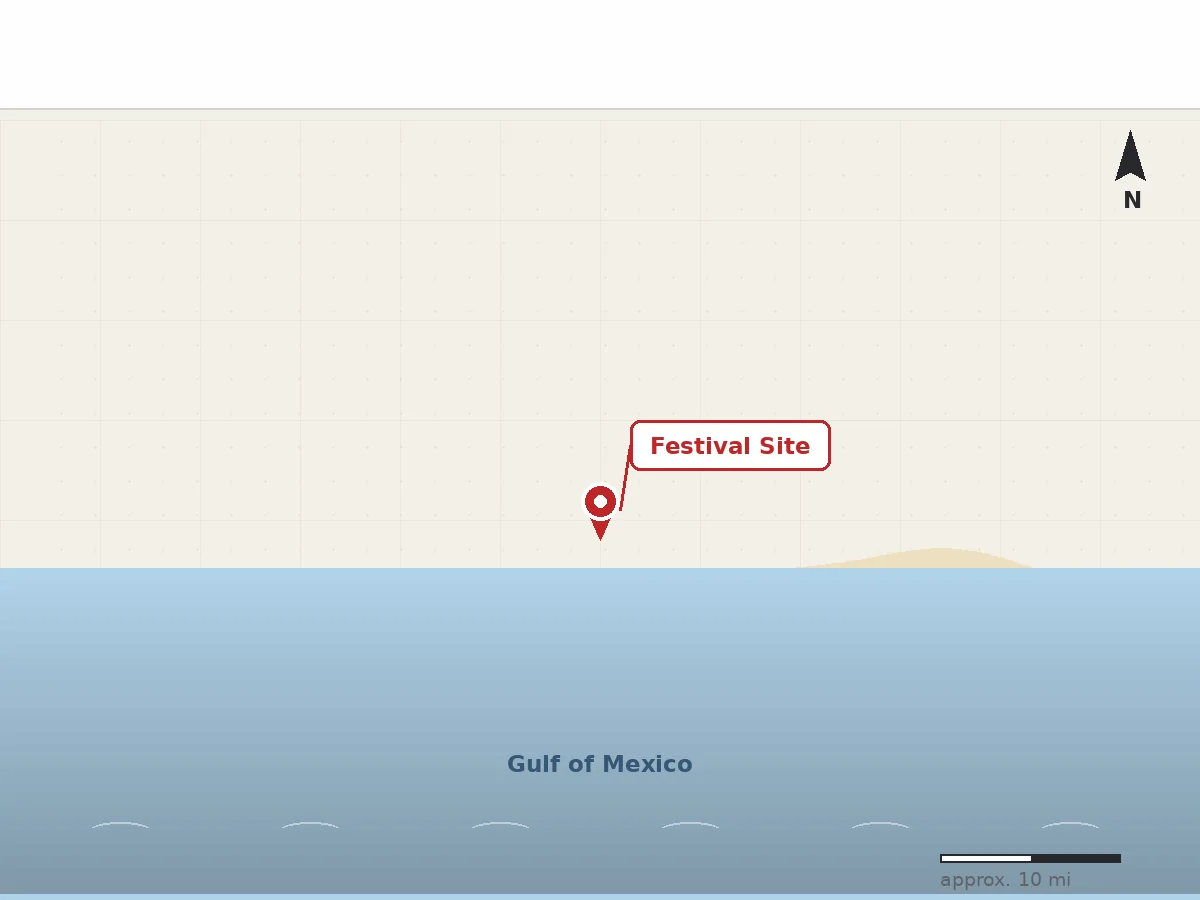
Where in Idaho the Shoshone County Festival Happens
The festival takes place in the Shoshone County area of northern Idaho, with Wallace — the county seat — serving as the natural hub for visitors arriving along Interstate 90.
Shoshone County Huckleberry Festival: Answers for First-Timers
When do huckleberries ripen in the Idaho Panhandle?
The wild harvest generally runs from late July into early September, with the peak shifting by elevation and weather. Lower patches ripen first; higher slopes hold fruit later. The festival is timed to land in late summer when berries are at their most abundant, though every season writes its own rules.
Do I need tickets to attend?
Admission is typically free, and you pay only for what you eat, drink, and carry home. Some individual activities or contests may involve a small fee, but the general festival experience is open to anyone who shows up hungry.
Can I pick wild huckleberries myself while I’m there?
Possibly, but check first. Rules vary by land ownership — national forest, state, and private parcels all differ — and some areas restrict or prohibit commercial-scale picking. Ask locally, respect closures, and never strip a patch bare, because next year’s crop depends on what you leave behind.
What is the best huckleberry souvenir to bring home?
Jam and syrup travel best, seal tightly, and last long enough to remind you of the trip in February. Frozen pies work if you have a cooler. Fresh berries are the most fragile and the most rewarding — eat them within a day or two, ideally with someone you like.
The Future of Wild Huckleberries in Shoshone County
Wild huckleberry stands are sensitive to fire, drought, and shifting weather patterns, and the harvest is never guaranteed. That uncertainty is precisely why the festival matters: it keeps attention on the habitat, on responsible picking, and on the local knowledge that sustains both.
For visitors, the practical takeaway is simple. Come when the season allows, spend generously with local vendors, and treat the berry as the limited, remarkable thing it is. The festival will be waiting next late summer, shaped by whatever the mountains decide to give.
Last updated: October 2026
Some festivals are built around a stage or a schedule. This one is built around a fruit that answers to no one — and that is exactly why a weekend in the Shoshone County area tastes better than almost any summer celebration you can name.