Power County Idaho Power County Fair Festival
The truck headlights sweep across the sagebrush before the sky above the Snake River Plain has turned fully blue. Inside the cab, a thermos passes between two parents while three kids in the back seat argue over whose lamb gets brushed first. It is fair week in Power County, and for this American Falls family the day began hours before most of the town stirred.
By the time they roll onto the grass lot, the air already smells like dust, diesel, and something sweet frying somewhere out of sight. Dad backs the trailer between two others, Mom checks the entry paperwork, and the oldest kid walks a nervous ewe in slow circles to settle her. The youngest two are already scanning the midway, calculating how many rides their allowance will buy.
Power County Fair Essentials for American Falls Visitors
| Location | The Power County area, around American Falls |
| County | Power County, Idaho |
| County seat | American Falls |
| County founded | January 30, 1913 |
| Land area | 1,443 square miles |
| Region | South-central Idaho, Snake River Plain |
| Typical timing | A summer weekend, often late July or August |
| Admission | Generally free to enter the grounds; some activities charge separately |
| Setting | Open fairgrounds with livestock barns, a midway, and grandstand seating |
| Highlights | 4-H and FFA exhibits, livestock shows, carnival rides, food booths, live entertainment |
A Fair That Fits One Idaho County’s Families
The Power County Fair is not a big-city production, and that is precisely the point. It is a county fair in the truest sense: an event shaped by the families who raise animals, bake pies, weld metal projects, and sew quilts all year for the chance to show them off in front of neighbors. Power County covers 1,443 square miles of sagebrush, irrigated fields, and river country, yet for one summer weekend much of that wide geography squeezes into a single fairground.
For the family in the truck, the morning belongs to the barn. Lambs get watered, stalls get bedded, and a clipboard-carrying teenager double-checks the class schedule taped to a post. Around them, other families do the same: grandparents unfolding camp chairs, siblings hauling buckets, toddlers wobbling behind goats on halters. By mid-morning the barn aisles sound like a reunion, because in a county this size, they usually are one.
Afternoon shifts the rhythm. The show ring takes over, judges move down the line of animals, and parents who swore they would not get emotional absolutely do. When the ribbons are handed out, the family scatters: two kids to the carnival rides, one to the exhibit hall, and the adults toward whatever booth is selling cold drinks in the shade.
How the Power County Fair Grew From 1913 County Roots
Power County was organized on January 30, 1913, with American Falls named as the county seat. That same era saw fairs take hold across southern Idaho, where newly irrigated farmland was turning dry ground into sugar beet fields, alfalfa, grain, and livestock pasture. A county fair was how those communities measured a year’s work and compared notes with the neighbors.
The early fairs were practical affairs. Farmers traded breeding stock, compared yields, and swapped advice about water and weather. Women’s exhibits and school projects shared space with livestock pens, and the whole thing ran on volunteer labor. That structure has proven remarkably durable. More than a century after the county was founded, the Power County Fair still leans on the same instincts: show the work, feed the crowd, and let the kids run.
Over the decades, the fairgrounds evolved to include permanent barns, a grandstand, and space for carnival rides, while the core of the event stayed agricultural. In a county of 1,443 square miles with a relatively small population spread across farming towns and rural stretches, the fair remains one of the few times each year when the whole county lands in one place.
Tastes, Tunes, and Traditions at the Power County Fairgrounds
Expect a fair that runs on volunteer energy and small-town pacing. Gates open, the smell of the barn mixes with the smell of the fryer, and the day rolls from livestock classes to evening entertainment without much fuss. Bring cash for the small vendors, sunscreen for the afternoon, and a jacket for after dark.
Fair Food That Keeps Power County Coming Back
Food at the fair is classic Idaho fairground fare: burgers and hot dogs off a flat top, curly fries, funnel cakes, cotton candy, snow cones, and cold lemonade that disappears faster than it can be poured. Local groups often run booths as fundraisers, so a corn dog can double as a donation to a school club or a service organization. Portions are generous and lines move quickly once the dinner rush settles.
Music and Entertainment Under the Idaho Sky
Evening entertainment tends to be homegrown and family-friendly, with local and regional acts taking the stage alongside grandstand events. Depending on the year, you might find a rodeo-style program, a demolition derby, a tractor pull, or a live band playing country and rock covers while kids dance in the grass. The crowd is relaxed, the seating is casual, and the music carries across the grounds as the temperature drops.
Family Activities for Every Age
Beyond the midway, the fair leans hard into hands-on fun. The exhibit hall displays baking, canning, photography, flowers, and crafts, and 4-H and FFA members show everything from market lambs and steers to rabbits and poultry. Small children gravitate toward the petting areas and games, while older kids drift between the rides and the barn aisles where their friends are competing. There is usually room to sit, shade to claim, and no pressure to move quickly.
Planning a Power County Fair Trip From Anywhere in Idaho
Getting to the American Falls Area
American Falls sits in south-central Idaho along the interstate corridor that runs through the Snake River Plain, which makes the fair reachable from Pocatello, Twin Falls, Idaho Falls, and smaller towns in between. Most visitors drive, and the last stretch into town passes farmland and reservoir views. If you are coming from out of state, plan the trip as a road day and build in time for a slower pace once you leave the highway.
Where to Stay Near Power County
Lodging in the immediate area is limited, so many fairgoers stay in Pocatello or Twin Falls and make the drive in for the day. Campers and RV travelers often prefer to stay at nearby campgrounds and reservoir-side sites, which fill quickly during fair weekend. Book early in the summer, and confirm your reservation directly with the property before you commit to a plan.
Parking Around the Fairgrounds
Parking is typically handled on and around the grounds, with grassy lots and volunteer-directed rows. Arrive early for the best spots, especially on the evening of a grandstand event, and expect a short walk from the outer lots. Follow the signs and the people in vests rather than improvising a spot, and keep an eye out for livestock trailers maneuvering in tight quarters.
Admission and What Things Cost
County fairs in this part of Idaho commonly keep gate admission free or very low, with costs concentrated in carnival rides, food, games, and any ticketed grandstand show. Budget for ride wristbands or individual tickets, plus cash for booths, raffles, and bake sales. Because pricing varies year to year, check the fair’s own materials for the current schedule and fees before you go.
Power County Weather and What to Wear
Late summer in the Snake River Plain means hot, dry afternoons, strong sun, and a sharp cooldown once the sun drops behind the hills. Wear light layers, a hat, and closed-toe shoes that can handle dust and barn aisles. Bring a refillable water bottle, sunscreen, and a light jacket for the evening, and keep an eye on afternoon wind, which can move dust across the grounds.
A Sample Fair Weekend for One Power County Family
Friday afternoon starts with check-in. The trailer is parked, the animals are settled, and the family walks the grounds once to get bearings before the crowds arrive. Dinner comes from a food booth, the kids burn an hour on rides, and everyone is home before it gets too late, because Saturday begins early.
Saturday is the long day. Barn chores first, then the show ring, then a quick lunch in the shade of the exhibit hall while ribbons are compared. The afternoon belongs to the carnival and the games, and the evening belongs to the grandstand. Blankets go down early to hold seats, and the family eats dinner in shifts so nobody loses the spot.
Sunday is quieter. Many families return for the final classes, the last pass through the exhibit hall, and one more round of fair food before packing up. The animals are loaded, the stall is swept, and the kids fall asleep on the drive home still smelling like sawdust and cotton candy.
How the Power County Fair Compares to Nearby Idaho Fairs
Neighboring counties east and west host their own fairs, and larger events in Blackfoot and Pocatello draw crowds from across the region. What sets the Power County Fair apart is scale. Where a bigger fair can feel like a small city for a week, this one feels like a countywide potluck with livestock classes attached. Twin Falls and Burley offer their own versions of the same tradition, each tied to its own agricultural base. If you want a slower, friendlier version of an Idaho summer fair, this is the one to plan around.
Your Power County Fair Packing and Prep Checklist
Pack sunscreen, a hat, sunglasses, and a refillable water bottle. Bring cash in small bills for booths and raffles, plus a light jacket for the evening. Wear closed-toe shoes you do not mind getting dusty. If you are showing animals, add grooming supplies, feed, bedding, and a copy of your entry paperwork. Charge your phone, print or screenshot the schedule, and tell your group where to meet if you split up. Leave pets at home unless the fair explicitly allows them, and remember that the barn aisles are working areas, not just displays.
Beyond the Fairgrounds in Power County
Make a weekend of it. American Falls sits beside a large Snake River reservoir, with shoreline access for fishing, boating, and picnicking, and Massacre Rocks State Park to the west offers hiking and dramatic lava terrain along the old Oregon Trail corridor. The surrounding farmland rewards a slow drive, especially in late summer when fields are ripening and the light turns gold in the evening. Add a stop for a meal in town, and the fair becomes the centerpiece of a full southern Idaho weekend rather than a single afternoon.
What the Power County Fair Means to American Falls
In a county founded on January 30, 1913 and spread across 1,443 square miles, gathering everyone in one place takes effort. The fair is where the year’s work gets judged, where teenagers learn to speak confidently about an animal they raised, and where neighbors who rarely cross paths catch up in a barn aisle. It is also an economic boost for local vendors, clubs, and organizations that rely on fair-week fundraising. Mostly, though, it is a promise that the county will keep showing up for itself.
Where the Power County Fair Sits in the American Falls Area
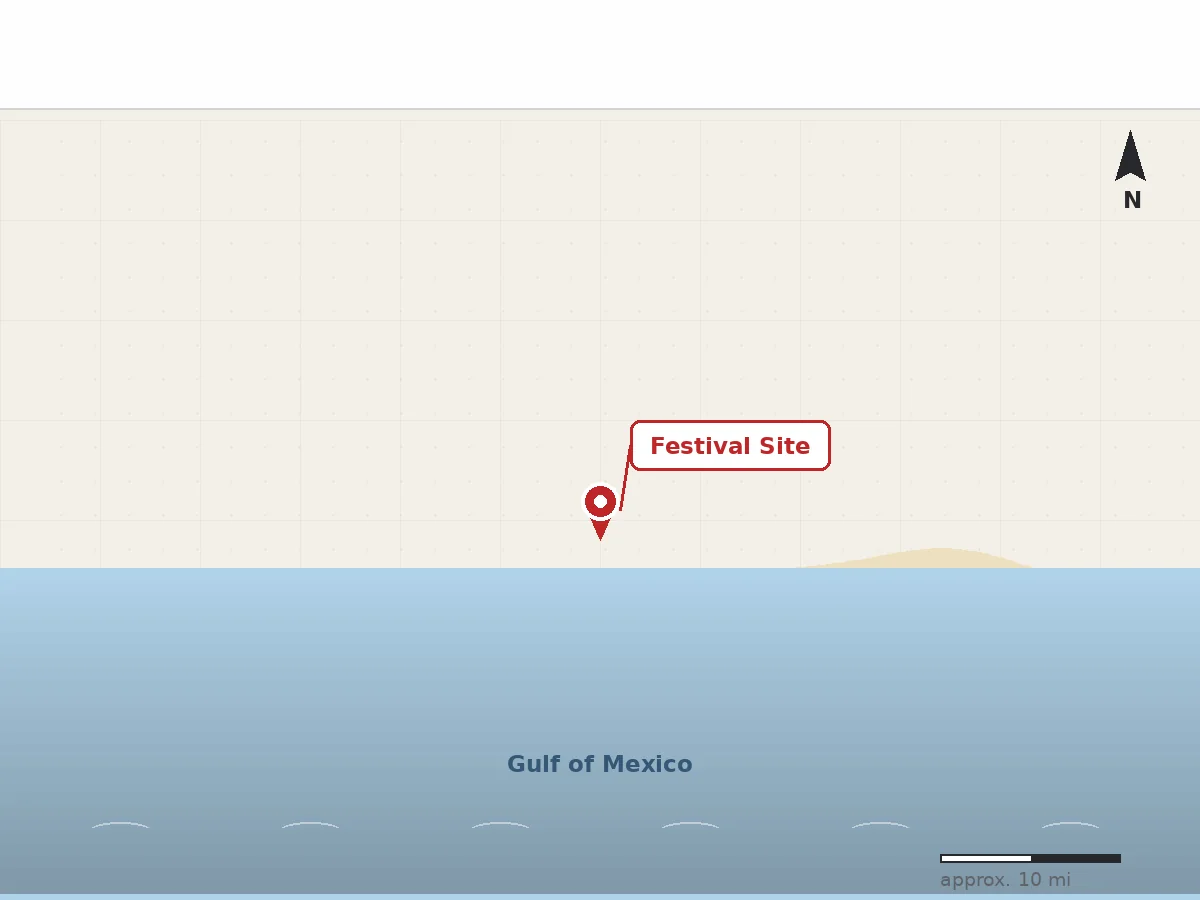
The Power County Fair takes place in the American Falls area of Power County, Idaho, in the Snake River Plain of south-central Idaho.
Answers for First-Time Power County Fair Visitors
When does the Power County Fair usually happen?
It is a summer event, typically held on a weekend in late July or August. Exact dates shift from year to year, so confirm the current schedule with the fair’s own announcements before booking travel or requesting time off.
Is admission free?
County fairs in this region commonly keep gate admission free or minimal, with spending concentrated on rides, food, games, and ticketed grandstand events. Check current materials for the year you plan to attend, since policies can change.
What should I bring to the fairgrounds?
Bring sunscreen, a hat, water, cash in small bills, and a light jacket for the evening. Closed-toe shoes are smart for barn aisles and dusty lots, and a folding chair or blanket helps if you plan to stay for the grandstand.
Can I bring children and pets?
Children are the heart of the event, with rides, games, animals, and exhibits aimed at families. Pets are generally best left at home, both for their comfort and for the safety of livestock on the grounds, unless the fair specifically says otherwise.
Looking Ahead for the Power County Fair
The fair’s future depends on the same thing that built it: volunteers, exhibitors, and families willing to spend a summer weekend in a barn or a booth. As long as Power County’s kids keep raising animals and its organizations keep running food stands, the fair will keep its place on the calendar. Expect the format to stay familiar, with gradual improvements to facilities and entertainment rather than a wholesale reinvention.
Last updated: October 2026
For anyone who has never been, the best approach is simple: show up early, walk the barns before the crowds arrive, eat something fried, and stay for the evening program. The Power County Fair is not trying to impress anyone from out of state. It is trying to be exactly what a county of 1,443 square miles needs once a year, and in American Falls, that has always been enough.