Oneida County Idaho Festival of Trees Festival
Malad City has served as the seat of Oneida County since the county was organized on January 22, 1864, and in the generations since, this small southeastern Idaho town has learned how to gather. Oneida County covers 1,202 square miles near the Utah line — wide country, scattered ranches, and a winter calendar built on neighbors rather than crowds. When the holiday season arrives, that habit of gathering takes the shape of the Oneida County Idaho Festival of Trees Festival.
The festival belongs to the Oneida County area rather than to one address. Decorated trees and holiday displays appear in community spaces around Malad City, and residents treat the event as a chance to see familiar faces, admire handmade ornaments, and let children run loose among the lights. It is a modest, warm-hearted production, and that is exactly the point.
Festival of Trees in Oneida County: Key Details for Visitors
| Town / place | The Oneida County area, centered on Malad City |
| County and seat | Oneida County, Idaho; county seat at Malad City |
| County founded | January 22, 1864 |
| Land area | 1,202 square miles |
| Population | Small and rural; Malad City is the largest community |
| Region | Southeastern Idaho, close to the Utah state line |
| Typical timing | Winter holiday season, most years from late November into December |
| Admission | Typically free |
| Setting and features | Community halls and public spaces filled with decorated, lit trees, holiday music, family activities, and local food |
| Organizer | Community volunteers and local organizations |
What the Oneida County Festival of Trees Actually Is
At its heart, the Festival of Trees is a display. Local families, clubs, schools, churches, and businesses each take on a tree, decorate it in a theme of their choosing, and set it out for the community to walk past and admire. Some trees lean traditional, heavy with red and gold. Others are playful, homemade, or built around a cause the group cares about. The variety is the charm — no two trees look alike, and no committee seems to be enforcing a house style.
Around the trees sits everything that turns a display into an evening out: holiday music, warm drinks, baked goods, and children moving at full speed between displays. Because the festival is put on by the community rather than staged for tourists, the atmosphere stays relaxed. Visitors are welcome, but the crowd is mostly local — grandparents, neighbors, and kids in coats that are already too small.

Oneida County’s Holiday Story: From 1864 to Today’s Tree Displays
Oneida County was created on January 22, 1864, when this corner of the Idaho Territory was still being carved into administrative shapes. Malad City was named the county seat, and it has held that role ever since. The county’s 1,202 square miles have always been more land than people — a place where distances are measured in valleys and where a community event means someone drove an hour to be there.
That geography explains a lot about how the holidays work here. In a county this spread out, winter can be isolating. A decorated hall full of lit trees is a practical answer to that: a reason to leave the ranch, put on something other than work clothes, and stand around with a cup of something hot while the kids circle the displays.
The Festival of Trees as it exists now is a modern expression of that older instinct. Tree displays of this kind became popular across small-town America in the twentieth century, and Idaho communities adopted them readily — they are inexpensive, they involve everybody, and they photograph beautifully. In Oneida County, the event settled into the rhythm of the season: a weekend or two of trees, music, and food, timed to the weeks when the holiday mood is strongest.
The continuity matters more than any single detail. A county that has been holding community gatherings since 1864 does not need to reinvent them each December. It simply opens the doors again.
Inside the Oneida County Festival of Trees: What Visitors Experience
The festival is a walking event. You arrive, you wander, you stop when something catches your eye, and you end up talking to people you did not expect to see. Plan on a relaxed pace rather than a scheduled tour.
Food and Warm Drinks at the Oneida County Festival of Trees
Food at a community tree festival tends to be exactly what cold weather calls for: cookies and bars on trays, hot cocoa, cider, and often a pot of soup or chili keeping warm in a kitchen off the main room. Expect bake-sale tables rather than a restaurant menu, with proceeds usually supporting a local group. Bring a little cash even though admission is typically free — it is the simplest way to support the volunteers who make the event happen.
Music and Seasonal Sound in Malad City
Music is one of the reasons the festival feels like a community event rather than a display case. School choirs, small instrumental groups, and local singers are the usual performers, and the repertoire is unapologetically traditional. In many years the entertainment is informal — someone with a guitar, a group of carolers working through the room, a piano in the corner. If you have a child in a choir, this is the performance you attend.
Family Activities Around the Trees in Oneida County
Families are the core audience. Expect hands-on things for children — ornament making, coloring tables, simple crafts, and a lot of open floor to move around on. Small children generally do best earlier in the evening, before the room fills and the day catches up with them. Because the setting is a community space rather than a crowded attraction, parents can let kids drift a little further than they would elsewhere.
Planning a Winter Trip to Oneida County for the Festival of Trees
Getting to Malad City and the Oneida County Area
Malad City sits in southeastern Idaho, close to the Utah line, and the festival draws from both sides of the border. Almost everyone arrives by car, and winter driving is part of the deal — check conditions before you leave, allow extra time, and treat the drive as part of the outing rather than an inconvenience. Fuel up before you get into the quieter stretches of the county.
Where to Stay Near Oneida County
Lodging in a rural Idaho county is limited and plain: small motels, guest houses, and a handful of short-term rentals in and around Malad City. Book early for holiday weekends, because the supply is small and the demand spikes in December. Travelers who want more choice often base themselves in a larger nearby city and drive in for the evening, though staying local keeps the whole trip simple.
Parking Around the Festival of Trees
Parking is generally straightforward — street parking and small lots near the venue, with no shuttle system and no need for one. The only real complication is timing: the busiest window is right at opening on the first evening, when everyone arrives at once. Come half an hour later, or choose a weekday evening if the festival runs across several days, and you will walk right in.
Admission and Costs at the Festival of Trees
Admission is typically free, which is central to the festival’s character — nobody is priced out of a holiday evening. Money changes hands mainly at food tables, craft sales, and donation boxes. Bring small bills and some coins for children who want to drop something in a jar. If you are budgeting a weekend, put your spending toward local food and local causes rather than tickets.
Winter Weather in Oneida County
This is high, cold country, and the festival falls in the heart of winter. Expect snow, ice, and temperatures that make a warm coat non-negotiable. Dress in layers, wear boots with grip, and keep a blanket and scraper in the car. If you are driving in from out of town, build a weather buffer into your schedule so a slow, snowy drive does not cost you the evening.
A Sample Festival of Trees Weekend in Malad City
Friday afternoon: arrive in Malad City, check into your room, and take a slow drive through town before the light goes. Friday evening: eat an early dinner locally, then head to the festival when the doors open, walking the trees while the room is fresh and the music is starting. Finish with cocoa and a second lap once the crowd thins.
Saturday morning: sleep in, then explore the county — open valley views, quiet roads, and the kind of scenery that rewards an unhurried drive. Saturday afternoon: return to the festival for crafts and the children’s activities while the light is still good. Saturday evening: come back for the music, when the room is at its warmest and most social. Sunday morning: a last walk past your favorite trees, breakfast in town, and the drive home before the afternoon weather moves in.
How Oneida County’s Festival Compares with Nearby Towns
Preston, in neighboring Franklin County, is a similar agricultural town with a similar holiday rhythm — small, local, and built around schools and churches. Logan, Utah, across the state line in Cache Valley, is a considerably larger city with a university crowd, so its winter events run bigger and busier. Pocatello, the regional city to the north, can support large commercial holiday productions with full calendars of programming.
The Oneida County festival sits at the small end of that scale, and deliberately so. What it offers instead of scale is access: you can talk to the people who decorated the tree you are standing in front of, and you can see the whole thing in an evening without a schedule. For travelers tired of ticketed holiday attractions, that is the selling point.
A Winter Weekend Checklist for the Oneida County Festival of Trees
| Warm layers and a heavy coat | Evenings in Oneida County in December are genuinely cold |
| Waterproof boots with grip | Parking lots and sidewalks ice over quickly |
| Small bills and coins | Bake sales, craft tables, and donation jars |
| Phone charger and camera | Tree displays are the photos you will actually keep |
| Thermos | Handy for the drive home after a long evening |
| Blanket, scraper, and jumper cables | Basic winter car kit for rural Idaho roads |
| Weather app check before departure | Conditions change fast between towns |
Beyond the Trees: What Else to See in the Oneida County Area
Oneida County rewards slow travel. Malad City itself is a compact, walkable county seat with a traditional main street and the unhurried feel of a town that has been here since 1864. Around it, the county opens into ranchland and broad valley views, with long roads that are beautiful in low winter light and empty enough that you can drive for miles without passing anyone.
Give yourself an afternoon for the surroundings. Stop where the view is good. Eat where the parking lot is full — in a county this size, that is the only review that matters. If you are traveling with children, the open country and the freedom to move is often the part of the trip they remember longest.
What the Festival of Trees Means to Oneida County Neighbors
In a county of 1,202 square miles with a small, spread-out population, gathering is not a given — it is work. Someone has to reserve the hall, haul the trees, string the lights, bake the cookies, and stand at the door all evening. The Festival of Trees is the visible result of a lot of invisible effort by volunteers and local organizations.
That is why the event carries more weight than its size suggests. It marks the season, it gives school groups a stage, it hands families a free evening out, and it reminds a rural county that it is, in fact, a community. Visitors are welcome, but the festival is not performed for them. It is held for the neighbors — and that is precisely what makes it worth the drive.
Where the Oneida County Festival of Trees Is Held
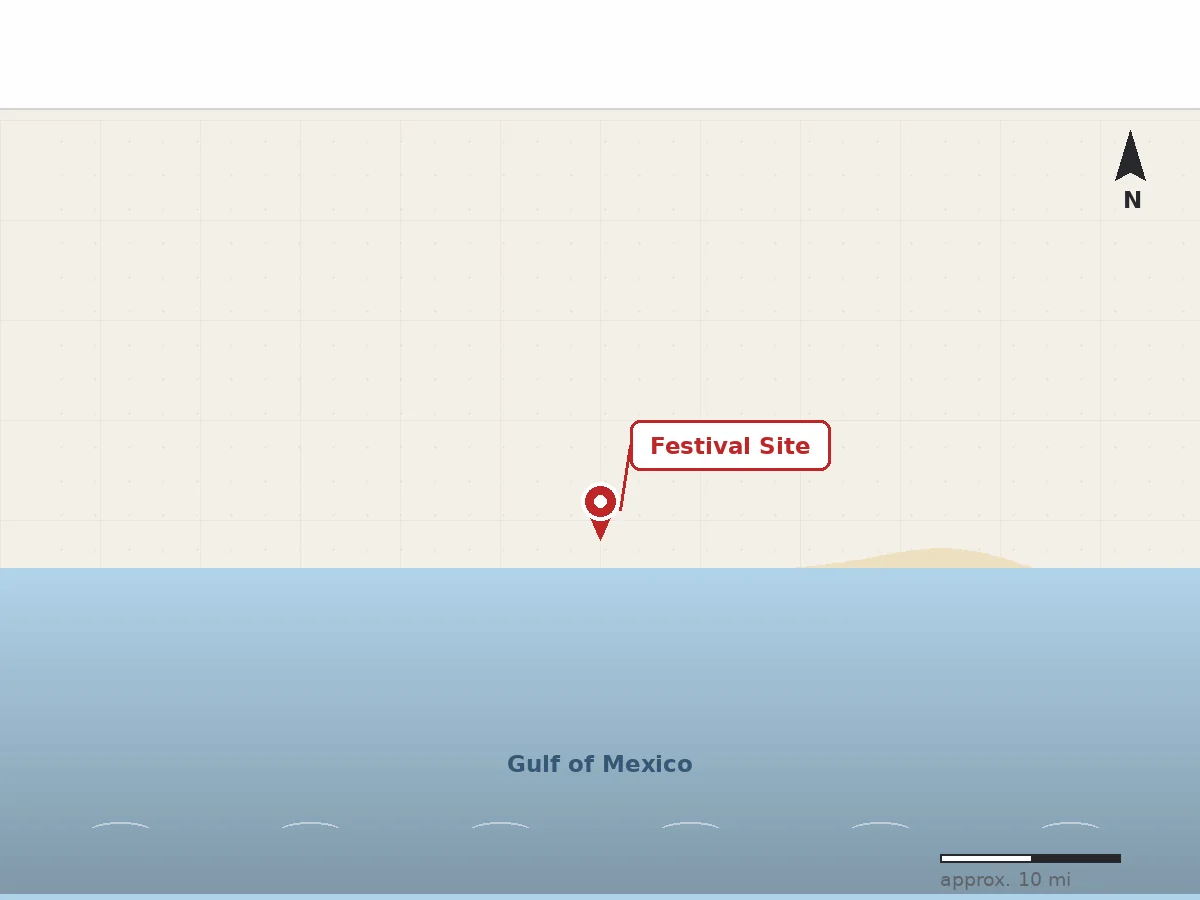
The Festival of Trees takes place in and around Malad City, the county seat of Oneida County in southeastern Idaho, near the Utah state line.
Oneida County Festival of Trees: Straight Answers for Winter Visitors
Is the Festival of Trees free to attend?
Admission is typically free, and that is part of the design — the festival exists so that any family in the county can have a holiday evening out. Costs show up mainly in food, crafts, and donations, so bring small bills if you would like to support the volunteers and local groups involved.
What time of year does the festival take place?
It is a winter holiday event, most years falling in the weeks from late November into December. Rather than planning around a fixed date, check local listings for the current season’s schedule, then build a weekend around it. Midweek evenings are usually quieter than the opening night.
Do I need tickets in advance?
No. This is a community event with open doors rather than a ticketed attraction, and there is no advance reservation system to navigate. The only thing worth planning ahead is lodging, since the county’s small supply of rooms fills quickly on holiday weekends.
How long should I plan for a visit?
Most visitors spend an hour or two walking the displays, listening to music, and eating something warm. That makes the festival an easy addition to a longer trip through southeastern Idaho rather than a destination that consumes a whole day. Pair it with a slow drive through the county and you have a full weekend.
Looking Ahead: The Festival of Trees in Oneida County’s Next Seasons
Small-town festivals survive on volunteer energy, and the Oneida County Festival of Trees is no exception. Its future depends on the same things it always has: families willing to decorate a tree, groups willing to staff a food table, and neighbors willing to show up on a cold evening. The event’s strength is that it asks so little of any one person and gives the whole county something back.
Expect the format to stay close to what it is — local, free, and built around the trees. For visitors, that means the best way to see it is still the simplest: pick a winter weekend, drive to Malad City, and walk in.
Last updated: October 2026
For anyone who has spent a December evening in a small Idaho county, the appeal of the Festival of Trees is easy to understand. It is not the scale of the display or the polish of the production that stays with you — it is the sound of a room full of neighbors, the smell of cocoa, and the sight of a child standing still in front of a tree someone they know decorated. In Oneida County, that scene has been repeated for generations, and it is still worth the drive.