Minidoka County Idaho Minidoka County Fair & Rodeo Festival
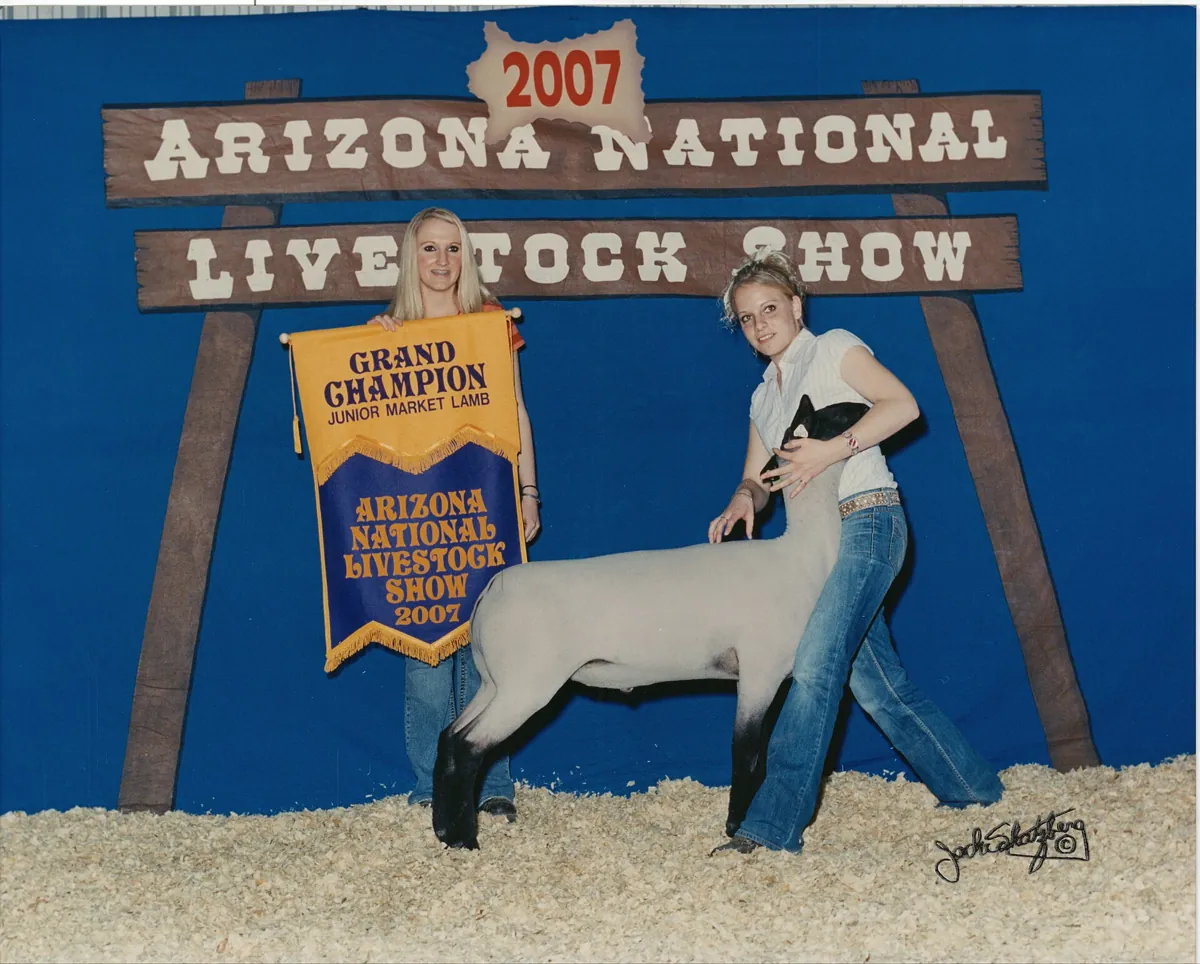
The Minidoka County Fair & Rodeo is the kind of summer event that rewards a little forethought. Rupert is the county seat of a 763-square-mile agricultural county in south-central Idaho, and when fair week arrives, the fairgrounds become the busiest place in Minidoka County. The event pairs the classic county fair — 4-H exhibits, livestock barns, a carnival midway, food booths — with rodeo competition and grandstand entertainment, usually across a multi-day run in mid-to-late summer.
Rodeo night draws a different crowd than the exhibit halls do, which is exactly why a plan helps. Whether you are coming for the livestock show, the evening performance, or both changes when you should arrive, where you should park, and what you should carry. What follows is the practical layer: timing, admission, lodging, weather, and the small decisions that separate a smooth fair day from a frustrating one.
Minidoka County Fair & Rodeo: The Essentials Before You Drive to Rupert
| Festival | Minidoka County Fair & Rodeo |
| Town / area | Rupert and the surrounding Minidoka County area |
| County and county seat | Minidoka County, Idaho; seat in Rupert |
| Population | 21,613 (2020 census) |
| County organized | January 28, 1913 |
| Region | South-central Idaho, Snake River Plain |
| Land area | 763 square miles |
| Typical timing | A summer run, most often late July into early August |
| Admission | Grounds admission is generally free; some rodeo and grandstand events may be ticketed |
| Setting and features | Fairgrounds in a farming county; livestock and 4-H exhibits, rodeo arena, carnival, vendors |
Inside the Minidoka County Fair & Rodeo in Rupert, Idaho
Minidoka County was organized on January 28, 1913, and Rupert has served as its seat of government ever since. The county’s 21,613 residents, counted in the 2020 census, are spread across 763 square miles of irrigated farm ground, small towns, and open plain. The fair is the one stretch of the year when all of that geography funnels into a single set of gates.
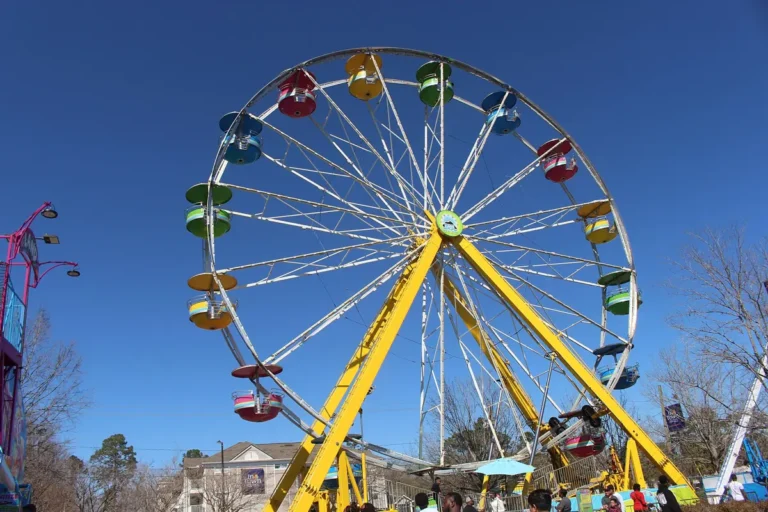
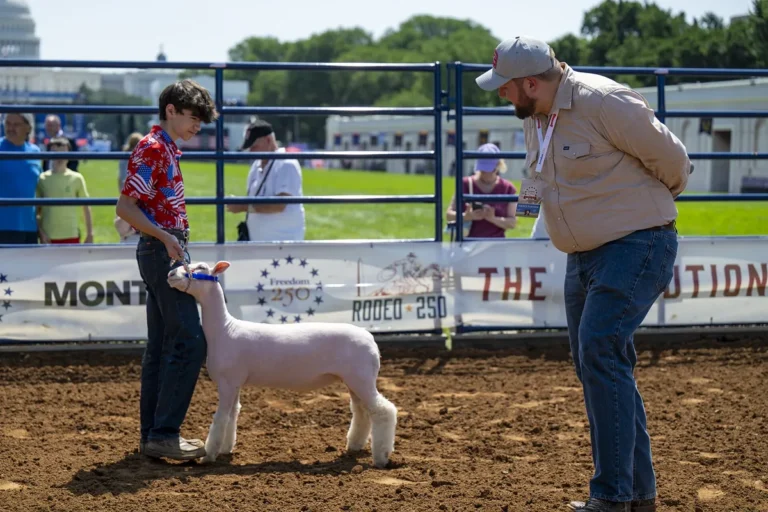
Programming follows the traditional county fair blueprint. Exhibit halls hold baking, canning, photography, quilting, and youth projects. Barns hold beef cattle, dairy animals, swine, sheep, goats, rabbits, and poultry. A rodeo arena runs roughstock and timed events, and the midway, commercial booths, and grandstand fill the evenings. Because the county is small, the fair is walkable — you can tour the barns in an afternoon and still have energy left for the rodeo.
What surprises first-time visitors is the mix of audiences. Farm families come for the livestock shows. Local teenagers come for the carnival and the grandstand. Grandparents come for the exhibit halls and the chance to run into neighbors they have not seen since last year’s fair. All three groups share the same grounds, which is part of the appeal.
A County Organized in 1913 and a Fair That Grew With the Fields
When Minidoka County was organized on January 28, 1913, the surrounding Snake River Plain was mid-transformation. Irrigation work had begun turning sagebrush ground into farm ground, and new towns were filling with homesteaders, railroad crews, and merchants. A county fair was one of the first institutions a new county wanted, because it did something government could not: it put a year of work on display and let neighbors measure it side by side.
In the early decades, that display was almost entirely agricultural — livestock judging, grain and potato exhibits, baking and canning competitions, and horse events that doubled as both sport and proof of good breeding. Rodeo grew out of the same ranch culture that supplied the county’s cattle and horses, and it gradually moved from an afternoon side attraction to the headlining evening draw.
As farming mechanized and the county’s population shifted, the fair’s role shifted with it. The barns and exhibit halls stayed at the center, but the midway, grandstand concerts, and specialty entertainment expanded to serve an audience that no longer farmed for a living. What has remained constant is the calendar logic: the fair lands after the growing season is underway and before the school year pulls families in different directions, which keeps it a genuine county-wide reunion rather than a niche event.
The Rhythm of Fair Days Around the Rupert Fairgrounds
A fair day in Minidoka County has a shape. Mornings belong to exhibitors, judges, and anyone who wants a quiet walk through the barns before the heat builds. Afternoons bring families and carnival crowds. Evenings belong to the rodeo and the grandstand, and the midway stays busy well past dark.
Fair Food Along the Minidoka Midway
Expect the standard fair lineup done well: corn dogs, funnel cakes, burgers, fry bread, barbecue, tacos, snow cones, and soft-serve. Local civic groups and church organizations often run their own booths, which is where you find the regional favorites — think hearty plates rather than novelty food. Lines peak right after the rodeo lets out, so eat before the performance if you want a table and a short wait. Many stands are cash-first, and a few take cards.
Rodeo, Grandstand Music, and Evening Entertainment
The rodeo is the anchor of the evening, with roughstock riding, barrel racing, team roping, and youth events that reliably draw the loudest reaction from the crowd. Grandstand programming varies by year and has historically included live music, specialty acts, and motorsport-style shows. Seating in the grandstand fills early on rodeo nights, so treat the start time as a hard deadline rather than a suggestion.
Family Activities and Youth Exhibits
The fair is genuinely built for kids. 4-H and FFA members staff the barns and are usually happy to answer questions about their animals. Carnival rides and games run all afternoon and evening, and youth-focused contests — including the small-scale rodeo events that get the biggest cheers — fill the gaps between shows. Strollers work fine on the main paths, though some barn aisles are tighter.
Planning the Drive, the Bed, and the Backup Plan
Minidoka County is not a place you stumble into on the way somewhere else. That is a strength for crowd levels and a complication for logistics, so build the trip around the drive and the room rather than the other way around.
Getting to Rupert from Twin Falls, Burley, and Beyond
Most out-of-county visitors arrive by car. From the west, the route runs through the Magic Valley via Interstate 84 and US-30; Twin Falls is the largest city within a comfortable drive. From the east, Burley and the surrounding Cassia County communities are close neighbors. Regional air service is available in Twin Falls, but a vehicle is essential once you land — the county’s towns are spread out and public transit is limited.
Where to Stay in and Around Minidoka County
Rupert itself has limited lodging, so most fairgoers base themselves in Burley, Heyburn, or Twin Falls and drive in. Book well before fair weekend; this is a small market and rooms tighten quickly in late summer. Campers should look at the reservoir and state park campgrounds in the area, which offer a scenic alternative but also fill early. If you are traveling with animals or a trailer, confirm your site’s hookups and pull-through space in advance.
Parking and Traffic Near the Fairgrounds
Fairground parking is typically on grass or gravel, with volunteers directing traffic. Arrive early on rodeo nights — the window between the gates opening and the grandstand filling is short. Trucks, trailers, and livestock rigs are often routed separately, so follow signage rather than the car in front of you. Above all, do not block field entrances or farm access roads; this is working agricultural country and someone may need that gate at any hour.
Admission, Tickets, and What Cash Is For
Grounds admission at county fairs in this part of Idaho is generally free, with the money made at the rodeo gate, the carnival, and the food stands. Treat that as your baseline and confirm the current year’s specifics before you go. Carnival rides are usually sold as individual tickets or an all-day wristband. Bring cash for food booths, games, and 4-H sales, and keep small bills handy for the parking crew.
Late-Summer Weather on the Snake River Plain
Expect hot, bright, dry afternoons and a sharp drop in temperature after sunset, plus wind that shows up without warning. Afternoon thunderstorms are possible in late summer. Shade is scarce on the midway, so hats, sunscreen, and refillable water bottles are not optional. A light jacket or long-sleeve layer earns its place in the bag the moment the sun goes down behind the grandstand.
A Two-Day Minidoka County Fair & Rodeo Weekend, Mapped Out
Day one: arrive mid-afternoon, park while the lots are still open, and walk the exhibit halls and barns before the crowds thicken. Eat an early dinner on the midway, then claim grandstand seats well before the rodeo starts. Stay for the carnival afterward, when the lights are on and the lines are shorter than they were at dusk.
Day two: come back in the morning for the livestock shows and the quieter barn hours, when exhibitors have time to talk. Break for lunch in Rupert and rest during the hottest part of the afternoon, then return for the evening grandstand program and a final pass through the food booths. If you are traveling with young children, this split schedule beats one marathon day by a wide margin.
How Minidoka Compares With Nearby Idaho Fairgrounds
The Twin Falls County Fair, held in Filer to the west, tends to run larger, with a heavier concert and commercial footprint. The Cassia County Fair in Burley is a short drive east and operates at a scale closer to Minidoka’s. Minidoka’s edge is compactness: the grounds are walkable, parking is simpler, and you are more likely to recognize the people next to you in the grandstand.
On the town side, Twin Falls offers the most lodging and dining within an easy drive, Burley is the closest practical base for a quick meal or a hotel room, and Rupert itself is small, quiet, and easy to navigate. Many fairgoers pair the event with a night in Twin Falls and treat the drive as part of the outing.
The Minidoka County Fair Checklist: Confirm It, Pack It, Go
| Confirm the current year’s dates and rodeo schedule | Dates shift year to year, and lodging decisions depend on them |
| Book a room or campsite early | Late summer inventory in the region is limited |
| Bring cash in small bills | Food stands, games, and youth sales often prefer it |
| Pack sun and wind protection | Afternoons are bright, hot, and breezy on the plain |
| Add one warm layer per person | Evenings cool fast after sunset |
| Arrive early on rodeo nights | Parking and grandstand seating go first |
| Charge devices and bring a battery pack | Long days outdoors drain phones quickly |
| Ask the fair office about accessibility | Surfaces vary between paved paths and gravel |
Beyond the Fairgrounds: Rupert, Lake Walcott, and the Snake River
Give yourself an extra half day. Lake Walcott State Park and the surrounding national wildlife refuge area offer water access, birding, and some of the quietest shoreline in the county — a sharp contrast to the midway. The Snake River and the irrigation infrastructure that made this farm country possible are worth a slow drive on their own.
In Rupert, a walk through the downtown core takes less than an hour and pairs well with a local cafe stop. Farm roads radiating out of town show the county’s real character: potato and sugar beet fields, alfalfa, dairies, and cattle. If you want a fuller evening of restaurants and shopping, Twin Falls is the regional hub and makes an easy add-on to the trip.
What the Fair Means to Minidoka County’s 21,613 Residents
In a county of 21,613 people, the fair is not entertainment on the margins — it is the civic calendar’s centerpiece. It is where 4-H members learn to present their work, where service clubs and volunteer departments raise money, and where the agricultural economy gets a public showcase rather than a private ledger.
It is also the one week when the county’s farm families and town residents occupy the same space for days at a time. That overlap is the point. For a place this size, the fair functions as reunion, marketplace, and hometown pride event all at once, and it survives because volunteers keep showing up year after year.
Where the Minidoka County Fairgrounds Sit in the County
The Minidoka County Fair & Rodeo takes place in the Minidoka County area around Rupert, the county seat, in south-central Idaho’s Snake River Plain.
Minidoka County Fair & Rodeo: Visitor Questions, Answered
When is the Minidoka County Fair & Rodeo held?
It is a summer event, most often running from late July into early August, usually across several consecutive days. Exact dates shift each year, so confirm the current schedule before you book lodging or request time off.
Is admission free?
Grounds admission at this kind of county fair is typically free, with revenue coming from rodeo and grandstand tickets, carnival rides, and food vendors. Plan on spending money inside the gates even if entry costs nothing.
Where do out-of-town visitors usually stay?
Is the fairgrounds a good fit for young children and older visitors?
Yes. The grounds are compact and walkable, which suits both strollers and visitors who prefer not to cover long distances. The main challenge is heat rather than terrain, so plan your visit for the morning or evening and check with the fair office about specific accessibility needs, since surfaces vary across the grounds.
Looking Ahead to Coming Minidoka County Fair Seasons
The fair’s future is tied to two things: the strength of the county’s farm economy and the willingness of volunteers to keep organizing it. Neither is guaranteed, which is precisely why the event still matters. Expect the format to keep blending tradition — barns, exhibits, 4-H auctions — with newer grandstand draws aimed at a younger crowd.
For travelers, the practical takeaway is simple: build your plans around the season rather than a fixed date, check the schedule each spring, and book lodging early. The fair is a reliable summer fixture in Minidoka County, but its exact timing moves.
Last updated: October 2026
Minidoka County does not try to be a big-city festival, and that is the whole appeal. With a little planning around timing, parking, lodging, and the late-summer heat, the fair and rodeo in Rupert delivers something increasingly hard to find: a genuine county gathering where the exhibits, the animals, and the people in the stands all come from the same stretch of Idaho farm ground.