Maui County Hawaii Maui Onion Festival
The Maui Onion Festival is Maui County’s yearly tribute to a vegetable that tastes like nowhere else in Hawaii. Each late summer, the islands’ famously mild, sweet onions step out of farm stalls and restaurant kitchens and into the middle of a public celebration built around food, music, and the unhurried rhythm of island life.
The Maui Onion Festival in Brief: County, Season, and Setting
Before you plan anything, here is the shape of the event in one place — where it sits, when it tends to happen, and what kind of day it usually turns out to be.
| Town / area | Maui County area, Hawaii |
| County | Maui County |
| County seat | Wailuku |
| Population | 164,754 (2020 census) |
| Land area | 2,398 square miles |
| Region | Hawaiian Islands, central Pacific |
| Typical timing | Late summer, most often in August |
| Admission | Typically free to attend |
| Setting | Coastal festival grounds with upcountry farm country inland |
| Features | Sweet onion dishes, cooking demonstrations, live music, keiki activities, craft vendors |
Sweet Onions, Trade Winds, and a Maui County Tradition
The Maui Onion Festival is a food-first gathering held in the Maui County area, built around the sweet onions that thrive on the island’s cooler, higher-elevation slopes. These are not the sharp, tear-inducing bulbs most cooks keep in a kitchen basket. Maui onions are mild enough to bite into raw, sweet enough to caramelize in minutes, and flexible enough to turn up in salsa, soup, chutney, and a properly stacked onion ring.
Because the festival is about a crop rather than a brand, it carries a distinctly rural flavor even when it is staged near the water. Farmers, chefs, and home cooks share the same patch of grass. The day moves slowly on purpose: you graze, you talk story, you stop for a cooking demonstration, you sit down with a plate and let a band play while the trade winds do their work.
It is also a neat snapshot of the county itself. Maui County covers 2,398 square miles and is home to 164,754 people counted in the 2020 census, with its county seat in Wailuku and a civic history that reaches back to 1905. A festival devoted to one humble vegetable fits a place where agriculture, ocean, and resort life sit within a short drive of each other.
How Upcountry Onion Fields Became a Maui County Celebration
The festival’s roots sit in Maui County’s farming tradition. Long before visitors arrived with sunscreen and snorkel gear, the island’s upland slopes were known for vegetables that benefited from cool nights, volcanic soil, and steady mist. Sweet onions became one of the signature crops of that upcountry belt, prized for a flavor that softened rather than stung.
Early years. The event began in the spirit of a farm-stand gathering — growers, cooks, and neighbors trading recipes and comparing harvests, with a few tables and a lot of talking.
Growth years. As Maui County’s visitor economy expanded, the onion celebration grew with it. Cooking demonstrations, live entertainment, and family programming were added, and the festival became a date that residents and returning visitors circled on the calendar.
Today. It functions as both a food festival and a quiet piece of agricultural advocacy, reminding everyone on the grounds that the onion in their hand came out of Maui dirt, not a shipping container. The county’s own story runs parallel: founded in 1905, centered on Wailuku, and now home to more than 160,000 residents across islands that stretch over 2,398 square miles.
The Texture of a Festival Day in Maui County
What you actually experience depends on the year, the weather, and how hungry you arrive. The constants are the smell of grilled onion in the air, a crowd that mixes local families with hotel guests, and a schedule that never feels frantic.
Sweet Onion Plates, Demonstrations, and Local Flavor
Food is the center of gravity. Expect onion rings with a light batter, grilled onions piled onto burgers and plate lunches, onion soup, onion jam, and raw sweet onion slices served simply with tomato and salt so you can taste what all the fuss is about. Chefs from around Maui County often take a turn at demonstration tables, walking through techniques and answering the question every home cook asks: why do these onions taste so much milder than the ones back home? Vendors sell bulbs by the bag, which is why so many visitors end up carrying produce through an airport a few days later.
Island Music, Hula, and Entertainment in the Open Air
Live entertainment typically runs through the day — slack key guitar, ukulele, hula, and contemporary island bands, with an emcee keeping things moving between sets. The music is rarely loud enough to stop conversation, which is the point. You can stand at the edge of the crowd with a plate in one hand, watch a hula dancer, and still hear the person next to you explain which onion dish you should try next.
Keiki Activities and Things for Kids to Do
Families are well looked after. Onion-themed games, craft tables, and simple contests keep children occupied while adults graze, and the flat, walkable grounds make it easy to bring a stroller or a grandparent. Shade is limited in the middle of the day, so most families stake out a spot early, feed the kids first, and let them run while the band plays. Bring a hat and more water than you think you need.
Getting to the Maui Onion Festival: Island Logistics and Local Know-How
Maui County is large and spread out, so the practical questions matter more here than at a mainland street fair. Plan the day around traffic, sun, and the fact that everything on the island takes a little longer than the map suggests.
Arriving from Kahului, Wailuku, and the Resort Areas
Most visitors fly into Kahului and rent a car. From there, the drive to the festival grounds is manageable, but the island’s two-lane highways can slow to a crawl when everyone is heading the same direction. Leave earlier than you think necessary, fuel up before you go, and treat the drive as part of the day rather than a chore. If you are staying nearby, walking or a short rideshare is the calmest option.
Where to Stay in Maui County for Festival Weekend
Wailuku, the county seat, and nearby Kahului put you close to the airport and central to everything. Resort areas along the coast offer beach access and easier evening dining. Upcountry rentals give you cooler nights and quick access to farm country. Book early for late summer — August is a popular month on Maui, and the best-value rooms go first.
Parking, Shuttles, and Traffic Realities
Parking near a popular island event fills quickly, and lots are often smaller than mainland visitors expect. Arrive in the first hour, carpool, or use a shuttle if one is running from a nearby lot. Do not park on private property or in reserved hotel stalls; towing on Maui is not a rumor. If you are staying within a mile or two, walk.
Admission, Food Prices, and What to Budget
Admission is typically free, which makes the festival an easy add-on to a beach day. Your real spending is on food, drinks, and onions to take home. Bring cash for smaller vendors and a card for the rest, and set a rough budget before you arrive so a second order of onion rings does not surprise you.
Weather, Sun, and What to Wear
Late summer on Maui means warmth, humidity, and strong sun, with trade winds offering relief. Afternoon showers are possible, especially inland. Dress in light layers, wear a hat, use reef-safe sunscreen, and bring a refillable water bottle. Comfortable shoes matter — you will be standing on grass and pavement for hours.
A Sample Weekend Built Around the Maui Onion Festival
Friday. Land at Kahului, collect your car, and settle in. Spend the afternoon in Wailuku or along the coast, eat an early dinner, and get to bed before island time convinces you to stay up.
Saturday. Arrive at the festival grounds in the morning while parking is easy and the onion rings are still coming out of fresh oil. Eat your way through the food stalls, catch a cooking demonstration, then claim shade for the afternoon music. Leave mid-afternoon, rinse off, and have a quiet dinner.
Sunday. Head upcountry for farm stands and cool air, or drive the coast for a beach morning. Buy a bag of sweet onions on your way back if you did not already, and finish with shave ice before your flight home.
Pairing the Festival With Nearby Maui Towns and Gatherings
Wailuku, the county seat, is the most practical companion stop — compact, historic, and close to the airport. Upcountry towns such as Makawao and Kula offer a different Maui entirely: paniolo heritage, ranch land, and farm stands that make the onion festival feel like the beginning of a longer agricultural thread. On the island’s calendar, the Makawao Rodeo and East Maui taro celebrations in Hāna scratch a similar itch — local, rooted, and more about community than spectacle. Compared with a large resort event, the onion festival is smaller, cheaper, and easier to enjoy without a plan.
Maui Onion Festival Packing and Prep Checklist
Reef-safe sunscreen, a wide-brimmed hat, sunglasses, a refillable water bottle, cash in small bills, a tote for onions, a light rain jacket, comfortable walking shoes, a beach towel for the car, a cooler bag if you are buying produce, and a fully charged phone. Add a reusable plate or utensils if you want to cut down on waste, and pack a light long-sleeve layer for the drive home after sunset.
Beyond the Festival: Maui County’s Beaches, Towns, and Trails
Maui County rewards a few extra days. Snorkel a protected bay in the morning, then drive upcountry in the afternoon for cooler air and roadside fruit stands. Wailuku offers historic storefronts and a genuine local downtown feel, while Kahului handles the practical side of island life with markets, shops, and the airport. Hāna, on the island’s windward side, is a full-day commitment along a famously winding road, and worth it for travelers who enjoy the journey as much as the destination.
Farm tours, farmers markets, and small roadside stalls are the natural extension of a festival built on onions. If the event leaves you curious about how food reaches Maui tables, spend an afternoon in the upcountry belt and see the fields for yourself. The county’s 2,398 square miles hold far more than most week-long visitors manage to cover.
Why the Maui Onion Festival Matters to Maui County
Festivals like this one do quiet work. They give growers a public stage, hand local chefs a reason to cook with what is in season, and offer residents a free afternoon that belongs to them rather than to tourism. In a county of 164,754 people spread across islands, with Wailuku as its seat and a civic identity dating to 1905, a single crop can carry a surprising amount of shared pride. The onion is ordinary everywhere else. Here, it is a signature.
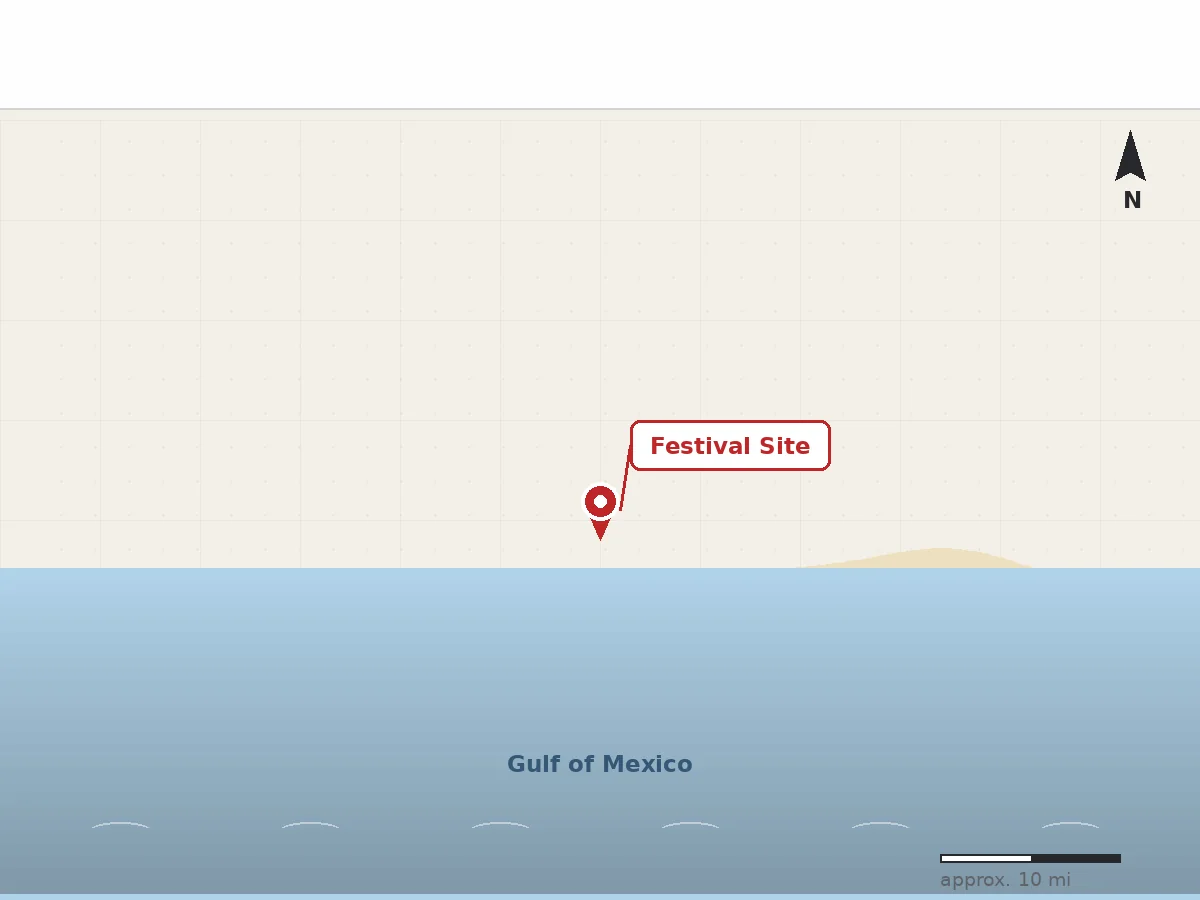
Where the Maui Onion Festival Sits on the Island
The Maui Onion Festival takes place in the Maui County area of Hawaii, in a coastal island setting with upcountry farmland a short drive inland.
Maui Onion Festival Questions, Answered
When is the Maui Onion Festival usually held?
It is typically staged in late summer, most often during August. Exact dates shift from year to year, so check local listings closer to your travel window rather than planning around a fixed weekend.
Do you need tickets to attend?
Admission is typically free. You will pay for food, drinks, and any onions or crafts you take home, so bring a modest budget and some cash for smaller vendors.
Is the festival good for young children?
Yes. The grounds are generally flat and walkable, there are keiki activities, and the atmosphere is relaxed. The main challenges are sun and crowds at peak lunch hours, so arrive early and bring water.
What should I eat while I am there?
Start with the onion rings and a simple raw onion plate so you can taste the difference, then branch into grilled onion dishes, soup, and anything a local chef is demonstrating. Save room for island desserts and shave ice.
The Next Seasons of the Maui Onion Festival
The festival’s future looks tied to the same things that built it: local farms, local cooks, and a community that shows up. Expect continued emphasis on Maui-grown produce, more family programming, and a steady role as a shoulder-season draw for visitors looking for something other than a resort pool. As long as sweet onions come out of Maui soil, there will be a reason to gather and eat them in the open air.
Last updated: October 2026
If you build a Maui trip around the onion festival, you get more than a plate of onion rings. You get an afternoon that smells like charcoal and cut grass, a band playing under the trade winds, and a small, specific taste of what Maui County grows — which is, in the end, the best souvenir the island offers.