Maui County Hawaii Made in Maui Festival

The Kahale family left their Wailuku home before the heat settled in, a soft cooler in the trunk and two kids in the back seat negotiating over who got the window. Malia and Devin had been promising their children a Made in Maui day since spring. Noe, nine, wanted to find out whether anyone was selling hand-painted surfboards. Kimo, five, wanted to know if there would be shave ice. Both questions would be answered well before lunch.
Made in Maui is exactly what its name suggests: a gathering built around the things people in Maui County make, grow, cook, and play. It takes place in the Maui County area, pulls families from Wailuku and Kahului as well as the resort towns, and runs on a simple premise — if it comes from this island county, it belongs on this table.
Made in Maui Essentials: A Maui County Snapshot
| Town / place | The Maui County area |
| County | Maui County, Hawaii |
| County seat | Wailuku |
| Population | 164,754 (2020 census) |
| Region | Central Maui and the wider county |
| Typical timing | Each autumn in most years, on a weekend |
| Admission | Typically free |
| Setting | Outdoor community grounds with vendor tents and a lawn |
| Features | Local food, crafts, live music, keiki activities |
| Organizer | Local makers and community partners |
What Made in Maui Is, and Why It Feels Local
Made in Maui is a community festival with a narrow, stubborn focus: Maui County goods. Vendors set up with jams made from Upcountry fruit, reef-safe skincare, koa and mango woodwork, lauhala weaving, ceramics, photography, spice blends, coffee, and clothing printed a few miles from the tent it hangs in. The county spreads across 2,398 square miles of islands, coastlines, and ranch land, and the festival works as a shortcut — a visitor can meet makers from that entire spread in a single afternoon.
Maui County was founded in 1905, with Wailuku as its seat, and the festival’s character comes straight out of that long local history: plantation-era food traditions, paniolo ranch culture, fishing families, and a newer wave of small businesses run by people who grew up here. Admission is typically free, which matters more than it sounds. A family of four can wander in, taste, listen, and leave without feeling priced out of their own island’s celebration.
How Maui County’s Own Makers Found a Stage
Public life in Maui County has always been organized around its towns: Wailuku as the seat, Kahului as the port and airport town, Lāhainā and Kīhei on the west and south shores, Hāna out east, and the Upcountry communities of Kula and Makawao. For most of the twentieth century, the things people made here were shipped out or sold quietly at roadside stands and kitchen tables.
Made in Maui grew from a simple correction to that pattern — a stage where the island’s own products are the headline rather than a souvenir afterthought. In most years the festival returns in autumn, on a weekend, timed to the shoulder season when visitor traffic eases and local families have room to spread out. It has become a recurring date on the county calendar for crafters, food producers, and musicians, many of whom sell online all year and count on this kind of in-person weekend to meet their customers face to face.
One Kahale Family’s Day, Start to Finish
The Kahales arrived while vendors were still straightening tablecloths and taping down extension cords. Parking was simple then; by midmorning it would not be. At the gate they collected a printed map, and Noe immediately took charge of navigation, tracing a route that conveniently passed every dessert stall.
Food: Plate Lunch Lines and Upcountry Fruit
Food is the first thing that slows a family down. Kalua pork plates, poke bowls, banana bread, mochi, grilled corn, and cups of fresh-cut pineapple from Upcountry farms are standard fare, alongside shave ice in flavors that change with the season. Kimo got his shave ice before ten in the morning, an indulgence Devin chose to allow. The practical lesson: popular stalls build long lines at midday, so eat early or wait until the afternoon lull. Vendors are small operations, so bringing cash speeds things up considerably.
Music and Entertainment: Slack Key, Ukulele, and Talk Story
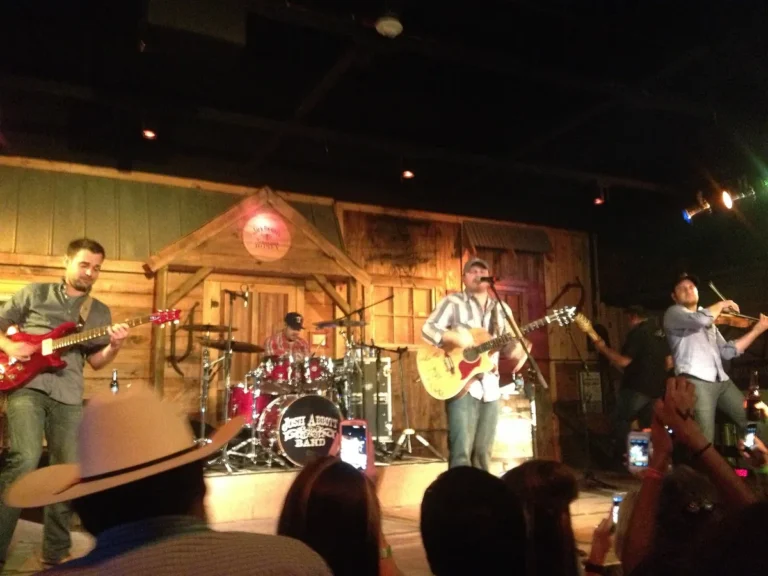
A stage anchors one end of the grounds, with slack key guitar, ukulele, and falsetto singing rolling through the afternoon. Between sets, there are talk-story moments — makers explaining how a piece was built, why a recipe survived, where a fabric was printed. Malia found those short conversations more interesting than the music, and she ended up talking with a weaver for twenty minutes about how long it takes to prepare lauhala leaves.
Family Activities: Keiki Crafts, Shade, and Room to Run
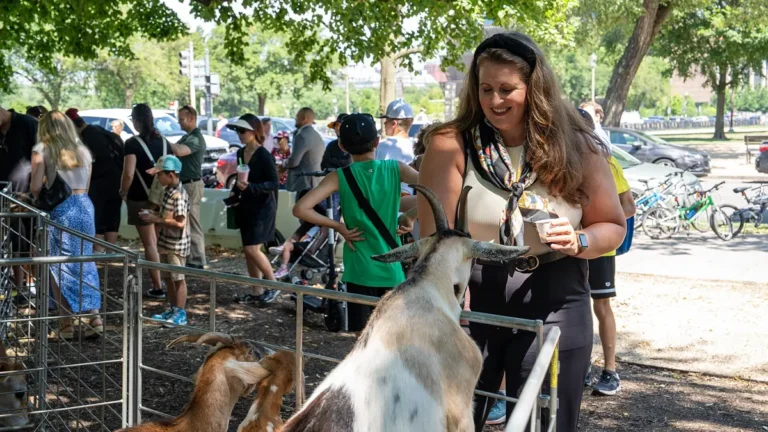
Children are not an afterthought here. Keiki craft tables, weaving demonstrations, seed-planting stations, and simple games keep younger kids occupied while parents browse. The lawn matters too — there is open space for a blanket, a cooler, and a five-year-old who needs to burn off energy between purchases. Shade is limited, so most families claim a patch of grass early and treat it as home base for the day.
Getting the Kahales There: Planning Notes for Maui County Visitors
Getting There from Kahului, Wailuku, and the Resorts
Most visitors land at the airport in Kahului, which puts them within a short drive of the festival area. Wailuku is closer still, making central Maui the easiest base. Guests staying in Kīhei or Wailea face a longer but straightforward drive, while those coming from the west side or from Hāna should plan for a genuine road trip and an early start.
Where to Stay Around Maui County
Wailuku and Kahului offer the shortest commute and a more local feel. Kīhei and Wailea provide resort amenities with a longer morning drive. Upcountry rentals in the Kula and Makawao area trade beach access for cooler nights and farm stands on the way home. Autumn is a popular stretch in Maui County, so book lodging well ahead of the weekend you have in mind.
Parking Near the Grounds
Parking fills quickly once the gates open. Arrive in the first hour if you want an easy spot, carpool with friends, and follow the directions of volunteers rather than inventing your own space. Avoid blocking driveways or private roads in the surrounding neighborhood — it is a residential area, and residents notice.
Admission and What a Day Costs
Admission is typically free, which makes the festival an easy add-on to a Maui County trip. Your real spending happens at the stalls: food, drinks, crafts, and gifts. Set a budget before you walk in, bring cash in small bills, and expect to spend more than planned on the item you did not know you needed.
Weather: Trade Winds and Afternoon Sun
Central Maui in autumn means warm days, steady trade winds, and the occasional brief shower. Sun exposure is the bigger issue — there is little natural shade on open grounds. Hats, reef-safe sunscreen, and refillable water bottles are not optional. A light layer helps if you are heading Upcountry afterward, where evenings run noticeably cooler.
A Sample Made in Maui Weekend, Built Around the Family
Day one: arrive early, walk the craft aisles while the grounds are still quiet, eat lunch before the rush, then settle on the lawn for an afternoon of music and keiki activities. Leave mid-afternoon before everyone melts down, and finish with dinner in Wailuku town. Day two: return with a specific list — the ceramic bowl, the coffee, the gift for a neighbor — catch a demonstration you missed, and let the kids spend their own money at one stall each. It is a slower, cheaper second visit, and usually the one families remember.
Made in Maui Compared with Other Maui County Towns and Gatherings
Maui County’s other communities host their own smaller markets and fairs, and each has a distinct flavor. Kīhei’s south-shore events lean beachy and casual, with ocean air and resort traffic. Upcountry gatherings in the Makawao and Kula area feel rural and cool, tied to ranching and farming. Hāna’s occasional community events are tiny, remote, and deeply local. Made in Maui sits between them: broader in scope than any single town’s market, centrally located, free to enter, and focused specifically on goods made within the county.
The Kahale Family Checklist for Made in Maui
Before you go: confirm the season’s weekend through local listings, since the festival runs in autumn in most years, and check whether any programs require advance sign-up. Pack a reusable tote, cash in small bills, hats, sunscreen, water, and a blanket for the lawn.
At the festival: eat before noon, buy the thing you love when you see it rather than circling back, and talk to the makers — that conversation is half the value. Keep an eye on keiki in the craft area, and set a meeting point in case anyone wanders.
Afterward: store perishables in a cooler, and note the vendor names you liked so you can order from them directly during the rest of the year. Small Maui County businesses live on repeat customers.
Beyond the Festival: Wailuku, Kahului, and the Rest of Maui County
Wailuku rewards a slow walk. As the county seat, it holds historic storefronts, small restaurants, and galleries, and it sits near the entrance to ʻĪao Valley, one of central Maui’s signature landscapes. Kahului is the practical hub — airport, harbor, big-box shopping — and a good place to stock up before heading anywhere else. Beyond that, the county opens up: south-shore beaches in Kīhei, the road to Hāna, Upcountry farms and ranches, and the west-side coastline. Give yourself at least one extra day to use the festival as a starting point rather than the whole trip.
What Made in Maui Means to a County of 164,754
For a county of 164,754 people spread across islands and coastlines, a festival like this does quiet economic work. It gives small producers a concentrated audience, keeps money circulating locally instead of leaving with tourists, and hands keiki a visible answer to the question of what their island actually makes. It also builds the kind of familiarity that a scattered county rarely gets — neighbors from Kīhei meeting ranchers from Upcountry, Wailuku families discovering a weaver from Hāna. That mixing is the real product.
Where Made in Maui Sits in Maui County
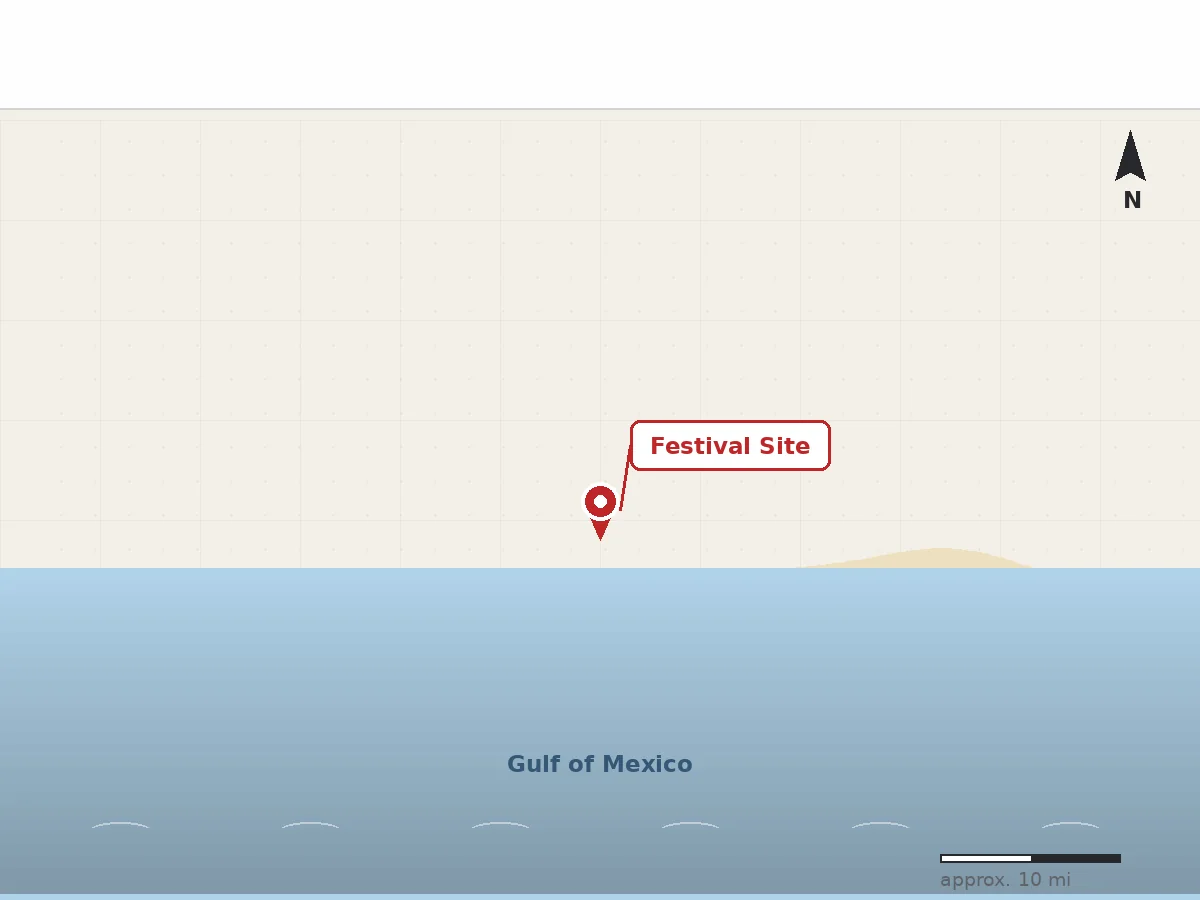
Made in Maui takes place in the Maui County area, with Wailuku — the county seat — as the practical anchor for anyone navigating there from elsewhere on the island.
Made in Maui Questions First-Time Visitors Ask
Is Made in Maui free to attend?
Admission is typically free, so there is no ticket barrier to plan around. Your spending will be at the vendor stalls — food, drinks, crafts, and gifts — so bring cash and set a rough budget before you arrive.
When does Made in Maui usually take place?
In most years the festival is held in autumn, on a weekend, during Maui County’s shoulder season. Because the exact weekend shifts, check local listings close to your travel dates rather than planning around a fixed date.
Is it a good outing for young children?
Yes. Keiki craft tables, demonstrations, games, and open lawn space make it manageable for families with small kids. Bring sun protection, water, and a blanket, and plan to leave before the afternoon heat peaks.
Can visitors buy directly from Maui County makers?
That is the entire point of the event. Vendors sell directly, which means you can ask about materials, methods, and sourcing in person, and often arrange future orders once you are back home.
Looking Ahead for Made in Maui
The festival’s future looks steady rather than explosive, and that suits it. Expect continued emphasis on genuinely local vendors, more keiki programming, and a gradual push toward less waste — reusable cups, fewer single-use plastics, better recycling on the grounds. As Maui County’s small-business community grows, the festival is likely to remain the one weekend where all of it stands in the same place at the same time. Families like the Kahales will keep coming back for exactly that reason.
Last updated: October 2026
If you go, go early, bring cash, and leave room in the car. The Kahales drove home with a ceramic bowl nobody planned to buy, a bag of Upcountry fruit, and two tired kids who had already asked whether Made in Maui happens again next year. It does — in autumn, in most years, in the Maui County area. Put it on the calendar and let the day unfold at island speed.