Madison County Idaho Whoopee Days Rodeo Festival
Madison County, Idaho covers 473 square miles of farmland, canal water, and small towns, anchored by Rexburg, the county seat. For most of the year it is not a loud place. Once each summer, though, the Whoopee Days Rodeo turns a single weekend into the county’s biggest gathering, pulling in families from across the upper Snake River plain and travelers who happen to be passing through on their way toward the Tetons.
This guide is written for people who plan. If you want to know how the weekend usually runs, where to sleep, where to park, what midsummer weather does in eastern Idaho, and how to fit the rodeo into a longer road trip, the sections below are ordered around those questions rather than around hype.
Madison County Whoopee Days Rodeo: Key Details for Visitors
| Town / area | Madison County area, anchored by Rexburg |
| County | Madison County, Idaho |
| County seat | Rexburg |
| Population | 52,913 (2020 census) |
| Land area | 473 square miles |
| County founded | February 18, 1913 |
| Region | Upper Snake River plain, eastern Idaho |
| Typical timing | A summer weekend, most often in July |
| Admission | Typically free to attend |
| Setting | Small-town rodeo grounds with grandstand seating, vendors, and open space |
The Character of Whoopee Days in Rexburg’s Home County
Whoopee Days is a community rodeo festival rather than a stadium production, and the scale is the point. Picture an arena, a set of grandstands, a ring of food trailers, an open area where kids run, and a crowd that includes as many neighbors as out-of-town visitors. That is the shape of the weekend.
Madison County’s identity is agricultural and academic at once. Rexburg anchors the county as its seat and largest population center, with a university campus that fills the town during the school year, while the land around it stays farm and ranch country. The rodeo speaks to both halves of that character.
Because the event runs at a local scale, the experience is less about headline acts and more about the rhythm of rodeo itself: opening ceremonies, roughstock events, timed events, and an announcer who knows many of the contestants by name. Between the arena action, the grounds fill with food, music, and activities aimed squarely at families. For a first-timer, the useful mental model is a county fair compressed into a rodeo weekend — a few hours rather than a full day, with grass and gravel underfoot rather than pavement.
Rodeo Roots: How Whoopee Days Grew in Madison County
Madison County was founded on February 18, 1913, carved out of eastern Idaho at a time when Rexburg was already the service town for the farm and ranch families around it. Rodeo grew naturally out of that world. The skills of ranch work — riding, roping, working cattle — became competition, and competition became a community celebration with a gate, a grandstand, and a concession stand.
The Whoopee Days Rodeo belongs to that tradition. Over the decades it has settled into the pattern most small-town rodeos follow: a volunteer committee, a local arena, a weekend chosen to fit both the agricultural calendar and the summer weather, and a program that mixes serious competition with entertainment for people who have never been near a horse.
What has changed is the audience. The county’s 52,913 residents, counted in the 2020 census, include students, faculty, tradespeople, and commuters alongside long-established ranching families, and the rodeo now serves all of them. What has not changed is the volunteer backbone. Gates, concessions, arena crew, and announcing are typically handled by people who live within a short drive of the grounds.
What a Whoopee Days Weekend Actually Feels Like
The weekend usually follows a familiar arc: a slower opening, a busy middle day, and a finale that empties the grandstand slowly because nobody wants to leave. Here is what to expect from the three parts of the event that shape most visitors’ experience.
Food Stalls and Rodeo-Night Eating
Food at a small-town rodeo is part of the entertainment. Expect the classics: grilled burgers and hot dogs, fry bread and funnel cake, nachos, corn, snow cones, and a lemonade stand or two. Vendors typically line the main walkway, which means lines form hardest in the hour before the grand entry and again at intermission. Eat early or eat late to dodge the crush, bring cash as a backup even if most stalls take cards, and carry a refillable water bottle — eastern Idaho afternoons are dry and the grandstand offers little shade.
Announcers, Music, and Arena Entertainment
The announcer carries the show. A good rodeo announcer explains each event as it unfolds, so newcomers can follow roughstock riding and timed events without a program. Expect music between rides and during breaks, a national anthem to open the performance, and clown or barrelman segments that keep the pace moving while the arena crew resets. Between performances, the grounds often host live music or a DJ, which is where the weekend takes on more of a festival feel than a pure sporting event.
Family Activities Beyond the Bucking Chutes
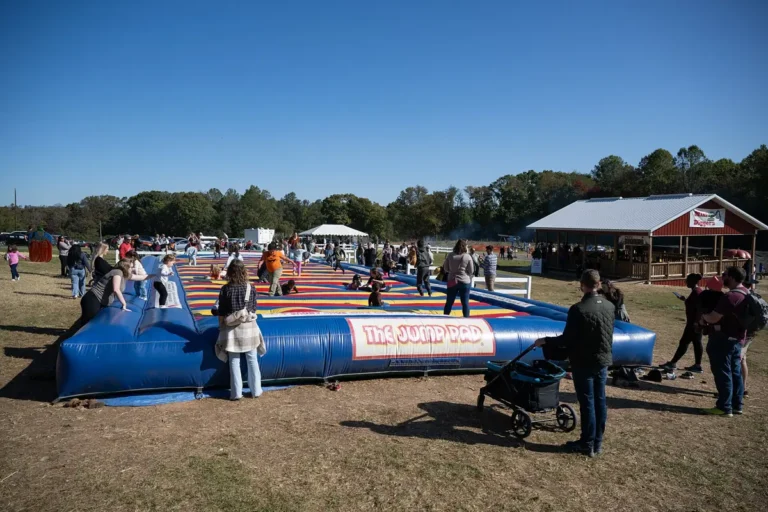
This is a family-first event. Kids’ activities, carnival-style games, and open space for running around are standard parts of the grounds, and the atmosphere is relaxed enough that parents do not have to hover. If you are bringing young children, aim for an earlier part of the day when the crowd is thinner and the heat is milder, and pick a seat near an aisle so you can step out during a lull without disturbing a whole section.
Planning Your Trip to the Madison County Area
Madison County is compact and easy to navigate, but rodeo weekend concentrates traffic in a way an ordinary summer weekend does not. These notes cover the logistics that trip up first-time visitors.
Getting There: Routes into Rexburg and the County
Rexburg sits on the US-20 corridor in eastern Idaho, with Interstate 15 running north-south a short distance west. From Idaho Falls the drive is a straight shot north; from the Tetons and the Jackson area you come over the mountains from the east. Commercial air service is available in Idaho Falls, and most visitors who fly in rent a car there. Once you reach Rexburg, the county’s road network is a simple grid of highways and farm roads.
Where to Stay Around Rexburg and Madison County
Rexburg has the county’s largest concentration of motels and hotels, plus short-term rentals that fill quickly in summer thanks to university traffic, family reunions, and travelers heading for Yellowstone and Grand Teton. Book weeks ahead if your dates land on a summer weekend. Alternatives include lodging in Idaho Falls to the south, which adds a commute but widens your options considerably, and campgrounds or RV parks elsewhere in the region. If you are towing a trailer, confirm pull-through space before you commit.
Parking and Grounds Access on Rodeo Weekend
Parking at small rodeos is usually a field, a lot, or a strip of grass managed by volunteers with flashlights. Arrive earlier than you think you need to, especially for an evening performance, and expect to walk a few minutes from your vehicle to the gate. Follow the parking crew rather than GPS, which does not always know a road has been converted to one-way traffic for the night. If you have mobility concerns, ask at the gate about drop-off options before you park.
What It Costs: Admission and On-Site Spending
Admission to the Whoopee Days Rodeo is typically free to attend. Your real spending will be food, drinks, kids’ activities, and any raffle or fundraiser items, so a modest amount of cash is useful even in a card-friendly era. Set a rough budget per person and treat the food stalls as the main line item. Vendors at community events sometimes run out of popular items late in the evening, which is one more argument for eating on the early side.
Weather in Eastern Idaho and What to Pack
Summer in Madison County means warm, dry days, cool evenings, and the occasional afternoon thunderstorm rolling across the plain. Daytime temperatures climb steadily, while the air cools noticeably once the sun drops behind the grandstand. Pack layers, a hat, sunscreen, and sunglasses; add a light rain jacket if the forecast looks unsettled. Dust is part of the deal at any rodeo, so leave the white shoes at home.
A Sample Whoopee Days Weekend Itinerary
Friday afternoon. Arrive in Rexburg, check in, and drive past the grounds to learn the parking layout while traffic is light. Spend the evening downtown, where restaurants and coffee shops sit within walking distance of each other.
Saturday morning. A slow start. Visit a local bakery or diner, then use the morning for a short drive into surrounding farm country or a walk around the university campus. Eat a light lunch, because the food stalls are the main event later.
Saturday afternoon. Head to the grounds a couple of hours before the performance. Walk the vendor line, let the kids burn energy, and claim seats early. Eat before the grand entry rather than during it.
Saturday evening. The main rodeo performance, followed by whatever music or gathering is happening on the grounds. Stay to the end if you can; the final events often produce the best moments.
Sunday. A quiet morning, a long breakfast, and a scenic drive before you point the car home — east toward the Tetons or north toward the dunes, depending on your direction.
Whoopee Days Compared with Other Eastern Idaho Summer Events
The Eastern Idaho State Fair in Blackfoot is the region’s largest late-summer gathering, with a full fairgrounds, concerts, and a midway. It is bigger and more commercial than Whoopee Days and draws from a much wider radius. If you want a full day of fairgrounds, that is the comparison to make; if you want a rodeo that finishes in a few hours and still leaves time for dinner in town, Whoopee Days is the better fit.
The Teton Valley, over the mountains east of Madison County, runs a summer calendar built around outdoor recreation in Driggs and Victor — weekends that lean scenic and active, with hiking and biking as the main draw. Idaho Falls, south of Rexburg, offers riverfront summer events and a larger restaurant and lodging base. Many rodeo visitors use Idaho Falls as a base and drive north, trading a longer commute for more beds.
Your Whoopee Days Prep Checklist
| Item | Why it matters |
| Cash in small bills | Vendors and kids’ activities move faster |
| Layers and a light jacket | Evenings cool off quickly after sunset |
| Sunscreen and a hat | The grandstand offers limited shade |
| Closed-toe shoes | Grass, gravel, and dust are the norm |
| Refillable water bottle | Dry air and long afternoons |
| Confirmed lodging | Summer weekends fill across the region |
| An early arrival plan | Parking fills before the evening performance |
Beyond the Arena: Madison County and the Upper Snake
Madison County rewards a longer stay. Rexburg itself is a walkable small city with a university campus, a historic downtown core, and a food scene that surprises people expecting a farm town. South of town, the Snake River plain opens into farmland and lava country; north and east, the landscape climbs toward the mountains.
Within a reasonable drive you can reach the St. Anthony Sand Dunes for off-road riding and sandboarding, Mesa Falls for a short walk to a powerful waterfall, and the Henry’s Lake area for fishing. Grand Teton and Yellowstone national parks are both day-trip range from Rexburg, which makes the rodeo a sensible anchor for a longer western road trip. Closer in, the Teton River and the back roads of Madison County offer quiet driving and good evening light.
What Whoopee Days Means to Madison County’s 52,913 Residents
In a county of 473 square miles and 52,913 people, a rodeo weekend does more than entertain. It is one of the few times a year when the whole county — ranch families, university staff, students who stayed for the summer, and newcomers who moved in for work — occupies the same space at the same time.
That matters in a place where the population mixes long roots with recent arrivals. Rodeo is a shared vocabulary: nobody needs a membership or an agricultural background to understand a good ride. The weekend also functions as a civic engine for local vendors, volunteer groups, and youth organizations that use it to raise money and visibility.
Small rodeos across the West have struggled as costs rise and volunteer pools shrink. The fact that Madison County still turns out for its own says something about how the community sees itself.
Where the Whoopee Days Rodeo Fits on the Madison County Map
The Whoopee Days Rodeo takes place in the Madison County area around Rexburg, the county seat, in eastern Idaho’s upper Snake River plain.
Whoopee Days Rodeo: Answers for First-Time Attendees
Is the rodeo a good outing for young children?
Yes. The event is built around families, with open space, kids’ activities, and a program that moves quickly enough to hold attention. Bring hearing protection for very young children, since announcing and crowd noise can be loud, and plan to leave before the final events if bedtime is a factor.
Do I need tickets in advance?
Admission is typically free to attend, so there is usually no advance purchase required for general entry. Food, drinks, and children’s activities are the main costs, and those are paid on site. If you are traveling with a group, arrive together so you can sit together.
How early should I arrive?
For an evening performance, arriving a couple of hours before the start gives you time to park, walk the grounds, eat, and find seats without rushing. For a daytime performance, an hour is usually enough. Peak arrival happens in the thirty minutes before the grand entry, so plan around it.
What else is there to do nearby if we make a weekend of it?
Plenty. Rexburg has a walkable downtown and a university campus, and the surrounding region offers the St. Anthony Sand Dunes, Mesa Falls, the Teton River valley, and day-trip access to Grand Teton and Yellowstone. Many visitors pair the rodeo with a national park visit.
The Road Ahead for Whoopee Days in Madison County
The future of a community rodeo depends on the same things it always has: volunteers, local sponsorship, and an audience willing to show up. Madison County has advantages many rural counties lack — a stable population base of 52,913 people, a university that brings seasonal energy and visitors, and a location on the route between Idaho Falls and the national parks.
The likeliest path forward is continuity rather than reinvention: keep the rodeo at a human scale, keep the gates open to families, and keep the weekend affordable. Visitors can help by spending with local vendors, respecting the grounds, and treating the volunteers at the gate like the neighbors they are.
Last updated: October 2026
Plan for the heat, the dust, the parking, and the fact that everything worth eating is on the grounds, and the Whoopee Days Rodeo delivers something increasingly rare in the West: a real county rodeo, run by the people who live there, in a county that still shows up for it.