Kauai County Hawaii Kauai County Fair Festival
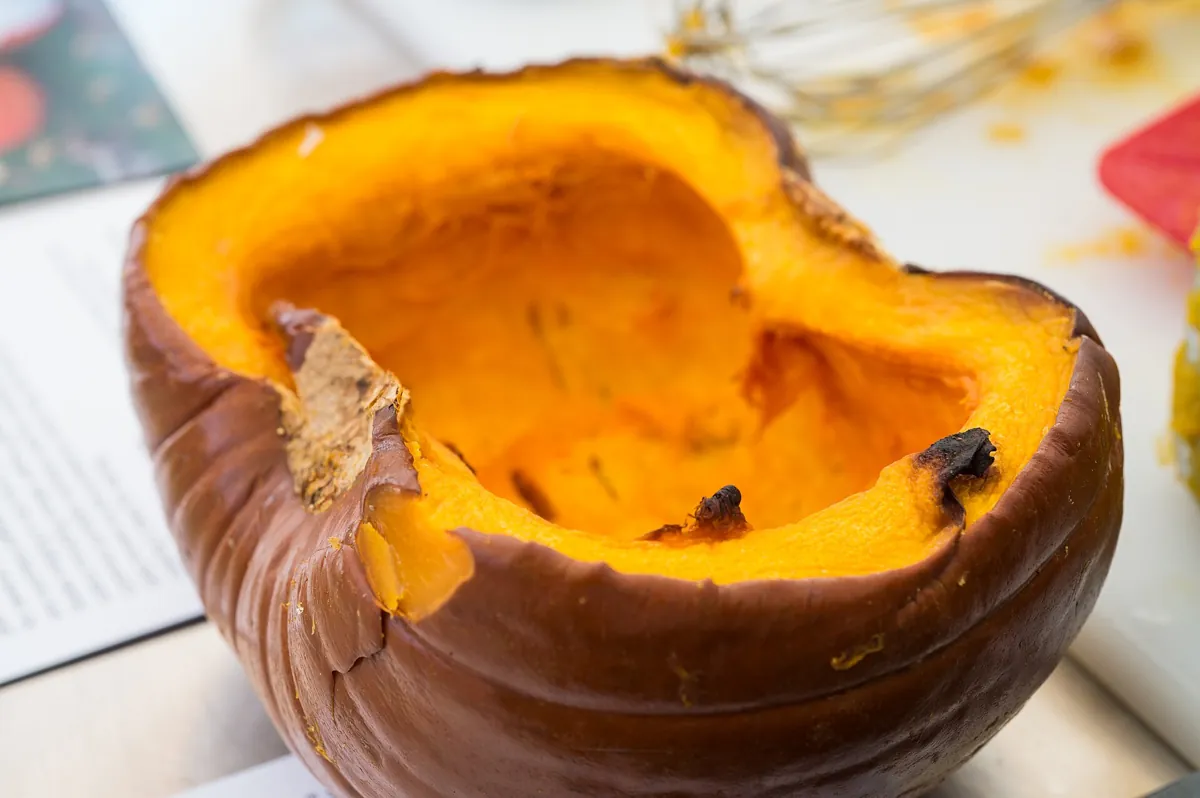
On the Garden Isle, a county fair is less a single afternoon than a marker in the year’s rhythm. The Kauai County Fair brings together residents from Lihue out to the west side and around to the north shore for a run of days filled with plate lunches, island music, keiki rides, and the slow booth-by-booth browsing that turns neighbors into acquaintances. This piece walks through what the fair is, how it fits into Kauai County life, and how to build a trip around it.
Kauai County Fair: The Numbers Behind the Gathering
| Area | Kauai County area, Hawaii |
| County | Kauai County |
| County seat | Lihue |
| Population | 73,298 |
| Region | Kauai, Hawaiian Islands |
| Typical timing | A multi-day run in late summer or early autumn, usually spanning a weekend |
| Admission | Typically free to enter, with individual vendors and activities priced separately |
| Setting | Outdoor fairgrounds in the Kauai County area, convenient to Lihue |
| Features | Local food stalls, live island music, keiki activities, exhibits, craft vendors, community booths |
| Organizer | Coordinated locally with county and community support |
What the Kauai County Fair Actually Is
The Kauai County Fair is a community fair in the broadest sense: part agricultural showcase, part food festival, part school-of-hard-knocks carnival. It occupies an outdoor site in the Kauai County area, and its footprint is deliberately wide — livestock and produce displays sit a short walk from funnel cake stands, and a stage at one end of the grounds competes with the squeal of rides at the other.
Kauai County covers 1,266 square miles and is home to 73,298 people, spread across a coastline of small towns, plantation-era communities, and rural stretches. That geography shapes the fair. Because the island’s population is modest and its settlements are separated by distance, the fair functions as a rare common ground — a place where a family from the west side and a family from the east side end up in the same line for shave ice. The county was founded in 1905, and the fair belongs to that same long tradition of islanders gathering to show what they grow, make, cook, and play.
From 1905 County Roots to a Modern Island Tradition
Kauai County was established in 1905, during the territorial period when Hawaii’s island communities were formalizing local government. In that era, fairs and agricultural exhibitions were practical affairs. They gave growers a place to compare crops, gave families a reason to travel into town, and gave small businesses a marketplace. The county fair tradition on Kauai grew from that same soil: an annual excuse to bring the island’s far-flung communities into one place.
Over the decades, the emphasis shifted. Sugar and pineapple defined much of Kauai’s twentieth-century economy, and fair exhibits once reflected that plantation world directly. As the island’s economy turned toward tourism and diversified agriculture, the fair changed with it. Livestock and produce categories remained, but they were joined by craft booths, food trucks, school displays, and entertainment that runs into the evening.
The through-line has been continuity rather than spectacle. The fair has weathered economic shifts, storms, and the pauses that come with them, and it keeps returning to the calendar. For long-time residents, that reliability matters as much as any single attraction on the grounds.
Inside the Grounds: Food, Music, and Keiki Fun
Plate Lunch, Malasadas, and Local Flavor
Food is the fair’s gravitational center. Expect the plate lunch canon in full: teriyaki chicken, kalua pork, loco moco, and rice with macaroni salad. Alongside it you will find the fried-and-sweet side of the fair — malasadas, funnel cake, shave ice in bright colors, and Portuguese bean soup for anyone who wants something warm. Vendors tend to be local, which means the food stands double as a directory of island kitchens.
Island Music and Evening Entertainment
Entertainment leans local. Slack key guitar, ukulele groups, hula halau performances, and island-style bands fill the stage through the afternoon and into the evening. Between sets, you may catch school groups, dance troupes, or community organizations taking a turn in the spotlight. The result is a lineup that feels like a neighborhood party rather than a ticketed concert.
Keiki Rides, Livestock, and Hands-On Exhibits
Families with young children gravitate to the ride area and the game booths, where the prizes are unapologetically oversized. Elsewhere on the grounds, livestock pens, produce entries, and school art displays give kids something to look at rather than just something to ride. It is a good balance: the fair is loud enough to be exciting and small enough that you can let a ten-year-old walk twenty feet ahead without panic.
Planning a Fair Weekend Around Lihue and the Kauai County Area
Getting to the Kauai County Area
Most visitors arrive by air into the Lihue area, the county seat and the island’s main transportation hub. From there, the fairgrounds are within a short drive, which makes a fly-in fair weekend genuinely practical. If you are already staying on the island, plan on a rental car — Kauai’s public transit is limited and the island’s sights are spread along a single main highway loop.
Where to Stay Near Lihue
Lihue and its immediate surroundings offer the widest range of lodging, from resort properties to smaller inns and vacation rentals. Staying in or near Lihue keeps you close to the fair and central for day trips in both directions — north toward Kapaa and the north shore, or west toward Hanapepe and Waimea. Poipu, a short drive south, is another comfortable base if you would rather pair the fair with beach time.
Parking and Getting Around the Grounds
Fair parking is typically on-site or in adjacent lots, with attendants directing traffic during peak hours. Arrive earlier in the day for the easiest spot, and expect the lot to move slowly right after the evening entertainment ends. Once inside, everything is walkable; wear shoes you do not mind getting dusty, and bring a light layer for the walk back to the car.
Admission, Costs, and What Cash Buys
Admission to the fair is typically free, which is part of its character — the grounds are open to anyone who wants to walk in. Costs come from what you choose to do inside: food, ride tickets, game booths, and vendor purchases. Bring some cash even though many vendors accept cards, since small stands and school fundraisers often prefer it.
Weather and What to Wear
Kauai is warm and humid year-round, and the fair’s late-summer and early-autumn timing means you should plan for sun first and showers second. Lightweight clothing, a hat, sunglasses, and reef-safe sunscreen cover most of it. Add a compact rain shell — passing showers are a normal part of island weather, not a reason to leave — and comfortable sandals or sneakers for grass and gravel.
A Sample Kauai County Fair Weekend
Day one, late morning. Arrive near opening, when the grounds are quiet and the food lines are short. Walk the exhibit halls and livestock pens first, then eat an early plate lunch before the afternoon crowd builds.
Day one, afternoon into evening. Claim a spot near the stage for the hula and music sets. Let the kids work through the ride area while you take turns holding seats. Stay for the evening entertainment, then leave a few minutes before the closing set ends to beat the parking lot.
Day two, morning. Sleep in, then drive north to Kapaa for breakfast and a beach walk, or head west toward Hanapepe and Waimea. Both directions give you a sense of how differently Kauai County’s communities live.
Day two, afternoon. Return to the fair for a second pass. This is when you notice the things you missed the first time — a craft booth, a school display, a dessert stand. Finish with shave ice and a slow loop of the grounds before heading to dinner in Lihue.
How the Kauai Fair Compares to Other Island Gatherings
Kauai County’s fair sits in a wider circuit of Hawaiian community events. Koloa Plantation Days, on the island’s south side, leans into the plantation-era heritage of the Koloa district with a multi-day program of cultural and outdoor activities. The Waimea Town Celebration, on the west side, is similarly rooted in a specific town’s identity and history. Neighbor-island events such as the Merrie Monarch Festival in Hilo carry a statewide reputation and draw visitors from across Hawaii.
What distinguishes the Kauai County Fair is its breadth rather than its specialization. Where a town festival celebrates one place, the county fair pulls from the whole island — Lihue, Kapaa, Hanapepe, Waimea, Poipu, and the north shore — into a single grounds. It is the most general-purpose gathering on the Kauai calendar, and that is precisely its appeal.
Packing and Practical Notes for a Fair Day
Keep the kit simple: sunscreen, hat, refillable water bottle, a little cash, a light rain shell, and a tote bag for vendor purchases. Charge your phone before you go, since you will use it for photos and to find your group. If you have young children, agree on a meeting point near the entrance before you split up, and write your phone number on a wristband for the youngest. Bring a folding chair or blanket if you plan to sit through the evening entertainment, and leave glass containers at home.
Beyond the Fairgrounds: Exploring Kauai County
The fair is a fine anchor for a longer stay. Lihue itself has the county’s civic and commercial core, along with nearby beaches and botanical spaces. North of Lihue, the coast runs through Kapaa and on toward Hanalei and the dramatic north shore. West, the highway passes through Hanapepe — a small town with an art-walk reputation — before reaching Waimea and the lookout points above the island’s great canyon country. South, Poipu offers resort amenities and calm-water beaches.
With 1,266 square miles of land and a single main road wrapping most of the island, Kauai rewards slow driving. Give yourself more time than the map suggests, and treat every pullout as worth taking.
What the Fair Means to Kauai County
With a population of 73,298 spread across an island of distinct towns, Kauai County does not have many events that genuinely belong to everyone. The fair is one of them. It gives local farmers, cooks, crafters, and school groups a stage, and it gives families an affordable day out that does not depend on a resort reservation. For keiki, it is often the first place they see their own artwork or their neighbor’s livestock on public display.
That is the quiet significance of the event. It is not a tourism production built for visitors, though visitors are welcome. It is a county looking at itself for a few days each year — and inviting anyone nearby to look along.
Where the Kauai County Fair Sits on the Map
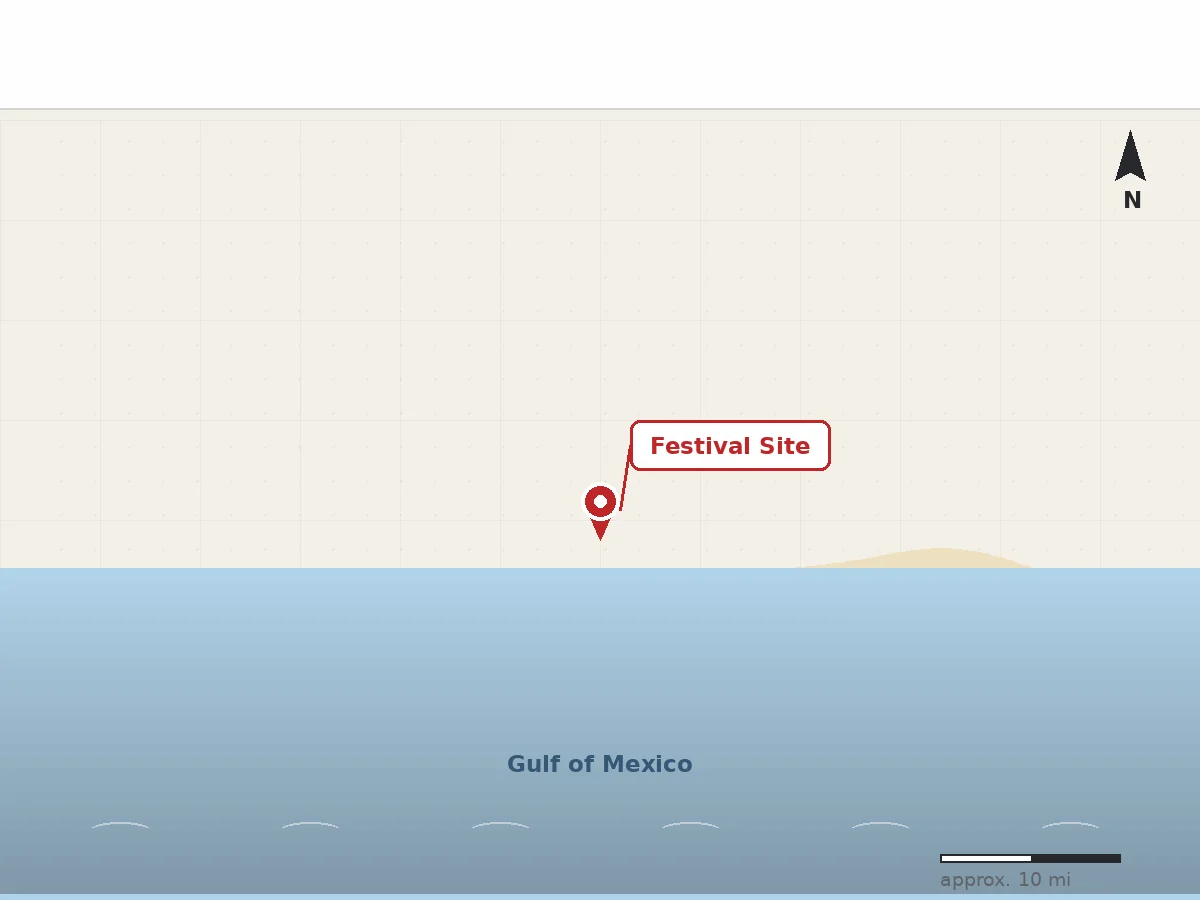
The Kauai County Fair takes place in the Kauai County area of Hawaii, with Lihue — the county seat — serving as the main gateway for fairgoers arriving by air or by road.
Kauai County Fair Answers for First-Time Visitors
When does the Kauai County Fair usually take place?
In most years the fair is held in late summer or early autumn, over a multi-day run that includes a weekend. Because the exact window shifts from year to year, check local listings before you book travel, and treat the season rather than a specific date as your planning anchor.
Do I need tickets to get in?
Admission is typically free, and the grounds are open to anyone who wants to walk through. You pay for what you consume inside — food, ride tickets, games, and vendor goods — so budget for those rather than for an entry fee.
Is the fair good for young children?
Yes. The ride area, game booths, livestock pens, and hands-on exhibits are all aimed at families, and the grounds are compact enough to navigate with a stroller. Mornings are the easiest time with small kids — cooler, quieter, and shorter lines everywhere.
How much time should I set aside for the fair?
Three to four hours covers the exhibits, a meal, and the rides at an unhurried pace. If you want to stay for the evening entertainment, plan on a half day or more, and consider splitting your visit across two days so you are not trying to see everything at once.
Looking Ahead to Future Kauai County Fairs
The fair’s future looks steady rather than flashy. Expect continued emphasis on local food, island entertainment, and youth exhibits, with the same outdoor grounds and the same free-admission spirit that keeps it accessible to every household in Kauai County. As the island’s agriculture diversifies, the exhibit halls are likely to reflect it — more varied produce, more small-farm representation, more value placed on what grows here.
For travelers, the practical advice stays the same: plan around the season, book lodging in or near Lihue early, and leave room in your itinerary for the rest of the island. Last updated: October 2026
Whether you come for the plate lunch, the slack key guitar, or simply the chance to stand in a field with a few thousand neighbors, the Kauai County Fair delivers something increasingly rare: a genuinely local day out on an island known worldwide for its scenery. Go early, eat well, stay for the music, and let the fair be the reason you finally see the rest of Kauai County.