Honolulu County Hawaii Honolulu Festival
Honolulu began as a harbor. Before it was the seat of Honolulu County, before the high-rises, the sheltered anchorage on Oahu’s south shore was the landing place for voyaging canoes, whaling ships, plantation labor ships, and eventually jetliners full of tourists. That long habit of receiving people from across the ocean is why the city’s signature cultural event faces the Pacific rather than the mainland. The Honolulu Festival, held each spring in the Honolulu County area, turns Waikiki and the surrounding districts into one sprawling stage for performers, cooks, and craftspeople from the many shores that feed into this harbor.
Honolulu Festival Essentials: A Reference Table for Visitors
| Town / area | Honolulu County area, centered on Honolulu and Waikiki |
| County | Honolulu County, Hawaii |
| County seat | Honolulu |
| County population | 1,016,508 |
| Region | Oahu, Hawaiian Islands |
| Typical timing | A weekend each spring, most often in March |
| Admission | General admission is typically free |
| Setting | Urban Waikiki and downtown Honolulu, walkable and oceanfront |
| Signature features | Parade, Pacific music and dance stages, food and craft vendors |
| Organizer | Community and cultural organizations based in Honolulu |
What the Honolulu Festival Is, and Why Honolulu County Hosts It
Honolulu County is unusual among Hawaiian counties in that it is also a city. Its land area covers 2,128 square miles, most of it remote ocean and scattered atolls, while its 1,016,508 residents are concentrated overwhelmingly on Oahu. The county seat is Honolulu, and the festival’s core sits in the walkable stretch between downtown and Waikiki — the historic center of Hawaiian governance at one end, the beachfront resort district at the other.
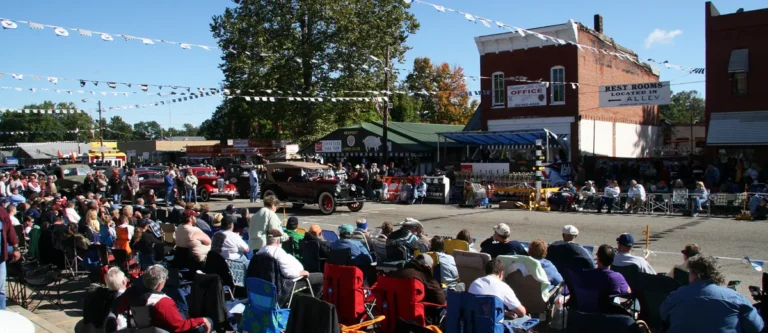
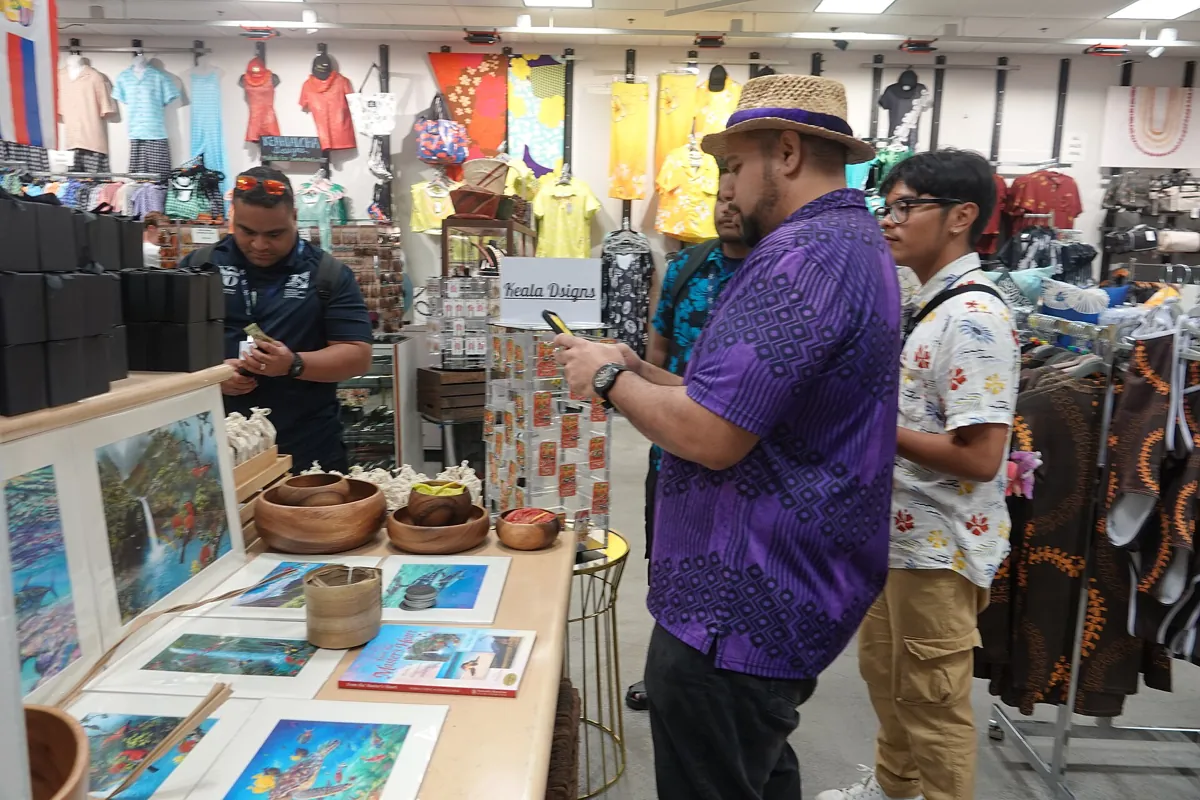
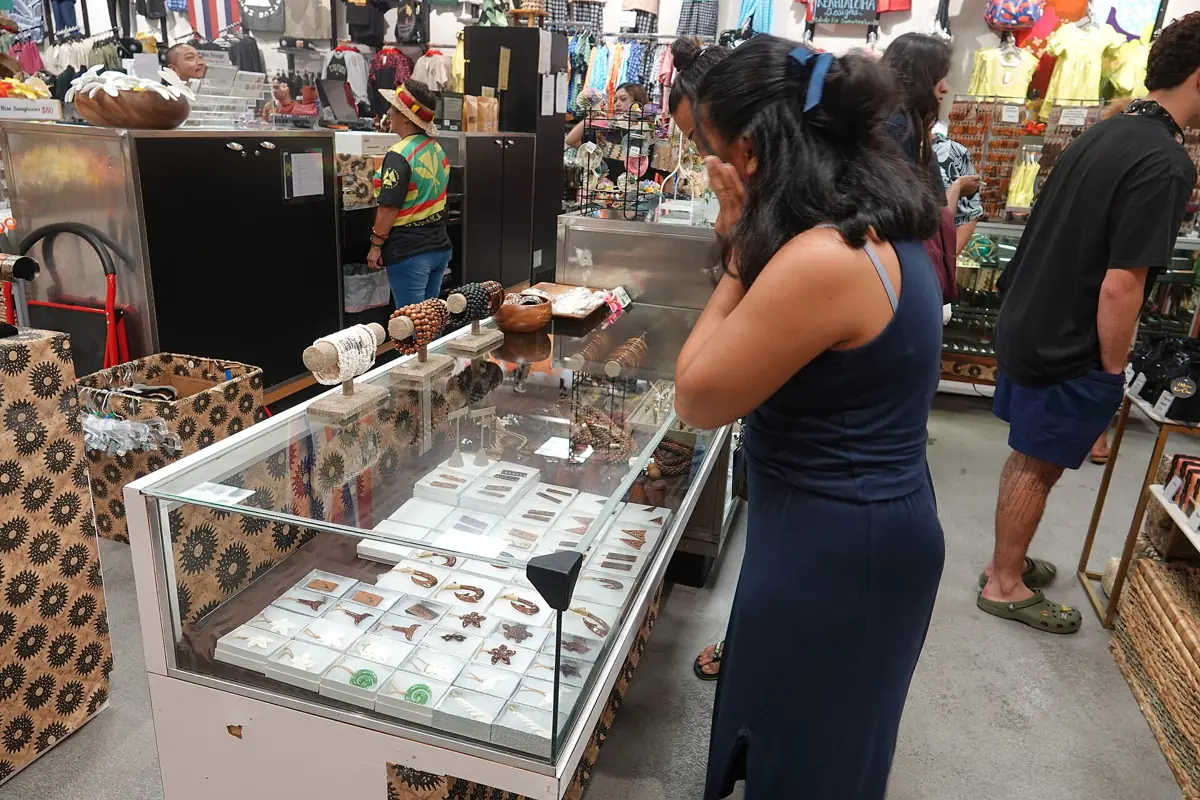
The festival is a multi-day, pan-Pacific cultural celebration. Over one spring weekend, stages in and around Waikiki host hula halau, taiko drummers, dance troupes, and musicians from Hawaii and its Pacific neighbors, while a parade shuts down the main beachfront thoroughfare. Between performances, vendors sell crafts, textiles, and food that map the migration routes — Japanese, Chinese, Portuguese, Filipino, Korean, Hawaiian — that shaped modern Honolulu.
What separates it from a generic street fair is the balance between civic purpose and plain fun. Cultural associations, school groups, and long-established community organizations all take part, and general admission is typically free. That openness matters: the crowd is a real cross-section of island residents and visitors rather than a ticketed audience.
From Royal Surf Breaks to Pacific Stage: How Honolulu Got Here
Waikiki was not always a wall of hotels. It was a royal district of fishponds, taro patches, and beachfront residences, where Hawaiian chiefs surfed and the islands’ ruling families spent part of the year. Oahu’s south shore was fertile and well-watered, and the harbor just to the west gave it something the other islands lacked: a port deep enough to shelter large ships.
Through the nineteenth century Honolulu became the capital of the Hawaiian Kingdom and a stopover for whaling fleets, sandalwood traders, and missionaries. Each wave of arrivals added a layer — New England church architecture, Chinese and Japanese merchant houses, Portuguese bakeries. When sugar and pineapple plantations reached full production, labor arrived from across Asia and Europe, and those workers brought their own drums, stringed instruments, and recipes.
The twentieth century added tourism at industrial scale, first by steamship, then by propeller plane, then by jet. Waikiki filled in with high-rises, and Honolulu became one of the most culturally mixed cities in the United States. That mixture is the festival’s raw material.
The event itself is a modern creation, shaped by Honolulu’s postwar ties with Pacific neighbors and by a local wish to celebrate those ties at home rather than only at conferences and receptions. What started as a cultural exchange idea grew into a recurring spring institution with a parade, multiple performance venues, and a vendor village. The details have changed; the purpose has not.
Inside a Festival Weekend in Honolulu
Expect crowds, but expect them to be cheerful and mostly on foot. The festival spreads across several venues rather than a single fenced field, so you can drift between a stage, a food row, and a craft tent without a wristband or a gate.
Food Stalls, Plate Lunches, and Pacific Island Flavors
Food is where the festival’s Pacific story becomes edible. Expect plate-lunch staples — grilled meats, rice, macaroni salad — alongside Japanese festival snacks, Filipino noodle dishes, Portuguese malasadas, and Hawaiian dishes built on taro, sweet potato, and coconut. Vendors tend to be small operations rather than national chains, and portions are generous. Carry a card and some cash, and go early if you want the popular items before the lines build.
Music and Dance Stages Across the Waikiki District
Performance is the spine of the weekend. Hula halau share the schedule with taiko ensembles, Japanese folk dance groups, Pacific Island drumming, and contemporary bands, often on stages set up within a few minutes’ walk of one another. Schedules are posted at each venue, and it pays to check them the night before rather than wandering and hoping. Sets are short enough that you can sample several in an afternoon, and the parade is the one part of the program worth planning your whole day around.
Family Activities for Keiki and First-Time Visitors
The festival is genuinely family-friendly. Most of it happens at street level, admission is typically free, and there is no need to commit to a full day. Children gravitate to the craft demonstrations, the drumming, and the parade, and strollers handle the Waikiki sidewalks well. Midday sun is the real challenge, so bring hats and water. If you are traveling with a group, agree on a meeting point in advance — phone service gets sluggish when the crowds peak.
Planning Your Trip to the Honolulu Festival
A festival weekend in Honolulu takes more planning than a local fair, because you are competing with the island’s normal visitor demand. The good news is that the venue is a city with full tourist infrastructure.
Getting to Honolulu from the Neighbor Islands and the Mainland
Honolulu’s airport is the main gateway to Honolulu County, with direct flights from the continental United States, Asia, and the Pacific, plus frequent inter-island service from Maui, Kauai, Hawaii Island, and Molokai. From the airport, Waikiki is a short drive east along the freeway. Coming from a neighbor island, a morning flight in and an evening flight out can cover a single festival day, but staying overnight is far less rushed.
Where to Stay in Honolulu County During Festival Week
Waikiki has the densest concentration of hotels and the shortest walk to the action, which makes it the default choice. Downtown Honolulu offers a quieter base with its own restaurants and historic sites, a short ride from Waikiki. Ala Moana and Kapahulu add mid-range options, while the windward side and the North Shore suit travelers who would rather commute in and sleep somewhere green. Book early: spring is busy on Oahu regardless of the festival calendar.
Parking and Getting Around Waikiki
Driving in is possible but rarely pleasant. Waikiki parking is expensive and fills quickly, and parade closures make some routes unusable for hours. The bus network is extensive, rideshares are plentiful, and many hotels sit within walking distance of the main venues. If you do drive, park once and stay parked, or use a lot outside the resort district and walk in.
Admission and What a Festival Weekend Costs
General admission is typically free, which means your real costs are travel, lodging, and food. Hotel rates run higher in spring than in the deep off-season, and grazing at vendor stalls is usually cheaper than sit-down meals. Paid add-ons vary from year to year, so check the official program before assuming everything is free.
Weather in Honolulu During Festival Season
Spring in Honolulu means warm days, mild evenings, and occasional passing showers. Daytime temperatures sit in the upper seventies to low eighties, with trade winds keeping the humidity bearable. Rain usually arrives in short bursts rather than all-day soakings. Pack light, breathable clothing, reef-safe sunscreen, and a layer for air-conditioned venues.
A Sample Festival Weekend in Honolulu, Morning to Night
Treat this as a loose shape rather than a strict schedule — check the official program for stage times, because they shift from year to year.
Day one. Arrive and orient. Check in, walk the main festival blocks to see where the stages and food rows sit, and pick up a printed schedule. Spend the late afternoon on the beach or at a downtown historic site, then eat an early dinner near your hotel. If there is an opening ceremony, that is the night to attend it — crowds are lighter than on the weekend.
Day two. The big day. Start with breakfast near Waikiki, then hit the performance stages in the late morning while the heat is manageable. Break for lunch at the food stalls. In the afternoon, browse the craft vendors and catch any acts you missed. Position yourself early for the parade, then follow the crowd to dinner and a slow walk along the beach.
Day three. A gentler pace. Return for any performance you skipped, spend time in the cultural demonstration areas, and let children work through the family activities. Leave by mid-afternoon and use the rest of the day outside Waikiki — a hike, a museum, or a drive to the windward coast — before a final dinner.
How the Honolulu Festival Compares with Other Island Celebrations
Oahu’s festival is the urban, pan-Pacific one. Compare it with the Merrie Monarch Festival in Hilo on Hawaii Island, a hula competition with a serious, almost scholarly focus and a much smaller visitor footprint. Honolulu’s event is broader and more street-level: less competitive, more multilingual, and easier to dip into without a ticket or a plan.
Closer to home, the windward town of Kailua and the North Shore community of Haleiwa both host smaller gatherings tied to local life, surf culture, and neighborhood food. Those are the events where you mostly meet residents. The Honolulu Festival is the one where residents and visitors mix in roughly equal numbers.
A Festival Weekend Checklist for Honolulu County
Book lodging before you book anything else. Spring is peak season on Oahu, and Waikiki fills first.
Download the official program and confirm stage times the week of the event, since schedules shift.
Pack for sun: hat, sunglasses, reef-safe sunscreen, and a refillable water bottle.
Wear comfortable shoes. You will walk more than you expect, mostly on pavement.
Carry a light rain shell for passing showers and a layer for air-conditioned venues.
Keep two payment methods and a little cash for small vendors.
Agree on a meeting point with your group before the crowds peak.
Leave the car at the hotel if you can. Parking and parade closures are the two biggest logistical headaches.
Beyond the Festival: Oahu Outside Waikiki
The festival is a good excuse to see more of Honolulu County than the resort strip. Diamond Head is a short hike with the best view of the city and coast. Downtown Honolulu holds Iolani Palace, Kawaiahao Church, and the state capitol within a few blocks, and the Bishop Museum covers Hawaiian and Pacific history in depth. Beyond the city, the windward coast offers the beaches at Kailua and Lanikai, the North Shore delivers surf and shave ice in Haleiwa, and the Pali Highway lookout gives you the classic green-cliff panorama. Allow a half day for the windward side and a full day for the North Shore.
What the Honolulu Festival Means to Honolulu County
Honolulu County’s population of 1,016,508 is one of the most diverse in the United States, and the festival is one of the few occasions when that diversity appears as a single event rather than a set of separate community gatherings. It gives cultural associations a stage, gives small food businesses a market, and gives residents a reason to walk into Waikiki, which many avoid the rest of the year.
It also carries an economic argument. Spring is a shoulder season for Hawaii tourism, and a free, well-attended festival draws visitors into hotels, restaurants, and shops during a period when the island can use the traffic. For visitors, the payoff is simpler: a weekend that shows what Honolulu actually is — a Pacific crossroads with a harbor at its center.
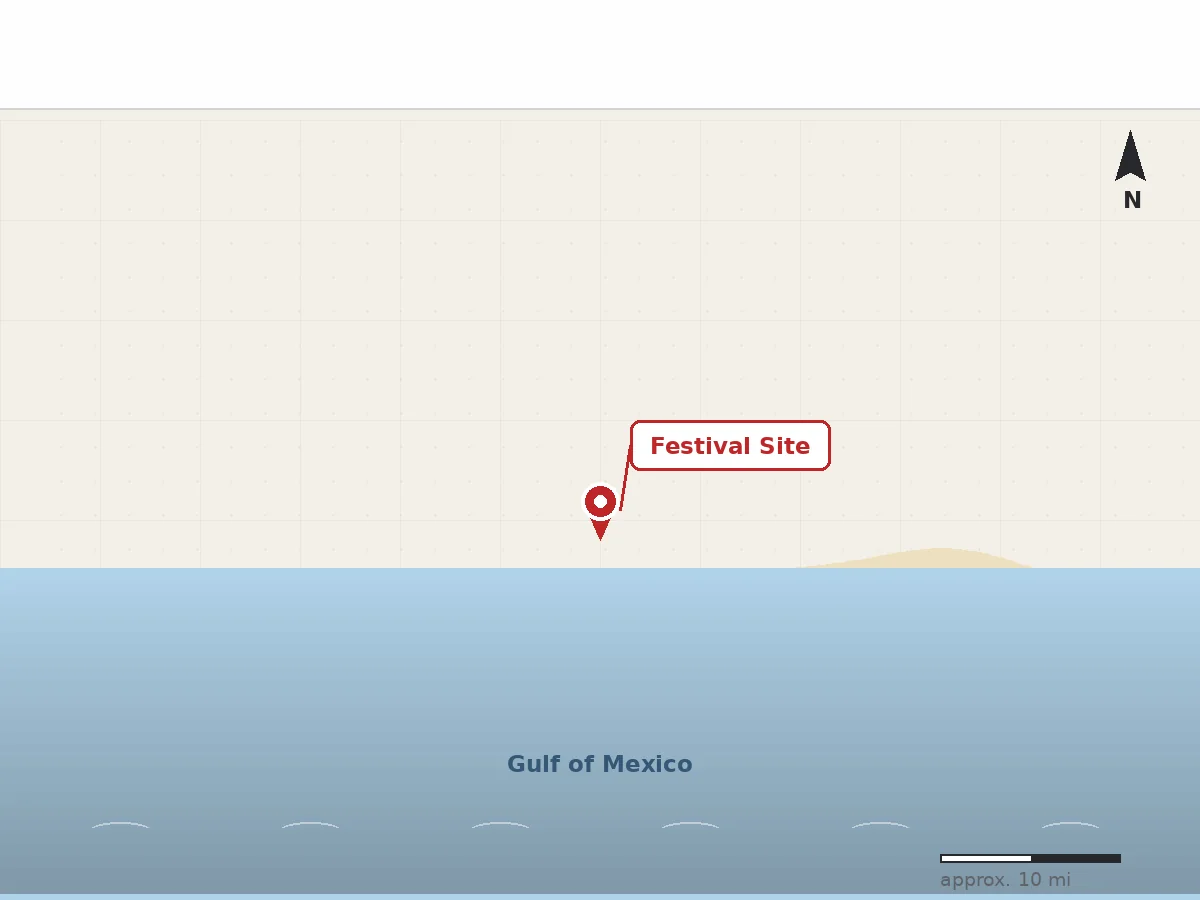
Where the Honolulu Festival Takes Place
The festival is centered on Waikiki and the adjacent convention and downtown districts of Honolulu, on the south shore of Oahu in Honolulu County.
Honolulu Festival Answers for First-Time Visitors
Is the Honolulu Festival free to attend?
General admission is typically free, and most performances, the parade, and the vendor areas can be enjoyed without a ticket. Some individual events or reserved seating may be ticketed, so check the official program for the year you are visiting before you budget.
What time of year does the festival usually take place?
It is a spring event, most often held on a weekend in March. Because the exact dates move from year to year, confirm them before booking flights and hotels rather than assuming a fixed weekend.
Should I book a hotel months in advance?
Yes. Waikiki is busy throughout spring, and festival weekend tightens availability further. Booking several months ahead gives you better rates and a choice of hotels within walking distance of the main venues.
Is the festival suitable for young children and older visitors?
Both, with a little planning. The event is at street level, mostly free, and easy to leave early if energy runs out. Midday sun and long stretches of standing are the main challenges, so plan breaks, carry water, and take the shade when you find it.
Looking Ahead: The Next Chapter of the Honolulu Festival
The festival’s future looks steady. Honolulu’s position as the Pacific’s busiest crossroads keeps the talent pipeline full, and the event’s free, walkable format fits a city whose core is already built for pedestrians. Expect continued emphasis on Pacific cultural exchange, more attention to sustainable practices at food and craft stalls, and programming that reflects the island’s younger, thoroughly mixed generation. As Waikiki evolves, the festival will evolve with it — but the underlying idea, a harbor city throwing open its doors to the ocean that surrounds it, is not going anywhere.
Last updated: October 2026
If you go, go with an appetite and a schedule you are willing to abandon. The Honolulu Festival rewards wandering — a stage you did not plan to see, a plate you cannot pronounce, a conversation with someone whose family came to this harbor a century ago. That is the whole point of a city built on arrivals.