Honolulu County Hawaii Honolulu Lei Day Festival
The morning begins early in a Honolulu County kitchen, where a grandmother is already threading plumeria and ilima into a lei for her granddaughter. Down the hall, two teenagers argue about which beach towels to pack. By midmorning the whole household — grandparents, parents, and two kids — is folded into the slow, fragrant crowd that gathers each spring for Honolulu Lei Day, one of the warmest and most distinctly Hawaiian public celebrations in the islands.
Follow a single local family through the day and you get the entire festival in miniature: the rush to finish a lei before the sun climbs, the parking scramble, the first plate of food, the hula that makes everyone stop talking, and the quiet drive home with wilting flowers still around their necks. What follows is that day, told from the curb, the lawn, and the shade of a beach park in Waikiki.
One Honolulu Family, One Lei Day: The Essentials
| Town / area | Honolulu County, with the largest public gathering in Waikiki |
| County | Honolulu County, Hawaii |
| County seat | Honolulu |
| Population | 1,016,508 (county) |
| Land area | 2,128 square miles (county) |
| Typical timing | Spring, in early May, usually a single main day |
| Admission | Typically free to attend |
| Setting | Seaside parkland, open lawn, shade trees, ocean breeze |
| Signature features | Lei-making competition, lei court, hula, Hawaiian music, food and craft stalls |
| Organizer | Community hula schools, lei makers, and county cultural programs |
Honolulu Lei Day: The Celebration Behind the Garland
Lei Day is Hawaii’s homegrown answer to the first-of-May traditions celebrated elsewhere in the world. Instead of ribbons and maypoles, the islands mark the arrival of May with the lei — a garland of flowers, shells, seeds, or feathers given from one person to another. In Honolulu County, the day is both a public festival and a quiet family ritual, and the two run side by side from sunrise to late afternoon.
The county’s flagship gathering spreads across Kapiolani Park in Waikiki, where the lawn fills with tents, hula halau in matching attire, lei vendors, and families hauling coolers and folding chairs. A lei-making competition is the centerpiece, judged on craft, color, and the use of native materials, and the day’s program moves between hula, Hawaiian music, and a lei court that appears in procession. Everything is outdoors, everything is casual, and almost everything is free — which is exactly why local families treat it as a standing date rather than a tourist attraction.
How a Newspaper Idea Became Honolulu County’s May Tradition
Lei Day started as a suggestion on a page. In the late 1920s, Honolulu writers and newspaper columnists began pushing the idea that the islands deserved their own May celebration built around the lei rather than imported spring customs. The notion caught on quickly, and a territorial governor’s proclamation gave it official weight before the decade closed.
Early observances were modest — school programs, civic gatherings, and lei-making demonstrations in town. Over the following decades the celebration grew and settled into the seaside park in Waikiki that still hosts the county’s biggest Lei Day program, and the event spread outward into schools, churches, and neighborhood associations across Oahu.
By the second half of the twentieth century, Lei Day had become a full cultural showcase: competitions, a lei court, hula from halau across the island, and craft stalls selling everything from ribbon leis to lauhala weaving. The festival has since added lei-making workshops and hands-on demonstrations, a nod to the practical worry that fewer people now grow up knowing how to string a lei properly.
Sights, Sounds, and Scents of Lei Day on Oahu
Walk the lawn at midmorning and the festival arrives through the nose first: plumeria, pikake, tuberose, and the green, peppery smell of fresh ti leaves. Then the sound — ukulele tuning, a slack-key guitar line drifting between tents, and the low murmur of a few thousand people who all seem to know someone on stage.
Food Along the Lei Day Lawn
Food at Lei Day leans local and unfussy. Expect plate lunch classics — kalua pork, laulau, chicken long rice, and rice by the scoop — alongside poke bowls, Spam musubi, and grilled skewers. Shave ice, malasadas, and fresh coconut drinks handle the heat. Vendors accept cash most reliably, so the family rule is simple: hit the ATM before the lawn, not after.
Music, Hula, and the Rhythm of the Afternoon
The entertainment is continuous and mostly acoustic, moving from solo ukulele sets to full halau performances with drums and chanting. Falsetto singing, Hawaiian standards, and a little island reggae keep the crowd on the grass between hula numbers. Because the program runs long, families stake out shade early and treat the stage as background music to a very slow picnic.
Things for Keiki to Do
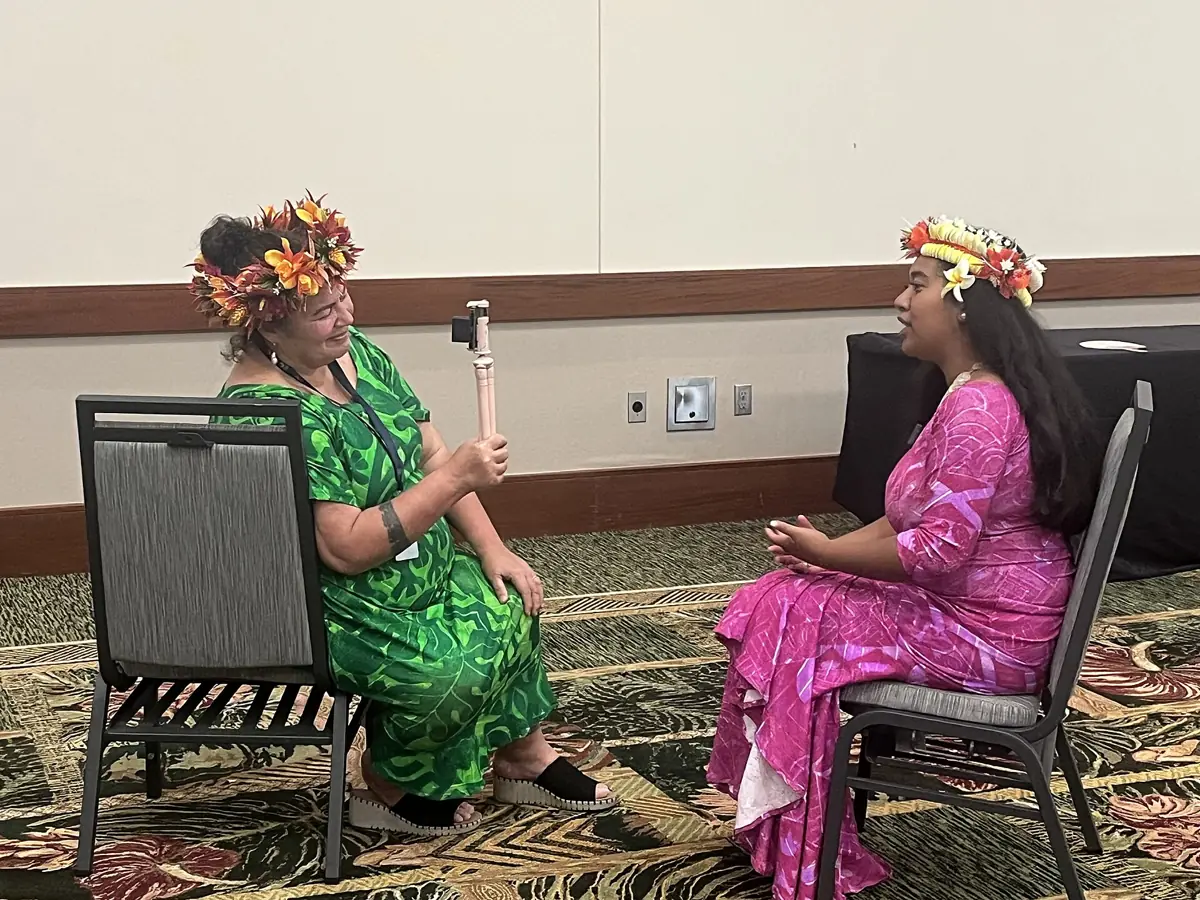
Children are everywhere, and the festival is built for them. There are beginner lei-making tables using yarn, ribbon, and sturdy flowers that survive small hands, plus craft tents, face painting, and open lawn for running. Keiki hula performances give kids a reason to sit still for fifteen minutes at a time. Bring a mat, a change of clothes, and sunscreen — the park has little natural shade in the middle of the day.
Planning a Lei Day Trip Across Honolulu County
Getting to Waikiki Without the Headache
Waikiki sits at the eastern end of urban Honolulu, close enough to many hotels that walking is genuinely the best option. From elsewhere in the county, TheBus and rideshare both work well; drivers coming from the west side or windward communities should budget extra time, since the approaches into Waikiki slow considerably on a festival morning.
Where to Stay for Lei Day
Staying in Waikiki means you can roll out of bed and onto the lawn. Alternatives include the Ala Moana and Kakaako districts, a short drive or bus ride away, or quieter neighborhoods such as Kaimuki and Kahala. Windward-side visitors from Kailua or Kaneohe often treat Lei Day as a day trip, crossing the Pali early and heading home before the afternoon traffic thickens.
Parking Near the Park
Street parking around Kapiolani Park is limited and fills fast on festival mornings. Paid garages in Waikiki are the reliable fallback, and the walk from most of them is pleasant rather than punishing. Arrive early, park once, and leave the car alone for the day — circling for a closer spot is the fastest way to sour a good morning.
Admission and What You’ll Actually Spend
Admission to Honolulu Lei Day is typically free, which is part of its character as a community event. Your money goes to food, drinks, crafts, and flowers: a lei from a vendor, a plate lunch, shave ice for the kids, and maybe a ribbon lei kit to take home. Some hands-on workshops may ask a small materials fee, so carry a little cash in addition to a card.
May Weather on the South Shore
Early May in Honolulu is warm, breezy, and generally bright, with trade winds that make the open lawn comfortable and passing showers that rarely last. Sun is the real issue: exposure on the grass is serious by midday. Pack a hat, reef-safe sunscreen, and a light layer for the wind, and plan on a rain shower being possible rather than disruptive.
A Sample Lei Day Weekend in Honolulu County
Friday evening. Land, settle in, and take a slow walk through Waikiki at sunset. Pick up a simple lei from a shop or market so you arrive already dressed for the occasion, and eat somewhere casual — the big food day is tomorrow.
Saturday, early morning. The family in our story is out the door before the sun is fully up. Grandma finishes the last lei at the kitchen table; the kids carry the cooler. They park in a Waikiki garage, walk to the park, and claim shade near the edge of the lawn with a tarp and folding chairs.
Saturday, midmorning to afternoon. Lei competition entries go on display, the kids make yarn leis, and the grandparents drift toward the stage for hula. Lunch is a plate lunch under a tree, followed by shave ice. The lei court procession draws the biggest crowd of the day, and by late afternoon the lawn starts to thin as families pack up before the traffic builds.
Sunday. A slower day: breakfast in Kaimuki or Kakaako, then a morning at a beach or a museum, and an afternoon drive to a lookout for the view back over the county. Lei Day itself is one day, but the weekend around it is what makes the trip worthwhile.
How Lei Day Compares With Other Island Celebrations
Honolulu’s King Kamehameha Day observance in June is grander and more formal, built around a floral parade and the draping of statues with long lei — a spectacle rather than a picnic. The Aloha Festivals in September stretch across weeks with music, hula, and a downtown parade, so it feels like a season instead of a single morning.
On Hawaii Island, the Merrie Monarch hula competition in spring is the most prestigious hula event in the world and draws a devoted, ticket-seeking audience. Lei Day is the opposite: free, unfussy, and rooted in neighborhood participation, with smaller May programs in windward towns like Kailua and Kaneohe that feel like the festival at kitchen-table scale.
Lei Day Prep List for Honolulu County Visitors
Pack sun protection first — hat, reef-safe sunscreen, sunglasses — and add a light rain layer for passing showers. Bring a mat or beach chairs, a refillable water bottle, and a cooler if you plan to camp out on the lawn for the afternoon.
Carry cash for vendors, wear comfortable shoes for grass and pavement, and dress in something you do not mind getting flower-stained. If you want to join a lei-making workshop, arrive earlier in the day when materials and table space are still available.
Finally, learn two pieces of etiquette: accept a lei with a smile, and never refuse one outright. Wear it draped over the shoulders rather than around the neck, and keep it out of a hot car so the flowers last past sunset.
Beyond the Festival: Honolulu County After the Lei
The park itself sits at the foot of Diamond Head, so a morning hike up the crater pairs naturally with a Lei Day weekend. Nearby, the Honolulu Museum of Art, Iolani Palace, and the Bishop Museum cover Hawaiian history and culture in depth, while Chinatown offers markets and lunch spots a short drive from Waikiki.
For a change of scenery, cross the Pali to the windward side for Kailua Beach and the town’s low-key cafes, or drive north toward Haleiwa for surf watching and shrimp trucks. Pearl Harbor’s historic sites sit west of downtown and deserve their own half day. Any of these turns a single festival morning into a full county-wide weekend.
What Lei Day Carries for Honolulu County
With more than a million residents spread across 2,128 square miles, Honolulu County can feel fragmented — town, windward, leeward, and everywhere between. Lei Day pulls those threads together on one lawn. It is also a living lesson: a lei is not a souvenir but a gift, and the skill of making one is passed hand to hand, grandparent to grandchild, exactly as it happens in the kitchen at the start of this story.
Where Honolulu Lei Day Happens
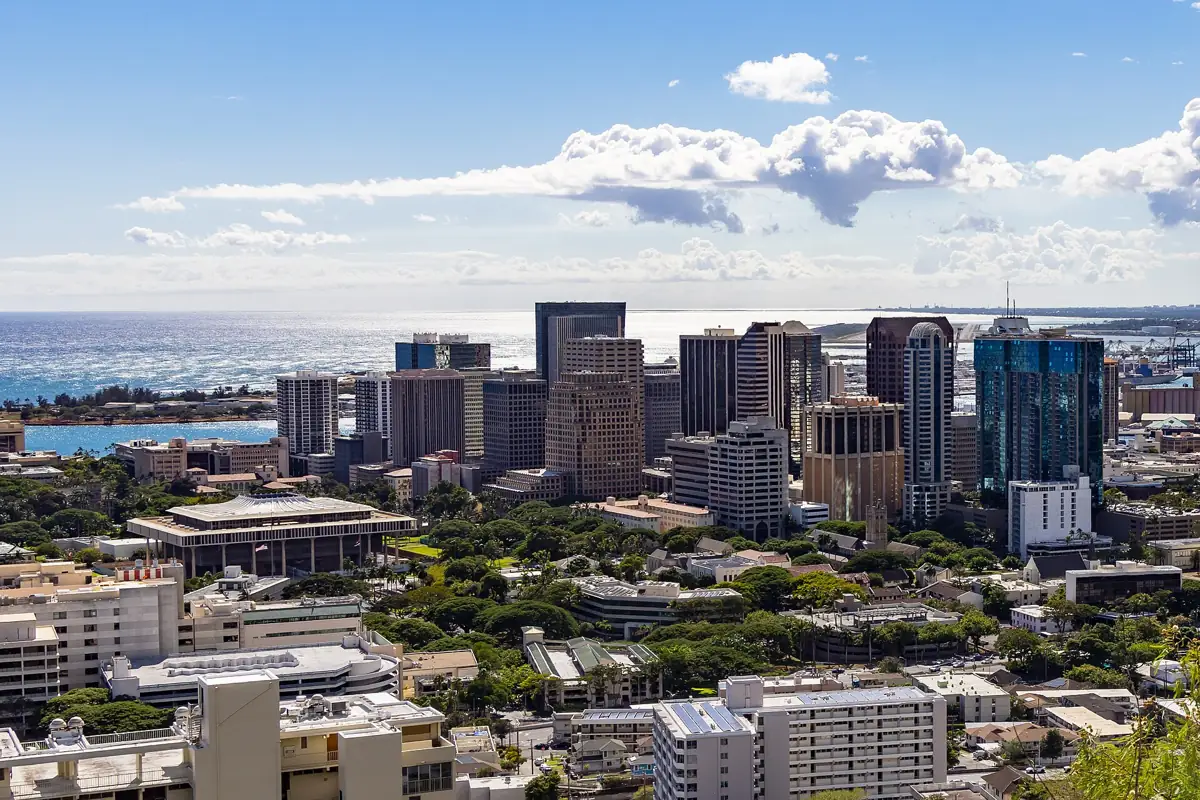
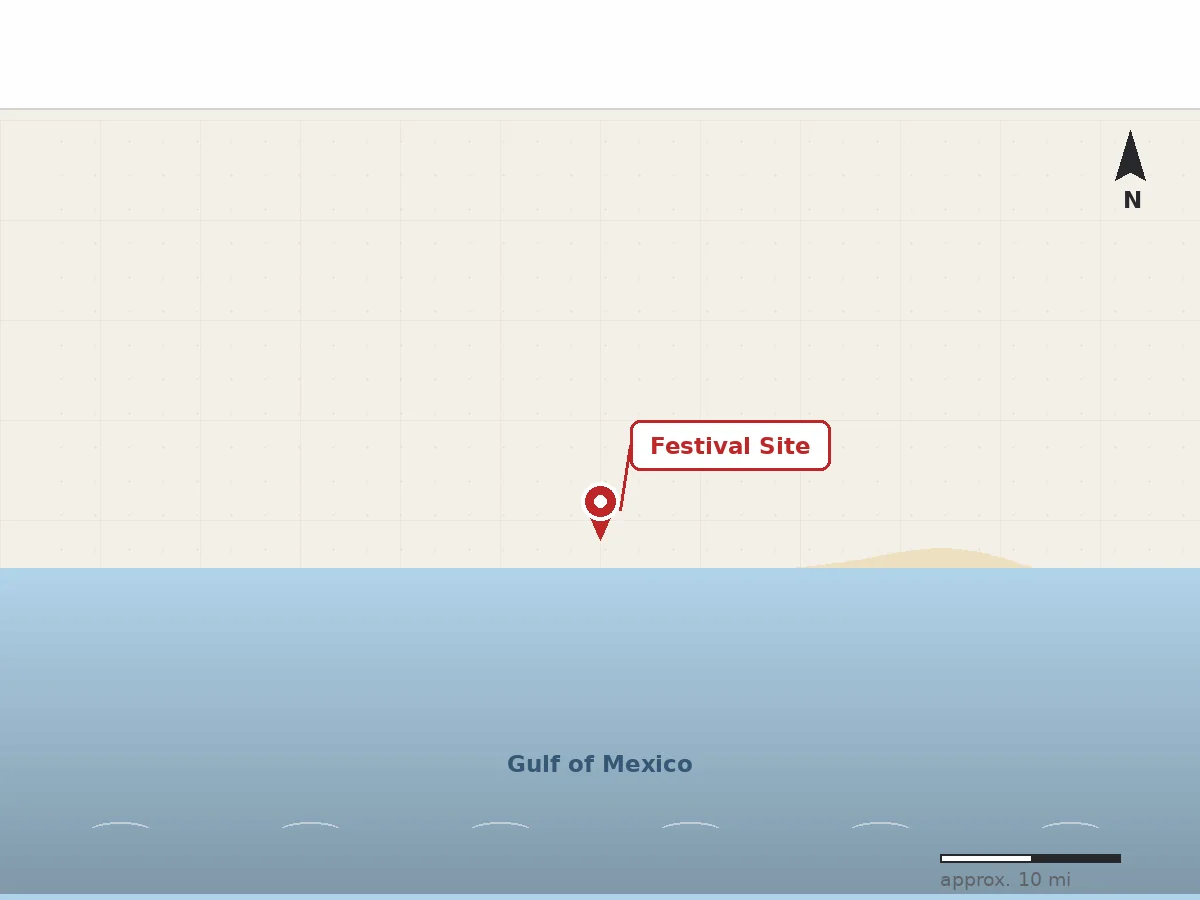
Honolulu Lei Day centers on the Waikiki parkland at the eastern edge of Honolulu, where Kapiolani Park meets the beach and Diamond Head rises behind the lawn.
First-Timer Lei Day Questions, Answered
Do I need tickets for Honolulu Lei Day?
No. Admission is typically free, and the festival is designed as a public community event rather than a ticketed show. Bring money for food, drinks, flowers, and crafts, and expect some optional workshops to ask for a small materials fee.
Can I wear a lei I bought instead of made?
Absolutely. Buying a lei supports local growers and crafters, and wearing one is the whole point of the day. Fresh flower lei are the classic choice, but shell, seed, and ribbon lei are just as welcome and last far longer in the heat.
Is Lei Day a good outing with young children?
Yes — it is one of the most family-friendly festivals in the county. The lawn is open, the lei-making tables are geared to beginners, and the program runs all day, so you can come and go around naps and meals. Bring shade, water, and a change of clothes.
What happens if it rains?
May showers on the south shore tend to pass quickly, and the festival carries on in light rain, with some activities shifting under tents. A compact umbrella or light jacket is enough. If a heavier system moves through, food stalls and covered craft areas usually remain the most comfortable places to wait it out.
The Next Lei Days in Honolulu County
Lei Day’s future looks less like expansion and more like deepening. Lei-making workshops, school programs, and halau participation keep the craft alive among younger residents, while growers and organizers increasingly talk about sustainable sourcing of flowers and native greenery. For visitors, that means a festival that stays rooted in local practice rather than turning into a staged performance.
Expect the same shape in coming years: a spring morning in early May, a free lawn in Waikiki, a lei competition, and a program of hula and Hawaiian music that runs until the trade winds pick up in the afternoon. Check local listings closer to the season for the current year’s schedule and any changes to the day’s lineup.
Last updated: October 2026
For one Honolulu County family, Lei Day ends the way it began — in a kitchen, with flowers. The lei come off, the petals get sorted for compost, and someone is already talking about next year’s colors. That is the quiet engine behind the festival: not a single day on a calendar, but a habit of making something by hand and giving it away.