Honolulu County Hawaii Hawaii International Film Festival
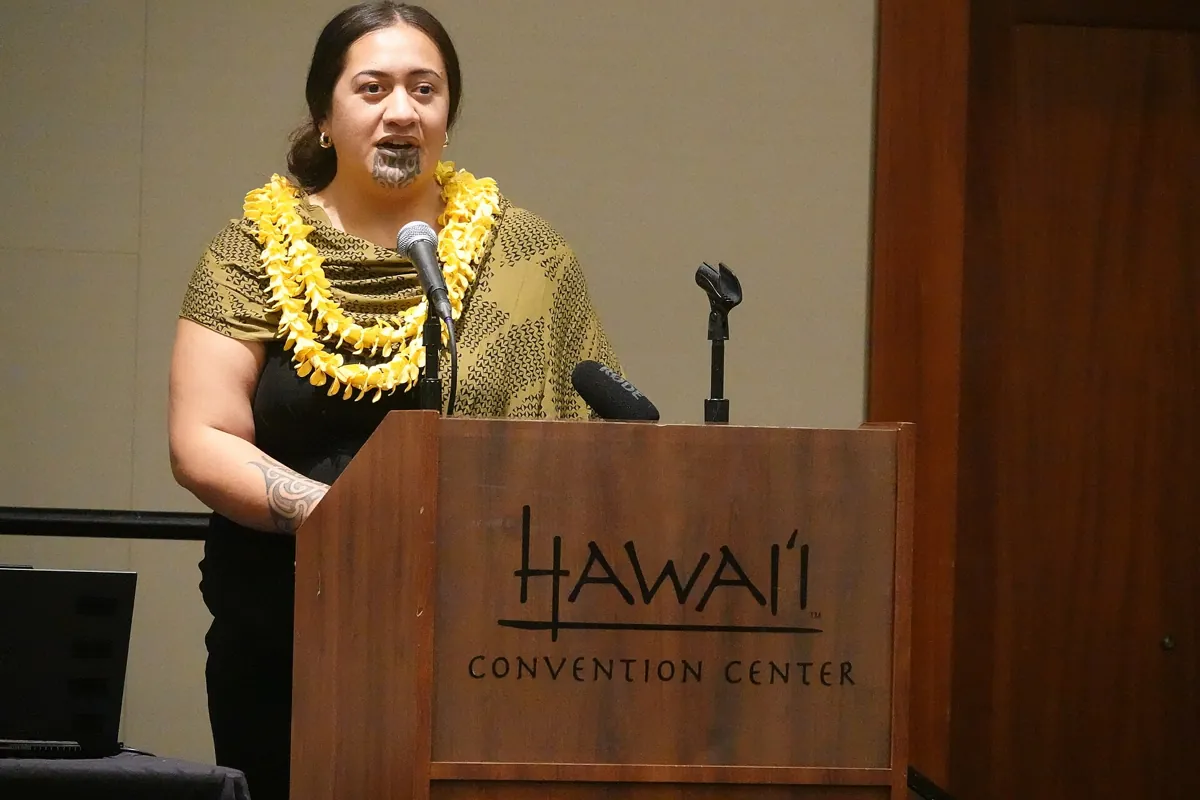
In Honolulu County, the Hawaii International Film Festival arrives each autumn like a familiar tide. Residents scan the schedule the way they check surf reports, block out evenings, and trade notes on which screenings filled first. With a county population of 1,016,508 spread across 2,128 square miles of Oahu, the festival pulls audiences from dense urban blocks and from windward and leeward neighborhoods alike, all converging on Honolulu for a run of days that feels equal parts cinema and reunion.
The Hawaii International Film Festival at a Glance
| Town / place | Honolulu County area, Island of Oahu |
| County | Honolulu County, Hawaii |
| County seat | Honolulu |
| Population | 1,016,508 (county-wide) |
| Region | South and windward Oahu, Hawaiian Islands |
| Typical timing | Each autumn, over a multi-day run |
| Admission | Ticketed screenings and passes; some community programs free |
| Setting | Urban Honolulu theaters and venues, plus community screenings |
| Features | Pacific and Asian cinema, premieres, shorts, filmmaker Q&As |
| Organizer | A Honolulu-based nonprofit film organization |
A Honolulu County Festival With the Pacific in Its Frame
The Hawaii International Film Festival is defined less by any single venue than by its vantage point. Honolulu sits at the crossroads of the Pacific, and the programming reflects that: stories from Hawaii, from across Polynesia and Micronesia, from Asia, and from filmmaking communities far beyond the islands. A documentary shot on a neighbor island can share a schedule with a feature from Seoul or Auckland, and audiences here treat that mix as ordinary rather than exotic.
What makes the event distinct is the audience itself. This is not a red-carpet-only affair watched from a distance. Residents treat the festival as part of the social calendar, buying passes, arranging carpools from Kailua or Kapolei, and turning a single screening into a full evening downtown. “I plan my fall around it,” says Malia, a teacher who lives in Kaimuki. “My friends and I pick our films, then we pick where we eat afterward. The movies are the excuse.”
How the Festival Became a Honolulu County Habit
The festival grew from modest beginnings into one of the region’s most anticipated cultural gatherings. It started as a gathering of film lovers and visiting filmmakers who wanted a Pacific stage for work that rarely reached mainstream theaters, and it built its reputation screening by screening. Word spread through Honolulu’s universities, arts organizations, and neighborhood film groups, and the audience broadened with it.
Over the decades, the shape of the event shifted. Screenings expanded from a handful of rooms to a cluster of Honolulu theaters and community venues. Filmmaker conversations, shorts showcases, and student and youth programs became fixtures rather than add-ons. The festival also began reaching beyond the county seat, with programming that connects Oahu audiences to stories from the wider Pacific. Through it all, the guiding idea stayed steady: put Pacific and Asian voices on a big screen in Honolulu, and trust residents to show up.
What a Festival Week Feels Like Across Oahu
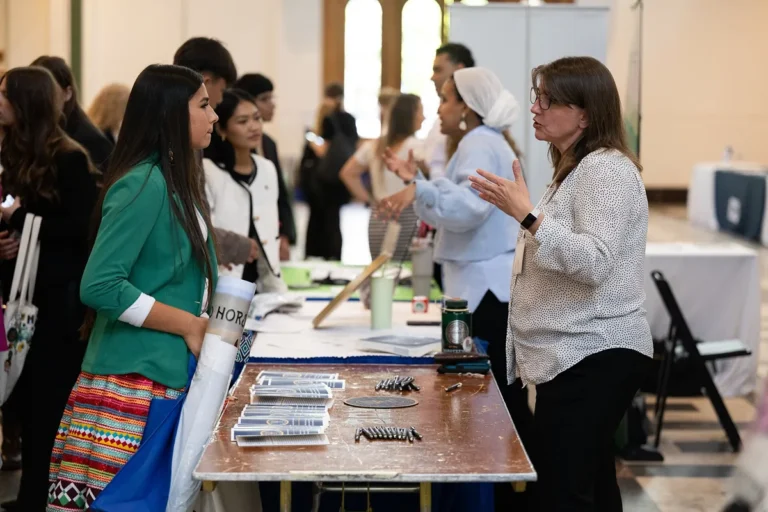
Festival week in Honolulu County has a rhythm. Mornings are quiet, afternoons bring matinees and student groups, and evenings fill with premieres, Q&As, and long lines of people comparing notes on what they just saw. The atmosphere is relaxed but purposeful, closer to a neighborhood tradition than a formal gala.
Food: Plate Lunch, Poke Bowls, and Between-Screening Snacks
Eating is part of the ritual. Residents build their days around a plate lunch before an afternoon screening, poke or a bowl of saimin between films, and shave ice or malasadas afterward. Downtown and the theater districts make this easy, with casual counters, food courts, and neighborhood spots within walking distance of most venues. Locals advise eating early on busy nights, since the gap between screenings is often shorter than it looks on the schedule.
Music, Talks, and the Crowd Outside the Auditorium
The entertainment extends past the credits. Filmmaker Q&As are a signature of the festival, and audiences here ask detailed, generous questions. Some evenings include live music or receptions, and the lobby chatter often outlasts the film. “Half the fun is the conversation in the hallway,” says Devin, a nurse from Aiea who has attended for years. “You hear about a film you would never have picked, and then you go see it the next night.”
Keiki Screenings and Family-Friendly Festival Time
Families are a real part of the audience. Animation, youth-made shorts, and culturally rooted storytelling draw parents with children, and daytime slots make it possible to attend without a late night. For older students, the festival can feel like a first real encounter with world cinema. Grandparents, meanwhile, are frequently the ones who introduce younger relatives to films from the islands and from Asia.
Planning a Honolulu County Festival Trip
Because screenings cluster in urban Honolulu, most logistics come down to timing and transportation. A little planning makes the difference between catching four films in a day and catching one.
Getting There: TheBus, Rideshares, and the H-1
Honolulu’s bus network reaches the main theater areas, and many residents ride in rather than drive, especially for evening programs. Rideshares are plentiful around the downtown and Ala Moana corridors. Drivers should expect the usual urban congestion on the H-1 during commute hours, and anyone coming from the windward side should add buffer time through the tunnels.
Where to Stay in and Around Honolulu
Visitors typically stay in Waikiki, downtown, or near Ala Moana, all of which put theaters within a short drive or bus ride. Waikiki offers the widest range of hotels and the most evening activity; downtown suits travelers who want to walk to screenings and restaurants. Vacation rentals in Kailua or the leeward side work for longer stays, but they add a daily commute.
Parking Near Honolulu’s Theater Cluster
Parking exists, but it is the least relaxing part of the trip. Garage rates and availability vary, and event nights fill quickly. Locals suggest arriving well before showtime, splitting a garage fee among a carpool, or skipping the car entirely. If you do drive, note where you parked before you go in — post-film disorientation is real.
Tickets, Passes, and What to Budget
Most screenings require a ticket, and the festival also offers passes for people planning to attend several films. Certain community, student, and outdoor programs have historically been free or reduced. Because pricing and package options change from year to year, check the festival’s official channels for current details rather than relying on last season’s numbers.
Autumn Weather in Honolulu County
Fall in Honolulu County is warm and generally mild, with temperatures that make walking between venues comfortable and indoor theaters a welcome cool-down. Brief passing showers are common, so a light layer or small umbrella helps. Windward areas tend to be wetter than the south shore, which matters if you are staying outside the city.
A Sample Festival Weekend, Friday Through Sunday
Start Friday with an afternoon arrival in Honolulu, check in, and pick up your pass or tickets. Catch an early evening screening, then eat nearby and stay for a late show if the schedule allows. Saturday is the big day: a morning matinee, a plate lunch, two afternoon films with a coffee break between them, and a premiere plus Q&A in the evening. Sunday slows down — a family-friendly or shorts program in the late morning, lunch in Chinatown or near Ala Moana, one final film in the afternoon, and a quiet drive home. Residents who follow this pattern say the key is leaving gaps rather than stacking screenings back to back.
How HIFF Sits Beside Other Honolulu County Celebrations
Honolulu County keeps a busy calendar, and the film festival occupies a specific niche. The Honolulu Festival, held in Waikiki in spring, is a large cultural celebration with music, dance, and street-level energy. The Made in Hawaii Festival, staged in late summer at the Blaisdell Center, focuses on island-made food, crafts, and products. Aloha Festivals, in early autumn, leans into Hawaiian culture and royal tradition. Compared with all three, the film festival is quieter and more interior — you sit in the dark and let someone else’s story unfold — but it reaches just as widely across the county, drawing audiences from Haleiwa to Hawaii Kai.
A Local’s Checklist Before the First Screening
Print or download the schedule and mark your must-sees; buy tickets or a pass early for opening and closing programs; confirm venue addresses, since screenings spread across several Honolulu locations; plan your transport and decide on parking in advance; bring a light layer for cold auditoriums; carry a refillable water bottle and a snack for long days; charge your phone for digital tickets and schedules; and leave one open slot for the film a stranger recommends in line.
Beyond the Screenings: Honolulu County Between Showtimes
The festival is a good reason to build a longer stay. Between films, visitors can explore Iolani Palace and the Bishop Museum for Hawaiian history, hike Diamond Head or Manoa Falls, or spend a morning at Pearl Harbor. Beaches are close at hand, from Waikiki to the windward shore at Kailua and Lanikai. On the North Shore, Haleiwa offers surf culture, casual food, and a slower pace that balances the city. Food lovers can spend an entire day on local classics: plate lunch, poke, saimin, manapua, and shave ice. Residents often pair a festival weekend with a Sunday drive around the island, ending with sunset on the west side.
What the Festival Means to Honolulu County Residents
Ask people in Honolulu County why they keep coming back, and the answers rarely start with cinema. They mention the chance to see their own communities reflected on screen. They mention filmmakers who fly in and stay to talk. They mention running into classmates, coworkers, and neighbors in the same lobby. For a county of more than a million people spread across an island, the festival creates a rare shared room.
It also carries cultural weight. For Pacific and Asian filmmakers, Honolulu is a place where their work is treated as central rather than marginal. For local audiences, that means stories that rarely arrive through mainstream distribution. “It reminds you that we’re not at the edge of anything,” says Kimo, a retired city worker from Kalihi. “We’re in the middle of the ocean, and the whole ocean comes here.”
Where Screenings Cluster in Honolulu County
The festival’s screenings and events are concentrated in urban Honolulu, within Honolulu County on the island of Oahu, with most venues a short distance apart in the city’s theater and shopping districts.
Honolulu Film-Goers on the Questions They Hear Most
Do tickets sell out before festival week?
Popular screenings — opening night, premieres, and anything with a visiting filmmaker — can fill well before the run begins. Regular weekday matinees are usually easier to get into. If a film matters to you, buy early; if you are flexible, you can often decide the same day.
Is the festival only for serious film buffs?
Not at all. The schedule mixes accessible dramas, documentaries, animation, and shorts with more challenging work, and audiences are notably unpretentious. Plenty of attendees pick films purely by title or by the description in the program, which is exactly how many longtime regulars got started.
Can I bring children to screenings?
Yes, for appropriate programs. Family and youth-oriented screenings are part of the lineup, usually in daytime slots. Individual films carry their own content ratings and descriptions, so check the program notes before bringing younger children to an evening show.
How do I decide what to see?
Start with the printed or digital schedule, pick two or three anchors, and leave room around them. Ask volunteers and fellow attendees for recommendations — the informal word-of-mouth network in Honolulu is remarkably reliable, and it is how most residents discover their favorite film of the year.
Where the Hawaii International Film Festival Goes From Here
The festival’s future looks tied to the same things that built it: a Pacific-facing program, a strong local audience, and partnerships with Honolulu’s arts, education, and community groups. Expect continued emphasis on regional filmmakers, youth and student work, and formats that make the festival accessible to people across the county rather than only those who live near downtown. As Honolulu County’s population and cultural mix keep evolving, the audience on screen and the audience in the seats should keep changing together.
Last updated: October 2026
For anyone in Honolulu County, the Hawaii International Film Festival is less an event to tick off than a season to settle into. Pick a few films, bring a friend, leave an evening free, and let the conversations in the lobby point you toward the next one.