Honolulu County Hawaii Aloha Festival
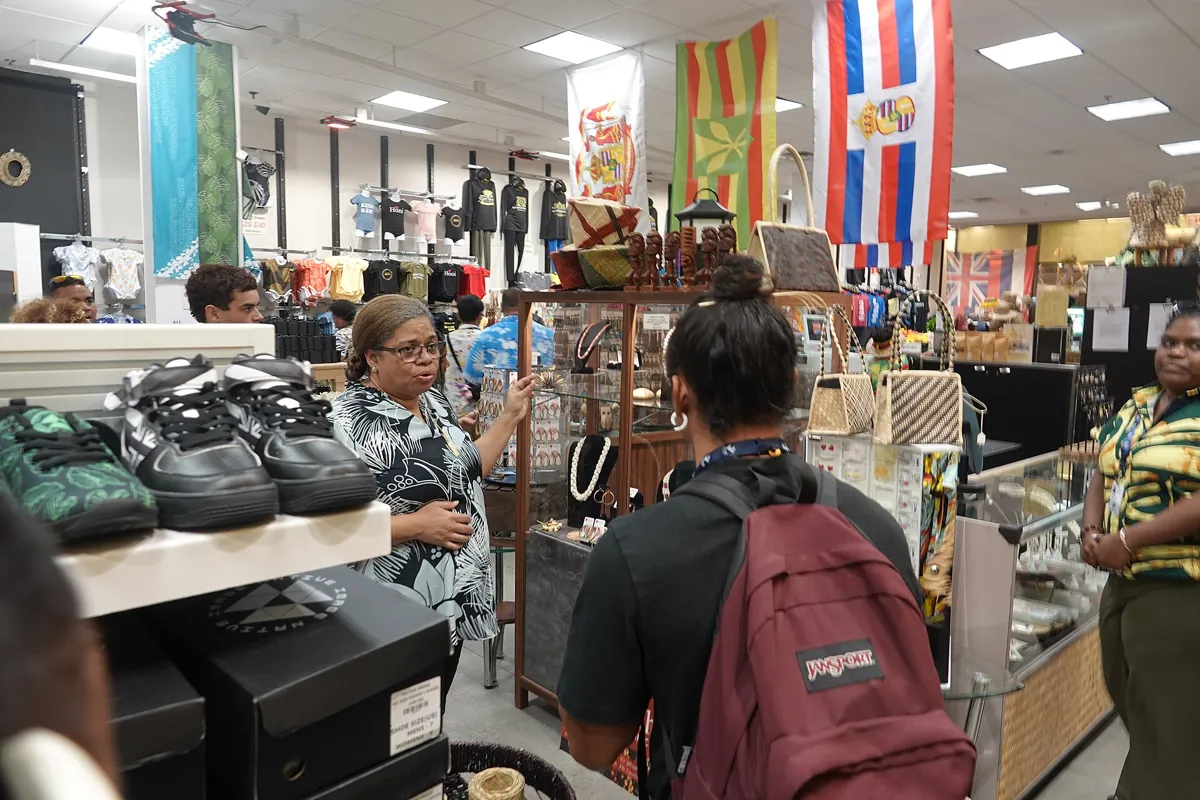
In most years, the Aloha Festival arrives across Honolulu County in September, and with it a season of hula, Hawaiian music, food stalls and craft fairs that reaches well beyond any single stage. The celebration is deliberately countywide: programs appear in parks, along city streets, on beachfront lawns and inside community halls, so a visitor can drift from a midday hula performance into an evening concert without ever leaving the county. Honolulu County is home to 1,016,508 residents, and for many of them the Aloha Festival is less a single event than a shared calendar marker — the stretch of weeks when island traditions take center stage.
Honolulu County Aloha Festival: What You Need to Know First
| Festival | Aloha Festival |
| Town / area | The Honolulu County area |
| County | Honolulu County, Hawaii |
| County seat | Honolulu |
| Population | 1,016,508 |
| Region | Honolulu County, Hawaii |
| Typical timing | September, in most years |
| Admission | Typically free to the public |
| Setting | Parks, streets, beaches and community venues countywide |
| Signature features | Hula, Hawaiian music, food stalls, craft fairs, lei-making |
| Organizer | Community-based Aloha Festival organizers with local partners |
The Aloha Festival and the County That Hosts It
The Aloha Festival is Honolulu County’s broadest public celebration of Hawaiian culture, staged across a county that covers 2,128 square miles and reaches from the county seat of Honolulu outward to quieter communities. Rather than concentrating everything in one ticketed venue, organizers assemble a program of free, family-oriented events: hula halau performances, Hawaiian music sets, lei-making, craft demonstrations, food vendors and parades. Admission is typically free, and much of the appeal lies in wandering between venues at your own pace rather than following a fixed schedule.
Because the festival is decentralized, no two visitors experience it the same way. Some come for the larger staged concerts, others for the neighborhood craft booths and plate lunches that spring up alongside them. What ties it together is a shared theme: aloha as a living practice, expressed through language, music, dance, food and hospitality. The result feels less like a ticketed attraction and more like a county opening its doors.
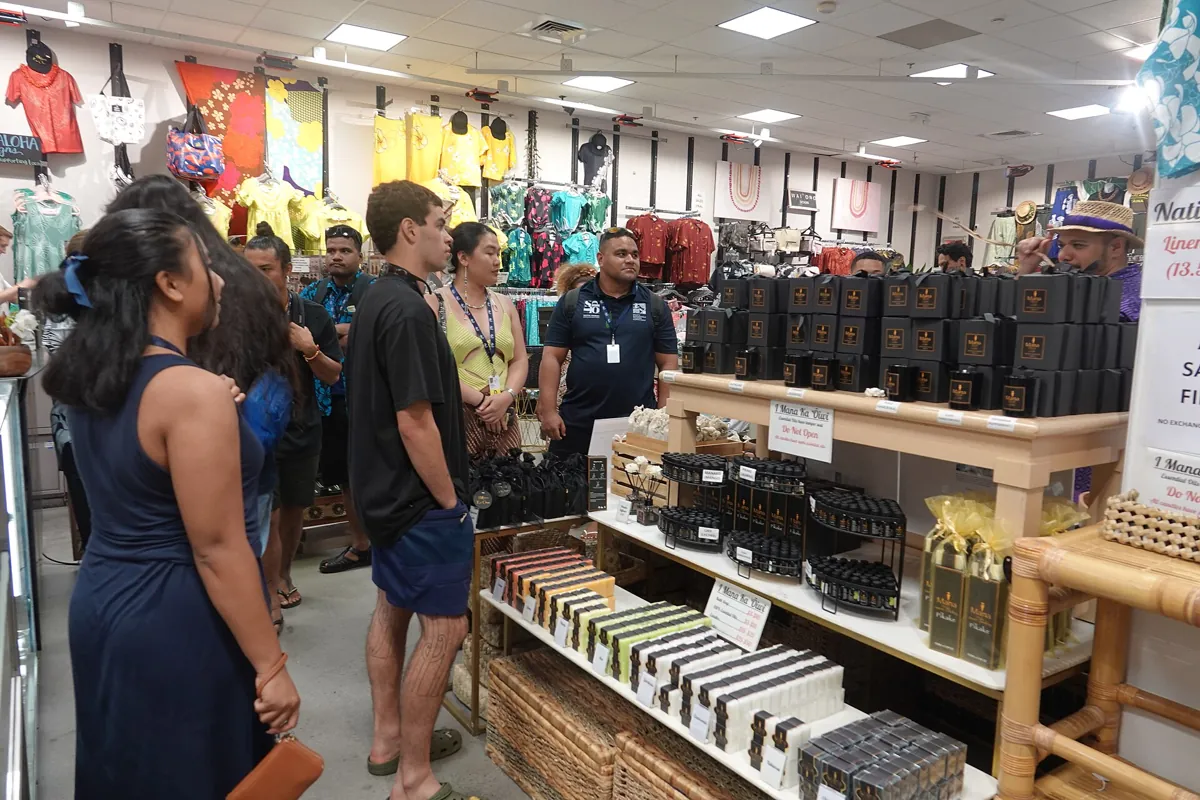
A Short History of the Aloha Festival in Honolulu County
The Aloha Festival grew out of a simple impulse: to keep Hawaiian traditions visible in daily public life rather than confined to museums and private gatherings. In its early years the celebration leaned on community groups, civic organizations and volunteers who staged music and dance programs in public spaces. Over the decades, that volunteer spirit hardened into an annual tradition with a recognizable rhythm — a season of events that residents plan their weekends around.
As Honolulu County grew, so did the festival’s footprint. What began as a modest run of performances expanded into a countywide calendar of parades, concerts, craft fairs and cultural demonstrations. Each generation added its own layer: hula halau that once performed informally began preparing months in advance, and local food vendors built followings of their own.
Perhaps the most important shift was philosophical. The Aloha Festival increasingly framed itself as a platform for Hawaiian practitioners — kumu hula, musicians, artisans and language advocates — rather than a showcase staged for outsiders. That emphasis on participation over spectacle is what gives the modern festival its texture, and it is why so many Honolulu County families treat it as a tradition to pass down.
What to Expect at the Aloha Festival in Honolulu County
Expect a loose, layered program rather than one headline event. On a given festival weekend you might find a morning craft fair, an afternoon of hula, an evening concert and a food market running in parallel. Crowds build toward the larger performances, so plan around the quieter hours if you prefer room to move.
Food Stalls and Local Favorites Across Honolulu County
Food is one of the strongest draws. Expect plate lunches, grilled meat and fish plates, shave ice, malasadas, poke and Hawaiian favorites such as kalua pork and laulau served by local vendors and community fundraisers. Much of the money spent at these stalls circulates back into schools, halau and neighborhood organizations, which is part of why the lines are long and the mood is generous. Desserts are usually the easiest sell for families with children.
Hula and Hawaiian Music on Honolulu County Stages
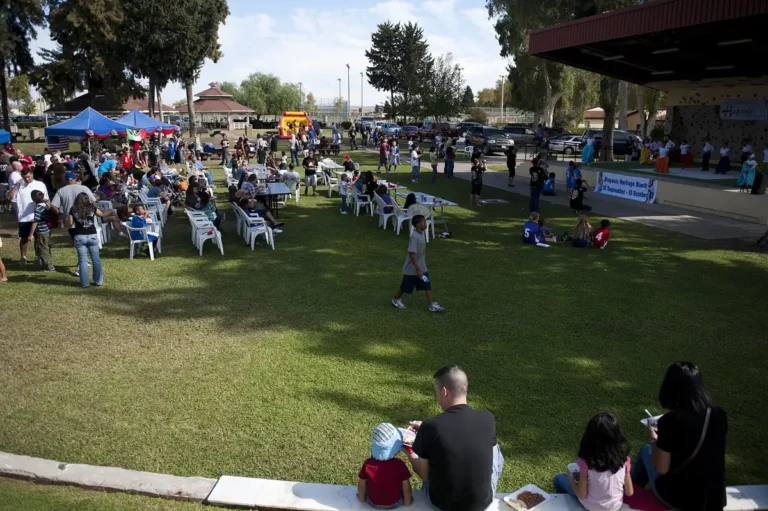
Music and dance anchor the festival. Hula performances range from keiki groups taking a first stage to seasoned halau, and Hawaiian music — slack key guitar, ukulele, falsetto singing and contemporary island bands — fills the gaps between them. Programs are typically free and open-air, with audiences settling onto grass or folding chairs. Arrive early for the most sought-after sets, and stay for the informal jam sessions that often follow.
Keiki-Friendly Culture and Hands-On Craft
Families are central to the Aloha Festival. Expect lei-making tables, craft demonstrations, storytelling, cultural workshops and keiki-friendly activities scattered through the program. Many events are stroller-friendly and set in parks with shade and open space, so children can move between activities without much planning. Bring water, sunscreen and a mat to sit on, and check the schedule for demonstrations that invite participation rather than passive watching.
Planning an Aloha Festival Trip in Honolulu County
Because the festival is spread out, the single most useful planning decision is where you will base yourself and which clusters of events you want to reach. Build in travel time between venues, especially on weekends.
Getting to Aloha Festival Events in Honolulu County
Most visitors fly into Honolulu and rely on rental cars, rideshare or public buses to move between venues. Traffic is heaviest on weekday afternoons and weekend mornings, so leaving early is usually the simplest way to avoid congestion. If you are staying in the Honolulu area, several events can be reached on foot or with a short rideshare ride, which removes parking from the equation entirely.
Where to Stay for the Aloha Festival
Honolulu offers the widest range of lodging, from resort hotels to smaller inns and vacation rentals, and it puts you closest to the largest concentration of events. Staying elsewhere in the county can mean lower rates and easier parking, at the cost of longer drives. Book well ahead for festival weekends, when demand rises across the county.
Parking and Getting Around Honolulu County
Parking near popular venues fills quickly. Arrive early, carpool where you can, and expect to walk a few blocks from street parking to event grounds. Where a venue offers shuttle service or overflow lots, use them. Rideshare is often the least stressful option for evening programs, when parking pressure peaks and traffic lingers after performances end.
Admission and Costs at the Aloha Festival
Admission is typically free, which makes the celebration unusually accessible for a festival of its size. Your main costs will be food, drink, crafts and transport. Bring cash for small vendors and fundraisers, since not every stall takes cards, and set a budget for the craft fairs — the temptation is real.
September Weather in Honolulu County and What to Wear
September in Honolulu County is warm and often humid, with passing showers and strong sun. Light, breathable clothing, a hat, sunglasses and reef-safe sunscreen cover most situations. Comfortable shoes matter more than most visitors expect, because festival days involve standing and walking between venues. A light rain layer is worth packing for afternoon showers.
A Sample Aloha Festival Weekend in Honolulu County
Friday evening. Arrive in Honolulu, settle in and pick up a festival program or check current listings. Spend the evening near your lodging with an early dinner; many visitors use this window to adjust to island time.
Saturday morning. Start at a craft fair or cultural demonstration, when crowds are thin and vendors have time to talk. Lei-making tables and artisan booths are good first stops, and parking is easiest before mid-morning.
Saturday afternoon. Move to a hula or music program. Bring a mat, find shade, and plan to stay for more than one set; the atmosphere builds as the afternoon cools. Grab a plate lunch between performances.
Saturday evening. Choose a concert or larger staged event. Arrive early, use rideshare if parking is tight, and stay for the closing numbers.
Sunday morning. Slow down with a beach walk or a neighborhood breakfast, then return for any workshop or demonstration you missed. Sunday afternoons are often the most relaxed stretch of the festival.
Sunday evening. Wrap up with a final food market or a quiet dinner, and leave time to pack before an early flight.
Aloha Festival Compared With Other Honolulu County Celebrations
Honolulu County keeps a busy cultural calendar, and the Aloha Festival sits alongside several other traditions worth knowing. Lei Day programs in Honolulu focus tightly on the lei itself — making it, wearing it and honoring its symbolism — and tend to be concentrated rather than spread across a season. Makahiki-season events lean toward Hawaiian sport, ceremony and harvest traditions, with a more historical emphasis than the Aloha Festival’s broad entertainment lineup. Neighborhood and school fairs are smaller and more local, often built around a single park or campus.
What sets the Aloha Festival apart is scale and breadth. It is the countywide option: the one that folds music, dance, food, craft and parade traditions into a single season, and the one most likely to have something happening within a short drive of wherever you are staying.
Aloha Festival Checklist for Honolulu County Visitors
Before you go: confirm the current schedule, since venues and programs shift from year to year; check whether any workshop requires advance registration; and map out two or three clusters of events rather than trying to cover the whole county.
Pack: reef-safe sunscreen, a hat, sunglasses, a refillable water bottle, a light rain layer, comfortable walking shoes, a mat or low chair, and cash for vendors and fundraisers.
On the day: arrive early for parking, hydrate often, keep an eye on keiki in crowds, and carry out your trash to keep parks and beaches clean.
Respect: ask before photographing performers, follow posted rules at cultural sites, and treat demonstrations as invitations to learn rather than photo opportunities.
Beyond the Aloha Festival: The Rest of Honolulu County
The festival is a reason to stay longer. Honolulu County covers 2,128 square miles and holds far more than its headline events: volcanic ridgelines and coastal lookouts, botanical gardens, historic sites tied to Hawaiian royalty, and long stretches of shoreline that reward an unhurried drive. Between festival programs, visitors can hike a ridge trail in the morning, swim in the afternoon and still make an evening concert.
The county’s food culture deserves its own itinerary. Beyond festival stalls, Honolulu and its surrounding communities support bakeries, plate-lunch counters, poke shops and family-run restaurants that reflect the islands’ mixed heritage. Pairing a festival weekend with a few meals away from the event grounds is the surest way to understand why locals treat the Aloha Festival as a celebration of everyday life, not just a stage show.
What the Aloha Festival Means to Honolulu County
For a county of 1,016,508 residents spread across islands and coastline, the Aloha Festival functions as a rare shared experience. It gives Hawaiian practitioners a public platform, gives local businesses and nonprofits a revenue stream, and gives families a tradition that repeats every year. It also carries an educational role: many visitors encounter hula, Hawaiian language and craft traditions at the festival for the first time, and leave with a fuller picture of the place they are visiting.
Just as important is what the festival does internally. Volunteers, halau, schools and community groups use it to raise funds and build networks that last well beyond September. The aloha in the name is not decoration; it is the operating principle — hospitality offered generously, and returned.
Where the Aloha Festival Happens in Honolulu County
Aloha Festival events take place at parks, streets, beaches and community venues throughout Honolulu County, with the largest concentration in and around the county seat of Honolulu.
Aloha Festival: Four Things Newcomers Want to Know
When does the Aloha Festival usually take place?
In most years the festival runs during September, with programs spread across several weekends rather than a single day. Because schedules shift, check current listings close to your travel dates and plan around the clusters of events that interest you most.
Is the Aloha Festival free to attend?
Admission is typically free, which is central to the festival’s character. You will still spend on food, drinks, crafts and transport, and some workshops or seated programs may have their own arrangements, so confirm details for anything you particularly want to attend.
Where should first-time visitors stay in Honolulu County?
Honolulu offers the widest choice of lodging and the shortest trips to the biggest events, which makes it the easiest base. Staying elsewhere in the county can mean lower rates and simpler parking, but plan for longer drives between venues.
Do I need to book anything in advance?
Most festival programming is open to the public without tickets. Reserve lodging early, since festival weekends are busy, and register ahead for any workshop or limited-capacity event you have your heart set on.
Looking Ahead for the Aloha Festival in Honolulu County
The Aloha Festival’s future will be shaped by the same forces that built it: volunteers, cultural practitioners and community organizations. Expect continued emphasis on Hawaiian language and tradition, more hands-on workshops alongside stage performances, and growing attention to sustainability — reusable serviceware, waste reduction and care for the beaches and parks that host so many events.
For visitors, the practical advice is unlikely to change. Come in September, build a flexible plan, and leave room for the unplanned: a halau performance you did not know about, a plate lunch worth queuing for, a conversation with a vendor who has been setting up in the same park for years.
Last updated: October 2026
Whether you live in Honolulu County or are seeing it for the first time, the Aloha Festival offers something increasingly rare: a large public celebration that remains free, local and genuinely welcoming. Go for the music, stay for the food, and let the season set your pace.