Champaign County Illinois Boneyard Arts Festival
Boneyard Arts turns Champaign County into one long, walkable gallery — and, for anyone who plans a trip around meals, into something even better: a food trail with art attached. For a weekend each spring, studios, storefronts, galleries, porches, and borrowed spaces across Urbana, Champaign, and the smaller communities around them throw open their doors, and the crowds that follow arrive hungry.
That is the premise of this guide. We are treating the festival the way a food-forward visitor would: start with what is cooking, then build the art around it. Champaign County spreads across 998 square miles of east-central Illinois, and its 205,865 residents know that terrain well. Visitors get the fun version of it — a compact, mostly free, deeply local weekend where the best stop is often the one with a line out the door.
Boneyard Arts Field Notes: The Champaign County Basics
Before you sketch a route, get the shape of the thing straight. This is a countywide festival rather than a single gated fairground, which changes everything about how you plan. You will move between venues — on foot in the dense pockets, by car or bike between towns — and you will eat in the gaps between them.
| Place | Champaign County area, Illinois (Urbana, Champaign, and surrounding communities) |
| County | Champaign County, Illinois |
| County seat | Urbana |
| Population | 205,865 |
| Land area | 998 square miles |
| Region | East-central Illinois |
| Typical timing | Each spring, usually across a single weekend |
| Admission | Free to attend; food, drinks, and artwork sold separately |
| Setting | Walkable urban arts pockets plus outlying county venues |
| Signature features | Open studios, pop-up galleries, live music, local food and drink |
What Boneyard Arts Actually Is, and Why Food Sits at the Center of It
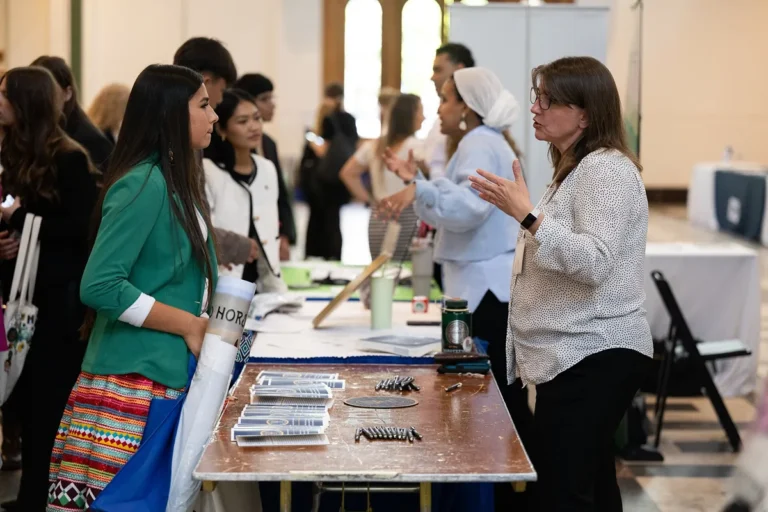
Boneyard Arts is an open-doors arts festival. There is no single gate, no single ticket booth, no single stage. Instead, painters, printmakers, ceramicists, photographers, muralists, fiber artists, and musicians host the public in the places where they genuinely work — basements, garages, converted warehouses, living rooms, co-ops, studios above shops. The name nods to that scrappy, improvised spirit: the boneyard is where things get made.
Because the venues are real neighborhoods rather than a fairground, food becomes inseparable from the experience. Coffee shops and bakeries along the route turn into unofficial festival hubs, with tables of people comparing maps and sketching plans on napkins. Taquerias, noodle counters, breweries, diners, and campus-adjacent cafes fill up between studio visits. Many venues time their openings around lunch and early evening, which means the practical strategy is almost embarrassingly simple: pick a district, eat there, walk the art, then repeat somewhere else.
Admission is generally free, and that is a large part of the festival’s character — you can wander in, look at three paintings, buy a pastry, and leave without feeling like you wasted a ticket. Individual venues may charge for food, drinks, or the artwork itself, and some host ticketed workshops or demonstrations. Budget accordingly: your biggest expense will almost certainly be dinner.

How a Scrappy Open-Studio Weekend Became a Champaign County Tradition
The festival grew the way most good Midwest arts events grow: quietly, then all at once. In its early seasons, Boneyard Arts was a modest, artist-driven idea — a handful of makers in Urbana and Champaign agreeing to open their doors on the same weekend so that curious neighbors could see how the work actually gets made. No grand pavilion, no corporate sponsor banner, just a shared calendar and a lot of handwritten signs.
That model turned out to be unusually durable. Opening studios meant audiences met artists instead of labels. It also meant the festival could expand without building anything: every new participating venue — a gallery, a bike shop, a church hall, a restaurant with wall space — added capacity for free. Over the years, the footprint widened from the core of Urbana and Champaign outward into surrounding communities, and the weekend picked up the hallmarks it carries today.
The food dimension arrived in parallel. As more venues opened, more restaurants realized the festival crowd was already walking past their doors, and the two economies merged. Today the weekend functions less like an art fair and more like a countywide block party with a gallery crawl threaded through it — one where the local food scene is not a side attraction but the connective tissue between stops.
What to Expect When Champaign County Opens Its Doors
Expect variety over polish. Some venues are slick galleries with printed labels; others are garages with a card table and a cooler. That mix is the point, and it is what makes the weekend feel like a genuine tour of a place rather than a curated exhibition.
Eating Your Way Along the Boneyard Arts Route
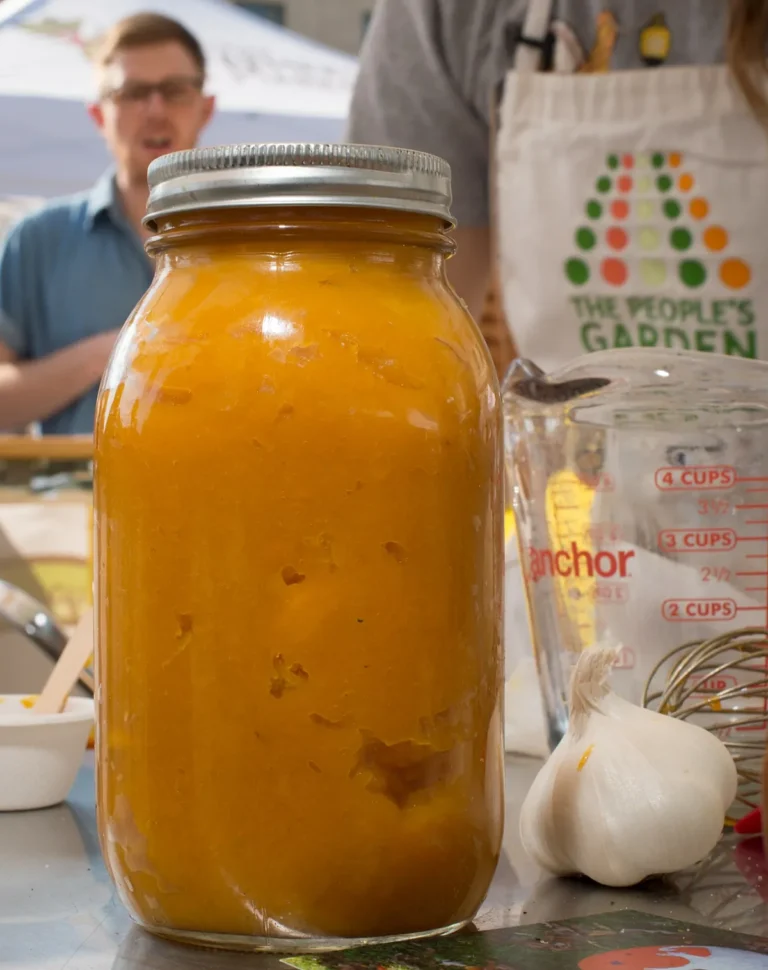
Food is the festival’s unofficial second medium. Expect pop-up coffee and pastry service near the busiest clusters, food trucks parked beside studio buildings, and restaurants running festival-weekend specials for people wandering in with paint on their hands. The strongest strategy is to anchor each half-day to one meal: a late breakfast near your first cluster of venues, a long lunch in a walkable district, then dinner somewhere with a patio. Because the route runs through residential and campus-adjacent neighborhoods, you will find everything from cheap, fast, and excellent to slow, ambitious, and worth the wait. Bring cash for small vendors, though most spots now take cards.
Music, Performance, and Improvised Stages
Live music tends to appear wherever there is room for it — a corner of a brewery, a front porch, a parking lot turned into a temporary stage. Expect a mix of local bands, singer-songwriters, student ensembles, and the occasional unexpected set from a dance or theater group. Because performances are scattered rather than scheduled into one amphitheater, the best approach is to ask at each venue what is happening next and follow the sound. Sets are typically short, free, and informal, which makes it easy to drift between art and music without committing your whole evening to either.
Family-Friendly Stops From Urbana Outward
Boneyard Arts is unusually kind to families, mostly because there is nothing to keep small children still. Hands-on tables, chalk and sidewalk drawing, printmaking demos, and open studios where kids can watch a wheel spin or a press clank tend to be the biggest draws. Strollers work well in the walkable core districts and less well in scattered outlying venues, so plan the dense pockets for the youngest travelers and save the driving loop for older kids. Many venues are free and open to all ages; a few with fragile work ask that you keep hands to yourself, and those are usually clearly marked.
Planning a Boneyard Arts Weekend in Champaign County
The festival rewards a little forethought. Because venues are spread across a county larger than some states’ metro areas, the difference between a chaotic day and a great one is usually a short list of three or four districts rather than a heroic attempt to see everything.
Getting to Champaign County
Champaign County sits in east-central Illinois, roughly midway between Chicago and St. Louis along the region’s main interstate corridor. Most visitors arrive by car, which is also the most flexible way to reach outlying venues. Intercity rail and bus service connect the area to larger cities, and once you are in the Urbana–Champaign core, much of the festival is walkable. If you are coming from out of state, plan the drive around the weekend rather than the day — arriving Friday evening makes Saturday far less rushed.
Where to Sleep Between Studio Visits
Lodging clusters around the Urbana–Champaign core, with a mix of national hotel brands, independent inns, and short-term rentals. Because the festival overlaps with other spring activity in a university county, rooms in the center can tighten up, so booking a few weeks ahead is wise. Staying near the walkable districts is worth a small premium if you plan to spend the evening out; staying farther out is fine if you intend to drive between clusters anyway.
Parking, Bikes, and Moving Between Venues
In the core districts, expect to park once and walk. Ramps, metered street spaces, and neighborhood parking fill quickly on the busiest afternoons, so arrive early or aim for a slightly peripheral spot and accept a ten-minute walk. Bicycles are an excellent choice here — the terrain is flat and the distances between clusters are short. For outlying county venues, drive, and check whether each stop has its own lot. Rideshare works well in the urban core and becomes unreliable the farther out you go.
What a Boneyard Arts Weekend Costs
Attending is typically free, which keeps the barrier low and the mood relaxed. Your real spending is food, drinks, and any art you fall for. A realistic budget for a couple: modest for a day of grazing and coffee, moderate once you add a sit-down dinner and a brewery stop, higher if you are buying original work. Workshops and special demonstrations may carry their own small fees, and it never hurts to carry a little cash for the smallest vendors.
Spring Weather and What to Wear
Spring in central Illinois is a negotiation. One afternoon can be warm and sunny; the next can be windy and damp. Dress in layers, bring a light rain shell, and wear shoes you can stand in for hours, because the festival is fundamentally a walking event. If rain settles in, the day still works — galleries, studios, cafes, and breweries make perfectly good shelter, and the crowds thin out in your favor.
A Sample Boneyard Arts Weekend, Built Around Meals
Friday evening. Arrive, check in, and spend a low-effort hour walking one dense district to get your bearings. Eat dinner somewhere casual and busy, then look at whatever venue is open late. This is reconnaissance, not a checklist.
Saturday morning. Coffee and a pastry near your first cluster, then hit studios while they are freshest and least crowded. Aim for three or four venues in a single walkable pocket rather than chasing stragglers across the county.
Saturday afternoon. Long lunch, then a second district on foot. This is the best window for demonstrations and hands-on tables, and the best light for photographing work. If you have kids, this is their slot.
Saturday evening. Live music, a brewery or bar with food, and one last gallery if something caught your eye earlier. Buy the piece you keep thinking about — that is what the weekend is for.
Sunday. Drive the outlying loop. Smaller community venues are quieter, more personal, and often where the most surprising conversations happen. Finish with a late brunch before heading home.
How Boneyard Arts Compares With Nearby Festival Weekends
Urbana’s Sweetcorn Festival, held each late summer, is the county’s biggest food-first celebration — corn, music, and a crowd that comes for the eating above all else. Boneyard Arts is the spring counterpart: same county, same appetite, but the food is the supporting cast to the studios and galleries.
Further afield, the Arthur Cheese Festival in neighboring Douglas County draws a distinctly dairy-obsessed crowd, and tasting-style events in the Champaign–Urbana area lean entirely on the restaurant scene. Boneyard Arts sits between those poles. It is not a food festival, and it is not a conventional art fair — it is a countywide open house where eating well is simply how you get from one venue to the next.
The Boneyard Arts Checklist Worth Actually Using
Charge your phone and pack a battery; layers and a rain shell; comfortable walking shoes; cash for small vendors; a reusable water bottle; a tote for anything you buy; a paper or downloaded venue list since signal can lag in older buildings; a rough meal plan so you are not hunting for food at peak hours; and a willingness to skip venues. The single most useful item is a short list of three districts you actually care about.
Beyond the Festival: Eating and Wandering Around Champaign County
Stay an extra half-day and the county keeps giving. The Urbana–Champaign core rewards aimless walking, with coffee roasters, bakeries, international groceries, and restaurants that reflect a university town’s appetite for variety. Out in the county, small-town diners and supper-club-style spots serve the kind of food that does not travel well and does not need to. Between meals there are parks, prairie patches, and quiet roads that make the driving loop part of the pleasure rather than a chore. If you came for the art, leave a little room to be surprised by everything else.
Why Boneyard Arts Matters to Champaign County
A county with 205,865 people and 998 square miles does not get many chances to feel like one place. Boneyard Arts does that work. It pulls artists out of isolation, gives small venues a reason to open their doors, and hands residents a weekend where the town they live in becomes worth exploring on foot. For the food scene, it is a genuine economic boost delivered in the least bureaucratic way possible: hungry people, walking slowly, spending locally. For visitors, it is a rare chance to see a region’s creative life and its kitchens in the same afternoon.
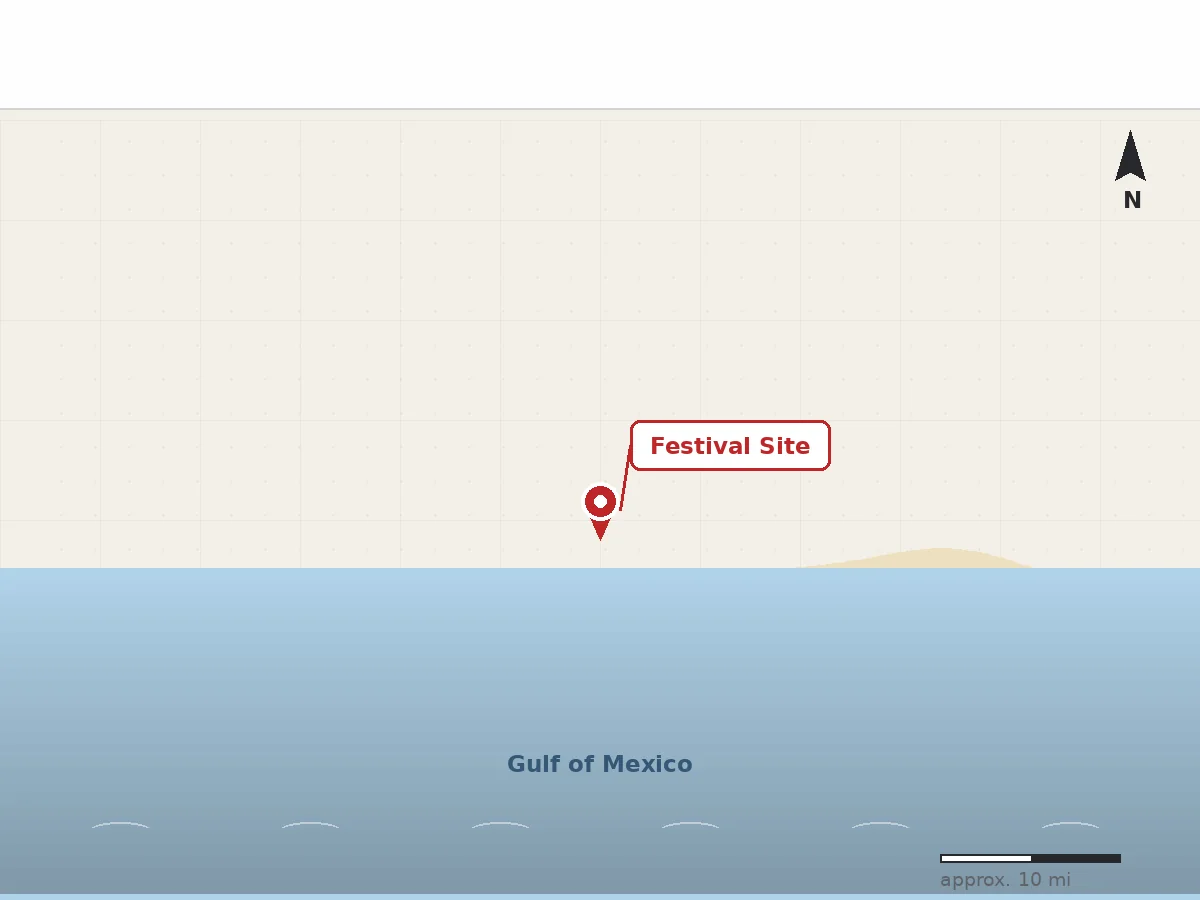
Where Boneyard Arts Happens Across the County
Boneyard Arts unfolds across the Champaign County area, with the densest concentration of venues in and around Urbana, the county seat, and neighboring Champaign.
Boneyard Arts Questions, Answered
Is Boneyard Arts free to attend?
Generally yes. The festival is built around open studios, pop-up galleries, and public venues, so there is usually no gate charge. Individual venues may sell food, drinks, or artwork, and some workshops or demonstrations may carry a small fee of their own.
When does the festival usually take place?
It is a spring event, typically held across a single weekend. Exact dates shift from year to year, so check the current schedule before you book lodging, especially in a university county where spring calendars fill quickly.
Do I need a car to see it all?
Not for the core districts, which are walkable and bike-friendly. You will want a car — or a lot of patience — for outlying county venues, since the festival is spread across a large area rather than concentrated in one spot.
Is it a good weekend for families and picky eaters?
Both, generally. Hands-on activities and open studios keep kids engaged, and the food range runs from quick and familiar to ambitious, so mixed groups usually find common ground without much negotiation.
What’s Next for Boneyard Arts in Champaign County
The festival’s distributed model is also its growth plan. Every year it can absorb new venues without new infrastructure — another restaurant with wall space, another studio opening its doors, another small town joining the loop. That suggests a future of broader county coverage and a tighter bond between the arts and the local food scene, with more pop-ups, more collaboration, and more reasons to spend a whole weekend rather than an afternoon.
Last updated: October 2026
If you go, go hungry and go slowly. Boneyard Arts is at its best when you stop treating it as a checklist and start treating it as a long, pleasant walk through a county that has more going on than most visitors expect — one studio, one plate, and one conversation at a time.