Cassia County Idaho Cassia Festival of Trees Festival

The first thing a returning visitor notices at the Cassia Festival of Trees isn’t the trees. It’s the warmth. You step in from a cold southern Idaho evening and the room hits you with heated air, sugar, and fresh evergreen. Your eyes adjust, and there they are: dozens of trees, each decorated by a different family, club, classroom, or business from around Cassia County, each lit a little differently.
The festival is exactly what the name promises — a hall full of decorated trees, most built around a theme somebody local chose, all on display through the holiday season. It arrives in the Cassia County area each year around late November and December and has become one of the county’s steadier December traditions.
Cassia Festival of Trees: The Basics Before You Drive In
| Town / area | The Cassia County area, Idaho |
| County | Cassia County |
| County seat | Burley |
| Population | A county-wide audience, drawing from Burley and neighboring communities across 2,580 square miles |
| Region | South-central Idaho, in the Magic Valley |
| Typical timing | The holiday season, usually late November into December |
| Admission | Typically free to walk through; raffles, auctions, and some activities carry their own costs |
| Setting | An indoor, holiday-decorated hall with trees displayed throughout |
| Features | Decorated trees, raffles or silent auctions, live entertainment, family activities |
| Organizer | Coordinated by local volunteers and community organizations in the Cassia County area |
What the Cassia Festival of Trees Actually Is
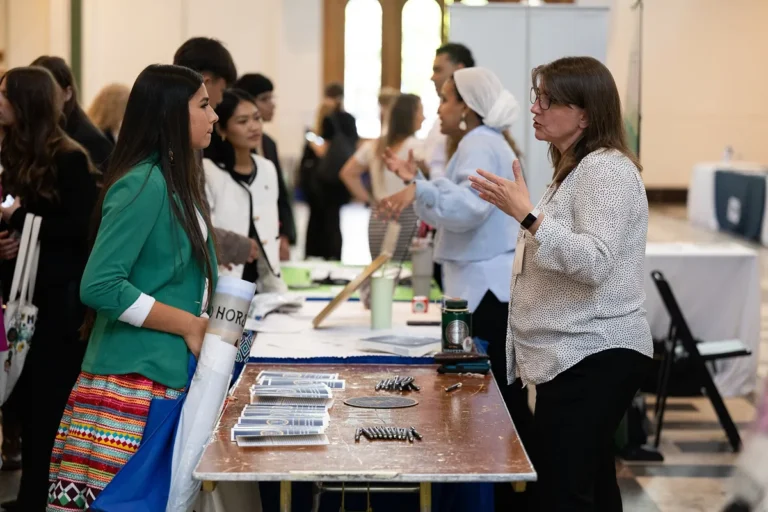
Strip away the holiday wrapping and the festival is a community display with a job to do. Local groups sponsor and decorate trees, the trees go on show for a stretch of days, and visitors wander through at their own pace. Along the way there are raffle tickets, silent auction sheets, baked goods, and usually a small stage where school choirs and local musicians take turns.
What separates it from a storefront display is authorship. Every tree has a name behind it — a family honoring someone, a business making a joke, a classroom showing off months of work. You can walk the same row twice and notice something new the second time. That is the part returning visitors come back for.
It is also a genuinely easy outing. You do not need a schedule, a reservation, or much of a plan. Show up, walk the floor, buy a few raffle tickets if something catches your eye, and leave with your hands smelling like pine.
How the Trees Settled Into Cassia County’s Holiday Calendar
Cassia County was organized on February 20, 1879, with Burley as its county seat — 2,580 square miles of Snake River plain, farm ground, dairies, and small towns strung along the interstate. Communities spread that far apart tend to build their own reasons to gather, especially in winter.
Festival of Trees events took hold across the country on a simple formula: decorate a tree, put it on display, raffle or auction it, send the money somewhere useful. The Cassia County version follows that pattern closely, and it has been part of the local holiday calendar long enough that grandparents now bring grandchildren to the same hall.
What has changed over the years is scale and variety. Trees have gotten taller and more elaborate, and the entertainment lineup has widened to include more local performers. The core has not moved: volunteers set up, volunteers decorate, volunteers staff the floor, and the money stays in the community.
The result is a festival that feels less like an event and more like a recurring appointment. People who moved away from Burley and the surrounding towns often time winter visits home around it.
A Returning Visitor’s Read on the Festival Floor
If you have been before, you already know the rhythm: park, walk in, take a slow lap to see everything, then go back and look properly at the four or five trees that stopped you. First-timers end up doing the same thing without meaning to. Here is what fills the hours in between.
Food and Drink Near the Trees
Expect the usual holiday concession lineup — hot cocoa, coffee, cider, and a table of cookies and baked goods that local groups have clearly been working on for days. Some years there is something heartier, like chili or soup; some years it is mostly sweets. Cash is useful, and small bills keep the bake sale line moving. If you are making a night of it, plan dinner in Burley before or after rather than counting on the hall for a full meal.
Music and Entertainment on the Small Stage
Live entertainment is one of the reasons the festival feels like a gathering rather than an exhibit. School choirs, church groups, and local musicians typically rotate through the schedule, which means the sound in the room changes every half hour or so. A tree-lighting moment or a short program often anchors the evening. Performers are neighbors, so the applause tends to be loud and personal.
Family Activities for Kids and Grandparents Alike
Children move through the festival at a different speed than adults, and that is fine. There is usually a craft or activity table, a photo spot, and a chance to admire or vote on favorite trees. Strollers fit through most aisles, though weekend evenings get tight. For older visitors the appeal is simpler: the floor is flat, the room is warm, and there are chairs. Bring the whole family and let everyone split up.
Planning the Drive, the Stay, and the Cold
Cassia County is big — 2,580 square miles of it — so the practical questions are mostly about driving, sleeping, and staying warm.
Getting to the Cassia County Area
Most visitors arrive by car. Interstate 84 runs through the county, and Burley, the county seat, is the natural hub for anyone coming from Twin Falls, Pocatello, or the Boise area. If you are driving in for the evening, build in extra time for dark rural roads and slow traffic near the venue. Ridesharing is limited outside the larger towns, so plan on driving yourself or riding with someone who knows the route.
Where to Stay Near the Festival
Burley has the county’s biggest concentration of lodging, which makes it the simplest base if you want a short drive to and from the trees. Twin Falls, to the west, offers more rooms and restaurant choices if you do not mind a longer commute. Book early for the weekends closest to the holidays, when the county fills up with family visits, school events, and parties.
Parking and Arrival Timing
Parking is typically in surface lots around the venue and is usually manageable — except on weekend evenings and during scheduled performances, when lots fill quickly. Arriving in the first hour after opening is the returning visitor’s trick: the trees look better, the aisles are open, and the cookies have not sold out.
Admission and What to Budget
Walking through the Cassia Festival of Trees is typically free. Money changes hands in smaller ways: raffle tickets, silent auction bids, bake sales, and donations. Set a rough budget before you go, bring some cash, and treat anything you spend as both a souvenir and a contribution to whatever local causes the festival supports that year.
Late-Fall Weather in Southern Idaho
Late November and December here mean cold nights, occasional snow, and the real possibility of icy roads after dark. Dress in layers, because the hall is warm and the parking lot is not. Check road conditions before a longer drive and give yourself extra braking distance on the way home.
A Sample Festival Weekend in Cassia County
Friday evening: arrive in Burley, check in, eat dinner, and head to the festival after dark. Evening is when the trees look their best and when the room is busiest. Do one slow lap, pick your favorites, buy a few raffle tickets, and call it a night.
Saturday morning: sleep in, then use the daylight to see the county. Drive out toward the farm country, stop somewhere local for lunch, and keep the afternoon loose. This is also the best window for a quieter look at the trees before the evening crowd arrives.
Saturday evening: back to the festival for the entertainment. Choirs and local musicians usually fill the schedule, and the atmosphere is warmer and more social than it was on Friday. This is the night to linger, talk with volunteers, and let the kids work through the activity tables.
Sunday: breakfast in town, one last walk past whichever tree you nearly won, and a slow drive home. Heading west on Interstate 84, the trip back is straightforward as long as the weather cooperates.
How It Compares With Other Magic Valley Holiday Stops
The Cassia Festival of Trees sits in a region with plenty of December competition. Twin Falls, down the interstate to the west, leans bigger and brighter — more commercial light displays, more restaurants, more of a city holiday feel. Rupert and the smaller towns to the north keep things more traditional, with their own community events and a historic downtown that draws people in December.
What makes the Cassia version distinct is the balance. It is not a drive-through light show, and it is not a craft fair with a photo booth bolted on. It is a room full of trees with names attached, and that makes it feel personal in a way larger productions do not.
If you are already traveling through southern Idaho in December, the festival pairs well with a night in Twin Falls or an afternoon in one of the smaller Snake River Plain towns.
A Returning Visitor’s Checklist for the Cassia Festival of Trees
| Item | Why it helps |
| Cash in small bills | Raffles, bake sales, and donation jars move faster |
| Warm layers | The hall is warm, the parking lot is not |
| Charged phone | Photos, tree voting, and directions afterward |
| Early arrival on weekends | Fewer people, better photos, first pick of the cookies |
| Road condition check | December driving in southern Idaho can turn quickly |
| Lodging booked ahead | Holiday weekends fill up across the county |
| Snacks for kids | Shortens the wait and stretches the visit |
| Trunk space | You might win something larger than you planned |
Beyond the Trees: Cassia County the Rest of the Year
Cassia County is farm country first. Potatoes, sugar beets, hay, and dairy define the landscape, and its 2,580 square miles are mostly working ground broken up by small towns. Summer means fields, irrigation pivots, and long bright evenings; fall means harvest traffic on the highways.
Burley, the county seat, anchors the county’s commerce and its restaurants, and it is where most visitors spend their non-festival hours. Beyond town, the Snake River country to the north and the open rangeland to the south offer the kind of quiet people from bigger cities come here for.
If you have time on either side of the festival, build in a slow drive. Southern Idaho’s appeal is not one single attraction; it is the scale of the place and the fact that you can see the horizon.
What the Trees Do for Cassia County
A county this size does not get many events that pull people in from every corner of it. The Cassia Festival of Trees is one of the few. It gives school choirs somewhere to perform, gives local businesses a reason to sponsor something visible, and gives families a December outing that costs little or nothing.
It also does quiet work. Raffle and auction money stays local. Volunteers who spend a weekend setting up trees get to watch people walk through the result. And for those who have moved away from Burley and the surrounding towns, the festival is an easy excuse to come home in December.
That combination — accessible, local, and repeatable — is why it has lasted.
Where the Cassia Festival of Trees Sits in the County
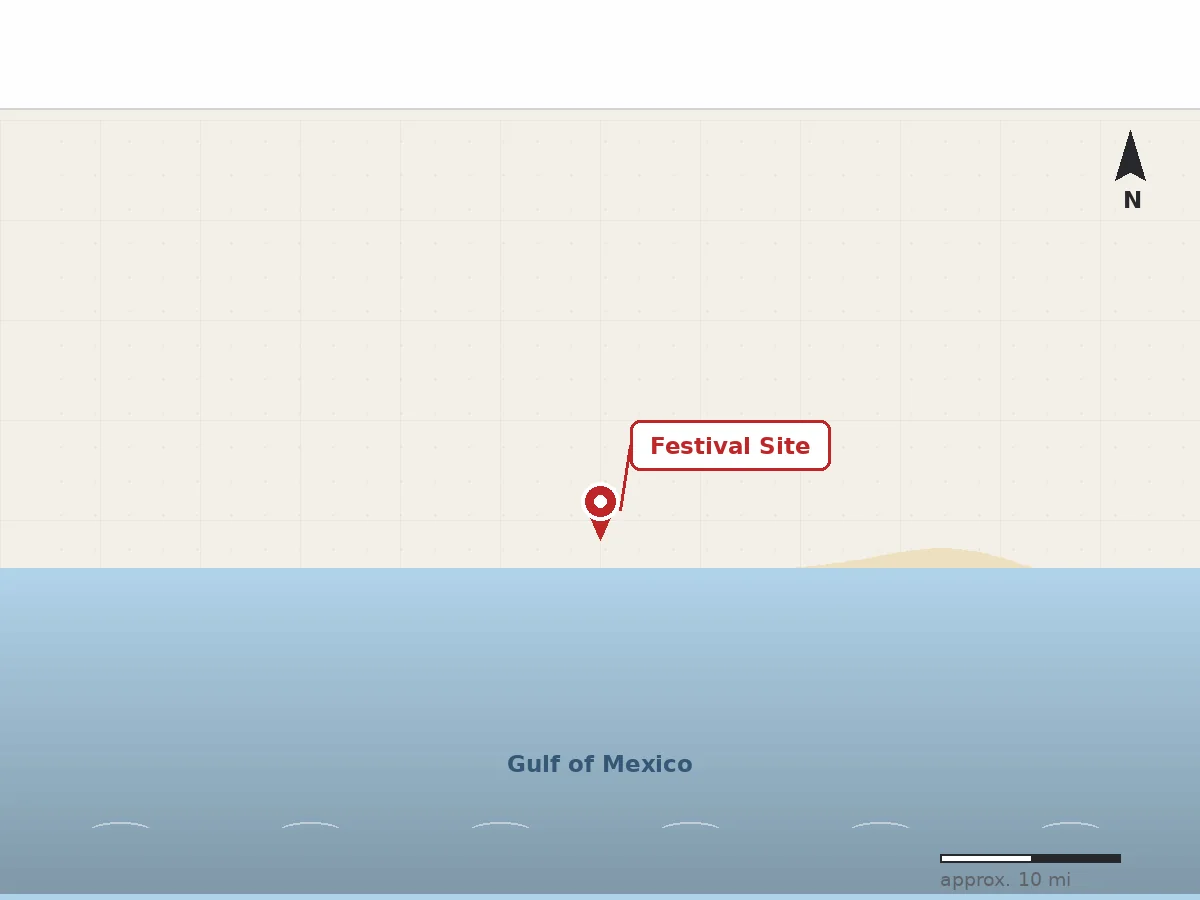
The festival takes place in the Cassia County area of south-central Idaho, with Burley — the county seat — serving as the main anchor for visitors coming from across the county’s 2,580 square miles.
Cassia Festival of Trees: Visitor Questions, Answered
When does the festival usually take place?
It is a holiday-season event, generally running from late November into December. Specific days shift from year to year, so check local listings closer to the season rather than planning around a fixed date.
Is admission really free?
Walking through the display is typically free. Costs show up in optional extras — raffle tickets, silent auction bids, baked goods, and donations. Bring some cash if you plan to take part in those.
Is it a good outing for young children?
Yes. The format suits kids: short attention spans are fine, there is usually an activity or craft table, and the trees are colorful and easy to look at. Weekend evenings are the busiest, so families with toddlers often prefer an earlier arrival.
Do I need to reserve anything in advance?
Not for the general walk-through. If you are traveling in and need a hotel, book early for the weekends closest to the holidays. Everything else — parking, admission, wandering the floor — is handled on arrival.
What’s Ahead for the Cassia Festival of Trees
The festival’s future looks a lot like its present: volunteer-driven, locally funded, and built around the same simple idea of decorating trees and inviting the county in. Growth will likely come in small increments — more trees, more performers, more families making it an annual stop.
For visitors, that is good news. A festival that stays rooted in its community tends to stay affordable, manageable, and genuine, which is exactly what makes it worth the drive into Cassia County in December.
Last updated: October 2026
If you have never been to the Cassia Festival of Trees, treat this season as the one you finally go. If you have been before, you already know the pull — the cold walk in, the warm room, the trees with names behind them, and the drive home through the dark with the heater on. It is a small tradition in a big county, and that is precisely the point.