Canyon County Idaho Festival of Trees Festival
For the Alvarez family of Nampa, the holiday season officially starts on a cold Saturday in early December, when they load two kids, one grandmother, and a thermos of cocoa into the truck and point it toward Caldwell. The heater runs full blast. The children argue about which tree they loved most last year before the truck has even left the driveway.
By mid-morning they are inside, coats unzipped, walking a hall that smells of evergreen and warm sugar. Grandma makes straight for the raffle table. The youngest wants the tree covered entirely in stuffed animals. The teenager claims to be bored, then photographs every single tree in the room, one by one, and says nothing about it afterward.
Lunch is cookies and cocoa handed over by a volunteer in an apron. In the afternoon a middle school choir sings carols slightly off key, which the whole family agrees is the best part of the day. They vote for a favorite tree, help the little ones glue together a paper ornament, and promise to come back tomorrow for the auction.
They drive home with pine needles in their coats, a paper bag of cookies on the dashboard, and next year’s visit already half planned. That is the real shape of the Festival of Trees in Canyon County — not one attraction you tick off, but a long, unhurried day that a family repeats until it becomes a habit.
Canyon County Festival of Trees: The Basics in One Table
Before the deeper detail, here is the short version for anyone planning a first visit.
| Town / place | The Canyon County area, Idaho |
| County | Canyon County |
| County seat | Caldwell |
| Population | 231,105 |
| Region | Southwestern Idaho, Treasure Valley |
| Typical timing | Each holiday season, late November into December |
| Admission | Generally free to browse; raffle, auction and food purchases support the event |
| Setting | Indoor holiday display hall filled with decorated trees and lights |
| Signature features | Themed trees, wreaths, live local entertainment, children’s activities, fundraising auction |
| Organizer | Community volunteers and local nonprofit groups |
What the Canyon County Idaho Festival of Trees Really Is
The Festival of Trees is a holiday display built around decorated evergreens. Local businesses, families, schools and civic groups each take on a tree, a wreath or a tabletop display, and the finished hall becomes a walk-through winter gallery lit for the season. Themes range from traditional red and gold to farming, fishing, candy canes and whatever a classroom of eight-year-olds decided was funny that year.
It is also a fundraiser. Decorated pieces are typically raffled or auctioned, with proceeds returning to local causes, and that dual purpose shapes the mood of the whole event. People browse slowly, vote for favorites, buy tickets, and linger near the tables far longer than they planned to.
This is a county-wide tradition rather than a single-venue spectacle. Canyon County spreads across 604 square miles of the Treasure Valley, from the Snake River country on the western edge to the fast-growing suburbs around Nampa and Caldwell, and the festival pulls families from all of it. Caldwell, the county seat, anchors the region’s holiday calendar.
How the Trees Took Root in Canyon County
Canyon County was organized on March 7, 1891, carved out of a fast-growing agricultural region in what was then still a young Idaho. Caldwell took on the role of county seat, and the towns around it built their social lives out of church bazaars, school programs, grange halls and shop-window displays. Holiday decorating was already part of community life here long before anyone thought to call it a festival.
The Festival of Trees format — sponsor a tree, decorate it, display it, then raffle or auction it for charity — spread across the Pacific Northwest through the later twentieth century. Canyon County’s version follows that same pattern: a display first, a fundraiser always, and a gathering that belongs to the people who build it.
What has changed is scale and audience. A county of 231,105 people is no longer only farm families and small-town neighbors. It is subdivisions and vineyards, longtime residents and newcomers who arrived last summer. The festival reflects all of them, which is why the trees in the hall look so different from one another.
What has not changed is the labor behind it. Volunteers set up displays after work, bake in home kitchens, staff tables in shifts, and greet visitors at the door. That unpaid, unglamorous work is the actual engine of the event.
Inside the Hall: Food, Music, and Things for Kids
A visit usually moves through three layers: something to eat, something to watch, and something for small hands to do.
Food and Warm Drinks in the Hall
Expect the kind of food that suits a slow winter stroll rather than a full dinner: cookies, cocoa, coffee, and often a hot savory option such as soup or chili served by volunteers. Bake sales are a fixture, and the cookies tend to be the ones people remember. Bring both cash and a card, since smaller stands may run one or the other, and keep an eye out for seating — it fills quickly during performance slots.
Choirs, Ensembles, and Local Performers
Live entertainment rotates through the day and leans heavily local: school choirs, church groups, dance studios, small instrumental ensembles, and the occasional soloist who brings the room to a stop. Performances are usually short, which means you can catch two or three without rearranging your afternoon. Schedules are typically posted near the entrance, so photograph it on the way in.
Family Activities and the Children’s Corner
For younger visitors there are craft tables, ornament making, coloring, and photo spots where a kid can stand in front of a tree and be told to smile by three adults at once. Some years bring a scavenger hunt or a voting ballot for favorite tree, which is quietly the most effective way to keep a seven-year-old moving through a hall of decorations. Strollers fit, and there is usually a quieter corner for anyone who needs a break from the noise.
Planning a Canyon County Festival of Trees Visit
Getting There from Nampa, Caldwell, and Beyond
Almost everyone arrives by car. Canyon County’s main towns sit along the Interstate 84 corridor, which makes the drive straightforward from Boise, Meridian, Nampa or Caldwell. If you are coming from the smaller communities to the west and south, allow extra time on winter roads, especially in the evening when temperatures drop and fog settles into the valley.
Where to Stay Overnight in Canyon County
Visitors traveling any distance usually base themselves in Nampa or Caldwell, where the lodging options are concentrated along the interstate and near the historic downtowns. Holiday weekends book up, particularly when the festival overlaps with other seasonal events in the valley, so reserve ahead if you want a choice of rooms.
Parking Around the Venue
Parking is generally free and located in nearby lots, with a short walk between the car and the door. Arrive early for evening performances and weekend afternoons, when the lots fill fastest. Carpooling with another family solves both the parking and the “who is carrying the toddler” problem.
Admission, Raffle Tickets, and What Things Cost
Admission is typically free, which is part of why the event draws so many repeat visitors. The money is raised instead through raffle tickets, auction bids, food, and craft sales. Set a budget before you walk in if you have a weakness for raffles, because a hall full of trees you could actually win is a powerful thing.
December Weather and What to Wear
Canyon County winters bring frost, valley fog, and occasional snow, with temperatures often near or below freezing. Dress in layers you can shed indoors, wear boots you do not mind getting wet, and bring gloves for the walk from the parking lot. The hall itself is warm enough that a heavy coat becomes a burden within ten minutes.
A Sample Festival Weekend for a Canyon County Family
Friday evening. Arrive after work for the quietest hours of the whole weekend. Walk the trees without dodging crowds, grab cocoa, and let the kids vote for a favorite before anyone else has. It is the best time for photographs.
Saturday morning. Come back for the craft tables and the children’s activities while energy is high. Let the little ones make something, then take a slow second lap so the adults actually get to look at the displays.
Saturday afternoon. Break for lunch in downtown Caldwell or Nampa rather than eating entirely on cookies, then return for a choir performance or two. This is the busiest stretch, so expect company.
Sunday. Finish with the raffle drawing or auction, which is the emotional peak of the weekend. Stay for the last walk-through, buy whatever baked goods are left, and head home before the evening fog thickens.
How the Canyon County Festival Compares with Nearby Holiday Events
Nampa’s own holiday calendar leans toward community gatherings, parades and downtown events, which pair naturally with a festival visit if you are already in the county for the weekend. Caldwell, as the county seat, carries a strong historic downtown identity, and its seasonal programming gives the area a second anchor for visitors.
Across the county line, Boise and the wider Treasure Valley host larger-scale holiday productions with bigger budgets and longer runs. The Festival of Trees sits in a comfortable middle: more intimate than a city-wide spectacle, more ambitious than a single school concert, and rooted specifically in Canyon County’s own towns and families.
A Practical Checklist for Festival of Trees Visitors
| Warm layers and gloves | Cold parking lots, warm hall |
| Small bills and a card | Raffles, bake sales, craft tables |
| A tote bag | Cookies, ornaments, and small prizes |
| A raffle budget | Decide before you see the trees |
| Phone or camera | Performance schedules and photo spots |
| Stroller or carrier | Wide aisles, tired small legs |
| Arrival before peak hours | Easier parking and quieter browsing |
| Cash for donations | Volunteer-run tables appreciate it |
Beyond the Trees: Caldwell, Nampa, and the Rest of Canyon County
A festival visit is a good excuse to see more of the county. Near Nampa, Lake Lowell and the surrounding wildlife refuge offer quiet winter walking and birdwatching when the weather cooperates. Downtown Caldwell rewards a slow afternoon of historic buildings, local restaurants and coffee.
West of the main towns, the Snake River country and the vineyards that have made this part of Idaho a wine destination give the county a completely different character from its suburban core. Nampa also holds museum and aviation attractions that work well for a rainy day. None of it requires a long drive.
What the Festival Gives Back to Canyon County
Strip away the lights and the event is a volunteer economy. Hours of setup, baking, greeting and cleanup are donated every season, and the money raised through raffles, auctions and food sales is funneled back into local causes. That circulation — neighbors funding neighbors — is what makes a county of 231,105 people feel considerably smaller in December.
It also functions as a shared calendar. Families who have attended since childhood now bring their own children, and the same volunteers reappear year after year. In a region growing as quickly as the Treasure Valley, that continuity matters more than it might appear from the outside.
Where the Festival Happens in the Canyon County Area
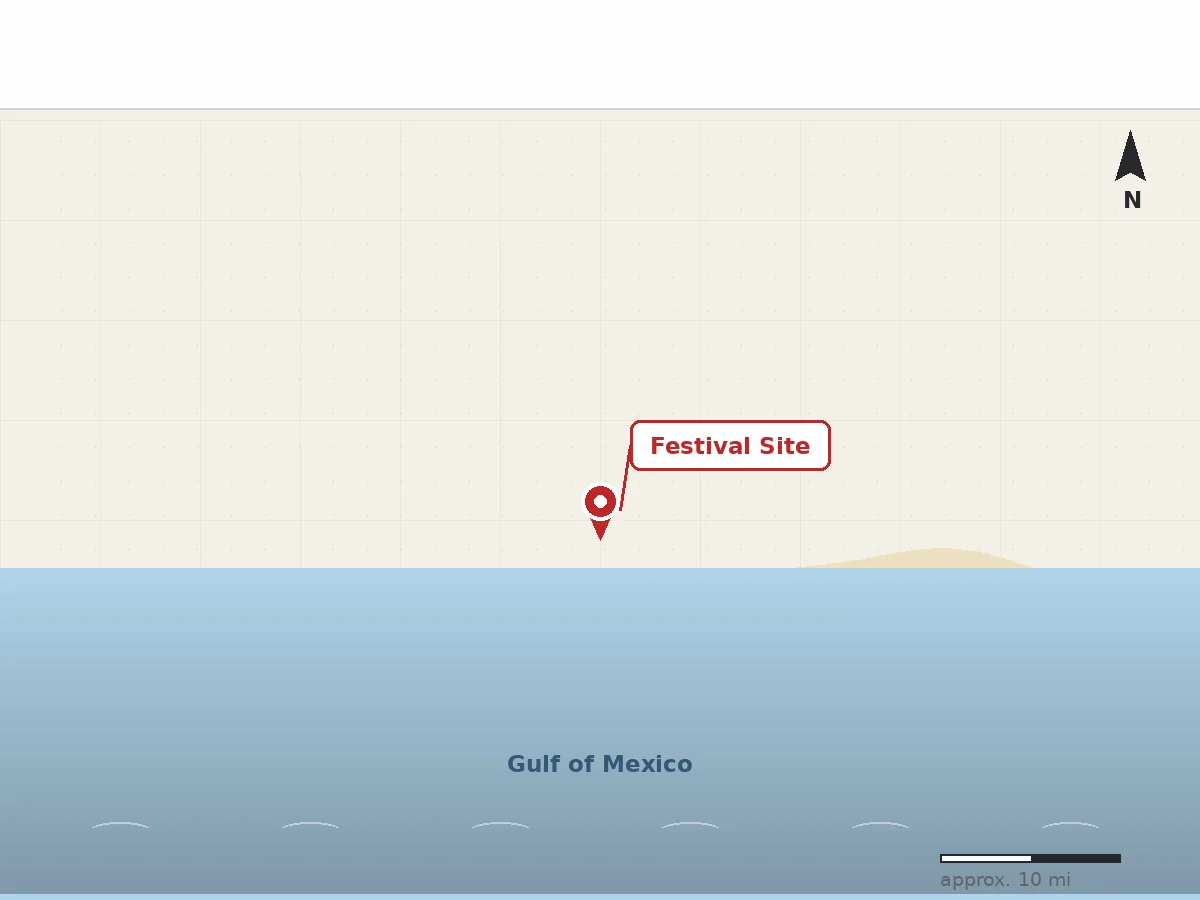
The Canyon County Idaho Festival of Trees takes place indoors within the Canyon County area, with Caldwell — the county seat — serving as the region’s traditional holiday hub.
Answering the Questions Families Ask About the Canyon Festival of Trees
Is the festival a good fit for young children?
Yes, and it is designed with them in mind. Craft tables, ornament making and voting for a favorite tree give kids something to do beyond looking, and the aisles are wide enough for strollers. The main challenge is stamina rather than suitability, so plan a shorter first visit and save the second lap for the adults.
Do we need tickets in advance?
In most years, general admission is free and no advance ticket is needed to walk through the display. Ticketed elements, where they exist, tend to be specific events such as auction evenings or special performances. If you are planning around a particular program, confirm the details with local organizers before you travel.
How long should we plan to stay?
Most families spend somewhere between one and three hours, depending on whether they stop for food, watch a performance, or let the kids work through every craft table. Adding a meal in Caldwell or Nampa easily turns it into a half day.
Is the venue accessible for wheelchairs and strollers?
Indoor holiday displays of this kind are generally laid out on flat, paved floors with wide aisles, which makes them manageable for wheelchairs, walkers and strollers alike. If you have specific accessibility needs, it is worth contacting the organizers ahead of your visit so they can point you to the easiest entrance and parking.
What the Next Few Seasons May Hold
Canyon County keeps growing, and the festival will likely grow with it: more sponsored trees, a fuller performance schedule, and expanded activities for children as new families settle into Nampa, Caldwell and the surrounding towns. The volunteer base that builds the event each year remains the thing to watch, because the festival scales only as far as its helpers can carry it.
What seems unlikely to change is the format itself. A hall of decorated trees, a raffle, a choir singing slightly off key, and a family driving home with pine needles in the back seat — that formula has worked in Canyon County for a long time, and there is no particular reason to fix it.
Last updated: October 2026
For the Alvarez family, and for thousands of others across the county, the Festival of Trees is less an event on a calendar than a marker of the season itself — the day the holidays genuinely begin. Go once, and you will probably find yourself planning next year’s visit before you have finished this year’s cocoa.