Boone County Illinois Autumn Pioneer Festival
There is a particular kind of visitor who keeps coming back to the Boone County Illinois Autumn Pioneer Festival: the one who already knows where the shade falls, which food line moves fastest, and which demonstration is worth standing through twice. This piece is written for that person — and for the friend, spouse, or grandchild they finally talk into coming along.
Autumn Pioneer is a county-scale event, not a stadium production. It happens on a weekend each autumn in the Boone County area, and its appeal is deliberately old-fashioned: pioneer skills shown by hand, live music, hot food, and enough open space for kids to vanish for an hour and return dusty and pleased with themselves. Belvidere is the county seat, and the county around it spreads across 282.039 square miles of northern Illinois farmland, small towns, and two-lane roads.
Autumn Pioneer Festival Facts for Boone County Visitors
| Town / area | Boone County area, northern Illinois |
| County | Boone County, Illinois |
| County seat | Belvidere |
| Population | 53,448 (2020 census) |
| Region | Northern Illinois, close to the Wisconsin state line |
| Typical timing | A weekend each autumn, most often in September or October |
| Admission | Generally free to attend |
| Setting | Open county grounds with a pioneer-village feel |
| Features | Pioneer craft demonstrations, live music, food vendors, family activities |
| Organizer | Local volunteer and community organizations |
What Returning Visitors Know About Autumn Pioneer
Strip away the promotional language and Autumn Pioneer is a working demonstration of how people in this corner of Illinois lived before electricity and tractors did the heavy lifting. Expect fires tended by hand, iron shaped on an anvil, wool spun into yarn, wood worked with tools that have no cords, and food cooked over open flame. Around those demonstrations you will usually find craft vendors selling honey, soap, preserves, and woodwork, plus a few tents where someone is doing something slow and careful that takes longer than it strictly needs to. That is the entire point.
The scale is what makes it work for people who have been before. You can walk the whole grounds in a couple of hours and still find a reason to stay until the light turns gold. Nothing demands a reservation, and nothing punishes you for skipping a stage set. Families spread blankets near the music, older visitors claim benches early, and teenagers drift toward whatever smells like fried dough.
Because Autumn Pioneer belongs to Boone County rather than a touring circuit, the crowd is mostly local — people who nod at each other, run into a former teacher, and let their kids roam a little farther than they would at a big-city event. That familiarity is the real feature. First-timers notice the demonstrations. Returning visitors notice the neighbors.
How Boone County’s 1836 Founding Shaped Autumn Pioneer
Boone County was formally established on March 3, 1836, with Belvidere as its county seat. That date puts the county squarely in northern Illinois’s settlement era, when families arrived by wagon, broke prairie ground, raised the first frame houses, and built the institutions that still carry the county’s name. Autumn Pioneer exists because that era sits close enough to touch in family stories but far enough away that the skills need demonstrating rather than remembering.
Three moments frame the story. In 1836, Boone County was organized and Belvidere became the seat of government. In the generations that followed, the county’s farm towns built the grange-and-fairground culture that still supplies the volunteers who make events like this one run. By the 2020 census, 53,448 people lived here — a population that now includes plenty of newcomers who discover Autumn Pioneer with no family history attached to it at all.
The festival itself has settled into the county’s calendar the way a good tradition does: gradually, then permanently. The details shift from year to year — how many vendors set up, where the stage lands, which demonstrators return — but the core holds steady. Fire, iron, wool, wood, and food. Anyone who has been coming for a decade could sketch the layout from memory and be roughly right.
A Walk Through the Autumn Pioneer Grounds
A day here has a rhythm. You arrive, you walk once to see everything, you eat, you sit, and then you walk again more slowly because the second pass is where the good conversations happen. Here is how the three main draws usually break down.
Pioneer Cooking and Fairground Favorites
Food at Autumn Pioneer runs on two tracks. The first is the demonstration track: open-fire cooking, cast-iron pots, breads and stews made the long way, with someone narrating why the technique mattered when there was no stove. The second is the fairground track, and it is exactly what you hope for — kettle corn, cider, apple butter, pie by the slice, sausage, and lemonade shaken by hand until your arm would have given out. Bring cash, bring an appetite, and eat before the lunch rush rather than during it.
Fiddle Tunes and Stage Sets at Autumn Pioneer
Music leans toward the acoustic end of things: fiddle, guitar, banjo, close harmony, and the occasional storyteller who holds a crowd longer than anyone expects. Local and regional acts cycle through a small stage, and between sets you will often hear a musician picking informally near the vendor rows. Returning visitors know the best listening spot is not always the front row — it is the patch of grass slightly off to the side, where the sound is warm and the crowd noise drops away.
Hands-On Activities for Kids and Grandparents
This is where Autumn Pioneer earns its reputation as a family event. Children get to try things instead of just watching: dipping candles, twisting rope, shelling corn, playing games that predate screens, and asking a blacksmith questions until he laughs. Grandparents tend to hover nearby, which is half the fun, because the demonstrations open conversations that do not happen at home. Strollers handle the grounds fine, but wagons with bigger wheels do better on the grass.
Planning an Autumn Weekend in Boone County
Getting to the Boone County Area
Belvidere is the county seat and the simplest reference point for anyone navigating in. The county sits in northern Illinois near the Wisconsin line, which means it draws day-trippers from the Rockford area, from the northern suburbs, and from just across the state border. If you are coming any real distance, treat the drive as part of the outing — the approach through farm country in October is genuinely part of the appeal.
Where to Stay Around Belvidere
Most out-of-town visitors stay in the interstate corridor near Belvidere and the wider Rockford area, where the usual chain hotels cluster. A handful of smaller inns and bed-and-breakfast-style stays operate in the surrounding towns, and they book up quickly once the leaves turn. If you are making a weekend of it, reserve early and plan to drive twenty to thirty minutes to the grounds rather than assuming you will sleep next door.
Parking Near the Autumn Pioneer Grounds
Parking is typically handled in fields and lots around the site, with volunteers directing traffic. The system works well if you arrive before late morning and badly if you do not. Carpooling helps. So does parking once and walking rather than circling for a closer spot — the walk in is short, flat, and usually lined with people you will end up standing behind at the kettle corn tent anyway.
Admission and On-Site Costs at Autumn Pioneer
Admission is generally free, which is a large part of why local families treat the festival as an annual default rather than a splurge. Your money goes to food, drinks, and whatever the craft vendors talk you into — and they are good at it. Set a rough budget before you walk in, because the combination of handmade goods and hungry children has a way of emptying a wallet quietly.
Autumn Weather and What to Wear
Northern Illinois autumns are unpredictable in a specific way: cold at nine in the morning, warm by one, breezy by four, and capable of a passing shower at any point. Dress in layers, wear shoes you do not mind getting grassy, and bring a light rain shell. Sunscreen is not a joke in an open field, even in October. A blanket in the car covers both the chilly bench and the damp seat.
A Sample Autumn Pioneer Saturday, Start to Finish
Early morning: Arrive near opening. Parking is easy, the grounds are quiet, and the demonstrators are still setting up — which is when you get the best conversations.
Late morning: Walk the full loop once. Note the stage schedule and the food vendors you want, but do not commit yet. Watch a craft demonstration end to end rather than sampling four of them.
Midday: Eat early, around the front edge of the lunch rush. Find a bench or a patch of grass near the music and stay put for a set.
Afternoon: Turn the kids loose on the hands-on activities while you work back through the vendor rows. Buy the thing you talked yourself out of in the morning.
Late afternoon: Second loop, slower. Sit near the stage again as the light drops. Leave before the final rush out of the parking field, or stay and let it clear — both work.
Autumn Pioneer vs. Other Northern Illinois Fall Weekends
Compared with the larger fall festivals around Rockford, Autumn Pioneer is smaller, cheaper, and considerably easier to navigate. You will not fight a crush of traffic, and you will not spend the whole day in a line. Compared with harvest events in neighboring DeKalb County, which lean harder into agriculture and university-town energy, Boone County’s version is more focused on hand skills and living history. And compared with a simple orchard-and-pumpkin-patch afternoon, it offers more to do but less quiet.
The honest summary: if you want scale and spectacle, look at the bigger regional events. If you want a fall weekend where your kids learn something, your wallet survives, and you can still be home before dark, this is the better trade.
Autumn Pioneer Packing and Prep Checklist
| Cash in small bills | Food and craft vendors move faster with it |
| Layers and a rain shell | Autumn in northern Illinois changes hourly |
| Sturdy, closed-toe shoes | The grounds are grass and uneven in places |
| Water bottles | Refill stations beat paying per bottle |
| A tote or two | Handmade purchases add up fast |
| Folding chairs or a blanket | Seating near the stage fills early |
| Sunscreen and hats | Open fields, full sun, no shade guarantee |
| Patience for the parking field | Arriving early solves most of it |
Beyond the Festival: Belvidere and the Rest of Boone County
The festival is a good excuse to spend a few extra hours in the county rather than turning straight around. Downtown Belvidere makes an easy add-on for coffee, a meal, or a walk before heading home. Out in the countryside, the 282.039 square miles of Boone County are mostly farmland and small towns, with farm stands, orchards, and quiet roads that reward a slow drive in the fall.
If you have the time, build the day around the season rather than the event alone: apples in the morning, the festival in the middle, and a backroad route home instead of the interstate. It is the difference between attending a festival and having an autumn day.
The Role Autumn Pioneer Plays in Boone County’s Small Towns
For a county of 53,448 people, an event like this does quiet but important work. It gives local clubs and volunteers something concrete to build together, hands craft vendors a reliable audience, and provides families a fall outing that costs little beyond gas and lunch. It also keeps a specific kind of knowledge circulating — how a forge works, how wool becomes yarn, how food was preserved without a freezer — in a county that has been organized since March 3, 1836 and has watched most of that knowledge leave daily life.
That is why returning visitors keep returning. The festival is not trying to be the biggest thing in northern Illinois. It is trying to be the thing Boone County does every autumn, and it succeeds at that.
Where Autumn Pioneer Sits in Boone County
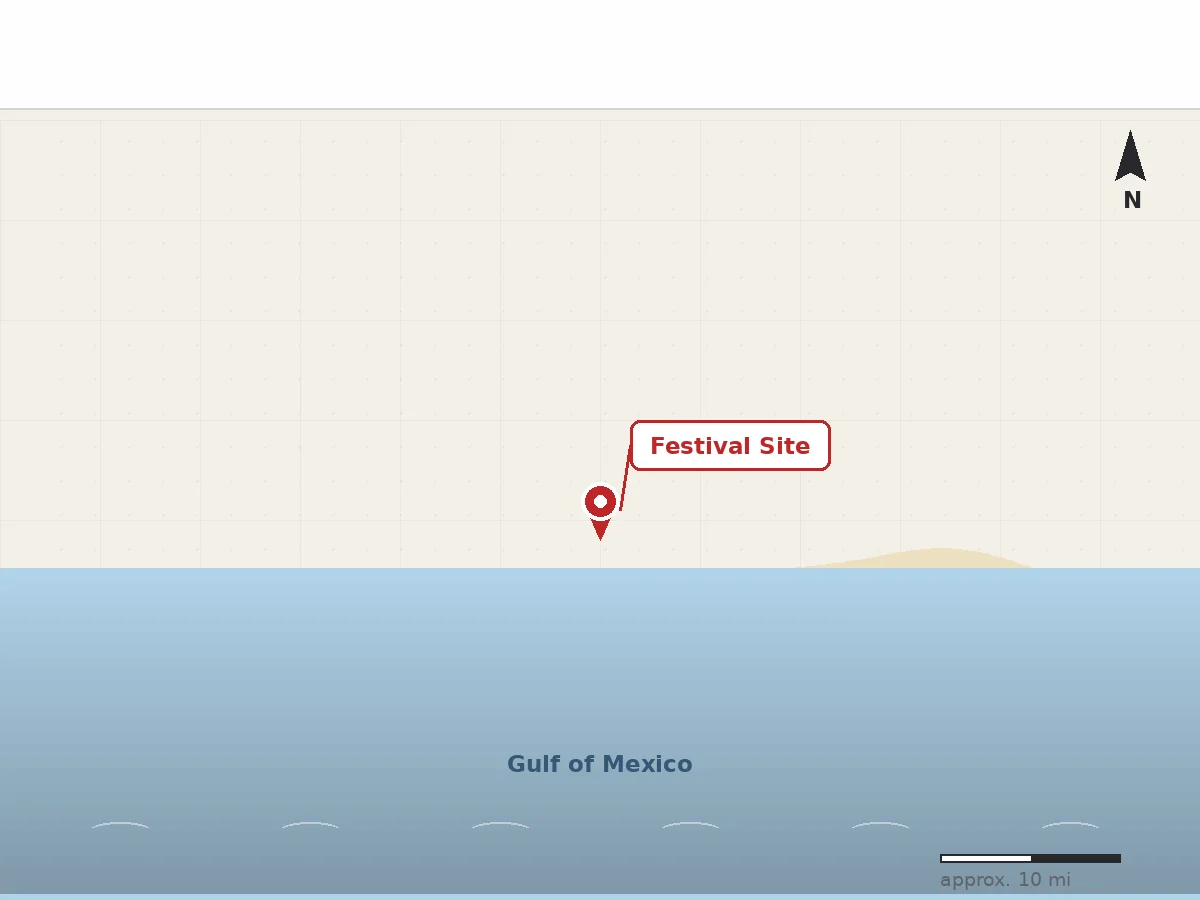
The festival takes place in the Boone County area of northern Illinois, with Belvidere — the county seat — serving as the practical reference point for anyone driving in.
Answers for Anyone Heading Back to Autumn Pioneer
Is Autumn Pioneer free to attend?
Admission is generally free, and that has been part of its staying power in the Boone County area. Budget for food, drinks, and craft vendors instead. If you are bringing a group, cash in small bills keeps the lines moving and makes it easier to say yes to one more slice of pie.
When exactly does the festival happen each year?
It is held on a weekend each autumn, most often in September or October. Because the date shifts, returning visitors check the current season’s schedule before making plans rather than assuming last year’s weekend still applies. Build your trip around the season, and confirm the specific weekend closer to the time.
Is it worth bringing young kids and older relatives?
Yes, and for different reasons. Children get hands-on activities, open space, and demonstrations they can touch. Older visitors get level, walkable ground, plenty of seating if you arrive early, and a program that moves at a human pace. The main challenge for both groups is the same: grass, weather, and a lot of standing. Shoes and layers solve most of it.
How much time should I set aside?
Two to three hours covers the grounds comfortably. Four to five turns it into a relaxed day with music, a long lunch, and a second pass through the vendors. If you are adding downtown Belvidere or a farm stand stop, plan on most of the day and leave the evening open.
What’s Ahead for Boone County’s Autumn Pioneer
The festival’s future looks a lot like its past: volunteer-driven, county-scaled, and rooted in demonstrations that require real skill to put on. The pressure points are familiar ones for events of this size — finding enough volunteers, keeping craft vendors interested, and making the grounds comfortable for an aging regular crowd without losing the rough-edged charm that makes the place feel like a pioneer village rather than a shopping center.
For visitors, the practical advice stays the same: come early, bring cash and layers, and plan the day around the season instead of a tight schedule. Autumn Pioneer has been part of Boone County’s fall rhythm long enough that it is not going anywhere quickly — which is exactly the kind of tradition worth showing up for.
Last updated: October 2026
If you have been before, you already know the walk in, the smell of the fire, and the specific bench you always try to claim. If you have not, the Boone County Illinois Autumn Pioneer Festival is worth one autumn Saturday — and then, most likely, every autumn Saturday after that.