Adams County Illinois Quincy Folklife Festival
Quincy, the seat of Adams County, Illinois, has anchored this corner of western Illinois since the county was founded in 1825. The town grew on river traffic and the prairie farms that fed it, and it has carried an unusually strong sense of its own past ever since. Adams County today holds 65,737 residents across 871 square miles, and most of that population still looks to Quincy for its concerts, its courthouse business, and its weekend plans. The Adams County Illinois Quincy Folklife Festival fits neatly inside that habit — a gathering that treats local songs, crafts, and cooking as living culture rather than museum exhibits.
A folklife festival is not the same thing as a county fair or a summer music series, and Quincy’s version makes the distinction plain. The emphasis falls on inheritance: the fiddle tune someone’s grandfather played, the bread recipe that crossed an ocean with a family’s ancestors, the quilt pattern repeated across three generations of a rural township. Visitors expecting a stage-and-vendor layout often find something quieter and more participatory, with demonstrations happening at eye level and conversations starting over a workbench.
Quincy Folklife Essentials: County, Town and Setting
The basics are worth pinning down before you plan a trip, since the festival draws on a county that is far larger than the town at its center.
| Festival | Adams County Illinois Quincy Folklife Festival |
| Town and region | Quincy and the wider Adams County area, western Illinois |
| County | Adams County, Illinois |
| County seat | Quincy |
| County population | 65,737 |
| County land area | 871 square miles |
| County founded | 1825 |
| Typical timing | A weekend event; the season varies, so confirm locally each year |
| Admission | Typically free to attend |
| Setting and features | River-town setting with folk music, craft demonstrations, foodways and family programming |
| Organizer | Community-based and volunteer-driven |
What Quincy Folklife Sets Out to Do in Adams County
The festival’s core idea is straightforward: Adams County’s culture does not live only in its museums. In most years, Quincy Folklife assembles musicians, craftspeople, cooks, and storytellers from the town and the surrounding townships for a weekend of demonstrations and performances. Some participants are lifelong practitioners who have been shaping a skill since childhood. Others are hobbyists who picked something up from a neighbor and never put it down. That mix is the whole point — the program is meant to show tradition passing between people, not sitting behind glass.
Because the lineup leans on local participants, the festival changes shape from one year to the next. One weekend might tilt toward string-band music and woodworking, while another gives more room to weaving, metalwork, or the food traditions of the immigrant families who settled the region. Treat any published schedule as a guide rather than a contract, and plan to wander.
From River Town to Folklife Stage: Adams County’s Long Memory
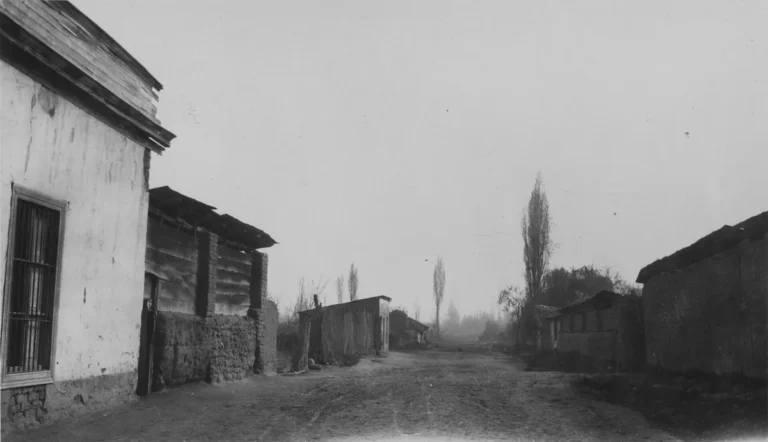
Adams County was founded in 1825, and Quincy became its seat in the same early era. The town’s fortunes rose with the river. Steamboat landings, mills, and warehouses turned a frontier settlement into a regional center, and the surrounding 871 square miles of farmland supplied the grain, livestock, and labor that kept it busy. Families arrived from the eastern states and from Europe, bringing dialects, hymns, recipes, and building habits that took root in Quincy’s neighborhoods and in the small towns strung along the county’s roads.
For a long stretch of the nineteenth and early twentieth centuries, those traditions were simply everyday life. Barns went up with neighbors’ help. Quilts were stitched in groups. Church suppers fed entire townships, and music was something people made at home rather than bought. As farms mechanized and small downtowns thinned out, many of those practices slipped out of daily use — kept alive in family kitchens, church basements, and the memory of older residents.
Quincy Folklife belongs to the generation of programming that pushed back against that drift. Rather than treating heritage as something to preserve behind ropes, it invites practitioners to work in public and explain what they are doing. The result is a weekend that functions as both celebration and archive, with the added benefit that the archive talks back.
Tastes, Tunes and Hands-On Traditions Around Quincy
What you actually encounter on the ground is a loose, walkable mix of stages, demonstration areas, and tables where someone is usually happy to hand you a tool or a spoon. The three threads below tend to define the experience.
Food That Tastes Like Adams County
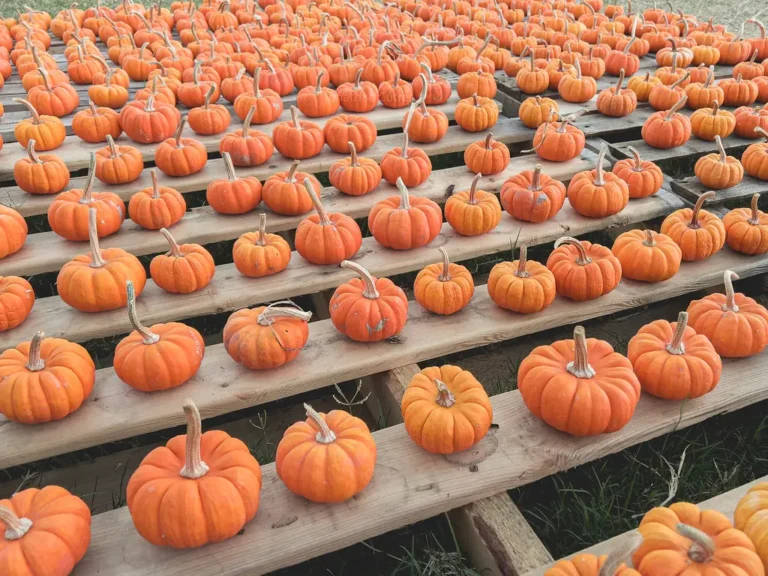
Food at Quincy Folklife leans homemade rather than commercial. Expect the kind of cooking that shows up at church suppers and family reunions: slow-simmered dishes, seasonal pies, preserves, and baked goods sold by the plate or the jar. In many years the food is also a demonstration, with volunteers rolling dough, stuffing sausage, or putting up vegetables while explaining the method. Bring cash, since small vendors and donation jars are common, and come hungry enough to try more than one thing.
Music and Storytelling in Quincy
The music side of the festival favors acoustic traditions — fiddle tunes, string bands, gospel harmonies, and songs tied to specific places and families. Sets are usually short, and the best moments often happen between them, when a musician explains where a tune came from or who taught it. Storytelling and oral history sessions round out the program, giving older residents a microphone and younger visitors a reason to listen.
Family Activities for Younger Visitors
Families with children generally find plenty to do. Hands-on tables let kids try simple crafts, and demonstrators tend to welcome questions from small visitors. Because performances are short and spread across the day, it is easy to move between activities without committing to a long sit. Strollers manage fine in most areas, though some demonstration zones have uneven ground.
Planning a Folklife Weekend in Adams County
A little preparation goes a long way here, mainly because Adams County is big and rural and the festival is a community effort rather than a ticketed production.
Getting to Quincy and Around the County
Quincy sits in western Illinois near the Mississippi River, reachable by highway and by regional air connections. A car is genuinely useful: the county covers 871 square miles, and the countryside between Quincy and the outlying townships is part of the experience. Allow extra time if you are driving in from another part of Illinois or from across the river.
Where to Stay in and Near Quincy
Quincy has the county’s largest concentration of hotels and inns, with smaller lodgings and short-term rentals scattered through nearby towns. Festival weekends tighten availability, so book early if you plan to stay overnight. Staying in town also puts you close to evening music and to the restaurants that fill up after the daytime programming ends.
Parking Near the Quincy Folklife Sites
Parking is generally a matter of street spaces and nearby lots rather than a single event field. Arrive earlier in the day for the easiest spots, and expect short walks between venues if the program is spread across several blocks. Carpooling helps, particularly for groups coming in from the surrounding county.
Admission and What Things Cost
Admission is typically free, which is central to the festival’s community mission. Money changes hands for food, crafts, and occasionally for workshops or raffles. Carry some cash alongside a card, and treat any donation box as exactly that — optional, but appreciated by the volunteers who put the weekend together.
Weather and What to Wear
Western Illinois weather is changeable in every season, and much of the festival happens outdoors or in partially covered spaces. Layers, comfortable shoes, and a light rain jacket cover most scenarios. If a day turns hot, plan your heaviest walking for the morning and save the shaded demonstration areas for midday.
A Sample Folklife Weekend in Quincy
Arrive Friday afternoon if you can. Settle into your lodging, walk a stretch of downtown Quincy to get your bearings, and eat an early dinner. If there is an evening program, treat it as a warm-up — smaller crowds, more conversation with performers.
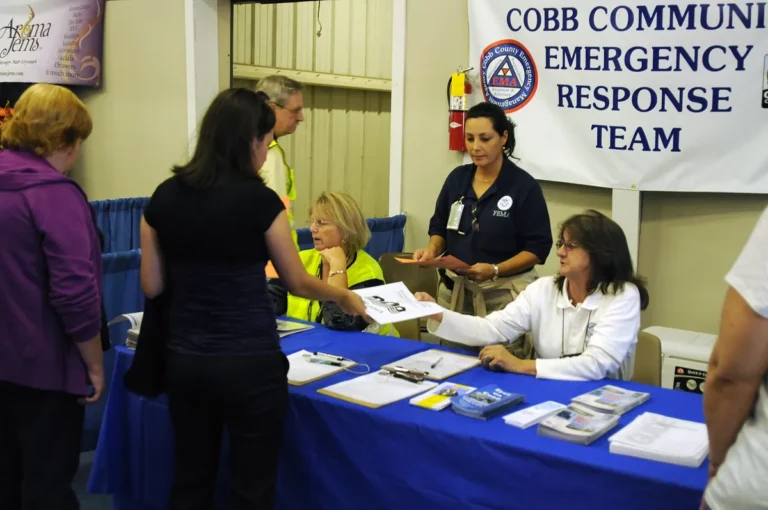
Saturday is the full day. Start with the demonstration areas while they are still uncrowded, then catch a mid-morning music set. Break for lunch from the food vendors, and use the early afternoon for hands-on activities or a workshop. Return in the evening for the main performances.
Sunday tends to be slower and more reflective. Look for storytelling sessions, heritage walks, or a final round of craft demonstrations. Before leaving, spend an hour driving a loop out of town — the farmland that shaped this county’s culture is only minutes from the courthouse square.
Quincy Folklife Alongside Nearby Town Celebrations
Adams County sits in a part of the Midwest thick with town festivals, and the comparisons are instructive. Hannibal, Missouri, just across the river, leans heavily on its literary identity and draws a tourist crowd looking for a specific story. Macomb, to the northeast in a neighboring county, has a college-town energy that pushes its arts programming toward the contemporary.
Quincy Folklife sits somewhere different. Its performers and demonstrators are largely local, its subject is the everyday culture of one county, and its audience is as likely to include neighbors as out-of-town visitors. That makes it less polished than a destination festival and considerably more honest.
A Folklife Weekend Checklist for Adams County
Confirm the weekend’s schedule before you travel, since the festival’s timing shifts and the program is announced locally. Pack layers, comfortable shoes, a rain jacket, and a refillable water bottle. Bring cash for food, crafts, and donations, and keep a tote bag for anything you buy.
Charge your phone but plan to use it sparingly — signal and attention both work better when you are watching a demonstration. Say hello to the people at the tables. Ask what they are making and why. That single habit turns a pleasant afternoon into the reason folklife festivals exist.
Beyond the Festival: Adams County the Rest of the Year
Quincy rewards a longer stay. The town’s historic architecture and its riverfront give a sense of why it became the county’s anchor, and small museums and archives fill in the details that a weekend can only sketch. Local restaurants serve the same kind of Midwestern cooking you will find at the festival, usually with a shorter line.
Out in the county, the appeal is quieter: farm stands, orchards, country roads, and the small communities that send participants to the festival each year. Nearby historic sites along the river add another layer for travelers interested in the region’s nineteenth-century story. Build in an extra half day if you can.
What Folklife Keeps Alive in a 65,737-Person County
Adams County’s 65,737 residents are spread across 871 square miles, which means many of them live well outside Quincy and see each other rarely. A festival that gathers musicians, cooks, and craftspeople from across that map does real civic work. It gives rural practitioners an audience, gives town residents a reason to look outward, and gives younger people a chance to watch an older generation work.
There is an economic dimension too, modest but real: a weekend of visitors supports local restaurants, shops, and lodgings. But the stronger argument is cultural. Places that can still explain themselves — their food, their music, their building habits — hold onto something that is difficult to replace once it goes.
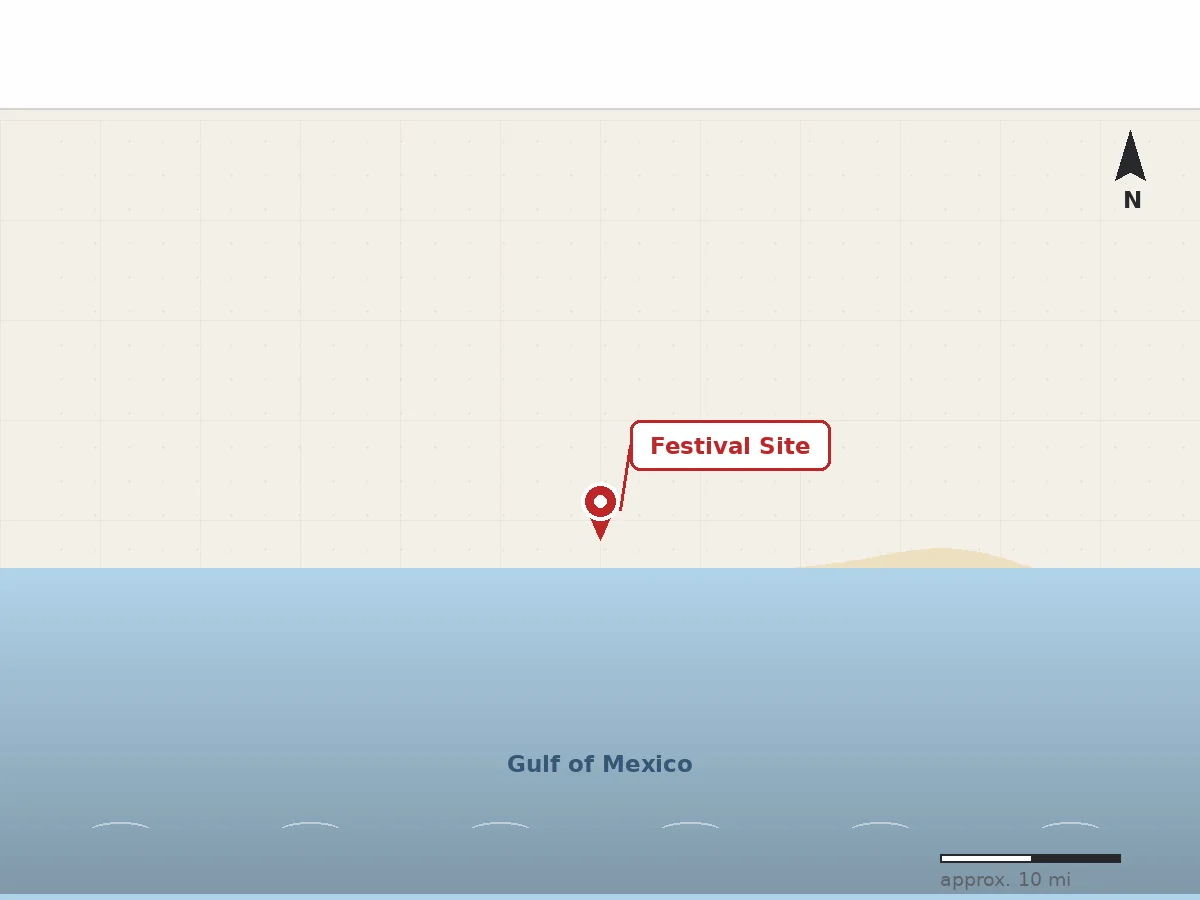
Where Quincy Folklife Happens in Adams County
The festival takes place in Quincy, the county seat of Adams County in western Illinois, with programming centered on the town and drawing participants from the surrounding county.
First-Timer Questions About Quincy Folklife
When exactly is the festival held?
It is a weekend event, and the specific timing varies from year to year, so the reliable approach is to check local listings in Quincy and Adams County as the season approaches. Once you have the weekend, plan around the daytime demonstrations and save the evening for music.
Is there an admission charge?
Admission is typically free. Food, crafts, and some special activities carry their own costs, and donation boxes are common. Bringing a mix of cash and card covers nearly every situation you will run into.
Is it a good outing for children?
Yes. Hands-on craft tables, short performances, and approachable demonstrators make it easy for kids to stay engaged. Families usually do best by moving between activities rather than trying to sit through an entire program.
Do I need to know folk music to enjoy it?
Not at all. Much of the appeal is in the explanation as much as the performance, and the crafts and food are just as central to the weekend. Curiosity is the only real prerequisite.
The Next Chapter for Folklife in Quincy
The long-term question facing any folklife festival is succession — whether the skills on display find new hands. Quincy’s advantage is a county with deep roots and a population large enough to sustain a volunteer effort. Expect the coming years to bring more attention to younger participants, more documentation of older practitioners, and continued reliance on local support to keep admission free.
Last updated: October 2026
Quincy Folklife is a small festival with a large subject. It asks visitors to spend a weekend paying attention to the way a place cooks, sings, builds, and remembers — and it does so in a county that has been at it since 1825. Come with time to spare, ask the questions you are tempted to ask, and leave knowing Adams County a little better than you found it.