Adams County Illinois Adams County Fair Festival
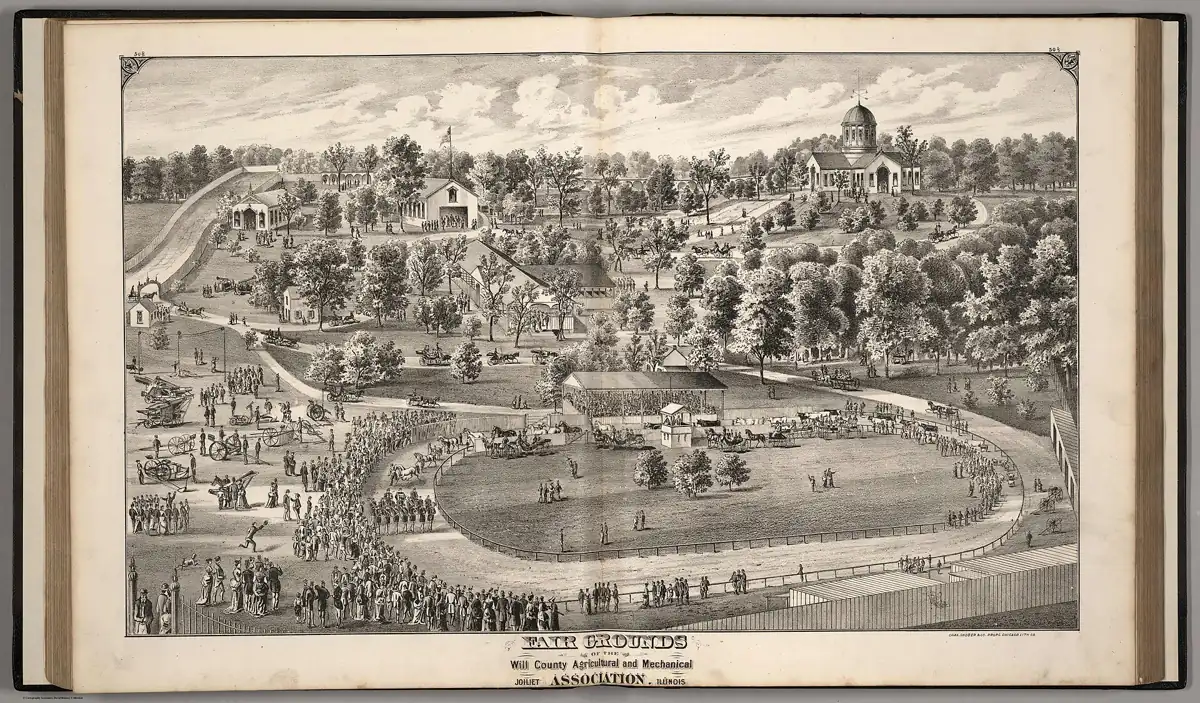
Quincy has been the seat of Adams County since 1825, the year the county was established on the bluffs above the Mississippi River. From those heights, the town looks west across the water toward Missouri and east across 871 square miles of prairie, creek bottom, and corn ground. That landscape has shaped the county’s calendar for two centuries, and no event on it is more stubbornly local than the Adams County Fair.
The fair is part livestock show, part carnival, part family reunion. It pulls Quincy’s neighborhoods together with the small towns and farmsteads around them, and it does so with the same ingredients every summer: barns, ribbons, a midway, a grandstand, and an enormous amount of food. What follows is a look at what the fair is, how it grew out of the county’s earliest decades, and how to plan a visit that makes the most of a summer day or a long weekend.
The Adams County Fair in Brief: Key Details for Visitors
A short reference table first, then the story behind it.
| Town / area | The Adams County area, centered on Quincy and the surrounding townships |
| County | Adams County, Illinois |
| County seat | Quincy |
| County population | 65,737 |
| County land area | 871 square miles |
| Region | West-central Illinois, along the Mississippi River |
| Typical timing | A multi-day fair held each summer |
| Admission | Generally free to enter the grounds; rides, vendors, and individual activities set their own prices |
| Setting and features | Agricultural fairgrounds with barns, show rings, exhibit halls, a midway, and a grandstand |
| Organizer | Community-run, coordinated by local fair volunteers and agricultural groups |
What the Adams County Fair Is, and Who It Serves
The Adams County Fair is the county’s annual agricultural fair, a multi-day summer gathering built around the things this county actually produces. Livestock shows anchor the schedule: cattle, swine, sheep, goats, poultry, and rabbits, entered by 4-H members, FFA students, and farm families from townships across all 871 square miles. Alongside the barns, exhibit halls display baking, canning, quilting, photography, and garden produce, judged and ribboned in categories that have barely changed in generations.
Quincy is large enough to support a fair with real scale and small enough that most people on the grounds know someone in the ring. That mix is the fair’s character. A teenager showing a hog in the morning may be riding the midway by evening; grandparents who came for the pie competition stay for the grandstand. The fair works as the county’s shared summer date, the point when families schedule reunions, vendors return to familiar spots, and local businesses sponsor classes and trophies.
Two Centuries of Livestock, Ribbons, and River-County Rivalry
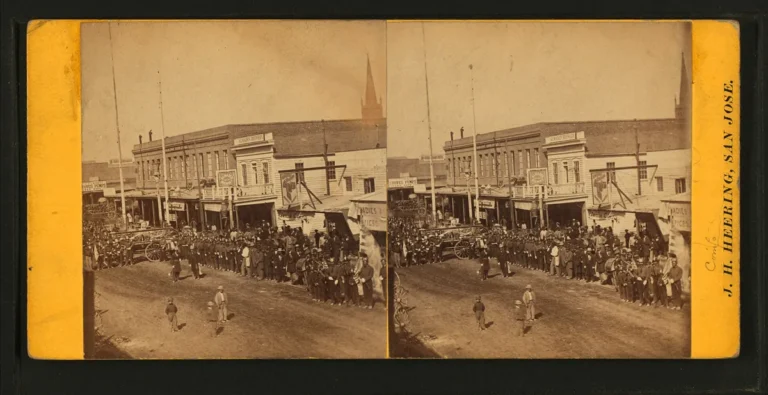
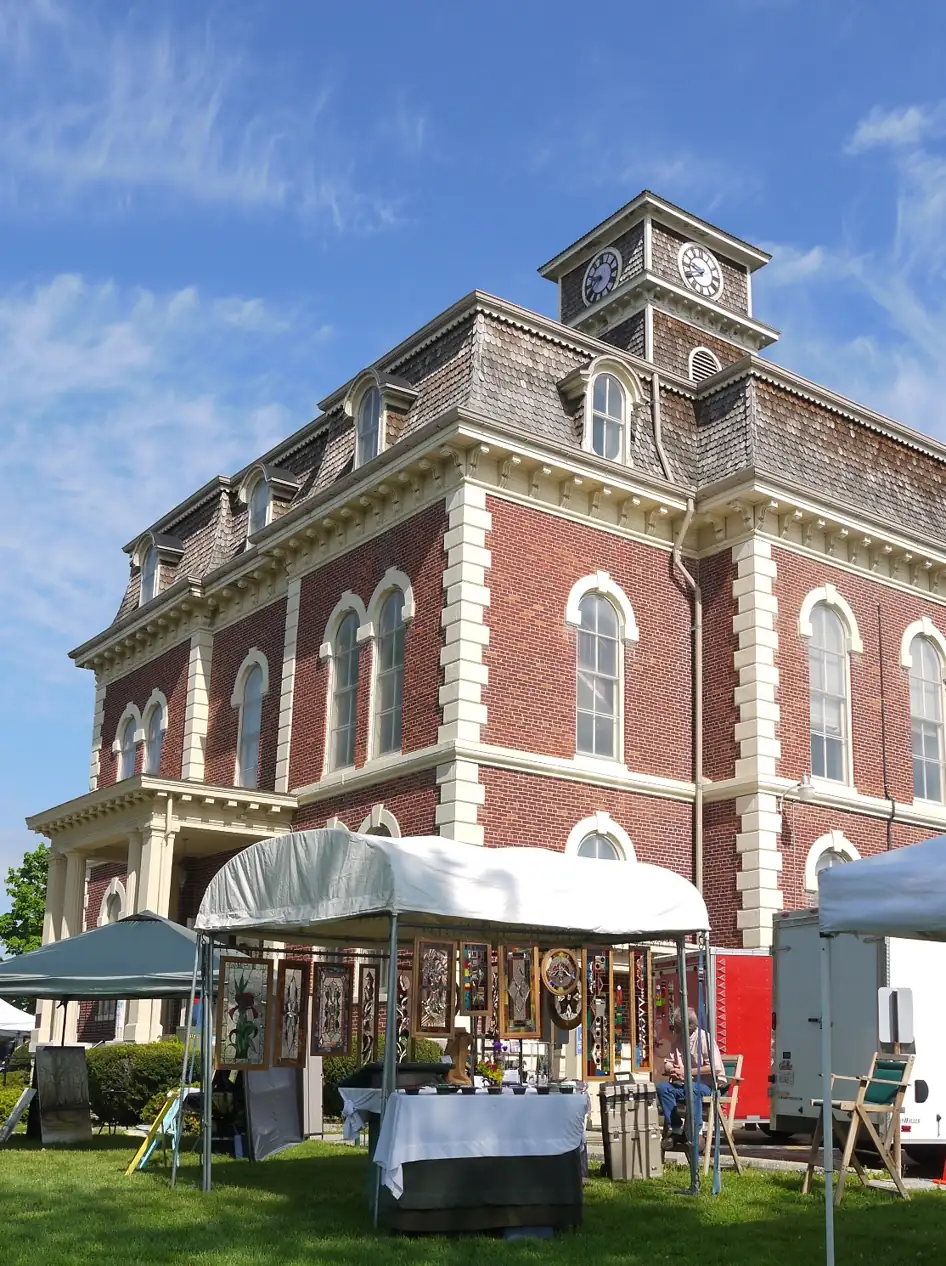
Adams County was organized in 1825, and Quincy became its seat in a young state still filling with settlers moving along the Mississippi. In those same decades, agricultural societies across Illinois began holding exhibitions where farmers compared crops, bloodlines, and machinery. The county fair grew out of that impulse: a way to spread better practices and to turn a year of work into something visible, judged, and argued over.
Over time, the fair’s purpose widened. What began as an educational exercise for farmers became a civic ritual. Railroads and later highways made it easy for the whole county to attend. Granges, churches, schools, and businesses folded the fair into their own calendars. The midway arrived, then the grandstand, then the evening concerts and motor events that now fill the schedule after dark.
Some things held steady. The fair has always been run locally, by people who live in the county and give up a stretch of their summer to make it work. Entry categories, judging standards, and the premium system that rewards exhibitors remain familiar to anyone who showed livestock a generation ago. The grounds have hosted decades of shows, sales, and reunions, with buildings added and repaired as needs changed.
What the fair has never been is a spectacle built for outsiders. It answers first to its exhibitors, its sponsors, and its neighbors — and that is precisely why it has lasted.
What a Summer Visit to the Adams County Fair Feels Like
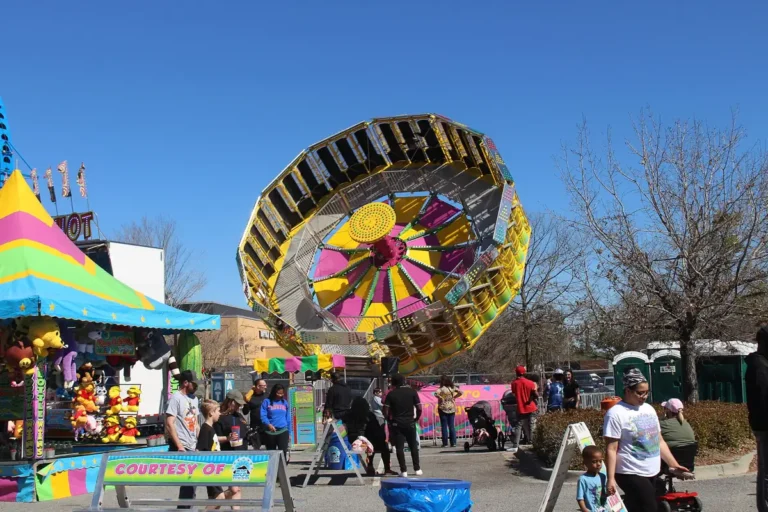
Expect a working fairground rather than a theme park: barns and show rings in daylight, a lit midway and a full grandstand after dark.
Fair Food: Pork Chops, Sweet Corn, and Something Fried
Food at an Illinois county fair follows a familiar script, and Adams County follows it well. Expect pork chop sandwiches, breaded tenderloins, corn dogs, funnel cakes, lemonade shake-ups, hand-dipped ice cream, and sweet corn grown within a short drive of the grounds. Local church groups, service clubs, and FFA chapters often run stands of their own, which means the menu includes homemade pies, walking tacos, and casseroles you will not find at a carnival anywhere else. Bring cash for the smaller stands.
Grandstand Nights: Music, Motors, and Local Talent
Evening programming at the grandstand is the fair’s loudest tradition. Schedules shift from year to year, but the mix typically includes live country and rock bands, truck and tractor pulls, demolition derbies, and contests that put local competitors in front of a hometown crowd. Local and regional acts share the bill, and the grandstand crowd is generous with both applause and commentary. Arrive early for the best seats, and expect the biggest events to fall on the weekend evenings.
Family Activities from the Barns to the Midway
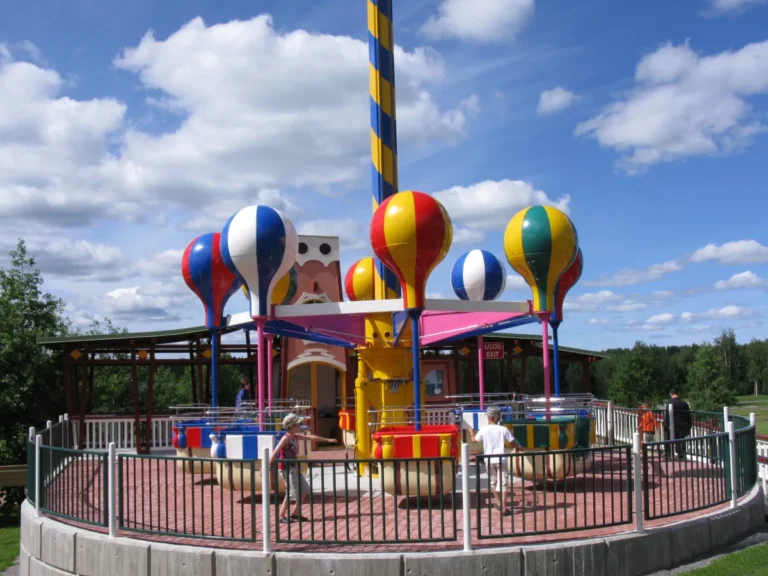
Families can build a full day without spending much. Children gravitate to the carnival rides and games, the petting areas, and the kids’ contests that appear on most fair schedules. The barns are a genuine attraction in their own right — visitors are welcome to watch grooming, fitting, and showmanship classes, and exhibitors are usually happy to answer questions. Exhibit halls offer a quieter break with air conditioning, craft displays, and prize-winning produce. Livestock auctions and evening sales draw a crowd of their own.
Planning Your Trip to the Adams County Fair
Getting There from Quincy and Across the County
Quincy sits on the Mississippi River at the western edge of Adams County, and highways fan out from the city toward the smaller communities that make up the rest of the county. Most visitors arrive by car, and drive times from anywhere in Adams County are short. If you are coming from outside the region, plan your route into Quincy first and work outward from there.
Where to Stay in and Around Quincy
Quincy holds the county’s largest concentration of hotels and motels, from national chains to independent properties, and it is the practical base for anyone staying more than one night. Smaller towns in the county offer limited lodging, and campgrounds and RV sites in the region fill quickly during fair season. Book early if your visit lands on a weekend.
Parking at the Fairgrounds
Fairgrounds parking is typically on-site or adjacent, with volunteers directing traffic during peak hours. Arrive before the evening grandstand events to avoid the longest lines, and expect a short walk from the outer lots. Carpooling with neighbors is both practical and entirely in keeping with the spirit of the event.
Admission, Wristbands, and Budgeting
Entry to the fairgrounds is generally free, which keeps the fair accessible to everyone in the county. Costs show up instead in the details: ride wristbands or tickets, grandstand events, games, raffles, and food. Set a rough budget per person, carry some cash, and check the fair’s own listings for any ticketed evening shows before you go.
Summer Weather in Western Illinois
Fair season in this part of Illinois means heat, humidity, and the occasional afternoon thunderstorm. Days can climb into the nineties, and evenings cool off only slightly. Dress in light layers, wear a hat, bring sunscreen and a refillable water bottle, and keep an eye on the sky. Barns and exhibit halls offer shade and air conditioning when you need a break.
A Sample Fair Weekend in Adams County
First evening. Arrive in the late afternoon, walk the barns while the light is still good, and eat dinner from the stands before the grandstand crowd gathers. Stay for the evening event, then take one slow lap through the midway.
First full day. Start with the livestock shows and the exhibit halls, when judging is under way and the barns are busiest. Spend the afternoon on the midway with children or in the shade with a lemonade shake-up. Return in the evening for music or a motor event.
Final morning. Come back for the quieter hours, when exhibitors are packing up, ribbons are being compared, and the food stands are selling off the last of the pies. It is the best time to talk with the families who make the fair work.
Adams County’s Fair Beside Its Neighbors Along the Mississippi
County fairs are a summer fixture across this stretch of western Illinois, and most counties along the river hold one. What sets Adams County apart is scale: Quincy anchors a larger population base than most of its neighbors, so the fair here draws exhibitors and crowds from a wider radius while keeping the volunteer, county-level feel.
Within Adams County itself, the fair also competes with Quincy’s own summer calendar — riverfront events, farmers markets, and community festivals that fill warm weekends. The difference is that the fair is the only one built around agriculture and open to every township in the county at once. For a fuller picture of the region’s festival calendar, countyfestivals.com tracks events across the area.
A Fairgoer’s Checklist for Adams County
Wear closed-toe shoes for the barns and comfortable shoes for the gravel; pack sunscreen, a hat, and a refillable water bottle; bring cash for smaller stands and raffles; charge your phone for photos and meeting-up texts; check the fair’s schedule before you commit to an evening; and keep a light rain jacket in the car for pop-up storms. If you have children, agree on a meeting point near the midway entrance before anyone gets distracted.
Beyond the Fairgrounds: Quincy, the River, and County Backroads
The fair is a reason to spend a weekend in Adams County, not just an afternoon. Quincy rewards a walk: historic architecture, a downtown with independent restaurants and shops, and riverfront views over the Mississippi. The county’s backroads run past working farms, small-town squares, and the kind of roadside scenery that explains why agriculture still drives the local identity.
Pair a fair visit with a morning in Quincy and an afternoon drive east through the county’s farmland. It is an easy way to understand the place the fair represents, and to see where the exhibitors in the barns actually come from.
What the Fair Still Means to Adams County
In a county of 65,737 people spread across 871 square miles, the fair is one of the few events that gathers every corner of the map in one place. It is where a farm kid from a rural township competes on the same grounds as a family from Quincy, where local businesses put their names on ribbons, and where the county’s agricultural economy gets an audience that is not usually paying attention.
It also functions as a living archive. Recipes, breeding lines, judging standards, and volunteer crews pass from one generation to the next through the fair in a way that few institutions still manage. That continuity, more than any single attraction, is what keeps people coming back.
Where the Adams County Fair Sits
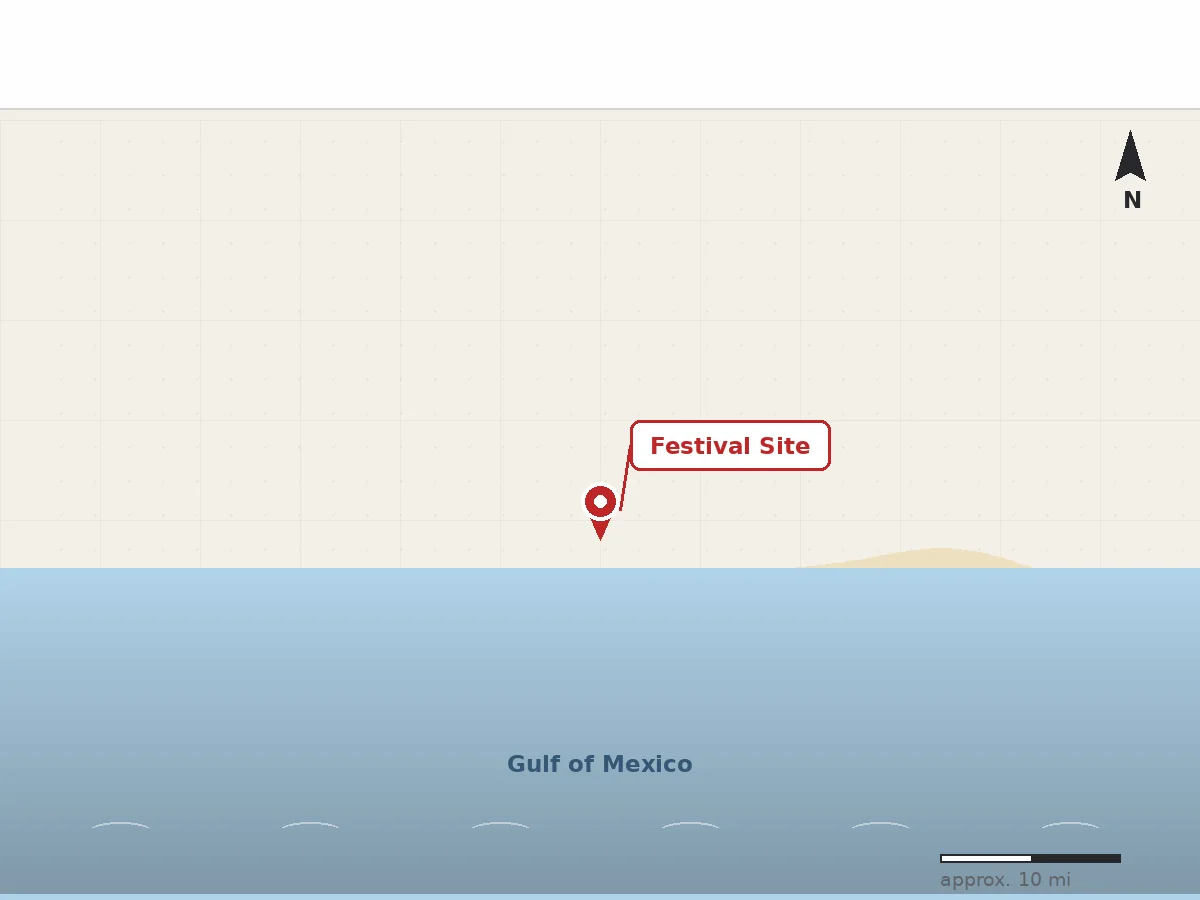
The Adams County Fair takes place on the county fairgrounds in the Adams County area, a short drive from Quincy, the county seat.
Adams County Fair Questions, Answered for First-Timers
Is there an admission charge for the Adams County Fair?
Entry to the fairgrounds is generally free, which is typical of county fairs in this region. Rides, games, grandstand events, and food are priced individually by the operators and vendors running them, so budget for those rather than for a gate ticket.
When is the best time to arrive at the fairgrounds?
Late afternoon works well for a first visit: the barns are still active, the heat has eased, and you are in place before the evening grandstand crowd arrives. Mornings are best for livestock judging and for anyone who wants a quieter look at the exhibit halls.
Is the fair a good outing for young children and older visitors?
Yes. The grounds are walkable and mostly flat, with shaded areas and air-conditioned exhibit halls for breaks. Children have the midway, petting areas, and contests, while older visitors often gravitate to the exhibits, the food stands, and the grandstand. Plan around the hottest part of the day.
What should I bring to the Adams County Fair?
Comfortable shoes, sun protection, a water bottle, and some cash cover most situations. A light jacket helps after sunset, and a small bag for exhibit hall purchases or fair food is worth having. Leave pets at home unless they are service animals.
What the Next Adams County Fairs Will Look Like
County fairs everywhere are adapting — adding online entries, wider food options, and more evening entertainment to compete with screens and summer travel. Adams County’s fair has the advantage of a deep volunteer base and a genuine agricultural purpose, which keeps it relevant in a way that purely commercial events struggle to match. Expect the same barns and ribbons, with a few more modern touches around the edges.
Last updated: October 2026
For anyone in Adams County, the fair is less an event to discover than a date to keep. It arrives each summer with the same promise it has carried since the county’s earliest decades: livestock in the barns, ribbons on the wall, food on the midway, and a full grandstand under a western Illinois sky. Come once, and you will likely find yourself marking the season by it.