Mobile County Alabama Mobile International Festival
For four days each November, a corner of west Mobile becomes a passport-free tour of the world. The Mobile International Festival packs dozens of nations into The Grounds on Cody Road, filling a single site with food stalls, dance stages, craft booths, and cultural exhibits that would otherwise take years of travel to see. It is one of the Gulf Coast’s largest and longest-running multicultural gatherings, and it has been a fixture of the city’s fall calendar for more than four decades.
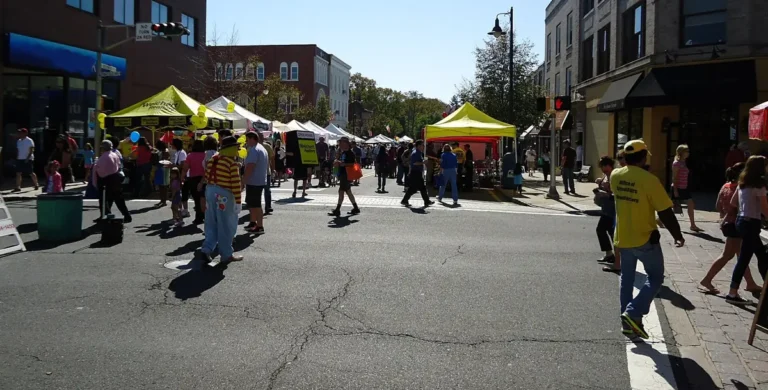
What sets the festival apart is its emphasis on schoolchildren. Three of the four days are reserved for student field trips, when classes move through the grounds learning about geography, food, and tradition from presenters who grew up with them. Only the final day is open to the general public, which gives the weekend crowd a livelier, more relaxed version of the same experience.
Mobile International Festival: Quick Facts
| Location | The Grounds, 1035 Cody Road N, Mobile, Alabama |
| Typical timing | Four days in November |
| Admission | Ticketed; discounts for seniors and children |
| First held | Early 1980s |
| Best known for | Cultural exhibits, food, music, and dance from dozens of nations |
| Organizer | Mobile International Festival, a nonprofit |
A Global Bazaar on the Gulf Coast
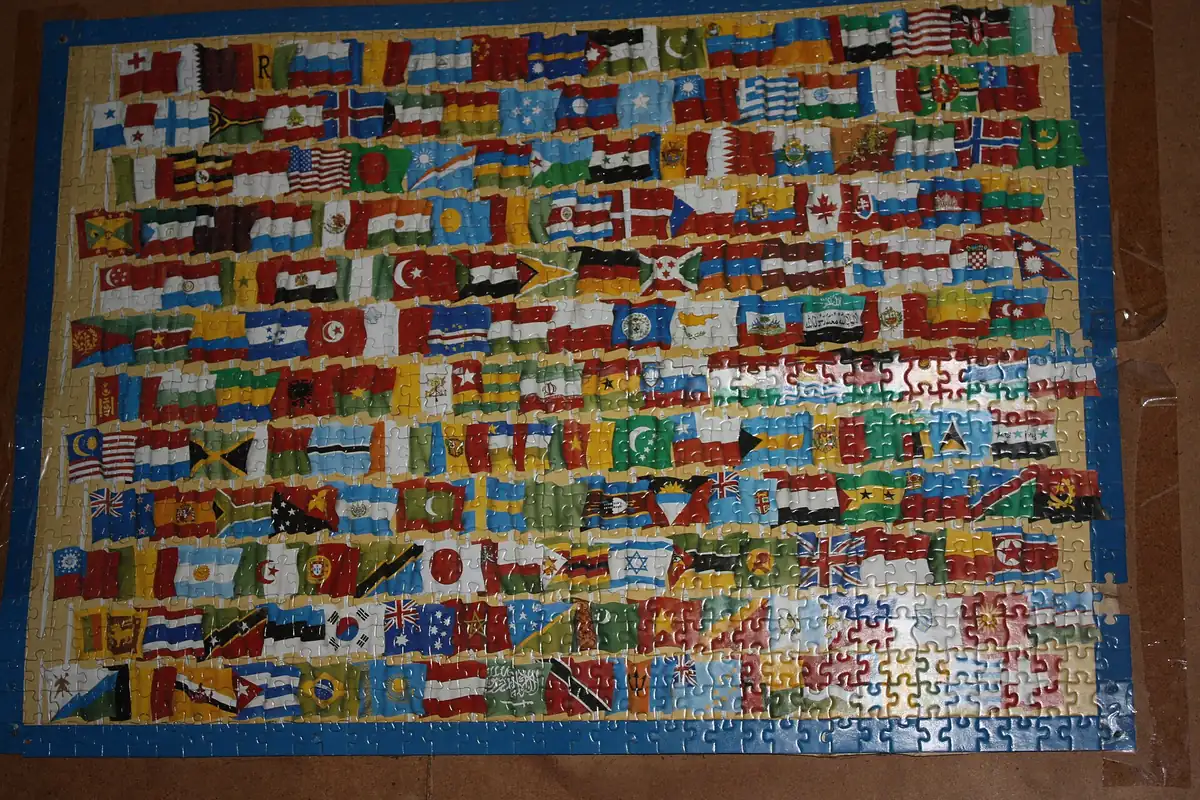
The premise is simple and generous: bring the world to Mobile rather than asking Mobile to go to the world. Each participating country or region sets up its own area, staffed by volunteers who often have personal ties to the place they represent. Visitors wander from booth to booth the way they might wander a foreign market, tasting a dish here, watching a dance there, and picking up a handmade craft somewhere in between.
The scale is genuinely impressive for a city of Mobile’s size. Dozens of national and cultural groups take part in a typical year, and the grounds are organized so that you can move from one continent to the next in a few steps. Because the event has run for so long, many of the presenters have participated for years, and the result is a depth that a one-off cultural fair rarely achieves.
For a look at how another Alabama county builds a festival around its own community and history, see the Baldwin County Alabama Seafood Festival for a useful comparison.
How the Festival Came to Be
The festival grew out of the Port City’s long history as a crossroads. Mobile has been a meeting point of French, Spanish, British, African, and Caribbean influences since its founding, and a celebration of that mix fit the city naturally. What began in the early 1980s as a modest effort to showcase the area’s international community has expanded steadily, adding countries, performances, and educational programming along the way.
Over the decades it has become as much an educational institution as a festival. The school-day format, in which classes rotate through exhibits with structured activities, was a deliberate choice to make the event useful to teachers. That decision is a large part of why the festival has endured when many similar events have faded: it serves a clear purpose beyond entertainment.
What You Will Find on the Grounds
Food is the festival’s most immediate draw. Vendors serve dishes from across Asia, Europe, Africa, the Caribbean, and Latin America, and the portions are sized so that visitors can sample widely rather than committing to a single meal. Lines form at the most popular stalls, but the variety rewards patience and a willingness to try something unfamiliar.
A rotating schedule of performances runs throughout the day, with everything from folk dance troupes to drumming ensembles to solo musicians. The performances are short and frequent, which means you can catch several in an afternoon without planning around a single headline act. Many of the groups are local, reflecting the diversity of Mobile’s own population.
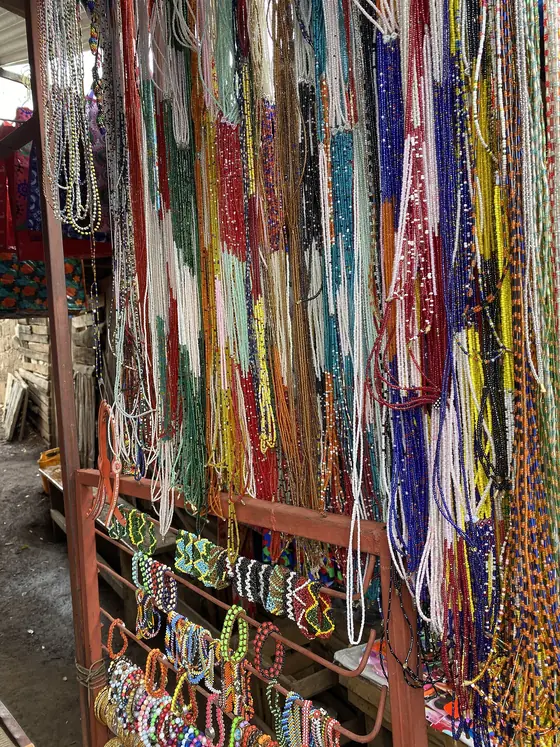
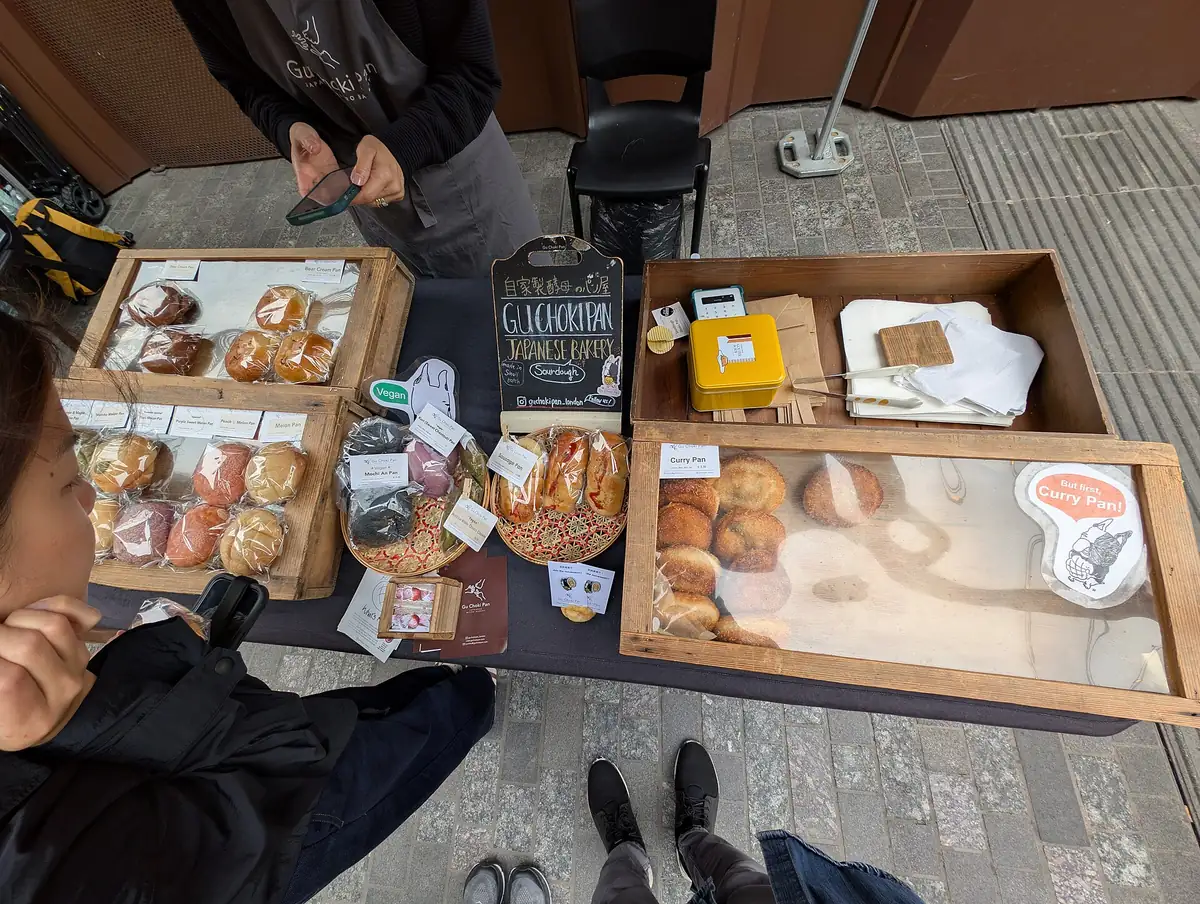
Beyond food and performance, the festival functions as an international market. Vendors sell clothing, jewelry, instruments, textiles, and household goods, often with a story attached. Buying from a booth is a chance to talk with the person who made or selected the item, which is a different experience from shopping in a conventional store.
Planning Your Trip
The Grounds sits on Cody Road in west Mobile, a short drive from Interstate 65 and Interstate 10. Because the site is large and the event draws a substantial crowd, arriving earlier in the day makes parking easier. Rideshare and drop-off are workable options for visitors who would rather not hunt for a space.
Unlike many city festivals, the International Festival is ticketed, with lower rates for seniors and children and the best value on the public day. Prices have been adjusted over the years, so it is worth checking the current schedule and rates before you go. The modest admission helps fund the school programming that defines the event.
If you are visiting with a family and want the full public experience, aim for the final day, when the grounds are open to everyone and the atmosphere is festive and unhurried. The weekday sessions are geared to students and follow a more structured rhythm, so they suit school groups better than casual visitors.
Building a Day Around the Festival
A comfortable plan is to arrive mid-morning, walk the grounds once without buying anything to get your bearings, then circle back to the stalls and performances that caught your eye. Eat early, before the lunch rush, and save the shopping for the afternoon when the crowds thin at the booths.
Because the event is compact, it pairs well with the rest of a Mobile weekend. The city’s museums, historic districts, and waterfront are all within easy reach, and the festival makes a natural anchor for a fall visit that mixes culture with the coast.
How It Compares to Mobile’s Other Festivals
Mobile keeps a busy events calendar, from Mardi Gras to the seafood and music festivals that fill the warmer months. The International Festival stands apart by being explicitly educational and by concentrating so many cultures in one place. If you have time for only one cultural event in the fall, this is the one that covers the most ground.
A Short Checklist
Wear comfortable shoes, since you will be on your feet on a mix of paved and grassy surfaces. Bring a little cash for small vendors, a refillable water bottle, and a tote for anything you buy. If you are visiting with children, a light backpack makes the day easier to manage.
Beyond the Festival
The international thread runs through Mobile all year. The city’s restaurants reflect its immigrant communities, its museums document centuries of exchange, and its port remains a working gateway to the world. A visit to the festival is a good excuse to explore that side of Mobile more deliberately.
Why the Festival Matters
In a region that can feel insulated, an event that asks people to look outward has real value. The International Festival gives schoolchildren a first encounter with cultures they might otherwise only read about, and it gives the wider community a shared, cheerful way to celebrate the diversity that has always shaped Mobile.
A Closer Look at the Exhibits
Each participating country designs its own display, and the variety is part of the appeal. Some booths focus on food, others on textiles, crafts, or music, and a few recreate a slice of daily life from the place they represent. Because the presenters are volunteers with real connections to the cultures they share, the exhibits tend to go deeper than a typical trade-show booth.
The educational layer is deliberate. School groups arrive with worksheets and guides, and presenters are prepared to explain everything from a country’s geography to its holidays. For adults visiting on the public day, the same exhibits offer a relaxed, self-guided version of the experience.
Getting the Most From Your Visit
Start with a lap of the grounds before you spend any money. The layout rewards a first pass to see what is where, and the most popular food stalls are easier to approach before the midday rush. Once you know the terrain, you can plan a route that mixes eating, watching, and browsing.
Bring a tote for purchases and a little cash for smaller vendors. If you are visiting with children, let them lead for a while; the festival is built to be explored at a wandering pace, and the best moments often come from following a child’s curiosity from one booth to the next.
The Volunteers Behind the Booths
Every country’s area is staffed by volunteers, and many of them have a direct connection to the place they represent. Some are immigrants or the children of immigrants; others have lived or studied abroad and want to share what they learned. That personal link is what makes the exhibits feel authentic rather than assembled.
The volunteers are also the reason the festival can keep its costs manageable and its admission modest. A paid staff could not staff dozens of national exhibits for a single weekend. The event runs on goodwill, and that goodwill is visible in the way presenters talk about their cultures.
Food as a First Introduction
For many visitors, the first real encounter with another culture comes through its food. The festival leans into that, offering small, approachable portions that make trying something unfamiliar feel low-risk. A single bite can open a door that a lecture never would.
The food stalls also serve as conversation starters. Asking a vendor what a dish is made of is an easy way to begin a conversation that goes somewhere more interesting. Over a plate of something new, the distance between strangers narrows quickly.
The School-Day Experience
The weekday sessions are structured differently from the public day. Classes arrive with worksheets and guides, move through the exhibits in groups, and take part in activities designed to connect what they see to what they are studying. Teachers often build lessons around the visit.
For students, the field trip is frequently their most memorable outing of the year. The festival gives them a concrete experience of cultures they may only have read about, and it does so in a setting that feels like a treat rather than a chore. That is a difficult balance to strike.
Practical Tips for the Public Day
Come with a strategy but not a rigid plan. The grounds reward wandering, and the best discoveries are often the ones you did not set out to make. Wear comfortable shoes, since you will cover a good deal of ground on a mix of surfaces.
Bring a refillable water bottle and a tote for purchases. If you are visiting with children, let them choose one exhibit to explore in depth rather than rushing them past everything. Depth beats breadth when you are trying to make a memory.
A Festival With Staying Power
Four decades is a long run for any event, and the International Festival has earned it. Its combination of education, entertainment, and genuine cultural exchange gives it a purpose that outlasts any single trend, and its ties to the school system give it a steady reason to exist.
That durability matters in a region where events come and go. The festival has become part of Mobile’s identity, a fixed point in the fall calendar that residents count on. Few cultural events reach that status, and fewer still keep it.
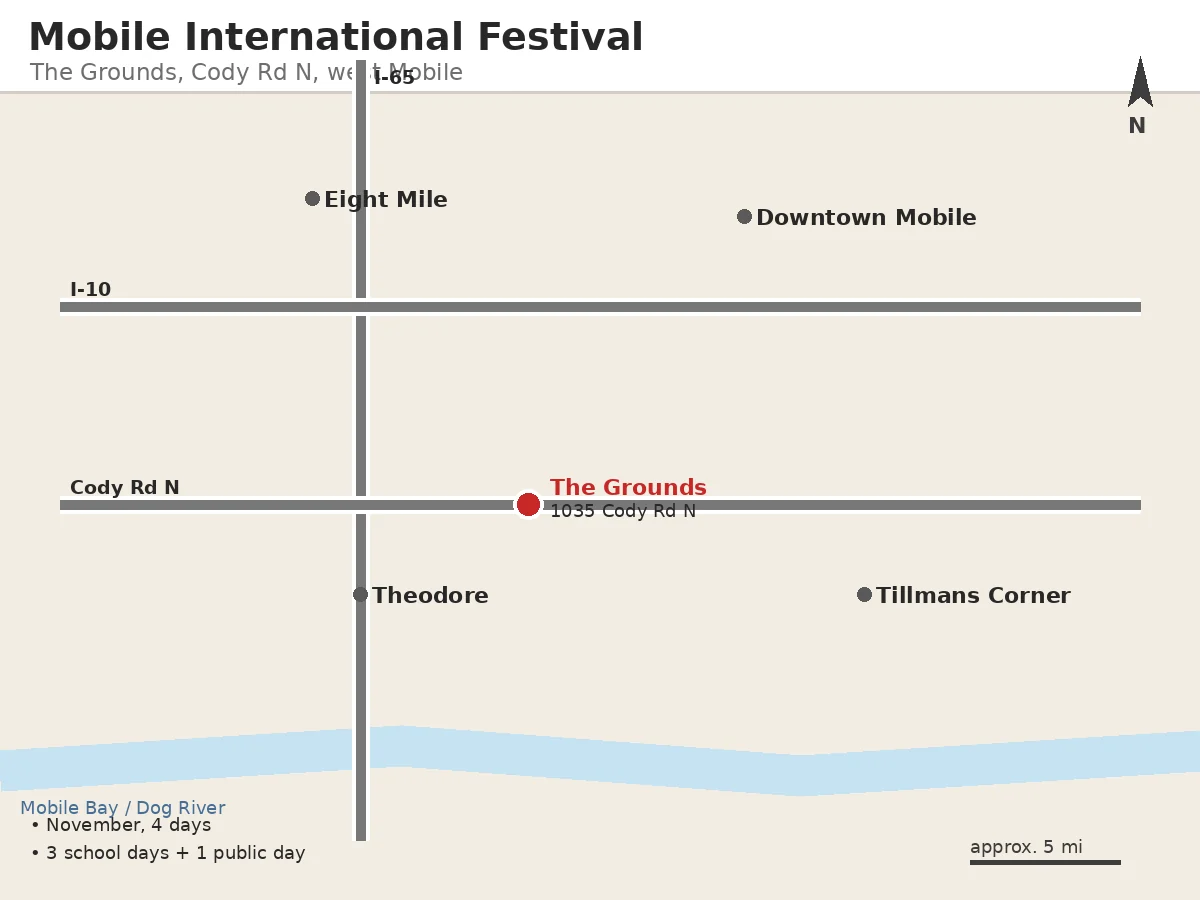
Festival Area Map
The map below places the festival at The Grounds on Cody Road, with the main routes into west Mobile and the neighboring communities marked so you can plan your approach. The site is a short drive from both I-65 and I-10.
Frequently Asked Questions
When is the Mobile International Festival held?
It is traditionally held over four days in November, with the first three days reserved for school groups and the final day open to the general public. Exact dates change each year.
Where does it take place?
The festival is held at The Grounds, 1035 Cody Road N, in Mobile, Alabama.
Is there an admission fee?
Yes. The event is ticketed, with reduced rates for seniors and children. Check the current schedule for prices before you go.
Is the festival good for children?
It is designed with children in mind. Three of the four days are school field-trip days, and the public day includes family-friendly performances and activities.
What kinds of food are available?
Vendors serve dishes from across Asia, Europe, Africa, the Caribbean, and Latin America, usually in small portions suited to sampling.
Can I buy crafts and gifts?
Yes. The grounds include an international market with clothing, jewelry, textiles, instruments, and other goods sold by the groups representing each country.
What to Expect From the Next Mobile International Festival
How often is the Mobile International Festival held?
It is an annual event, held each fall. It has run for more than four decades.
When is the next edition?
It is expected in November. Because dates vary, confirm the schedule through the festival’s official channels before planning travel.
Will the dates or venue change?
The event has been held at The Grounds for many years, but dates and programming can shift. Treat the November window as a guide rather than a fixed date.
Last updated: October 2026
The Mobile International Festival is that rare event which is both fun and useful. You can spend an afternoon eating your way around the world, and a child can spend the same afternoon learning that the world is wider and friendlier than a textbook suggests. Plan for the public day, come hungry, and leave with a fuller sense of how many cultures meet in this one Gulf Coast city.