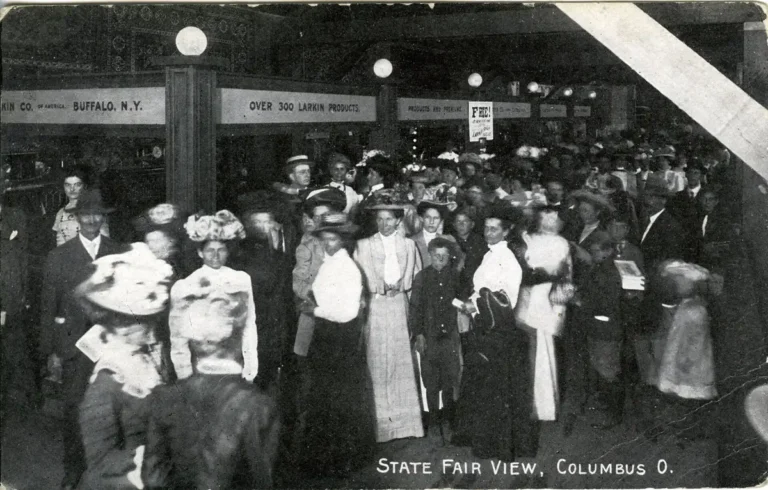
Houston County Alabama National Peanut Festival
For ten days each fall, Dothan becomes the peanut capital of the world in earnest as the National Peanut Festival takes over the fairgrounds on US Highway 231 South. What began in 1938 as a three-day harvest celebration has grown into the largest peanut festival in the nation, drawing more than 160,000 visitors with carnival rides, livestock shows, concerts, agricultural exhibits, and an almost unreasonable amount of food built around the humble legume.
The festival is both a county fair and a cultural statement. Houston County sits at the center of a region that produces a large share of America’s peanuts, and the event exists to honor the farmers and the industry that shaped the Wiregrass. The first festival welcomed agricultural pioneer George Washington Carver as a guest of honor, and that link between agriculture and education still runs through everything the festival does.
National Peanut Festival: Quick Facts
| Location | National Peanut Festival Fairgrounds, US 231 South, Dothan, Houston County |
| Typical timing | Late October to early November, over about ten days |
| Founded | 1938 |
| Scale | The nation’s largest peanut festival; 160,000-plus visitors |
| Highlights | Carnival, concerts, livestock shows, pageants, peanut products |
| Organizer | A volunteer-led nonprofit board |
From Harvest Celebration to National Event
The festival’s origin story is inseparable from the crop itself. When it began in 1938, the goal was straightforward: give the region’s peanut growers a moment of recognition at the end of the harvest and give the wider public a reason to appreciate a product that rarely gets its own stage. Over the decades the event expanded from three days to a full run of more than a week, and it moved to its current 150-acre fairgrounds in 1999.
Alabama’s festival calendar is full of events tied to a single crop, and the Henry County Alabama Yatta Abba Festival shows how a neighboring county celebrates its own agricultural identity in a similar spirit.
That growth reflects how central peanuts are to the local economy. The area around Dothan is often described as the peanut capital of the world precisely because so much of the national crop is grown within a short drive of the city. The festival turns that fact into a shared celebration, complete with exhibits that walk visitors through planting, harvesting, and processing.
What There Is to Do
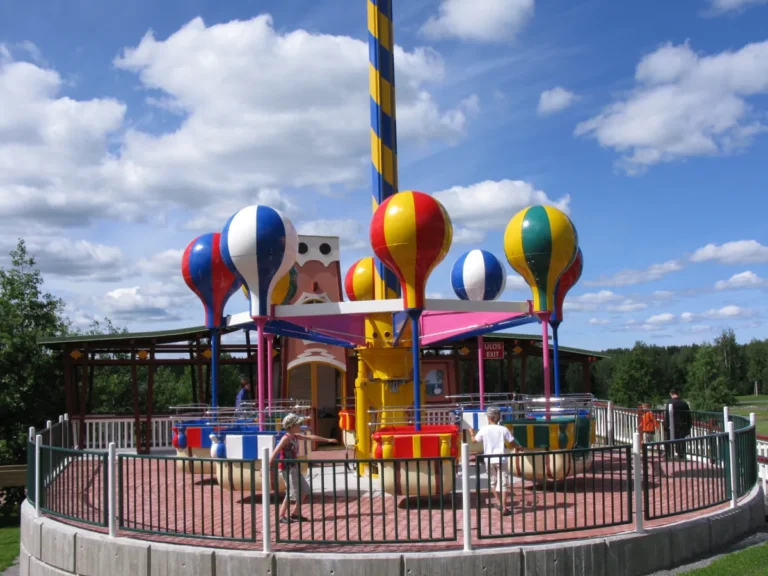
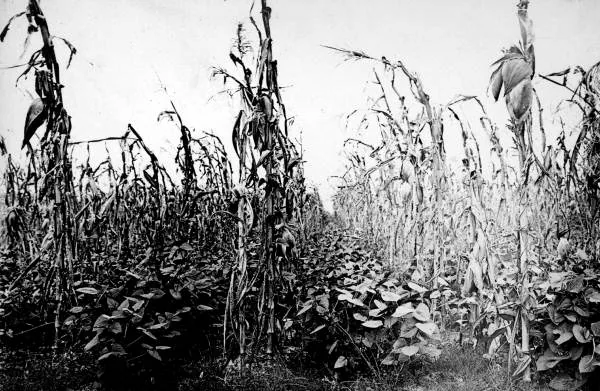
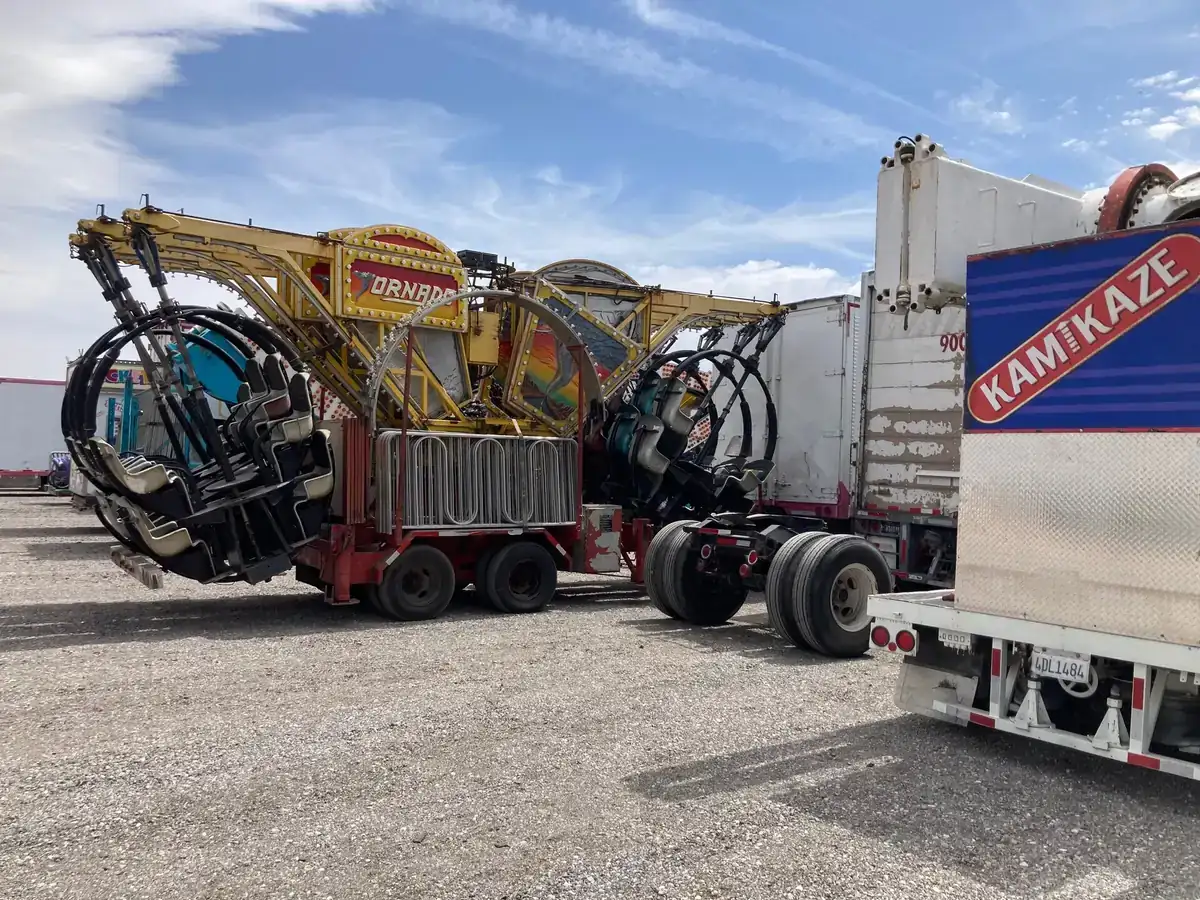
The fairgrounds pack in a broad mix of entertainment. Carnival rides and midway games anchor the family experience, while livestock shows and agricultural displays keep the festival connected to its rural roots. Concerts run across the run of the festival, pageants crown a festival queen and court, and vendors sell everything from peanuts in every imaginable form to crafts and household goods.
Food is a major draw, and peanuts appear in more guises than most visitors expect, from boiled and roasted to candied and ground into butter. Beyond peanuts, the food court covers the full fair spectrum, and the sheer variety means even picky eaters find something. The fairgrounds also host a large agricultural complex, so the festival is as much an educational outing as it is a night of rides.
Getting There and Planning Your Visit
The fairgrounds sit on US 231 South in Dothan, with ample on-site parking and clear signage from the highway. Because the festival runs for more than a week, you have flexibility in choosing a day, and weeknights tend to be less crowded than weekends. Families with young children often prefer an earlier arrival to catch the rides before the evening rush.
Tickets, ride wristbands, and concert schedules are handled through the festival’s own channels, and it pays to check ahead for which nights feature the biggest acts. Because the event spans late October into early November, evenings can turn cool, so a light jacket is worth packing alongside your appetite.
Why It Still Matters
The National Peanut Festival is more than a county fair with a theme. It is a working demonstration of how agriculture and community are woven together in the Wiregrass, and it gives farmers, families, and visitors a shared reason to gather at the end of the growing season. That it has run for more than eight decades, largely on volunteer effort, says as much about the region’s pride as any exhibit could.
Inside the Fairgrounds
The fairgrounds are large enough that a first-time visitor benefits from a plan. The midway holds the carnival rides and games, the exhibit buildings house agricultural displays and vendor booths, and an open-air arena and amphitheater host concerts and livestock events. Because the site covers well over a hundred acres, comfortable shoes are essential, and a map picked up at the gate saves a lot of wandering.
The agricultural complex is the part that most distinguishes this festival from a standard fair. Displays walk visitors through the peanut’s journey from field to product, and the surrounding events include trade shows for peanuts and cotton that draw industry visitors from across the region. For anyone curious about where food actually comes from, the exhibits are worth real time.
Peanuts 101
The peanut is not a nut at all but a legume, and it has a habit unusual among food crops: it flowers above ground and then buries its pods below the surface to mature. That quirk is why harvesting involves digging rather than picking, and why the crop is so well suited to the sandy soils of the Wiregrass. The region’s climate and ground together produce a large share of the national crop.
At the festival, that agricultural story turns into a menu. Peanuts appear boiled, roasted, candied, and ground into butter, along with countless variations that visitors rarely encounter elsewhere. Trying a boiled peanut for the first time is a rite of passage for many out-of-town guests, and the vendors are usually happy to explain the difference between the fresh and dried versions.
A Weekend in Dothan
Dothan makes an easy base for a festival weekend, with hotels, restaurants, and shopping close to the fairgrounds. The city’s Landmark Park offers a living-history farm that complements the festival’s agricultural theme, and the surrounding Wiregrass countryside is full of small towns with their own character. The Dothan Area Botanical Gardens provide a quieter counterpoint to the noise of the midway.
Because the festival runs for more than a week, visitors have the luxury of choosing a day that suits them. Weeknights are calmer, weekends are livelier, and the concert schedule usually determines when the biggest crowds turn out. Planning around the music lineup is the best way to get the experience you want.
Tips for First-Time Visitors
Buy ride wristbands and tickets with a plan in mind, since the midway can add up quickly. Wear comfortable shoes and bring a light jacket for cool October evenings. If you are coming for a specific concert, check the schedule and arrive early enough to find parking and a good spot near the stage.
For families, an earlier start tends to work best, with rides and exhibits in the afternoon and an early dinner before the evening crowds build. Save room for at least one peanut product you have never tried. And keep an eye on the festival’s official channels, since weather occasionally shifts the schedule during the fall run.
The Economics of a Good Harvest
Peanuts are serious business in the Wiregrass. The crop supports growers, shellers, processors, and the many small businesses that depend on the agricultural economy, and the region produces a large share of the nation’s supply. The festival exists in part to honor that industry and to remind a largely urban public where a staple food actually comes from.
That economic role is visible throughout the fairgrounds. Agricultural exhibits, trade shows, and industry gatherings run alongside the carnival, and the festival’s leadership draws on the same farming families and businesses that built it decades ago. The result is an event that is festive on the surface and agricultural at its core.
A Week of Events, Not Just a Fair
Because the festival runs for more than a week, it functions less like a single event and more like a season. Different nights bring different concerts, pageants unfold on their own schedule, and the fairgrounds host livestock shows and agricultural programs across the run. Visitors can return several times and have a different experience each visit.
That duration also spreads out the crowds, which makes the festival more manageable than a single-day event of comparable size. Families can choose a quiet weeknight, music fans can target a favorite act, and locals can treat the run as a standing part of their autumn routine. It is a structure that rewards both planning and spontaneity.
Peanut Country Beyond the Gates
The land around Dothan is worth seeing on its own terms. Fields, gin and sheller operations, and small communities give the region a working landscape that most visitors never notice from the highway. A drive through the countryside in early autumn, when the crop is being dug and dried, adds real context to everything the festival celebrates.
Dothan itself offers museums, parks, and a botanical garden that round out a visit, and the nearby town of Enterprise holds its own monuments to the region’s agricultural history. Taken together, the festival and the surrounding countryside tell a fuller story than the fairgrounds alone can.
Festival Area Map
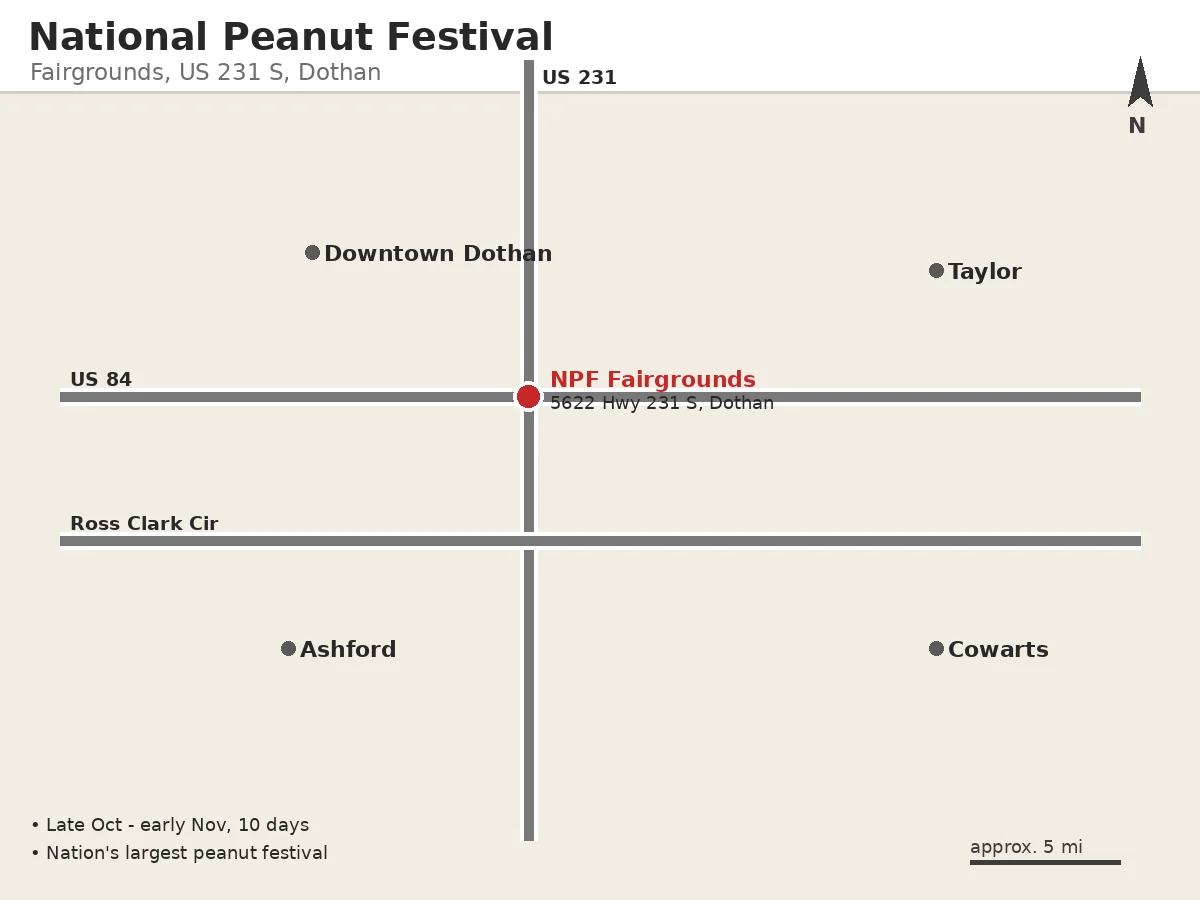
The map below locates the National Peanut Festival fairgrounds on US 231 South in Dothan, with the main routes through Houston County marked for reference. The fairgrounds are easy to reach from the city and are signed clearly during the festival run.
Frequently Asked Questions
When is the National Peanut Festival?
It is held each fall for about ten days, typically from late October into early November. The festival has run annually since 1938.
Where does it take place?
At the National Peanut Festival fairgrounds on US Highway 231 South in Dothan, Alabama, in Houston County. The site spans roughly 150 acres.
How big is the festival?
It is the largest peanut festival in the nation, welcoming more than 160,000 visitors and supported by hundreds of volunteers.
What can families do there?
Families enjoy carnival rides, livestock shows, agricultural exhibits, live concerts, pageants, and a wide range of food vendors, with peanuts featured in many forms.
Do I need to buy tickets in advance?
Advance planning helps for popular concert nights. Check the festival’s official channels for admission, ride, and concert details before you go.
Are there rides for young children?
Yes. The carnival midway includes rides and attractions suitable for a range of ages, from small children to thrill-seekers, along with games and family activities.
Is parking available at the fairgrounds?
Yes. The fairgrounds on US 231 South provide on-site parking, though it fills quickly on weekend evenings and during major concerts.
Planning Ahead for Next Year
How do I find the exact dates and lineup?
The festival announces its dates and concert lineup through its official website and social channels each year, usually well before the fall run.
What is the best day to visit?
Weeknights are generally quieter than weekends, which matters if you want shorter lines for rides and food. Families often prefer earlier in the day.
Is the fairgrounds used for other events?
Yes. The fairgrounds host year-round events, including trade shows and agricultural gatherings, in addition to the annual festival.
Is the festival suitable for a school group?
The agricultural exhibits and educational displays make the festival a popular field-trip destination, and teachers often plan visits around the quieter weekday sessions.
Last updated: October 2026
The National Peanut Festival is the rare event that manages to be a county fair, an agricultural expo, and a cultural homecoming all at once. For ten days each fall, Dothan celebrates the crop that built its economy, and it does so with the confidence of a place that has been doing this for generations. Bring an appetite, plan around the crowds, and you will see why the festival has outlasted nearly every other event of its kind.