Suffolk Massachusetts Boston Arts Festival
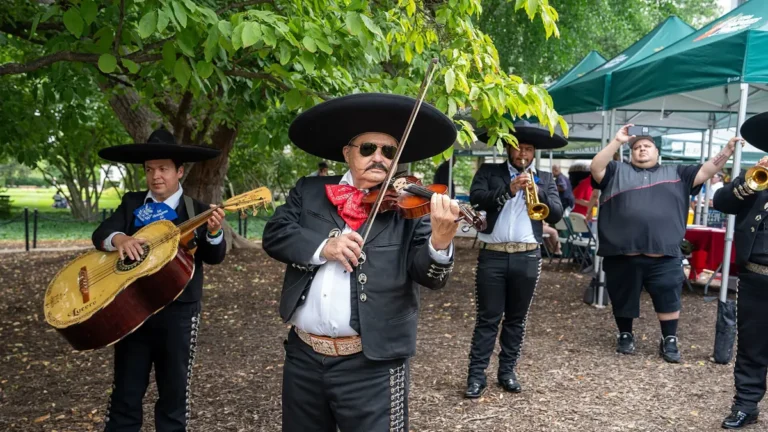
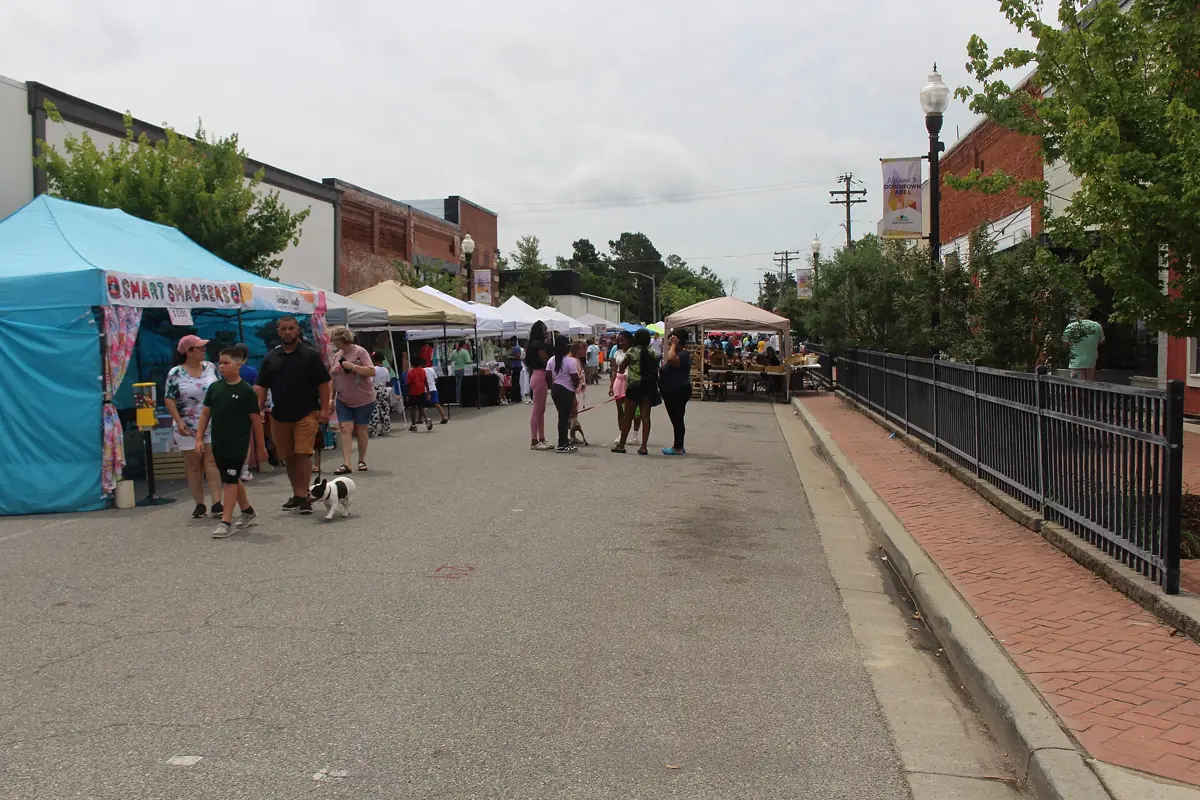
On a September weekend when the harbour light turns golden, Christopher Columbus Waterfront Park fills with canopied booths, easels and the slow traffic of people browsing art beside the water. The occasion is The Boston Arts Festival, a juried gathering of local painters, photographers, ceramicists, jewellers and sculptors that opens the city’s fall arts season. The longer name carried at the head of this page adds the county and the state, following the listing that supplied it; the festival itself prints a shorter name, The Boston Arts Festival, and sometimes presents that name with the letters ahts set before it or held in parentheses after it. Across two days the park behaves like an open-air gallery, with live music drifting from a waterfront stage and every piece on show offered for sale by the person who made it. Entry in the most recent documented years costs nothing, which keeps the lawns busy from the eleven o’clock opening until the booths close at six. For anyone who measures a city by what it puts in its public spaces, this weekend is Boston showing its working artists to the street.
About
The Boston Arts Festival belongs to Boston in Suffolk County, on the Massachusetts coast. Reference layers for both the state and the county mark Boston as the seat of Suffolk County, a point verified in those layers rather than assumed from the city’s size. Some layers describe that seat as traditional, because the government of Suffolk County was abolished in the late nineteen nineties, and the two tellings are left standing side by side here without being blended into one. The gathering unfolds in Christopher Columbus Waterfront Park, printed in some layers as Christopher Columbus Park, a wedge of green waterfront set between Faneuil Hall Marketplace and the North End. Stewardship of the weekend has changed hands across its life. Early editions were produced by the Mayor’s Office of Arts, Tourism and Special Events, while the layers describe the present running of the festival by the organisers behind the Beacon Hill Art Walk and Artists Crossing Gallery. Those two organiser forms belong to different eras of the event, and they are kept apart in this account rather than stitched into a single body. What has stayed constant is the shape of the occasion: juried art, music by the water, and a citywide season of studio visits beginning on the same weekend each fall.
Quick Facts
| Item | Detail |
| Published name | The Boston Arts Festival |
| Printed variants | (ahts): The Boston Arts Festival; The Boston Arts Festival (ahts) |
| Host city | Boston, Suffolk County, Massachusetts |
| County seat | Boston, named seat of Suffolk County in state and county reference layers |
| Venue | Christopher Columbus Waterfront Park, also printed Christopher Columbus Park |
| Setting | Waterfront between Faneuil Hall Marketplace and the North End |
| Documented 2026 dates | Saturday 12 and Sunday 13 September 2026 |
| Hours | Eleven in the morning to six in the evening |
| Admission | Free in the layers covering 2024, 2025 and 2026 |
| Seasonal role | Launches Boston’s fall Arts Open Studios season |
History
News and listing layers agree that the festival was first launched in 2003. It was begun by the city’s mayor of the day, working through the City of Boston’s Office of Arts, Tourism and Special Events, with a plain purpose: to promote the fall Open Studios, when artists across Boston open their working spaces to visitors. At the start the celebration lasted a single day. Growth came steadily, and a university layer preserves an early landmark: the fifth annual edition, placed on 8 and 9 September in 2007 by that layer’s context, drew more than seventy visual artists and craftspeople to the waterfront and already set artisan foods alongside the booths. The billing attached to the 2026 edition calls it the twenty-third year. That figure is a billing, recorded here exactly as the news layer prints it, and nothing in this account converts it into a separate founding claim; the layers’ own statement of a 2003 launch carries the history. Production in the early years sat with the Mayor’s Office of Arts, Tourism and Special Events. In the current era the weekend is run by the people behind the Beacon Hill Art Walk and Artists Crossing Gallery, whose own projects belong to other dates in the calendar and are described further below only so they are not mistaken for this festival. A contact telephone number and a festival web address appear in listing layers for anyone following the event’s trail, though their values are a matter for those listings rather than for this page.
What to Expect
Two days of browsing anchor the weekend, and the standard is set by selection: the artists are juried, so every booth has earned its place on the lawn rather than simply rented it. Painting and photography hang beside tables of ceramics, while jewellery cases catch the harbour light and sculpture occupies the open ground where the grass gives it room. In the recent documented editions the line-up has run to more than fifty local artists, with a news layer giving that figure for 2026 and listing layers matching it for 2024 and 2025. The fifth annual edition, by the university layer’s account, counted more than seventy exhibitors, which suggests the young festival was, if anything, larger in booth count than its modern form. Music runs through both days, with local bands and solo artists playing a waterfront stage, so a visitor can drift from a printmaker’s rack to a song without leaving the park. Artisan foods appear in the record of the fifth-year edition, giving that early weekend a market flavour alongside the gallery one. Everything shown is for sale directly from its maker, which turns most conversations at a booth into a discussion about process, materials and the studio where the piece began. The setting does quiet work of its own, because the downtown towers and the masts along the wharves stand behind the booths as a backdrop no exhibition hall could rent, and the whole show reads as part of the waterfront rather than something fenced off from it. Because the festival also launches the fall Arts Open Studios season, many of those conversations end with an invitation to see the same artist’s workspace later in the autumn.
Planning Your Visit
Arrival is simplest on foot, since the park sits amid Boston’s most walked ground, between the marketplace halls and the restaurant streets of the North End. The documented hours run from eleven in the morning to six in the evening on both the Saturday and the Sunday, and the recent editions have settled on a September weekend: 7 and 8 September in 2024, 6 and 7 September in 2025, and 12 and 13 September in 2026. Entry in the layers covering those three years is described as free, and no layer read for this festival states a gate price for any edition, so the budget for the day is whatever you choose to spend at the booths themselves. Artists apply to exhibit through arrangements mentioned in one layer, yet no application figure is printed there, and nothing an exhibitor might pay should be mistaken for an admission charge on visitors. Because the art changes hands directly from its makers, bringing a bag or a tube for prints makes the browsing easier, and pieces secured early in the day leave your hands free for the music later. Weather off the harbour can turn quickly in September, so a layer against the breeze is worth packing even when the morning looks settled. Arriving near the opening hour also matters more than it might at a larger fair: the best-loved small pieces, the affordable prints and the one-off ceramic pieces, tend to find buyers before the afternoon crowds thicken. Pairing the visit with an early supper in the North End is a natural pattern, since the neighbourhood’s dining rooms begin to fill just as the booths close at six, and a morning that starts at the marketplace can end with the harbour lights coming on behind the last set on the waterfront stage.
For a useful comparison, see the Suffolk Massachusetts Boston Wine Festival for another county festival.
A Sample Two-Day Itinerary
Saturday rewards an unhurried start. Reach the park close to the eleven o’clock opening, when the light is kind to the photography booths and the ceramists’ shelves are still full, then work along the rows toward the sculpture standing on the open lawn. Pause where a painter is glad to talk, because the makers are present in person and the stories behind the work are part of what the weekend sells. Break for lunch among the food offerings or step into the North End, only minutes away, and return in time for an afternoon set on the waterfront stage. Sunday suits a slower second pass: revisit the jewellers you marked the day before, ask the exhibiting artists about the studios they will open during the fall Open Studios season, and finish with the booths that the first circuit missed, since several exhibitors bring fresh stock out on the second day. Anyone staying in the city longer can treat the weekend as the doorway into that Open Studios season, which unfolds across Boston’s neighbourhoods in the weeks that follow and lets the same artists be met again on their own ground.
How the Boston Arts Festival Compares
Confusion is possible with the Beacon Hill Art Walk, because the same organisers stand behind both, yet the walk is a separate occasion in a different neighbourhood on its own date, and it is not part of this waterfront weekend. Artists Crossing Gallery, the other activity named in the layers, is a gallery enterprise rather than a festival, and neither project should be folded into the event described here. The neighbourhood Open Studios weekends differ in kind as well: those are invitations into working studios scattered through the city’s districts, while the festival gathers its juried artists together in one public park and serves as the launch of that wider season. Set against the ticketed art fairs that charge at the door, the documented free entry of the recent editions puts this weekend on the informal side of the calendar, closer to a civic celebration than to a trade show, with the harbour rather than a convention hall as its ceiling.

A Visitor Checklist
- A bag or a carrying tube for prints and unframed work
- Questions for the artists about the studios behind the pieces
- A light layer for the harbour breeze in September
- Time set aside across both days, since the music runs all weekend
- A note of the booths worth revisiting on the Sunday pass
- Curiosity about the fall Open Studios season the festival opens
Beyond the Park
The park’s position does half of the sightseeing for you. Faneuil Hall Marketplace stands on one side, all food halls and buskers, and the North End crowds in on the other with bakeries, espresso counters and dining rooms that Bostonians argue about with real feeling. The harbour itself is the third neighbour, with the waterfront path carrying walkers along the wharves and the working port in plain view. A September visit also lands at the front of the fall Arts Open Studios season, so the natural extension of the weekend is a later trip into the districts where the exhibiting artists actually work, turning a browse in a park into the start of a longer acquaintance with the city’s studios.
Why the Boston Arts Festival Matters
A festival begun inside a mayor’s office could easily have faded when administrations changed. Instead the weekend survived its handover to working artists and organisers, held on to its free entry and grew into the recognised opening of Boston’s fall arts calendar. That arc says something about the city’s habits: a juried show in a public park, selling serious work with no charge to look, treats art as part of ordinary civic life rather than a ticketed exception. For the artists taking part, the weekend pairs the chance of sales with introductions that last longer, since the Open Studios season it launches sends visitors into their own workspaces in the weeks afterwards. Few September fixtures manage to be both a marketplace and a meeting point; this one, by the layers’ account, has been doing both since 2003.
Frequently Asked Questions
Do visitors pay anything to walk in?
The layers covering the 2024, 2025 and 2026 editions describe the weekend as free, and no layer read for this festival states a gate price for any year. Money changes hands at the booths, where the artists sell their own work, rather than at any entrance.
Which art forms appear among the booths?
The exhibitors are juried local visual artists and craftspeople. Painting and photography are shown alongside ceramics, jewellery and sculpture, and the fifth annual edition’s record adds artisan foods to the mix on the food side of the lawn.
When during the year does the weekend fall?
The festival is a September occasion, running Saturday and Sunday from eleven in the morning to six in the evening. Recent editions fell on 7 and 8 September in 2024, on 6 and 7 September in 2025, and on 12 and 13 September in 2026.
Who looks after the festival these days?
The layers place the current running of the weekend with the organisers of the Beacon Hill Art Walk and Artists Crossing Gallery. That is a later chapter of the story: the earliest editions were produced by the Mayor’s Office of Arts, Tourism and Special Events.
What to Expect From the Next Suffolk Massachusetts Boston Arts Festival
How often is Suffolk Massachusetts Boston Arts Festival held?
The weekend returns every year as a two-day September gathering, a rhythm the layers show holding across the 2024, 2025 and 2026 editions and reaching back through the festival’s history since 2003.
When is the next Suffolk Massachusetts Boston Arts Festival?
Following the documented edition of 12 and 13 September 2026, the next running would be expected on a September weekend in the following year, keeping the Saturday and Sunday pattern. The layers read for this article fix no specific date for that future edition, so the month and the shape of the weekend are the reliable guides until listings appear.
Will the dates change?
The exact weekend has drifted slightly from year to year — early September in 2024 and 2025, the second full weekend of the month in 2026 — while the anchoring in September and the Saturday-to-Sunday span have stayed constant. A modest shift of the particular days is therefore likelier than any move of the season itself.
The Boston Arts Festival endures because it asks very little of the people who wander in: no ticket, no programme to decode, only a park by the harbour and rows of work made a few miles away. Come for an hour between other September errands, or give it both days and the start of a studio season; either way, the city shows you its artists before it shows you anything else.