Hampshire Massachusetts Three County Fair Festival
Labor Day weekend turns the fairgrounds in Northampton over to livestock trailers, crowded exhibit halls and grandstand noise, all of it belonging to the Three County Fair. The fair draws its name from the three counties its organising society has served since the early eighteen hundreds — Hampshire, Franklin and Hampden — and it anchors the end of the summer fair season in the Hampshire County seat. Readers meeting the event through a catalogue may see a longer label ending in the word Festival, yet the fair itself travels under a shorter published name, and that shorter name is the one Northampton has used for generations.
About the Festival
The published name, printed consistently across fair-listing layers, club layers and the society’s own press material, is Three County Fair. A second printed form, 3 County Fair, appears in the fair’s own web-address-style form and is reproduced here once, exactly as printed, as a name only. The sheet title behind this article appends the word Festival to the published name, and that longer form appears in none of the layers consulted; the event behind the title is a county agricultural fair, not a separately named festival. Northampton hosts the fair, and a reference layer verifies Northampton as the Hampshire County seat, so the grounds sit in the county’s shire town. The venue is the Three County Fairgrounds in Northampton, the fair’s established home. Three organiser forms circulate in print and are kept apart here rather than blended: Hampshire, Franklin & Hampden Agricultural Society; Hampshire Franklin & Hampden Agricultural Society; and Hampshire, Franklin & Hampden Ag Society. Each is reproduced as its layer prints it. A society president is named in the society’s own twenty eighteen press release in a working capacity, and is therefore referred to by that role rather than by name. Two editions frame the modern record in the layers read. A listing layer bills the twenty twenty-six running, held from Friday the fourth to Monday the seventh of September twenty twenty-six across Labor Day weekend, as the two-hundred-and-ninth edition. The society’s own press release documents the twenty eighteen edition, Friday the thirty-first of August to Monday the third of September twenty eighteen, billed the two-hundred-and-first edition, and sets out full daily hours with a day-by-day schedule.
Quick Facts
| Item | Detail |
| Sheet title | Hampshire Massachusetts Three County Fair Festival |
| Published name | Three County Fair |
| Other printed form | 3 County Fair |
| Host town | Northampton, the Hampshire County seat |
| Venue | Three County Fairgrounds, Northampton |
| Organiser forms | Hampshire, Franklin & Hampden Agricultural Society; Hampshire Franklin & Hampden Agricultural Society; Hampshire, Franklin & Hampden Ag Society |
| Counties served | Hampshire, Franklin and Hampden |
| 2026 edition | Friday 4 to Monday 7 September 2026, billed the two-hundred-and-ninth edition |
| 2018 edition | Friday 31 August to Monday 3 September 2018, billed the two-hundred-and-first edition |
| Gate admission | No gate price is stated in the layers read; a listing layer notes the stunt shows carry an extra fee |
History
Two early dates belong to this fair, and the layers keep them apart. The first is eighteen eighteen, the organisational year: a town-history layer records that plans for the fair were drawn up in eighteen eighteen, the society’s own press release states that the society was incorporated in that same year, and listing layers summarise the beginning with the printed forms Officially began in 1818 and Established 1818. The second date is eighteen nineteen, the year a fair was actually staged: the town-history layer places the first fair on the fourteenth and fifteenth of October eighteen nineteen, on a Northampton corner. Read together, the layers give the society and its plans to eighteen eighteen and the first held fair to eighteen nineteen, and this article preserves that division rather than collapsing the pair into a single founding year. The edition billings carried by later layers — the two-hundred-and-first in twenty eighteen and the two-hundred-and-ninth in twenty twenty-six — are reproduced as billing only. Listing and society layers also present the fair as America’s longest-running agricultural fair, and as its oldest continuous one; both descriptions are printed claims made by the layers, and they are reported here as claims rather than as settled fact. The layers do not always phrase the boast identically — longest-running in one place, oldest continuous in another — and that difference in wording is preserved here exactly as found instead of being smoothed into a single slogan. The grounds carry a second, older sporting story of their own. A racing-history layer records thoroughbred racing at the fairgrounds from nineteen forty-three to two thousand and five, a run of more than six decades that belongs to the history of the grounds themselves, not to the programme of the modern fair, and the two should not be confused.
What to Expect
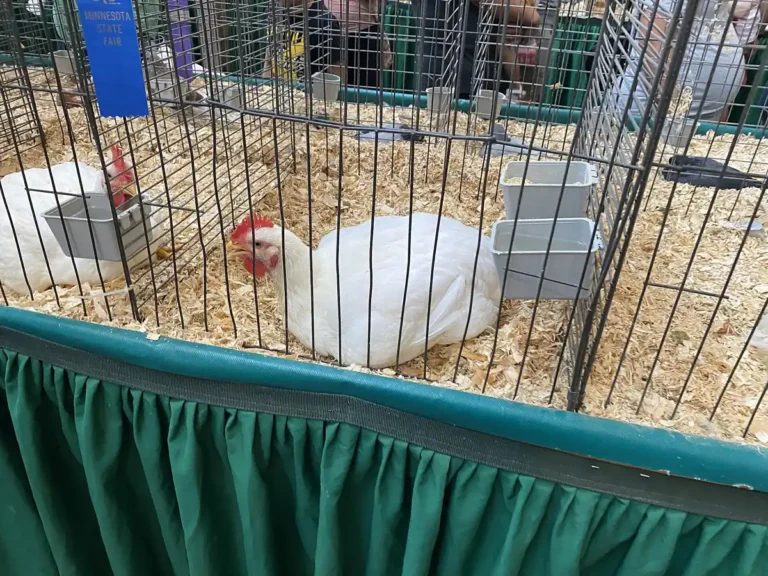
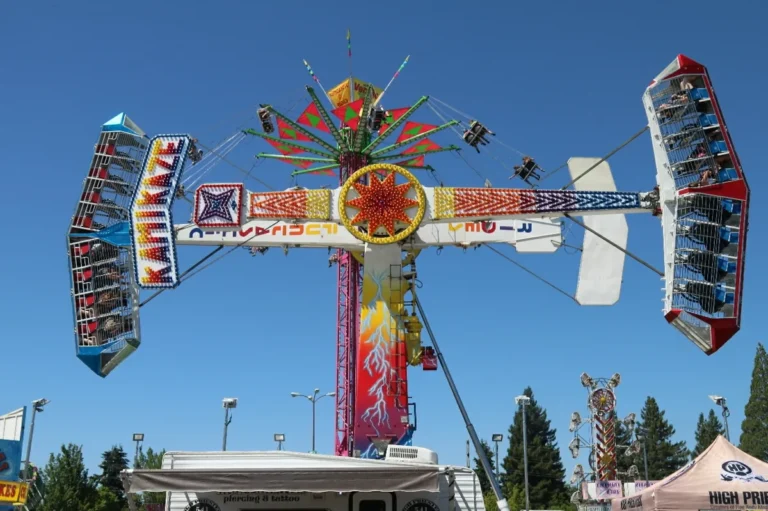
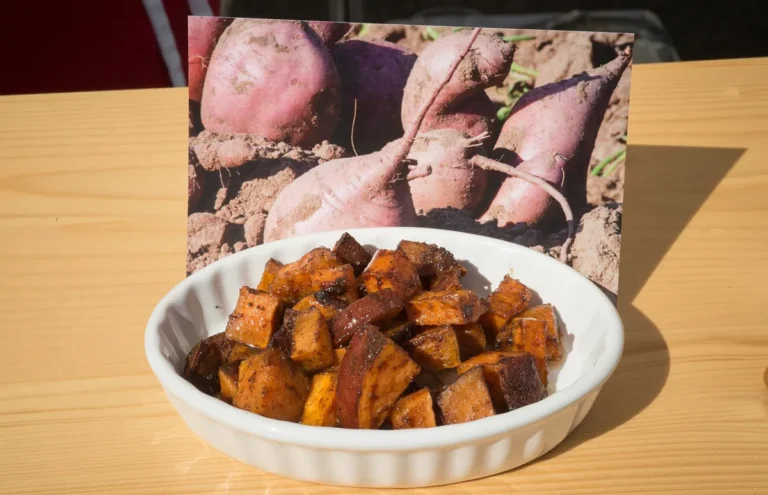
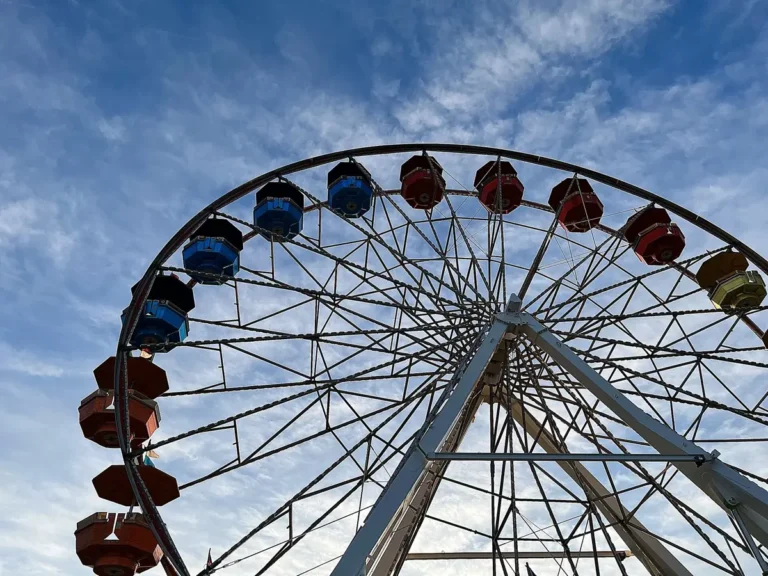
Agriculture supplies the fair’s backbone. Livestock contests and exhibits bring cattle, sheep, swine and other farm animals before judges and crowds across the four days, while the agricultural exhibit hall gathers the harvest side of the three counties under one roof: flowers, garden produce, canning, honey, maple products and scarecrows, each entered for ribbons. Beyond the barns and the hall, the programme widens into a full fairground mix. Live music plays across the weekend, rides and games fill the midway, arts and crafts sellers and other vendors line the grounds, and food stands serve the crowds moving between them. The grandstand side of the programme runs louder: demolition derbies send battered cars against one another, and stunt shows add their own spectacle. One cost detail deserves care here, because a listing layer notes that the stunt shows carry an extra fee; that charge attaches to that single element of the programme and is not a price for entering the fairgrounds, for which the layers consulted print no figure at all. Taken as a whole, the weekend balances judged farm exhibits against midway entertainment in roughly the proportions a two-century-old agricultural society would suggest: the farming comes first in the billing, and the spectacle fills in around it.
Planning Your Visit
Timing is the first decision, because the documented modern editions occupy Labor Day weekend: the twenty twenty-six edition runs from Friday the fourth of September through Monday the seventh, giving visitors four days to choose from and a long holiday weekend to build around. Anyone exhibiting rather than spectating should know that a premium book exists for the fair, carrying the entry detail for the judged classes, and that a fair website exists as the organiser’s own channel for current information; both are noted here by existence only. Money needs a small caveat. None of the layers consulted prints a price for walking through the gate, so no figure is quoted in this article and the fair should not be assumed to be free; checking the fair’s own channels before travelling is the sensible course. The one charge the layers do record is the extra fee attached to the stunt shows, so derby-and-stunt fans should budget for that element separately from whatever the gate itself may cost. Four days also reward pacing: the exhibit hall and livestock barns can fill a quieter visit on their own, while the grandstand events draw the biggest crowds, and spreading the programme across two days is easier than compressing everything into one.
For a useful comparison, see the Hampshire Massachusetts Northampton Jazz Festival for another county festival.
A Four-Day Itinerary
A relaxed first pass might begin on the Friday, walking the grounds while they are still fresh, reading the exhibit hall entries and learning where the barns, hall and grandstand sit in relation to one another. Saturday suits the agricultural core: livestock judging in the barns, a slow circuit of the flower, produce, canning, honey and maple displays, and a first round of the food stands. Sunday leaves room for the midway, the arts and crafts rows and the live music, with the agricultural halls revisited for any classes whose results have been posted. Monday, the holiday itself, fits the grandstand programme — the demolition derby and the stunt shows, remembering that the stunts carry their own extra fee — before a final walk past the scarecrows and the vendor rows on the way out. The shape is a suggestion rather than a schedule; the society’s twenty eighteen press release shows the fair publishes full daily hours and a day-by-day programme, and the current year’s own listing should govern any real trip.
How This Fair Compares
Most county fairs speak for a single county; this one answers to three at once, and the difference shows in the society’s own name, which carries Hampshire, Franklin and Hampden together. The nearest comparison inside the region, the Franklin County Fair at Greenfield, is a separate event run under its own auspices, and the two should never be merged despite the shared September season and the overlapping farm country they draw from. Other Hampshire County events likewise belong to themselves. Internally, the fair holds two tempers in one programme: the quiet, judged world of the exhibit hall, where a jar of preserves or a maple entry waits on a ribbon, and the deliberate destruction of the demolition derby a few hundred yards away. Few New England fairs can also point to a grounds history that includes a thoroughbred racing era stretching from the nineteen forties into the two thousands, even if that chapter closed long before the modern editions and forms no part of today’s programme.
A Visitor Checklist
- Confirm the current year’s dates against the fair’s own listing before travelling
- Leave the gate-price question open until the fair’s own channels answer it
- Budget separately for the stunt shows, which carry an extra fee
- Give the agricultural exhibit hall a full visit: flowers, produce, canning, honey, maple and scarecrows
- Watch at least one livestock contest in the barns
- Keep the Franklin County Fair at Greenfield distinct from this fair in any plans
- Save time on the final day for the grandstand programme
- Exhibitors: obtain the premium book for class and entry detail
Beyond the Festival
The fairgrounds sit in Northampton, a county seat with a compact downtown of shops, restaurants and college-town energy within easy reach of the grounds, so a fair weekend naturally spills into the town around it. The three counties the society serves spread out from there: Hampshire’s Connecticut River valley farmland, Franklin County’s hills to the north and Hampden County’s denser towns to the south, all of which send exhibitors, animals and produce into the same halls each September. Visitors staying longer can treat the fair as one stop in a wider Pioneer Valley weekend, returning to Northampton’s streets in the evenings while the fair rests, and keeping the region’s other autumn events — each a separate occasion in its own right — for separate days rather than folding them into this one.
Why the Festival Matters
An agricultural fair that three counties still share is a working census of a farming region: the livestock in the barns, the produce and preserves in the hall and the maple and honey on the tables together show what Hampshire, Franklin and Hampden actually grow and raise. The layers’ printed claim that this is America’s longest-running agricultural fair, whatever its precise standing, points at something real in the record — a society organised in eighteen eighteen and a fair first held in eighteen nineteen still filling the same town’s fairgrounds in twenty twenty-six. For exhibitors, the ribbons remain a serious measure of a season’s work; for everyone else, the weekend is a reminder that the county fair began as an agricultural argument before it became entertainment, and that here the argument is still being made. Because the hall and the barns draw entries from three counties rather than one, the fair also works as a meeting point for farming communities that might otherwise show only at their own smaller gatherings, and that shared stage is a large part of what has kept the society’s fair at the centre of the region’s agricultural year.
Frequently Asked Questions
Which weekend does the fair occupy in Northampton?
The documented modern editions sit on Labor Day weekend. The twenty twenty-six edition runs from Friday the fourth to Monday the seventh of September, and the twenty eighteen edition documented in the society’s press release ran from Friday the thirty-first of August to Monday the third of September, the same holiday weekend in its year.
Why does one fair carry three counties in its name?
The organising society’s printed name forms name Hampshire, Franklin and Hampden together — Hampshire, Franklin & Hampden Agricultural Society in one form — and the fair has always drawn its exhibitors, livestock and produce from across those three counties rather than from Hampshire alone.
Are the stunt shows covered by ordinary entry to the grounds?
A listing layer notes that the stunt shows carry an extra fee of their own, so they should be treated as a separately charged element of the programme. The layers consulted print no gate price for the fairgrounds themselves, so no overall entry figure can be quoted here.
Where can exhibitors find the classes and entry rules?
The fair publishes a premium book carrying the detail for its judged classes, and a fair website exists as the organiser’s own channel; both are recorded in the layers by existence, and the current premium book is the document an exhibitor should work from.
What to Expect From the Next Hampshire Massachusetts Three County Fair Festival
How often is Hampshire Massachusetts Three County Fair Festival held?
The fair returns every year. Its documented modern editions run across four days on Labor Day weekend, with the twenty eighteen running billed as the two-hundred-and-first edition and the twenty twenty-six running billed as the two-hundred-and-ninth.
When is the next Hampshire Massachusetts Three County Fair Festival?
The layers consulted for this article stop at the twenty twenty-six edition, held from the fourth to the seventh of September twenty twenty-six, and print no dates for a following year. The established pattern places the fair on Labor Day weekend, and the fair’s own listing is the place to confirm the next running.
Will the dates change?
They have shifted across the fair’s long life: the first fair documented by the town-history layer occupied two October days in eighteen nineteen, while the modern editions sit in September on Labor Day weekend. Within the recent documented pattern the holiday weekend is stable, but the society’s current listing, not habit, should settle any given year.
Come September, the Northampton fairgrounds will again hold the harvest of three counties in one place — judged in the halls, paraded in the barns and cheered from the grandstand — under the short published name the fair has carried all along: Three County Fair.