Dukes Massachusetts Martha’s Vineyard Agricultural Festival
Anyone who goes looking for this event under the word Festival will find it living under another name entirely. On the island, the big August gathering at West Tisbury is published as the Martha’s Vineyard Agricultural Fair, in its longest printed form the Martha’s Vineyard Agricultural Society Livestock Show & Fair, and in everyday island speech simply the Martha’s Vineyard Fair or the Ag Fair. No layer gathered for this article calls the event an agricultural festival, and that gap between the sheet title and the printed name deserves to be stated plainly at the outset, because nearly everything else about the fair is documented in satisfying detail. The event fills the fairgrounds at Agricultural Hall on Panhandle Road in West Tisbury, in Dukes County, and it is staged by the Martha’s Vineyard Agricultural Society. Across four days in the middle of August it mixes livestock judging with working-animal contests, throwing and shucking competitions, dog shows, carnival rides and fair food. The Society’s own calendar counted the gathering as its one hundred and sixty-fourth fair in 2026, and that year also brought the most consequential change in its modern history, a move away from its traditional weekend that is explained further below.

About
The published name forms sit side by side in the layers and are kept separate here, exactly as printed. Listing layers carrying the organiser’s own calendar use Martha’s Vineyard Agricultural Fair. The fullest form, Martha’s Vineyard Agricultural Society Livestock Show & Fair, spells out the event’s two halves, the livestock show and the fair, in a single name. Shorter forms circulate as well: Martha’s Vineyard Fair in general listings, and The Ag Fair as the local shorthand islanders reach for in conversation. What none of these forms contains is the word Festival, so a reader holding the sheet title should treat it as a finding label rather than as the event’s name.
Behind every one of those forms stands a single organiser. The Martha’s Vineyard Agricultural Society is the sole organiser form printed across the layers read, and a fair-directory layer adds two facts about it: the Society was founded in 1858, and it organises the fair each August. A guide layer prints a federal tax designation for the Society, and that designation is a registry detail rather than part of the fair’s story, so it is noted here only as existing and is not reproduced.
West Tisbury, the host town, sits toward the western side of the island and is not the seat of Dukes County; a reference layer names Edgartown as the county seat. The fairgrounds belong to Agricultural Hall on Panhandle Road, a hall that hosts other gatherings through the year, and the fair takes over both hall and grounds for its August run.
Quick Facts
| Item | Detail |
| Published name | Martha’s Vineyard Agricultural Fair |
| Fullest printed form | Martha’s Vineyard Agricultural Society Livestock Show & Fair |
| Short forms | Martha’s Vineyard Fair; The Ag Fair |
| Organiser | Martha’s Vineyard Agricultural Society |
| Host town | West Tisbury, Dukes County |
| County seat | Edgartown, not West Tisbury |
| Venue | Fairgrounds at Agricultural Hall, Panhandle Road |
| Usual timing | Four days in August |
| Edition in 2026 | The one hundred and sixty-fourth fair, 13 to 16 August 2026 |
| Gate admission in 2026 | Fifteen dollars for adults, as stated in a detailed guide layer |
History
The documented history of this fair runs through its organising Society rather than through any founding date of the fair itself. The fair-directory layer dates the Martha’s Vineyard Agricultural Society to 1858 and credits it with organising the fair each August, which makes the Society well over a century and a half old. The fair’s own numbering tells a parallel story of endurance: the Society’s calendar counts the 2026 gathering as the one hundred and sixty-fourth fair. That numbering is recorded here exactly as printed. Nothing in the layers read assigns the fair a separate founding year of its own apart from the Society’s 1858 date, and the edition count alone cannot be turned into one, because fairs can skip years, restart numbering, or count gatherings that predate the surviving paperwork.
For a useful comparison, see the Bristol Massachusetts New Bedford Jazz Festival for another county festival.
For generations the fair belonged to the third full weekend of August, a slot regulars could set their summers by. That tradition broke in 2026, and the reason was machinery rather than farming. The carnival provider that had served the fair for roughly fifty years did not renew, and the Society signed a five-year contract with a new provider on 30 June. The newcomer’s schedule could not accommodate the old weekend, so the Society moved its fair to the second full weekend of August instead. The detailed guide layer and a realty-blog layer both tie the change to the Society’s own calendar, and both record the 2026 fair as the first edition held on the new weekend. The same layers look ahead to continuity on the new pattern, printing the one hundred and sixty-fifth fair as expected on 12 to 15 August 2027.
What to Expect
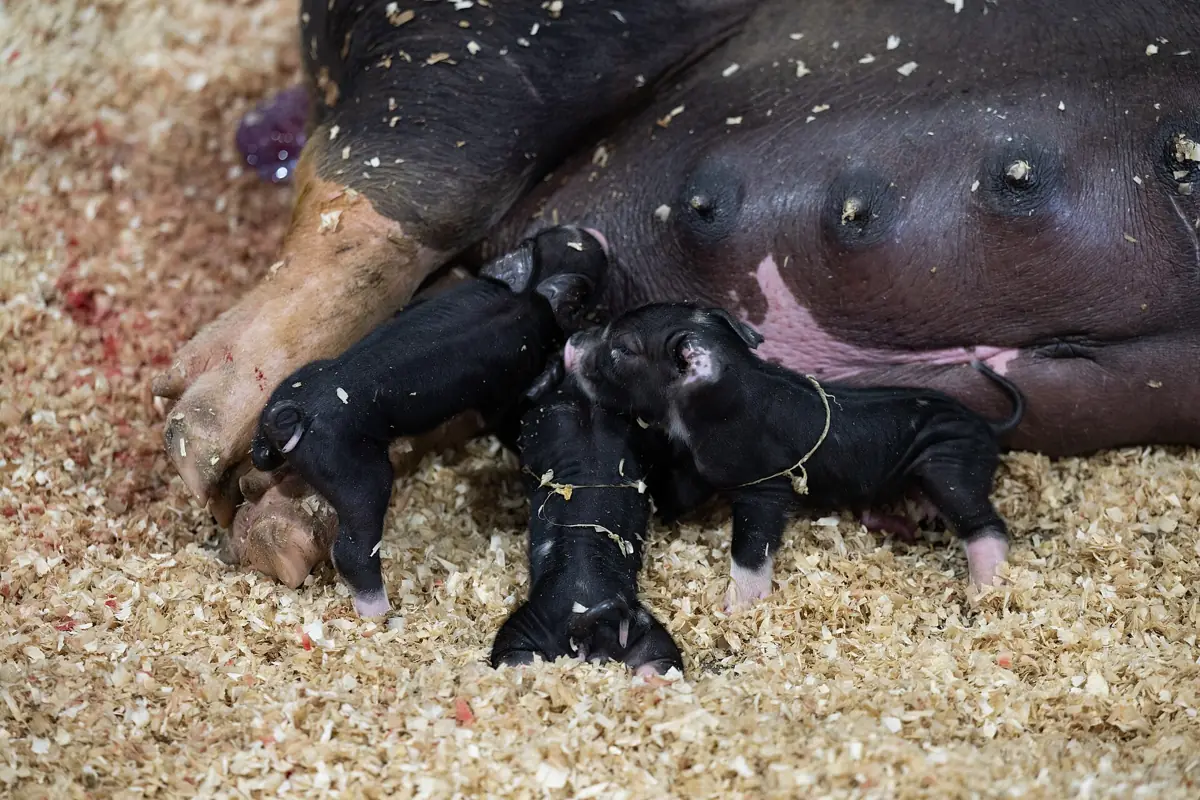
Four days at Agricultural Hall are built around the animals first. Livestock competitions and shows anchor the programme, with animals judged in the ring in the long county-fair tradition, and the working side of farm life gets its own contests alongside the judging. A horse pull tests teams against heavy loads, and a woodsmen competition brings timber skills into the arena. Dog shows give island pets and their handlers a turn in front of a crowd. Two contests carry a distinctly local flavour: the skillet toss, also printed as skillet-throwing, and the shucking contests, which put the island’s shellfishing heritage into competitive form. A guide layer adds pig races to the bill, small livestock at full speed to general delight.
The second half of the event is the carnival. Rides and a midway occupy their own part of the grounds, supplied by the carnival provider under contract to the Society, and the provider’s layer is careful to separate the money: fair admission is charged in addition to ride passes, so a Megapass buys the rides and not the gate. Around those two pillars, the judging ring and the midway, sit the food stalls and the family tradition elements that layers describe as part of the fair’s texture year after year, the eating, meeting and wandering that turn a programme into an occasion.
Planning Your Visit
The single most consequential planning fact of the decade is the weekend itself. A visitor working from memory of the old third-weekend pattern would have arrived a week late in 2026, because the fair ran from Thursday 13 to Sunday 16 August that year after the carnival-driven move described in the History section. The year before, an employee-portal listing layer printed the 2025 edition from Thursday 21 to Sunday 24 August, with hours of ten in the morning to eleven at night from Thursday through Saturday.
Money needs separating by year, because the layers fence their figures to particular editions and the two should not be blended. A detailed guide layer states the 2026 position: fifteen dollars for adults, ten dollars for children, seniors and veterans, and ten dollars for parking. An employee-portal layer prints the same headline figures for the 2025 edition but says expressly that they rest on 2024 prices, and it adds that children under four entered free; that under-four concession belongs to the 2025 listing as printed and is not carried across to 2026 here. Ride money is separate again in both years, since admission never included the carnival passes. A household budgeting for the day should therefore hold three distinct sums in mind: the gate, the parking, and whatever the midway will ask.
A Sample Day at the Fair
A morning arrival puts the livestock judging within easy reach, when the rings are busy and the day’s competitions are still unfolding. Late morning suits the dog show and a first pass along the food stalls, before the grounds fill. The afternoon belongs to the contests: the horse pull and the woodsmen competition for spectators who like effort made visible, and the skillet toss or a shucking contest for something unmistakably of the island. Pig races, where the guide layer’s bill is followed, make a light interlude between sterner competitions. Evening is the midway’s hour, when the carnival lights come on and the rides run late, at least on the Thursday-to-Saturday pattern printed for 2025, when the fair stayed open until eleven at night.
How It Compares
Sharing a home is not the same as sharing an identity, and Agricultural Hall hosts several gatherings that a careless calendar could merge into this one. The Harvest Festival, also styled the Living Local Harvest Fest, occupies the same hall in October and is a different event altogether, an autumn occasion rather than the August fair. The West Tisbury Farmers Market and the Vineyard Artisans Festivals also recur at the hall, and both are separate fixtures with their own rhythms, neither of them the Society’s livestock show and fair. Beyond the hall, August on the island holds other bright occasions, among them Illumination Night in Oak Bluffs and the Oak Bluffs fireworks, but those are evening events in another town and share nothing with the fair beyond the month.
The sharper comparison is between the fair’s own recent editions. The 2025 fair kept the traditional third weekend of August; the 2026 fair, under a new carnival provider on a five-year contract, shifted a week earlier and carried a new edition number, the one hundred and sixty-fourth. Same hall, same Society, same mixture of judging ring and midway, but a different weekend and a different carnival company behind the rides.
A Fair-Day Checklist
- Confirm which August weekend the Society’s calendar carries before booking any travel.
- Keep gate money, parking money and ride money as three separate sums.
- Remember that ride passes never included admission in the layers read.
- Treat the children-under-four concession as a 2025 listing detail, not a standing rule.
- Arrive in the morning for the livestock judging and the fullest programme.
- Set aside afternoon time for the horse pull, the woodsmen competition and the skillet toss.
- Leave the evening open for the midway, when the carnival is at its brightest.
- Do not confuse the fair with the October harvest event at the same hall.
Beyond the Fairgrounds
Agricultural Hall does not fall silent when the fair’s four days end. The farmers market returns to the hall on its own schedule, the artisans festivals bring makers back through the same doors, and October brings the separate harvest celebration to the grounds. A visitor whose trip misses the fair can still stand in the hall that houses it, though the judging rings, the midway and the crowds will be absent. Elsewhere on the island, the August calendar continues with occasions such as Illumination Night in Oak Bluffs, where lanterns rather than livestock draw the crowd, and the Oak Bluffs fireworks over the water. Each of those events rewards attendance on its own terms, and none should be mistaken for the West Tisbury fair.
Why the Fair Matters
An agricultural society founded in 1858 that still stages its show and fair every August is a thread of continuity running through island life. The fair preserves skills that modern farming and fishing have partly mechanised away, the handling of draft horses, the speed of a practised shucker, the judgement of livestock by eye, and puts them in front of an audience that includes children who may never see them at work. Its edition numbering, reaching the one hundred and sixty-fourth fair in 2026, marks it as one of the island’s oldest recurring gatherings. The weekend move that year showed the institution adapting to circumstance, changing the carnival contract and the calendar rather than surrendering either, while the programme on the ground stayed recognisably itself.
Frequently Asked Questions
What do programmes and listings call this event?
Published layers call it the Martha’s Vineyard Agricultural Fair, or in full the Martha’s Vineyard Agricultural Society Livestock Show & Fair, with Martha’s Vineyard Fair and The Ag Fair as short forms. The word Festival appears in none of those printed names, so the sheet title works as a label for finding the event rather than as its name.
Why did the fair leave its traditional August weekend in 2026?
The carnival company that had served the fair for roughly fifty years did not renew its arrangement, and the Society signed a five-year contract with a new provider on 30 June. The replacement company’s schedule required the second full weekend of August, so the 2026 fair moved a week earlier than its traditional third-weekend slot.
Which admission figures belong to which year?
A detailed guide layer gives the 2026 figures as fifteen dollars for adults and ten dollars for children, seniors and veterans, with parking at ten dollars. An employee-portal layer prints the same gate figures for 2025 while stating that they rest on 2024 prices, and adds free entry for children under four. The two years are reported separately here and are not merged.
Does a ride pass cover entry to the fair itself?
No. The carnival provider’s layer notes that fair admission is charged in addition to ride passes, and the Megapass prices printed in the layers are ride prices only. A visitor needs gate admission first and ride money second, and the two purchases should never be treated as one.
What to Expect From the Next Dukes Massachusetts Martha’s Vineyard Agricultural Festival
How often is Dukes Massachusetts Martha’s Vineyard Agricultural Festival held?
The Agricultural Society organises its fair every August, and the rhythm is documented across the layers through edition numbers as well as dates, with the count reaching the one hundred and sixty-fourth fair in 2026. Each year’s gathering runs for four days, from a Thursday through a Sunday.
When is the next Dukes Massachusetts Martha’s Vineyard Agricultural Festival?
The Society’s calendar, as printed in the guide and realty-blog layers, expects the one hundred and sixty-fifth fair on 12 to 15 August 2027. Those dates continue the pattern adopted in 2026, sitting in the earlier part of the month rather than on the traditional third weekend.
Will the dates change?
They have already changed once, when the 2026 fair moved from the third full weekend of August to the second because of the new carnival provider’s schedule. The printed calendar holds the 2027 fair on 12 to 15 August, in the same part of the month, so the move reads as a settled shift rather than a one-year experiment, though any future change would be the Society’s to announce.
For a sheet title that no programme prints, this fair leaves an unusually full paper trail: a Society dating to 1858, a numbered run of fairs past one hundred and sixty, a carnival changing of the guard, and a calendar already looking toward August 2027. Under any of its real names, the Ag Fair remains the island’s great August gathering.