St. Landry Parish Louisiana Holy Ghost Creole Festival
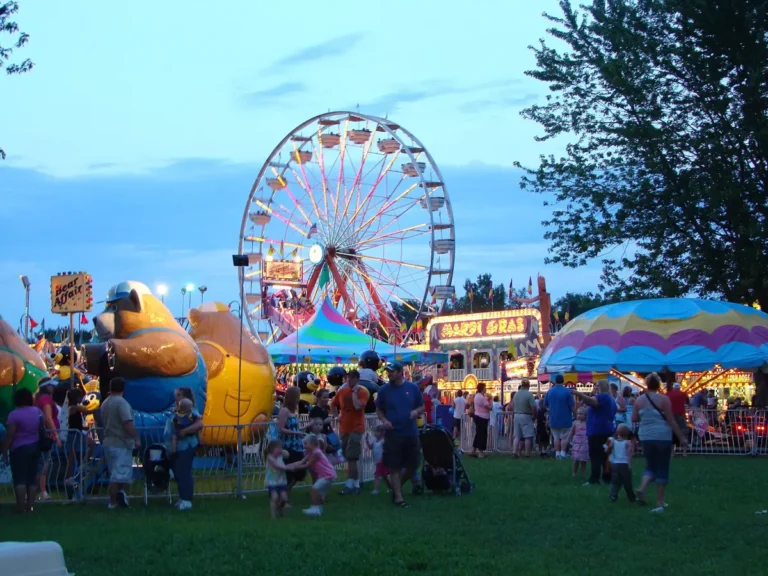
On the first full weekend of November, the grounds of Holy Ghost Catholic Church in Opelousas fill with the sounds of gospel hymns and Creole and zydeco music, the smell of fried catfish and backbone stew, and neighbours greeting one another by name. The Holy Ghost Creole Festival, also billed in church bulletins simply as the Creole Festival, is a parish gathering built around food, faith, music and family, and it has kept that shape for around three decades. Visitors come for the parade, the dinner plates, the raffle, and a weekend inside one of the region’s oldest Black Catholic communities. This guide sets out what the layers document: its dated editions, its programme, its free admission, and the history of the parish that hosts it.
About
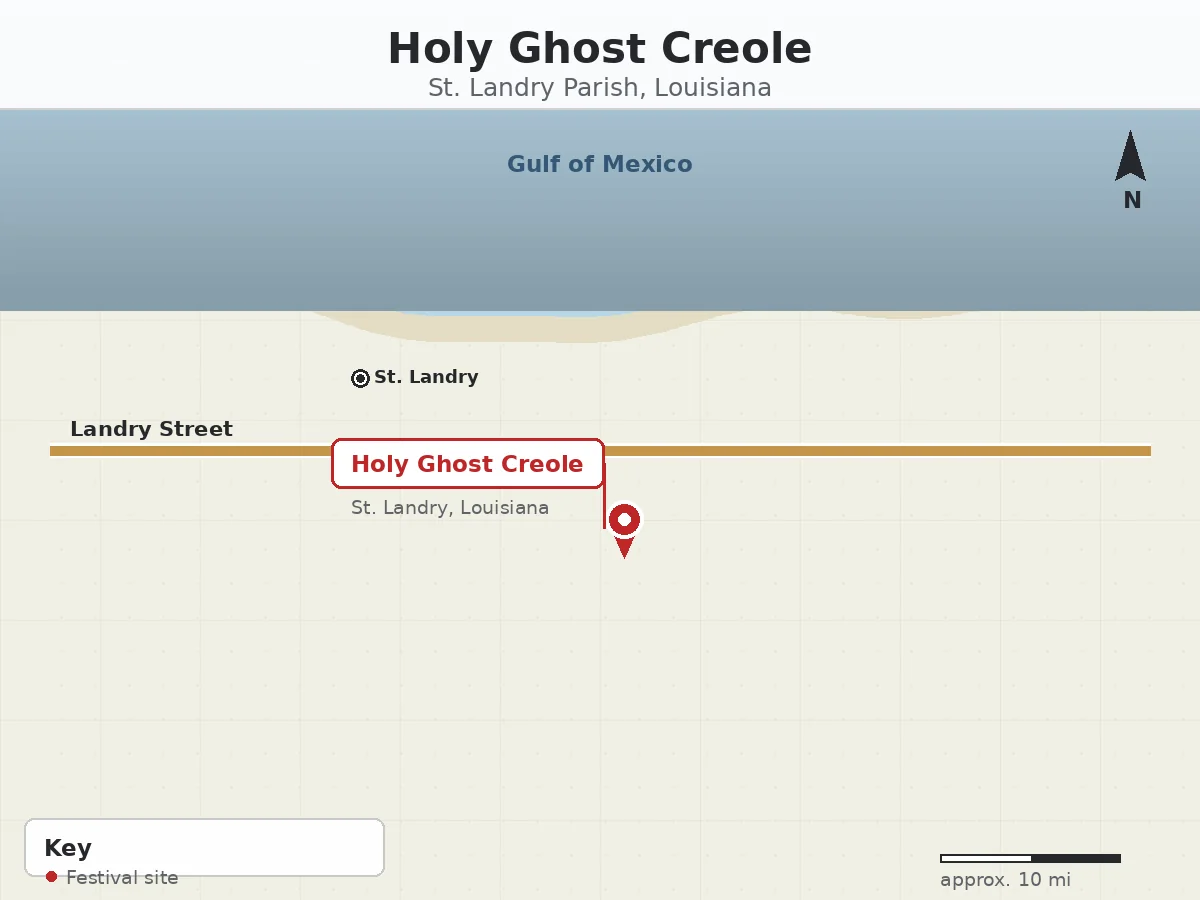
The Holy Ghost Creole Festival takes place on the grounds of Holy Ghost Catholic Church in Opelousas, which is the parish seat of Saint Landry Parish. The church organises the festival, and the celebration carries the church’s name in its published form, “Holy Ghost Creole Festival”. Church bulletins also bill the weekend as the “Creole Festival”, and both forms refer to the same gathering. The festival runs across a Friday, a Saturday and a Sunday on the first full weekend of November. Friday opens with fried catfish and gospel hymns sung by the church’s choir groups. Saturday brings live Creole and zydeco music, backbone stew and barbecue pork steak, and a dinner service that draws long lines. Sunday closes with the Creole Festival Parade, which travels from Landry Street to Union Street, and with the raffle that ends the weekend.
Admission to the festival grounds is free, according to a state magazine layer and a festival-directory layer. Dinner tickets are a separate element charge, priced at twelve dollars per dinner in the two thousand twenty-six edition, as printed on the church’s own site. The 5K run and one-mile fun walk, held on the Saturday of the festival weekend in the two thousand twenty-three edition, are part of the programme rather than a gate charge. The festival is a community fundraiser and a homecoming at once, drawing former parishioners back to Opelousas for the weekend and giving local cooks, musicians and vendors a stage. The weekend is organised by a single church community, and the people serving the food and singing the hymns worship there through the year.
Quick Facts
| Detail | Information |
| Festival | Holy Ghost Creole Festival, also billed Creole Festival |
| Host town | Opelousas, parish seat of Saint Landry Parish |
| Venue | Holy Ghost Catholic Church grounds, Opelousas |
| Organiser | Holy Ghost Catholic Church |
| Timing | First full weekend of November |
| Recent editions | 3–5 November 2023; 1–4 November 2024; 7–9 November 2025; 6–8 November 2026 |
| Admission | Free; dinner tickets twelve dollars per dinner in 2026 |
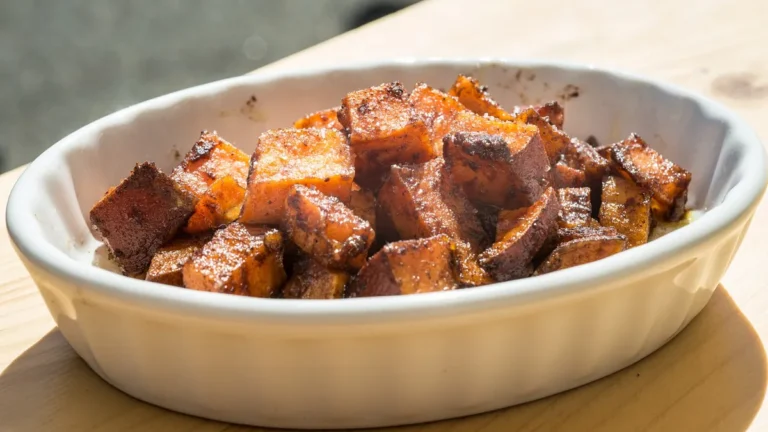
| Signature foods | Fried catfish, backbone stew, barbecue pork steak |
| Closing event | Creole Festival Parade from Landry Street to Union Street |
| Parish founded | Holy Ghost Parish founded in 1920 |
History
Holy Ghost Parish was founded in 1920, and that date belongs to the parish, not to the festival, which is younger than the church community that hosts it; the layers read give no festival founding year. A festival-directory layer reports that the festival has run on the first full weekend of November for around three decades, which places its beginnings in the nineteen nineties, but no layer names a first year, and none is invented here. The most precise billing in the record is the twenty-ninth annual edition, held 3–5 November 2023, and that billing is carried as printed, without arithmetic that would turn it into a founding date.
The four dated editions in the layers read show a festival that has settled into a stable rhythm. The twenty-ninth annual edition ran 3–5 November 2023, with the 5K run and one-mile fun walk on Saturday 4 November and the parade on Sunday 5 November. The two thousand twenty-four edition ran 1–4 November 2024, spanning four days. The two thousand twenty-five edition ran 7–9 November 2025. The two thousand twenty-six edition was set for 6–8 November 2026. Across those editions the shape of the weekend barely changes: Friday catfish and hymns, Saturday music and dinner, Sunday parade and raffle. Holy Ghost Catholic Church has served the Black Catholic community of Opelousas for more than a century, and the festival grew out of that community’s life rather than out of a tourism plan. The Creole heritage the festival celebrates is the heritage of the families who built the parish: French-speaking, Catholic, rooted in the prairie parishes of south Louisiana, and accustomed to marking the year with shared meals and shared song.
For a useful comparison, see the St. Landry Parish Louisiana Sweet Dough Pie Festival for another county festival.
What to Expect
A weekend at the Holy Ghost Creole Festival moves at the pace of a church homecoming. Friday evening opens quietly, with fried catfish served on the grounds and gospel hymns rising from the church’s choir groups. The music on Friday is devotional rather than dance music, and the mood is one of welcome: old friends find one another, children run across the grounds, and the first plates of the weekend are passed hand to hand. Saturday is the fullest day. Live Creole and zydeco music plays through the afternoon, and the food lines grow long around backbone stew and barbecue pork steak. The dinner service is the centrepiece of Saturday, and dinner tickets are sold separately from the free admission to the grounds. Vendors and raffle tables line the grounds, and the 5K run and one-mile fun walk, when scheduled, add an early-morning athletic note to the day.
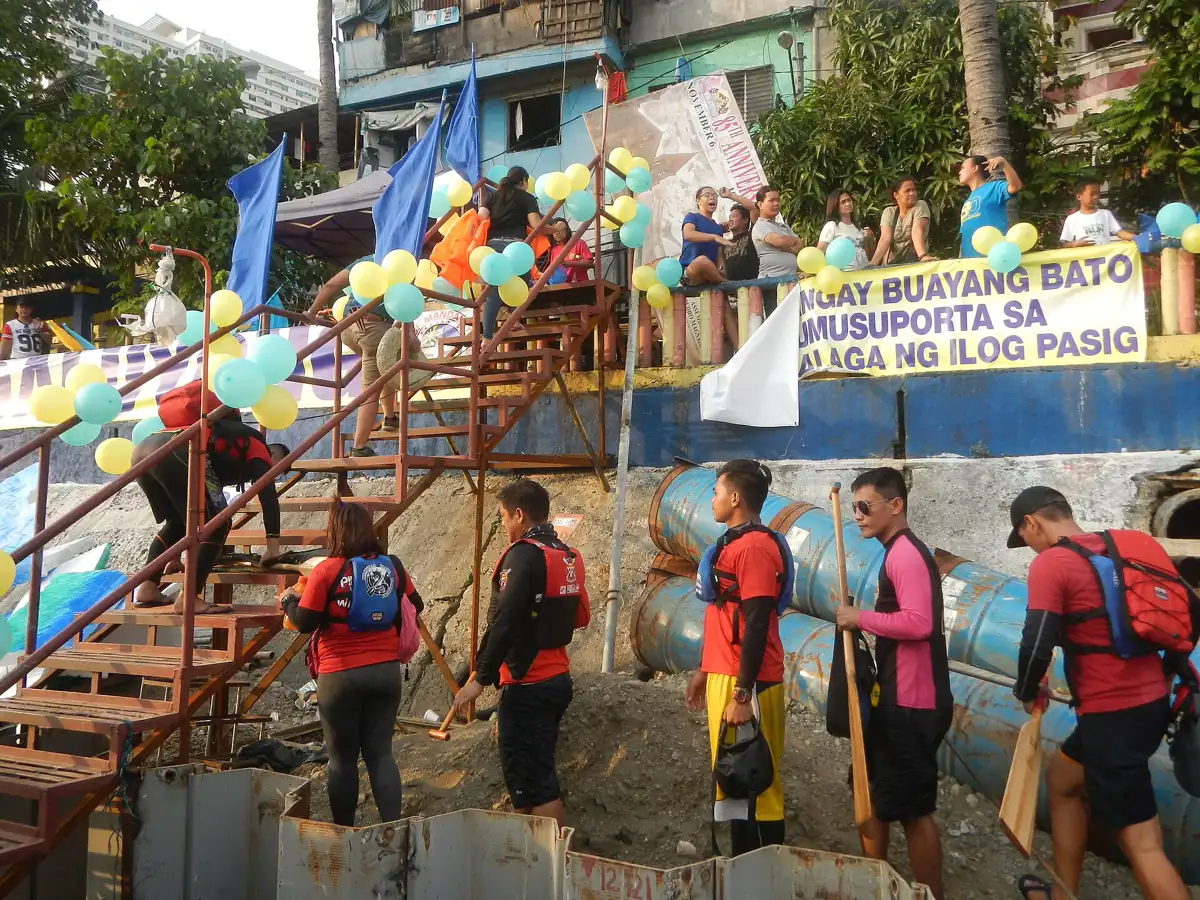
Sunday brings the Creole Festival Parade, which steps off from Landry Street and travels to Union Street. The parade is a neighbourhood procession: church groups, school groups, local bands and decorated vehicles moving through streets the crowd knows by heart. The raffle, which runs through the weekend, is drawn before the festival closes, and the grounds empty slowly as families pack up chairs and leftover plates. The pleasures are simpler: a plate of backbone stew eaten standing up, a hymn sung by a choir that has sung together for years, a parade that passes close enough to touch.
Planning Your Visit
The festival is held on the first full weekend of November, and the dated editions in the record fall in the first days of that month, so early November is the time to plan around. Opelousas sits at the crossroads of the prairie parishes, and the church grounds are in town, within easy reach of the parish seat’s main streets. Because admission to the grounds is free, the main costs of a visit are travel, lodging and food, and the dinner ticket is the one priced element on the grounds, at twelve dollars per dinner in the two thousand twenty-six edition. Visitors who want a dinner plate should arrive in good time on Saturday, since the dinner service is the most popular part of the weekend and the lines form early.
Dress for a November weekend outdoors in south Louisiana, which can run warm in the afternoon and cool after dark, and bring a folding chair if you plan to settle in for the Saturday music. Parking is on the streets around the church grounds, and the Sunday parade route along Landry Street to Union Street draws crowds to the kerbs, so arriving early on Sunday gives a better view. Allow time to look at the church itself, whose parish dates to 1920.
A Sample Itinerary
Friday evening begins with arrival on the church grounds in time for the fried catfish supper and the gospel hymns of the choir groups. Take a plate, find a seat near the music, and let the first evening set the tone: this is a homecoming, and newcomers are welcomed into it. Saturday morning opens with the 5K run and one-mile fun walk when scheduled. Midday Saturday is for the food: backbone stew and barbecue pork steak, with a dinner ticket bought in advance if you plan to eat at the dinner service. The afternoon belongs to the live Creole and zydeco music, and the hours between sets are for the raffle tables and the vendors. Saturday evening winds down with the last songs and the last plates, and an early night sets up Sunday well. Sunday morning is for the parade: take a place along Landry Street, watch the procession travel toward Union Street, and stay for the raffle drawing that closes the weekend before the drive home.
How It Compares
Set beside the larger Creole and zydeco festivals of south Louisiana, the Holy Ghost Creole Festival is small, church-centred and free to enter, and those three qualities define it. The Southwest Louisiana Zydeco Festival and the big parish fairs draw crowds in the tens of thousands and charge for entry or for rides; this festival draws a parish community and charges nothing at the gate. Its programme is narrower, too: three days built around a single church’s kitchen, choir and parade, rather than a multi-stage lineup. What it offers instead is intimacy. The cooks are parishioners, the singers are choir members, and the parade marches through streets where the crowd knows the marchers. Visitors who want to sit close to a living Creole Catholic tradition, eat food cooked by the people who worship in the church, and hear gospel hymns give way to zydeco in the same weekend will find that here, and nowhere else in quite this form.
A Visitor Checklist
- Check the first full weekend of November for the current edition’s dates before travelling.
- Arrive early on Saturday for the dinner service, since dinner tickets are a separate charge and the lines form early.
- Bring a folding chair for the Saturday music and the Sunday parade.
- Dress in layers for a November weekend outdoors, warm by day and cooler after dark.
- Carry cash for the raffle, the vendors and the dinner tickets.
- Take a place along Landry Street in good time for the Sunday parade to Union Street.
- Leave room in the day to look at the church grounds and the parish that hosts the festival.
- Plan lodging in Opelousas, the parish seat, so the church grounds are a short trip away.
Beyond the Festival
Opelousas rewards a longer stay. As the parish seat of Saint Landry Parish, the town holds the parish courthouse and the historic streets of a community that predates Louisiana statehood, and its Creole heritage runs through its food, its music and its churches. The prairie parishes around it offer more of the same: small-town festivals, zydeco dance halls, and kitchens serving the dishes that appear on the festival grounds. Visitors who stay an extra day can drive the back roads of Saint Landry Parish, eat in the town’s Creole restaurants, and hear live zydeco in the clubs that keep the music alive through the year. The festival is a doorway into that wider culture, and the weekend works best as the start of an exploration rather than the whole of it.
Why It Matters
The Holy Ghost Creole Festival matters because it keeps a community’s heritage in the hands of the community itself. Holy Ghost Parish has served Opelousas since 1920, and the festival is the parish’s own celebration of the Creole culture its families have carried for generations. The food on the grounds is the food of those families: fried catfish, backbone stew, barbecue pork steak, cooked by parishioners rather than by outside vendors. The music moves from gospel hymn to Creole and zydeco in a single weekend, tracing the same path the community’s own musical life has taken. The parade from Landry Street to Union Street is a public statement that this heritage belongs on the town’s main streets, not only inside the church walls. A church festival that has run on the first full weekend of November for around three decades is a steady thing, and its steadiness is the point. It gathers the same people, in the same place, at the same time of year, and it passes the work of cooking, singing and marching to the next generation.
Frequently Asked Questions
Is there an admission charge for the festival grounds?
No. Admission to the grounds is free, according to a state magazine layer and a festival-directory layer. Dinner tickets are a separate element charge, priced at twelve dollars per dinner in the two thousand twenty-six edition.
Which dishes should a first-time visitor try?
Friday’s fried catfish opens the weekend, and Saturday’s backbone stew and barbecue pork steak are the signature plates of the dinner service. All three are cooked on the church grounds by the parish community.
When does the Sunday parade take place?
The Creole Festival Parade runs on the Sunday of the festival weekend, travelling from Landry Street to Union Street. In the two thousand twenty-three edition it was held on Sunday 5 November, the closing day of the weekend.
Does the festival include a run or walk?
Yes. The two thousand twenty-three edition included a 5K run and a one-mile fun walk on Saturday 4 November. The run and walk are part of the programme rather than a gate charge.
What to Expect From the Next St. Landry Parish Louisiana Holy Ghost Creole Festival
How often is St. Landry Parish Louisiana Holy Ghost Creole Festival held?
The festival is held on the first full weekend of November, and the dated editions in the record show it returning in that slot year after year, from the twenty-ninth annual edition in two thousand twenty-three through the edition set for 6–8 November 2026.
When is the next St. Landry Parish Louisiana Holy Ghost Creole Festival?
The most recent dated edition in the layers read was set for 6–8 November 2026. The next edition after that would fall on the first full weekend of November in the following year, and visitors should confirm the current year’s dates before travelling.
Will the dates change?
The festival has held the first full weekend of November across the editions documented in the layers read, and the dated editions from two thousand twenty-three through two thousand twenty-six all sit in the first days of November. Visitors should still confirm the current year’s dates before travelling.
The Holy Ghost Creole Festival is a small, steady, church-centred celebration, and its appeal lies in exactly that. For around three decades it has gathered the parish community of Opelousas on the first full weekend of November, fed its neighbours, sung its hymns, marched its parade from Landry Street to Union Street, and sent its visitors home with a fuller sense of what Creole life in Saint Landry Parish means. Anyone who comes for the catfish on Friday, the stew on Saturday and the parade on Sunday will leave understanding why the festival endures.