St. Bernard Parish Louisiana Islenos Fiesta Festival
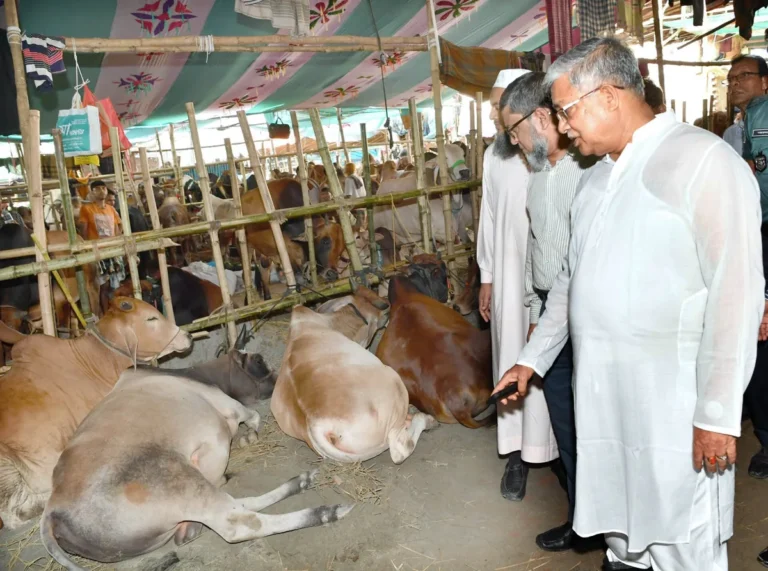
On a March weekend, the Los Isleños Museum Complex fills with folk music carried across the Atlantic centuries ago, and the community of Saint Bernard gathers to honour the Canary Islanders who made this corner of Louisiana home. The gathering is published as Los Isleños Fiesta, and also as La Fiesta de los Isleños, two names for one celebration of food, music, craft and living history. Visitors walk between museum buildings and open grounds, taste Spanish dishes prepared on site, watch dancers in traditional dress, and meet the people who keep Isleño customs alive.
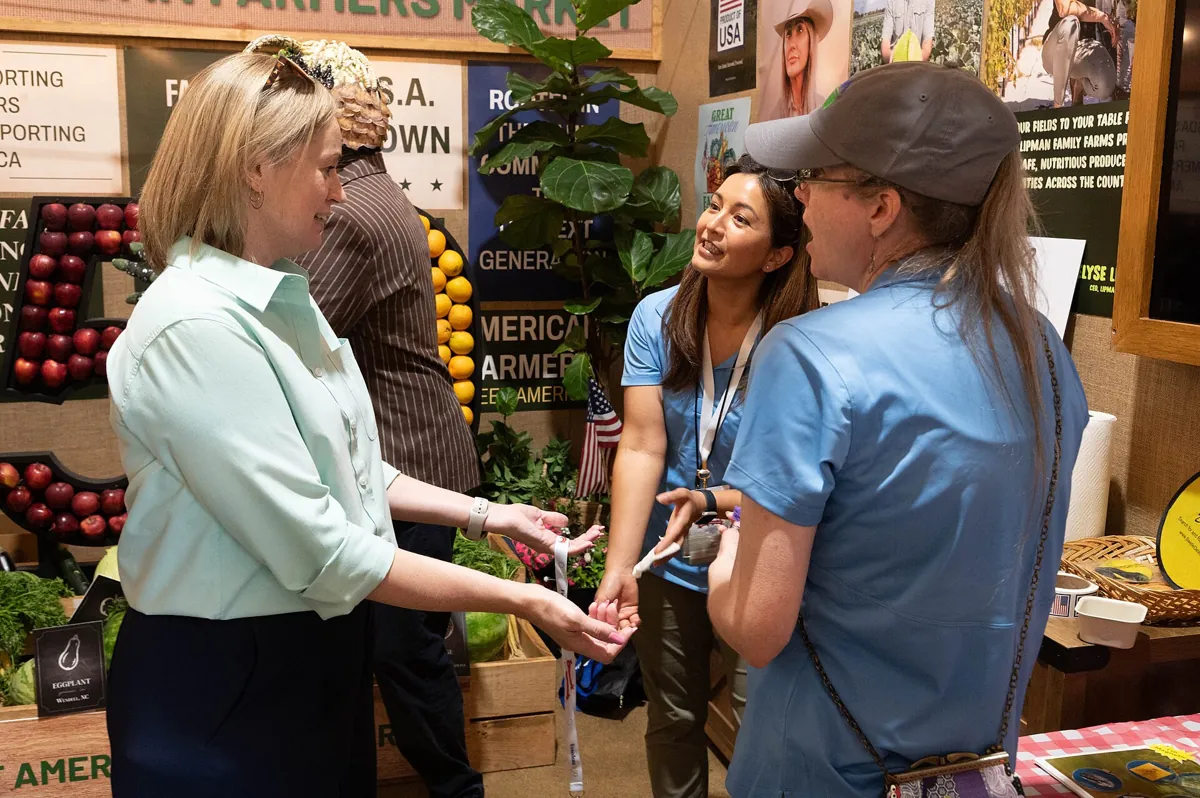
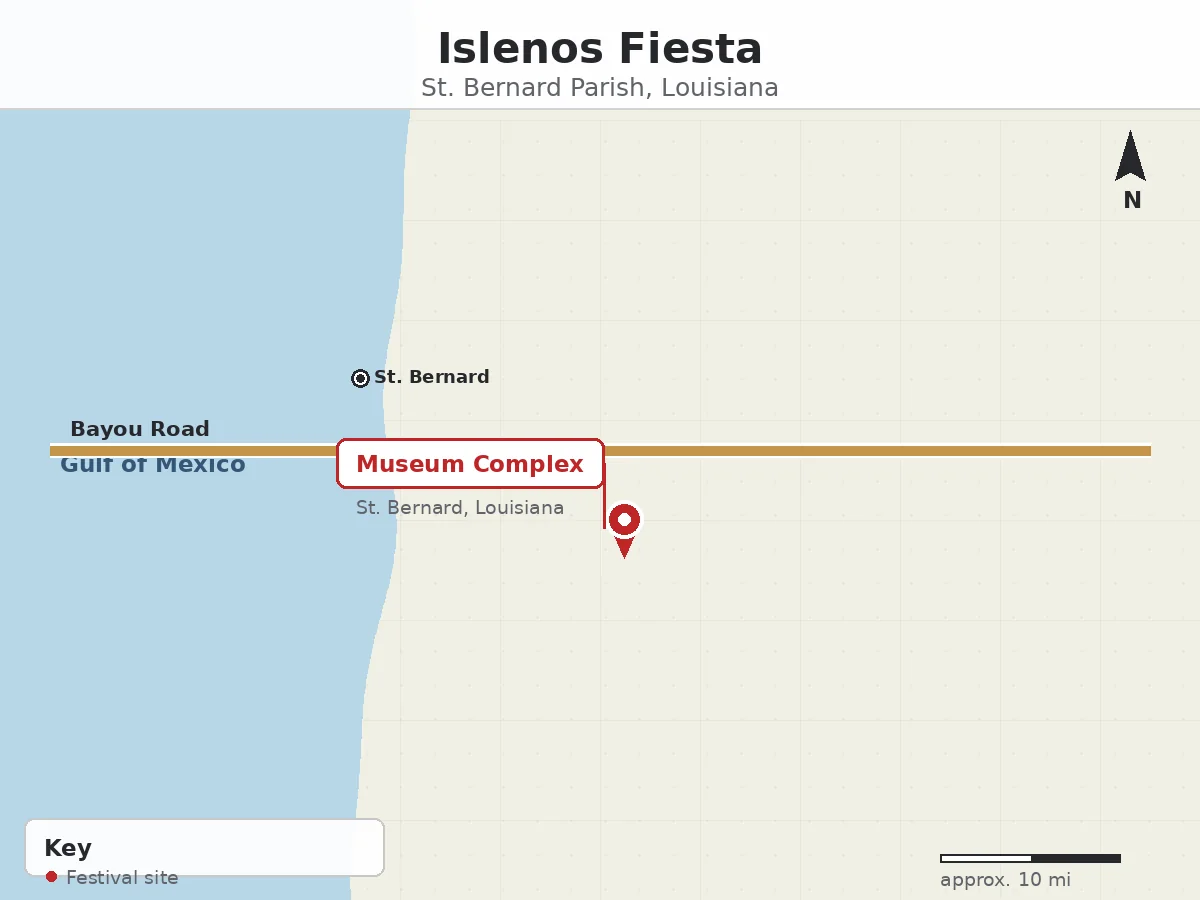
The fiesta belongs to a small community rather than a large city, and its scale suits its setting. The museum complex sits on Bayou Road, with the Frank M. Fernández, Jr. Isleño Center anchoring the site. Families arrive for the music and the food, and neighbours return year after year.
About
Los Isleños Fiesta is the spring celebration of the Isleño community in Saint Bernard Parish, held at the museum complex that preserves the community’s heritage. Its published names carry the Spanish spelling with the tilde: Los Isleños Fiesta and La Fiesta de los Isleños. The sheet title, Saint Bernard Parish Louisiana Islenos Fiesta Festival, is never printed as the event’s name, so the body of this article uses the published forms and says so plainly.
The host town is the community of Saint Bernard itself, a settlement along Bayou Road rather than the parish seat. Chalmette holds the seat of Saint Bernard Parish, while the fiesta takes place in the community that shares the parish’s name. The museum complex lies in the place where Isleño families settled and where their descendants still live.
The venue is the Los Isleños Museum Complex, on Bayou Road in Saint Bernard, including the Frank M. Fernández, Jr. Isleño Center. The complex preserves the houses, tools and records of the Canary Island settlers, and the fiesta turns those grounds into a working celebration: music on the grounds, food stalls, craft displays, and a Living History Village where traditional skills are shown at work.
For a useful comparison, see the St. Bernard Parish Louisiana Salutes America Festival for another county festival.
The organiser is the Los Isleños Heritage and Cultural Society of Saint Bernard, the body that cares for the museum complex and keeps the fiesta going. The society was founded in 1976, and its work stretches beyond the fiesta weekend to the year-round preservation of Isleño language, food, music and craft. The fiesta is the society’s most public expression of that work.
Quick Facts
| Detail | Information |
| Published names | Los Isleños Fiesta; La Fiesta de los Isleños |
| Host community | Saint Bernard, Louisiana |
| Parish seat | Chalmette |
| Venue | Los Isleños Museum Complex, Bayou Road, Saint Bernard |
| Organiser | Los Isleños Heritage and Cultural Society of Saint Bernard |
| Most recent edition | Fiftieth annual, Saturday–Sunday 7–8 March 2026 |
| Previous edition | Forty-eighth annual, Saturday–Sunday 15–16 March 2025 |
| Admission | Five dollars per person; children twelve and under free |
| Centrepiece | Folkloric group from the Canary Islands |
| Signature dishes | Caldo, paella, ropa vieja, arroz con pollo, croquetas, flan |
History
The fiesta celebrates the Canary Islanders, known as Isleños, who settled Saint Bernard between 1778 and 1783. Families from the Canary Islands crossed the Atlantic under Spanish rule and built homes along the bayous below New Orleans, bringing their language, their Catholic faith, their food and their music with them. Over the generations, the community kept its Spanish speech and customs alive among French and English neighbours, and the fiesta grew from the wish to show that heritage to the wider parish.
The organising society was founded in 1976, and the fiesta’s annual billings are recorded as printed, never converted into a founding year for the event itself. The layers record a forty-first annual edition held on Saturday and Sunday, the ninth and tenth of March, with no year fixed in the layer that states it. Later editions carry firmer dates: the fiesta ran on Saturday and Sunday, the second and third of March 2024; the forty-eighth annual edition fell on Saturday and Sunday, the fifteenth and sixteenth of March 2025; and the fiftieth annual edition was held on Saturday and Sunday, the seventh and eighth of March 2026.
The 2025 edition shows how weather can reshape a weekend. Saturday was cancelled for severe weather, and the fiesta went ahead on Sunday alone, from eleven in the morning to nine in the evening. The Sunday gathering kept the music, the food and the Living History Village.
No fiesta was held in 2020. The gap stands in the record without further explanation in the layers read, and the editions on either side of it carry the annual billings forward. The fiftieth annual billing in 2026 marks a milestone for a celebration that still draws its strength from the settlement story at its heart.
The Saint Bernard Irish Italian Isleños Parade in Chalmette is a separate event, a parade rather than the fiesta, and it does not form part of this celebration. One festival-listing page carrying a 2026 date is not treated as a source here.
What to Expect
Music opens the weekend and carries it. Traditional folk music and dance from the Canary Islands fill the museum grounds, and a folkloric group from the Canary Islands stands as the cultural centrepiece of the programme. Dancers in traditional dress perform steps their grandparents taught them.
The Living History Village gives the fiesta its second anchor. Living-history displays show traditional folklife and folkcraft as practised skills: hands at work, tools in use, and craftspeople ready to explain their work. The village turns the museum’s collection into a living place.
Food is the third anchor of the weekend. Spanish dishes are prepared on the grounds, including caldo, paella, ropa vieja, arroz con pollo, croquetas, flan and sangria. The dishes come from the Canary Island kitchen the settlers brought with them, and the stalls serve them alongside arts and crafts and local vendors.
The grounds themselves reward a slow walk. Museum buildings stand open, the Isleño Center anchors the site, and the space between the buildings fills with stalls, music and conversation. In 2025, Saturday hours ran from eleven in the morning to ten in the evening, and Sunday hours from eleven in the morning to nine in the evening.
Planning Your Visit
Arrive with the museum complex in mind rather than a single hall. The fiesta spreads across the Los Isleños Museum Complex on Bayou Road, so comfortable shoes and time to wander matter more than a fixed seat. The grounds are open-air, and the March weather in Saint Bernard Parish can shift quickly, as the cancelled Saturday of 2025 showed, so a light layer is worth carrying.
Admission is five dollars per person, with children twelve and under free, fenced to the 2025 and 2026 layers. Bring cash as well as a card, because food stalls and craft vendors may take one and not the other.

The most recent editions fell in early March: the fiftieth annual on Saturday and Sunday, the seventh and eighth of March 2026, and the forty-eighth on Saturday and Sunday, the fifteenth and sixteenth of March 2025. Plan for a full day rather than an hour, because the music, the Living History Village and the food each deserve unhurried time.
The complex sits in the community of Saint Bernard, outside Chalmette, so allow time for the drive from the parish seat or from New Orleans. Arriving near the opening hour gives the quietest walk through the Living History Village before the crowds gather.
A Sample Itinerary
A first visit works best as a slow loop around the grounds rather than a race between stages. Arrive near eleven in the morning, when the fiesta opens, and begin at the Living History Village while the demonstrators have time to talk. Watch a craft take shape before the afternoon crowds arrive.
Move from the village to the food stalls for a midday meal. Taste caldo first, then share paella or ropa vieja, and save room for croquetas and flan. The Spanish dishes are the fiesta’s table. A shared plate lets a group sample more of the menu than a single serving allows.
Spend the afternoon with the music. Find a place near the performance area and listen to the folk music and dance from the Canary Islands. Between sets, browse the arts and crafts stalls and the local vendors.
Close the day with a second pass through the grounds as the evening settles. The light softens over Bayou Road, the music carries further in the cooling air, and the stalls take on a different character after the midday rush. Leave with time to spare for the drive back toward Chalmette or New Orleans.
How It Compares
Louisiana holds many food and music festivals, and the Isleños Fiesta stands apart by the narrowness of its story. Most parish festivals celebrate a crop, a catch or a season; this one celebrates a single migration, the Canary Islanders who settled Saint Bernard between 1778 and 1783, and every part of the programme traces back to that crossing. The food is Spanish, the music is Canarian, and the Living History Village shows the crafts the settlers carried with them.
Other heritage festivals in the state share the shape — a museum, a weekend, a programme of music and food — but few tie their grounds so closely to their subject. The Los Isleños Museum Complex is not a borrowed venue; it is the home of the heritage the fiesta honours, and the Isleño Center stands on the same ground where the celebration happens.
The scale is smaller than the great New Orleans festivals, and that is part of its appeal. There is no crush of crowds, no long walk between distant stages, and the demonstrators in the Living History Village have time to talk. Visitors who want to hear a song their ancestors might have sung, and to taste the food of a small Atlantic island chain, will find it here.
Checklist
- Arrive near the opening hour for the quietest walk through the Living History Village
- Bring cash as well as a card for food stalls and craft vendors
- Carry a light layer, since March weather on Bayou Road can shift quickly
- Taste caldo, paella and ropa vieja, and save room for croquetas and flan
- Watch the folkloric group from the Canary Islands, the cultural centrepiece
- Allow time for the drive from Chalmette or New Orleans
- Admission: five dollars, children twelve and under free
Beyond the Fiesta
The museum complex rewards a visit outside the fiesta weekend as well. The Los Isleños Museum Complex preserves the houses, tools and records of the Canary Island settlers, and a quieter day on the grounds lets a visitor study the collection without the crowds. The Frank M. Fernández, Jr. Isleño Center anchors the site, and its exhibits carry the settlement story.
Saint Bernard Parish holds more than the fiesta, and a weekend trip can stretch to the parish’s other landmarks. Chalmette, the parish seat, sits nearby, and the drive along Bayou Road passes the waterways and marshes that shaped the settlers’ lives.
The organising society’s work also continues through the year. The Los Isleños Heritage and Cultural Society of Saint Bernard cares for the museum, keeps the language and music alive, and gathers the community beyond the March weekend.
Why It Matters
The fiesta matters because it keeps a small heritage visible in a state full of larger stories. The Isleños number among Louisiana’s smaller settler communities, and their Spanish speech and Canarian customs could easily have faded into the French and English cultures around them. The fiesta, the museum and the society together hold that heritage in public view.
The celebration also matters to the families who carry it. Descendants of the settlers between 1778 and 1783 still live in Saint Bernard, and the fiesta is their gathering as much as a public event. The music, the food and the Living History Village are not performances for outsiders alone; they are the community’s own customs, shared with visitors.
For the wider parish, the fiesta is a reminder that Louisiana’s story is wider than its best-known chapters. The Canary Island crossing is one thread among many, and the weekend at the museum complex gives that thread a place, a sound and a taste.
Frequently Asked Questions
What makes the Isleños Fiesta different from other Louisiana heritage weekends?
The fiesta celebrates a single migration: the Canary Islanders who settled Saint Bernard between 1778 and 1783. Its food is Spanish, its music is Canarian, and its Living History Village shows the crafts the settlers carried with them.
Which published name should a visitor look for when searching for the fiesta?
Look for Los Isleños Fiesta or La Fiesta de los Isleños. The sheet title is never printed as the event’s name, so listings and posters carry the published Spanish forms.
What happened to the Saturday of the 2025 edition?
Saturday the fifteenth of March 2025 was cancelled for severe weather. The fiesta went ahead on Sunday the sixteenth, from eleven in the morning to nine in the evening.
What should families with young children plan around at the fiesta?
Children twelve and under enter free, with admission at five dollars per person otherwise, fenced to the 2025 and 2026 layers. The Living History Village gives children hands-on displays, and the food stalls offer dishes a family can share.
What to Expect From the Next St. Bernard Parish Louisiana Islenos Fiesta Festival
How often is St. Bernard Parish Louisiana Islenos Fiesta Festival held?
The fiesta is an annual March weekend at the Los Isleños Museum Complex. The fiftieth annual edition was held on Saturday and Sunday, the seventh and eighth of March 2026, and the forty-eighth on Saturday and Sunday, the fifteenth and sixteenth of March 2025.
When is the next St. Bernard Parish Louisiana Islenos Fiesta Festival?
The record carries the fiesta as far as the fiftieth annual gathering, held on the seventh and eighth of March 2026, and the next edition’s dates will come from the organising society’s own announcements.
Will the dates change?
March has held the fiesta across the documented editions, from the second and third of March 2024 to the seventh and eighth of March 2026, with the weekend shifting a little from year to year. Weather has reshaped a day before, as the cancelled Saturday of 2025 showed.
The Los Isleños Fiesta is a small celebration with a long memory. It gathers a community around the music, food and crafts of the Canary Islanders who settled Saint Bernard between 1778 and 1783. The settlement story it honours began more than two centuries ago, and the fiesta keeps it within reach. The fiftieth annual edition in March 2026 marked a milestone, and the museum complex on Bayou Road will be waiting when the next March weekend arrives.