Orleans Parish Louisiana Oak Street Po-Boy Festival
Oak Street in the Carrollton neighbourhood of Uptown New Orleans spends most of the year as a working commercial strip, where a bakery, a bookshop, a bar and a po-boy counter sit within a short stroll of one another. For one Sunday each November the street changes character entirely. The traffic gives way to stages, vendor tents and an arts market, the smell of fried seafood and slow-roasted beef drifts from stall to stall, and visitors move along the pavement tasting dozens of versions of the sandwich that New Orleans claims as its own. The Oak Street Po-Boy Festival, published in layers as the Oak Street Po-Boy Festival and the Oak Street Po-boy Festival, turns a neighbourhood high street into a single-day celebration of a sandwich and the community that keeps the street alive. Entry is free, music runs from several stages, and the heart of the day is one question: which po-boy deserves the title of best on the street.

About
The festival is a neighbourhood street fair built around the po-boy, the overstuffed sandwich served on crisp-crusted French bread that has fed New Orleans for generations. The event takes over Oak Street in Carrollton, in Uptown New Orleans, and fills the street with local food vendors, each offering their own take on the sandwich, alongside live music, an arts market, a children’s area, a juried po-boy competition and history panels. The organiser is the Oak Street Merchants, Residents and Property Owners, the neighbourhood body for the street’s businesses and residents, and the festival is presented by a Creole cuisine brand. The sheet title is printed as the event’s name in the layers read, and the published forms Oak Street Po-Boy Festival and Oak Street Po-boy Festival are used in body prose here.
What sets the gathering apart from a larger citywide fair is its scale and its setting. The festival does not take over a park or a fairground. It takes over a street that people already love, and the street itself is part of the attraction. Visitors walk from vendor to vendor, compare a fried shrimp po-boy with a roast beef po-boy dressed in gravy, listen to a band from one stage while the next tunes up, and browse handmade goods between tastings. The juried competition gives the day a friendly edge, and the history panels give newcomers the story behind the sandwich.
Quick Facts
| Item | Detail |
| Event | Orleans Parish Louisiana Oak Street Po-Boy Festival |
| Published name forms | Oak Street Po-Boy Festival; Oak Street Po-boy Festival |
| Host town | New Orleans, the parish seat |
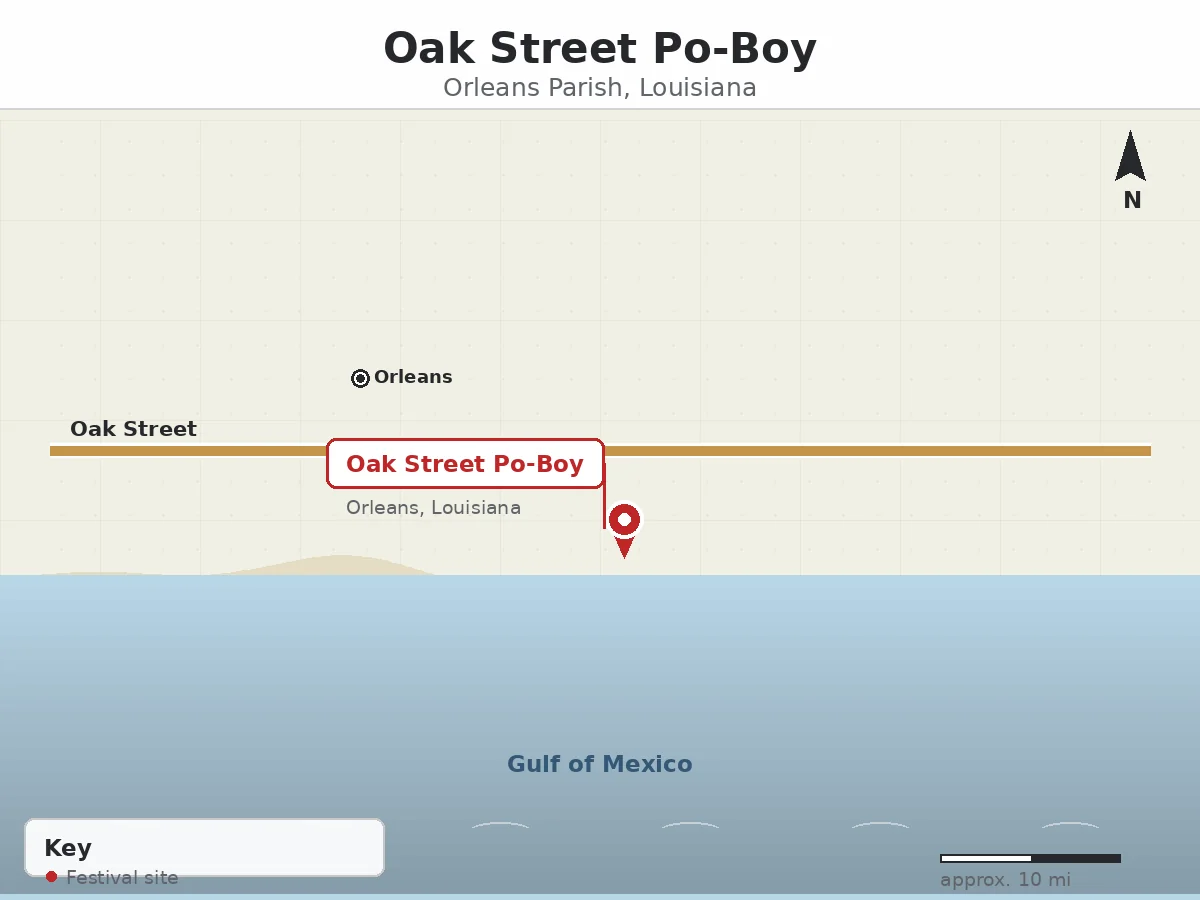
| Venue | Oak Street, Carrollton neighbourhood, Uptown New Orleans |
| Organiser | Oak Street Merchants, Residents and Property Owners |
| Most recent dated edition | Sunday 8 November 2026, eighteenth annual |
| Hours | Ten in the morning to six in the evening |
| Admission | Free entry; wristband required to buy a po-boy |
| Wristband | Eight dollars for a general wristband in 2026 |
| Programme | Po-boy vendors, live music, arts market, children’s area, juried competition, history panels |
History
The history of the festival carries two accounts that do not line up, and both are recorded here as printed. One events-guide layer says the festival debuted in 2007. The organiser’s own site bills the 16 November 2025 edition as the seventeenth annual, and regional news and city-guide layers bill the 8 November 2026 edition as the eighteenth annual. A seventeenth annual billing in 2025 does not align with a 2007 debut, and no founding year is derived from either account.
The dated record shows a festival that has grown into a fixture of the New Orleans autumn. The 19 November 2023 edition is documented in a regional news layer. The seventeenth annual edition fell on Sunday 16 November 2025, and the eighteenth annual edition on Sunday 8 November 2026, both running from ten in the morning to six in the evening. Across those editions the shape of the day has stayed consistent: a single Sunday in November, a street closed to traffic, dozens of vendors, music from multiple stages, and a juried competition at the centre of it all.
For a useful comparison, see the Orleans Parish Louisiana Creole Tomato Festival for another county festival.
The festival’s roots lie in the street itself. Oak Street in Carrollton has long been a neighbourhood commercial strip, and the merchants and residents who organise the event are the same people who run its shops and live above them. The po-boy is a natural subject for a street festival in New Orleans, where the sandwich is a daily staple as much as a celebrated dish, and the festival gives the street’s cooks a stage to show what they can do with French bread, a fryer and a ladle of gravy.
What to Expect
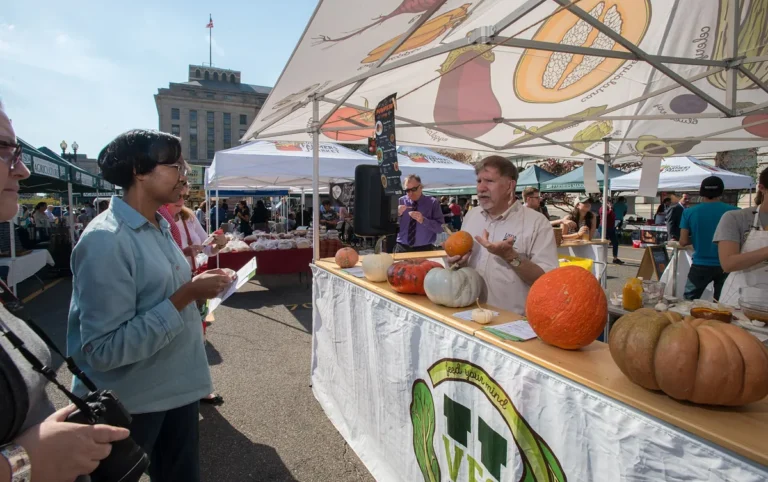
On festival day the street is closed to traffic and lined with tents, stages and stalls from one end to the other. The first thing most people notice is the smell: fried seafood, roast beef and gravy, hot sausage and fresh bread fill the air, and each vendor’s stall has its own queue. Dozens of po-boy varieties are on offer from local food vendors, from the classics to inventive combinations that only appear on festival day. A wristband is required to purchase a po-boy, and general wristbands cost eight dollars in 2026. The wristband is a purchase condition rather than gate admission, and entry to the street itself is free.
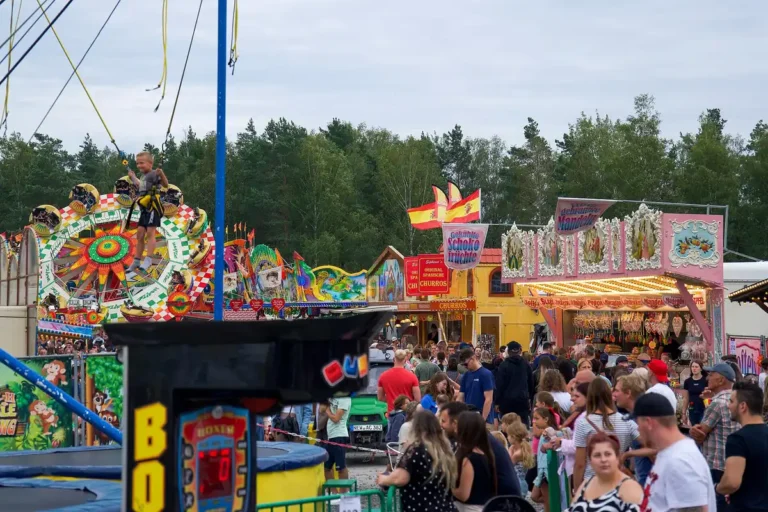
Music runs from multiple stages through the day, and the programme in the layers read describes live music as a central part of the event rather than a background detail. Bands play while visitors eat, and the stages are spaced along the street so that music follows visitors as they walk. Between the stages sits the arts market, where local makers sell paintings, jewellery, ceramics and other handmade goods, and the children’s area gives younger visitors their own space. The juried po-boy competition is the day’s centrepiece for serious eaters, and the history panels offer a quieter stop for visitors who want to learn how the sandwich earned its place in the city.
Planning Your Visit
The festival runs from ten in the morning to six in the evening, the same hours in the 2025 and 2026 editions. Arriving early has real advantages. The queues at the most popular vendors grow as the day goes on, and the first hour is the easiest time to move along the street, find the vendors you want and settle into a rhythm of tasting, listening and browsing. Later arrivals will still find plenty to eat and hear, but they should expect longer lines at the best-known stalls.
The festival takes over the street itself, so the practical shape of a visit is a walk rather than a tour of a single site. Comfortable shoes matter, because the day is spent on foot. Cash and cards are both worth carrying, since vendors vary, and visitors should buy their wristband before joining a food queue. Families with children will want to find the children’s area early and plan a meeting point, since the street gets busy by midday. The festival is a single-day event, so there is no second day to catch anything missed.
Sample Itinerary
A good festival day starts at ten in the morning, when the street opens and the first vendors are ready. Begin at one end of Oak Street and walk the full length before buying anything, noting which stalls have the longest queues and which dishes catch your eye. Pick a first po-boy from a vendor whose queue moves steadily, and eat it while listening to the nearest stage. The opening hour is the best time for unhurried tasting, before the midday crowd arrives.
By late morning, move on to a second vendor and try a different style, perhaps roast beef dressed in gravy after a fried shrimp po-boy, or a hot sausage po-boy after something milder. The arts market is worth a slow pass between tastings, and the history panels offer a pause. Around midday, find the children’s area if visiting with family. The afternoon belongs to the juried competition and the music. Watch for the competition results, and use the later hours to try a vendor you missed in the morning.
Comparison
The city hosts larger events that take over parks and fairgrounds, draw crowds from across the region and run over several days. Oak Street is smaller, shorter and more local. It runs for a single Sunday, on a single street, and its scale is the scale of a neighbourhood rather than a city. That is its strength. Visitors are walking one street, tasting one sandwich in many forms, and meeting the people who cook it.
The juried competition also sets the festival apart from a simple food market. Many street fairs offer food and music without a contest at the centre. Oak Street puts its cooks in competition, and the judging gives the day a focus that visitors follow. The history panels add another layer that a pure food market lacks, giving the sandwich a story and the festival a sense of purpose beyond eating. Against the bigger festivals of the city, Oak Street trades breadth for depth.
Checklist
- Arrive early, soon after the ten in the morning opening, for the shortest queues
- Buy a wristband before joining a food queue, since one is required to purchase a po-boy
- Wear comfortable shoes for a day spent walking the street
- Carry both cash and a card, since vendors vary in what they accept
- Leave time for the arts market and the history panels between tastings
- Plan to leave before the six in the evening close if you want an easy exit
Beyond the Festival
Oak Street itself rewards visitors who look beyond the festival tents. Carrollton is one of the older neighbourhoods of Uptown New Orleans, and the street’s shops, bookshops and bars are part of its character all year round. A visitor who arrives early or stays after the festival closes will find a street worth walking slowly. The French bread that holds a po-boy together comes from bakeries that serve the city daily, and the sandwich is a working lunch for New Orleanians as much as a festival dish.
The wider city offers plenty for visitors who want to extend the trip. A festival day sits naturally alongside an evening in the French Quarter, a morning at the French Market or a walk along the riverfront. The po-boy itself is worth seeking out beyond the festival, in the neighbourhood counters and corner shops where it is made every day.
Significance
The festival matters because it keeps a neighbourhood street at the centre of a city celebration. New Orleans has no shortage of large events, and the biggest ones draw visitors from far away and take over the city’s largest spaces. Oak Street does something quieter. It brings a festival to a street where people live and work, and it lets the merchants and residents who organise it show their own neighbourhood at its best.
The po-boy is also a fitting subject for a festival that celebrates local life. It is a working sandwich, cheap, filling and endlessly adaptable, and it belongs to the city in a way that a more formal dish never could. A festival built around it is a festival built around everyday New Orleans. The juried competition, the history panels and the arts market take a sandwich that people eat without thinking and give it a day of attention.
Frequently Asked Questions
What does the wristband cover on a festival day?
Entry to the street is free, and the wristband is required to purchase a po-boy. General wristbands cost eight dollars in 2026, according to a student newspaper layer. The wristband is a purchase condition rather than gate admission, so visitors can walk the street, hear the music and browse the arts market without one, and buy a wristband when they are ready to eat.
Which po-boy styles should a first-time visitor try?
The layers read describe dozens of varieties from local food vendors, and the classics are the best starting point. A fried shrimp po-boy and a roast beef po-boy dressed in gravy give a first-time visitor two very different tastes of the sandwich. From there, fried oyster and hot sausage are natural next choices, and the juried competition entries often show the most inventive combinations on the street.
How does the juried po-boy competition work?
The festival includes a juried po-boy competition, with judges tasting entries from the vendors and naming a winner. The layers read do not print the judging criteria or the names of the judges, and this article does not invent them. Visitors can follow the competition through the afternoon and look for the result, one of the day’s focal points alongside the music and the food.
Can younger visitors enjoy the day on Oak Street?
Yes. The programme includes a children’s area, and the festival is a daytime street event that families attend together. Entry is free, which makes it an easy outing for a family, and the children’s area gives younger visitors their own activities while adults taste their way along the street. Families should agree a meeting point early, since the street gets busy by midday.
What to Expect From the Next Orleans Parish Louisiana Oak Street Po-Boy Festival
How often is Orleans Parish Louisiana Oak Street Po-Boy Festival held?
The dated editions in the layers read fall one Sunday each November, with the seventeenth annual edition on Sunday 16 November 2025 and the eighteenth annual edition on Sunday 8 November 2026. The pattern in the record is a single Sunday in November each year.
When is the next Orleans Parish Louisiana Oak Street Po-Boy Festival?
No date for a later edition is printed in the layers read beyond the eighteenth annual edition on Sunday 8 November 2026. The pattern points to a Sunday in November, and the organiser’s own site is the place where a future date would be announced. This article does not invent a date.
Will the dates change?
The editions in the record sit in November, but the exact Sunday has moved between years: 19 November in 2023, 16 November in 2025 and 8 November in 2026. A future edition may fall on a different Sunday in November, so visitors should check the organiser’s own site before planning a trip.
The Oak Street Po-Boy Festival is a small festival with a clear idea: take a great street, fill it with the city’s favourite sandwich, and let the neighbourhood show itself off for a day. Visitors who come for the po-boys will find dozens of them, visitors who come for the music will find it on several stages, and visitors who come for the street itself will find Carrollton at its liveliest. For one Sunday in November, Oak Street is the best place in New Orleans to learn what a po-boy can be.