Iberia Parish Louisiana El Espanol de Nueva Iberia Festival
New Iberia keeps its Spanish beginnings close to the surface, in family names and in the slow water of Bayou Teche, and once in a cycle that heritage steps out of the archives and into the open air. The gathering that does the work is printed in the layers as El Festival Español de Nueva Iberia, a name that carries its Spanish accents proudly, while the sheet title for this article prints the same name without accents and without the word Festival in that position. Both forms point at the same weekend. What the weekend offers is a blend few Louisiana heritage events attempt: a footrace named for a Spanish tradition, a re-enactment of the first settlers stepping ashore, a cook-off built around paella and tapas, genealogy tables where families trace lines back to Malaga, flamenco dancing, a cemetery tour, a gala evening, and a closing mass.
About
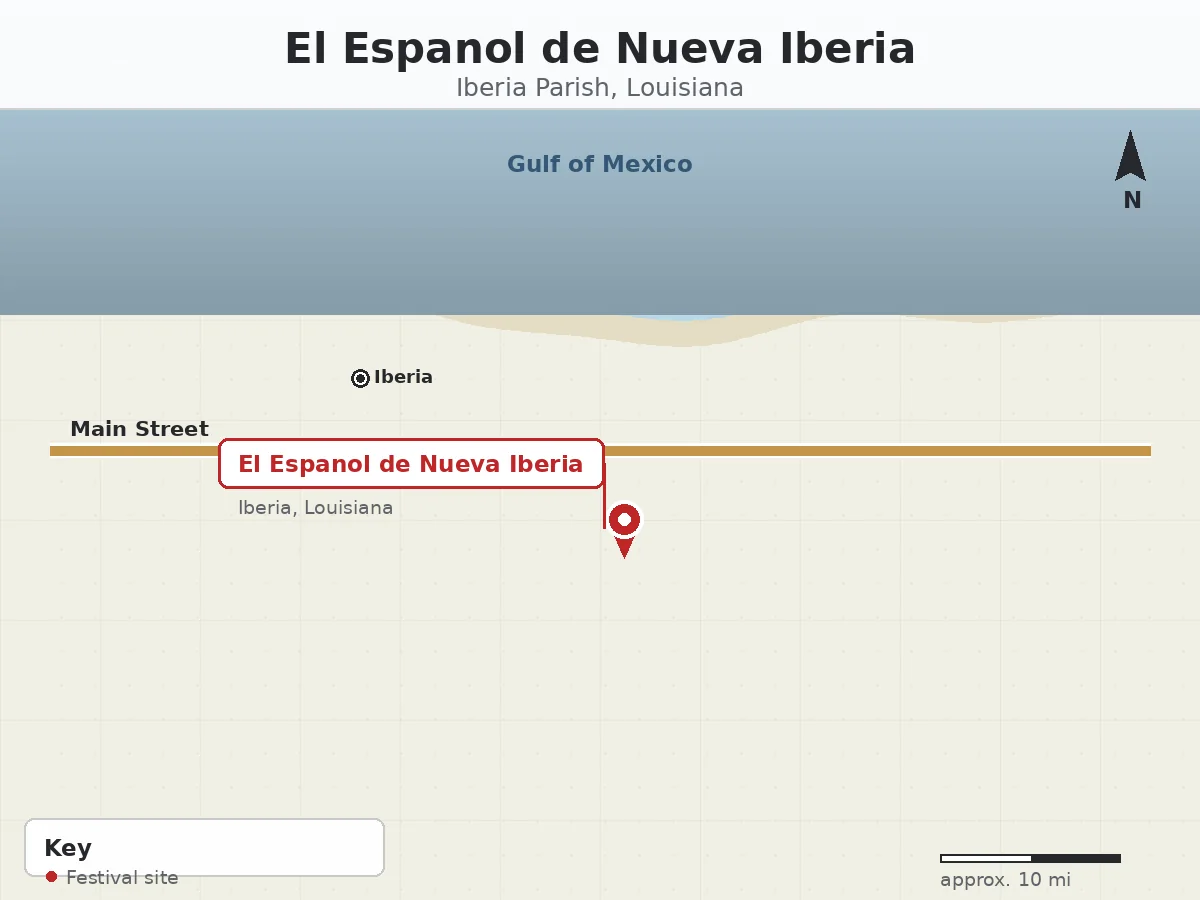
El Festival Español de Nueva Iberia is the published name of a heritage festival in New Iberia, the seat of Iberia Parish, and the layers print it with its Spanish accents intact, including the accented form in the organiser’s name, La Asociación Española de Nueva Iberia, Inc., known in shorthand as LAENI. The sheet title for this article prints the name without accents, and the two spellings describe one event. The festival is organised jointly by LAENI and the New Iberia Main Street Program, a pairing that joins a heritage association with the downtown programme. The main venue is Bouligny Plaza and the Steamboat Pavilion on Main Street, an open-air setting beside Bayou Teche. The Spanish Gala, the ticketed evening of the weekend, takes place at the Sliman Theater, while the closing mass is held at St. Peter’s Catholic Church. In 2016 the festival was named an AAA Southern Traveler Treasure, a recognition that put the weekend on a wider map of Southern travel.
Quick Facts
| Detail | Information |
| Published name | El Festival Español de Nueva Iberia |
| Host town | New Iberia, the parish seat of Iberia Parish |
| Main venue | Bouligny Plaza and the Steamboat Pavilion, Main Street |
| Gala venue | Sliman Theater |
| Closing mass venue | St. Peter’s Catholic Church |
| Organisers | La Asociación Española de Nueva Iberia, Inc., and the New Iberia Main Street Program |
| Documented editions | Second year in 2013; editions in 2015, 2016, and 2022; an edition in 2025 |
| Signature events | Running of the Bulls run, arrival re-enactment, paella and tapas cook-off, flamenco dancing, Spanish Gala |
| Gala admission | Seventy-five dollars per person in the layers read, including a one-year LAENI membership |
| Recognition | Named an AAA Southern Traveler Treasure in 2016 |
History
The story the festival tells begins in 1779, when sixteen families from Malaga, Spain, founded New Iberia on the banks of Bayou Teche. That founding is the anchor of the whole weekend: the re-enactment stages the arrival of the Spanish, the genealogy displays trace descendants back to those sixteen families, and the food, music, and dance all reach back toward Andalusia. The festival exists to pull that thread into the light, and the layers tell two different stories about how it began, which are best carried side by side rather than forced into one. A layer from 2016 says the festival was established five years earlier, which would place its start around 2011. A regional news layer from 2025 says the festival was born in 2012, after New Iberia’s sister city in Spain asked to visit and the city realised it had nothing to show for its Spanish roots, so the community built a celebration. The second year ran from the fifteenth to the seventeenth of November 2013. Editions followed from the twentieth to the twenty-second of November 2015 and from the eighteenth to the twentieth of November 2016, the year of its AAA Southern Traveler Treasure recognition. The eighth annual edition ran from the eighth to the tenth of April 2022, a spring date that shows the calendar has not stayed fixed in November. A 2025 edition is attested by a regional news layer naming the 2025 festival queens, who are referred to here by role only.
What to Expect
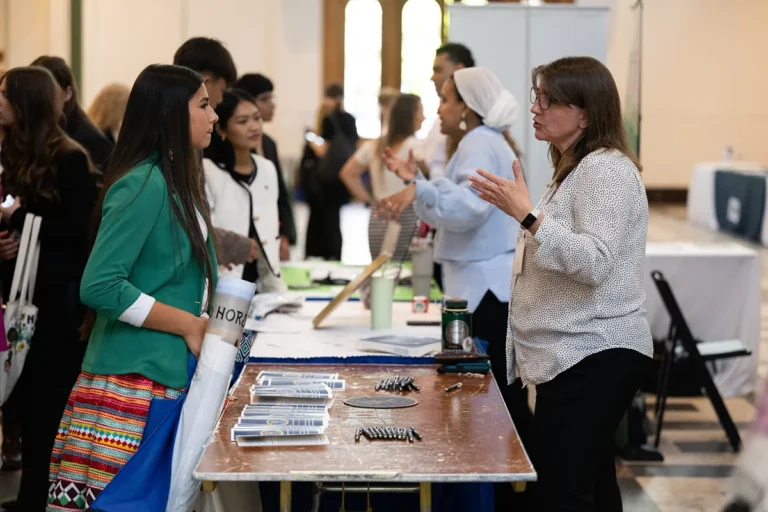
The weekend opens, in several years, with a free lecture. The most athletic element is the Running of the Bulls, a five-kilometre run with a one-mile fun run alongside it, a playful nod to the famous Spanish running tradition. The re-enactment of the arrival of the Spanish on Bayou Teche is the historical centrepiece, staging the moment the sixteen families from Malaga reached the settlement that became New Iberia. The paella and tapas cook-off is the culinary centrepiece, with cooks working over open flames, while food demonstrations through the weekend show how Spanish dishes are built. Arts and crafts stalls line the plaza, and exhibits and guest lectures fill the quieter hours with material about Spanish history, language, and family lines. Original Spanish family genealogy displays invite visitors to look for their own surnames among the descendants of the founding families. Flamenco dancing brings the sound of heels and guitars to the pavilion, and the fais-do-do keeps the evening moving. A cemetery tour walks visitors through the burial grounds where the Spanish story of the parish is written in stone, and the crochet ceiling in Church Alley turns an ordinary downtown passage into a canopy of handmade colour. The Spanish Gala at the Sliman Theater is the formal evening, and the weekend closes with a mass at St. Peter’s Catholic Church.
Planning Your Visit
New Iberia is the parish seat, and the festival sits in its downtown, so the practical shape of a visit is simple: park once, walk everywhere, and let the plaza, the pavilion, the theatre, and the church come to you. Bouligny Plaza and the Steamboat Pavilion on Main Street hold the daytime programme, and the surrounding blocks carry the stalls, the exhibits, and the food. Arrive early on the main day for a good spot at the re-enactment and the cook-off, since both draw the largest crowds of the weekend. The Spanish Gala is the one element with a stated price in the layers read: seventy-five dollars per person in the 2013 and 2020 layers, including a one-year LAENI membership. No general gate price is stated in any layer read, and the opening lecture is free in several years, which suggests the daytime plaza programme is open to all. Wear comfortable shoes for the plaza and the cemetery tour, bring sun protection for the open-air hours, and carry water, . Genealogy visitors should bring family names and dates already known, written down, since the researchers at the displays can do far more with a starting point than with a blank page.
For a useful comparison, see the Iberia Parish Louisiana Books Along the Teche Literary Festival for another county festival.
Sample Itinerary
Two full days cover the heart of the festival, and the shape below follows the documented elements in the order they tend to fall. On the opening day, begin with the free lecture if one is scheduled, then walk to Bouligny Plaza for the arts and crafts stalls and the exhibits, and spend time at the genealogy displays. Take lunch from the food demonstrations or the cook-off area, then watch the re-enactment of the arrival of the Spanish on Bayou Teche in the afternoon. Stay for the flamenco dancing and the fais-do-do as the evening comes on, and end the day in Church Alley beneath the crochet ceiling. On the second day, start with the Running of the Bulls five-kilometre run or the one-mile fun run, then return to the plaza for the paella and tapas cook-off. Use the afternoon for the cemetery tour and a second round of the exhibits and guest lectures. Dress for the Spanish Gala at the Sliman Theater in the evening, and close the weekend the following morning with the mass at St. Peter’s Catholic Church. Visitors with only one day should choose the re-enactment, the cook-off, and the flamenco dancing.
Comparison
Louisiana’s heritage calendar is crowded, and this festival earns its place by being the one that looks toward Spain rather than toward France or Acadia. A typical parish food festival in the state builds its weekend around a single local crop or dish and a stage of local bands, but it rarely asks visitors to think about where the town itself came from. A Cajun music festival offers a deeper sound and a longer dance floor, yet its story is the Acadian exile and the bayou. What sets the New Iberia weekend apart is the way it stacks different kinds of experience into one downtown: a footrace, a historical re-enactment, a cook-off, a genealogy hall, a gala, and a mass, all tied to the same founding story. The genealogy element is the sharpest difference of all, since few Louisiana festivals invite visitors to sit down with researchers and trace a surname to a specific shipload of families. The smaller scale is the trade: a visitor can talk with a researcher and watch a cook work a paella pan at close range.
Checklist
- Bring the family names and dates you already know if you plan to visit the genealogy displays.
- Wear comfortable walking shoes for the plaza, the cemetery tour, and the downtown blocks.
- Carry water and sun protection for the open-air hours at Bouligny Plaza.
- Arrive early on the main day for a good view of the re-enactment and the cook-off.
- Budget seventy-five dollars per person if you plan to attend the Spanish Gala, which includes a one-year LAENI membership.
- Check the current edition’s dates with the organisers before travelling, since editions have fallen in both November and April.
- Allow time for the crochet ceiling in Church Alley and the exhibits between the headline events.
Beyond the Festival
New Iberia rewards a visitor who stays an extra day, because the festival’s story does not stop at the edge of the plaza. Bayou Teche runs through the town and gives the re-enactment its setting, and a walk along its banks puts the arrival of the sixteen families into a landscape that still looks much as it must have looked in 1779. The downtown blocks around Main Street carry the architecture of a parish seat that grew on sugar and later on oil. The cemetery tour is only one way into the parish’s burial grounds, and visitors with family ties may want to return on a quieter day with the notes the genealogy researchers gave them. The Spanish thread that the festival celebrates also runs through the parish’s food, with paella and tapas standing beside the gumbo and boudin of the wider region. The surrounding parish offers the flat, watery landscape of south Louisiana.
Significance
The significance of this festival lies in what it recovers. New Iberia’s Spanish founding is a matter of record, yet for generations it sat in the shadow of the French and Acadian stories that dominate Louisiana’s public memory, and a town can lose the thread of its own beginning if nobody stages it, teaches it, and celebrates it. The festival does all three, and it does so in a way that invites the descendants of the founding families to take part rather than merely to watch. The genealogy displays are the clearest expression of that invitation, and the 2025 festival queens show the celebration passing its honours to a new generation. The AAA Southern Traveler Treasure recognition in 2016 matters because it told the wider South that a small parish heritage weekend was worth a detour, and the sister-city story behind the festival’s birth in 2012, as told in the 2025 news layer, gives the event a purpose beyond entertainment: a city that found it had nothing to show a visiting delegation from Spain built something to show them, and kept building it. It keeps a minority thread of Louisiana history visible, accurate, and alive.
Frequently Asked Questions
What makes this gathering different from other Louisiana heritage weekends?
The difference is the Spanish thread. Most Louisiana heritage weekends celebrate French, Acadian, or crop traditions, while this one stages the 1779 founding of New Iberia by sixteen families from Malaga, Spain, through a re-enactment, genealogy displays, flamenco dancing, and a paella and tapas cook-off. Genealogy is the sharpest distinction: visitors sit with researchers and trace a surname to the founding families.
Do I need a ticket for the whole weekend or only for the gala?
Only the Spanish Gala carries a stated price in the layers read, at seventy-five dollars per person, including a one-year LAENI membership, while the opening lecture is free in several years and no gate price is stated. The plaza programme is therefore the open part of the weekend, and the gala is the ticketed evening within it.
Can I trace a family connection to the original sixteen families while I am there?
Yes, that is one of the festival’s central purposes. Original Spanish family genealogy displays are part of the documented programme, staffed by researchers who work with visitors on family lines reaching back to the 1779 founding. Bring names and dates already known, written down.
What should I plan around if I only have one day at the festival?
Choose the re-enactment of the arrival of the Spanish on Bayou Teche, the paella and tapas cook-off, and the flamenco dancing as the three elements that carry the festival’s story best. If gala tickets remain, the Spanish Gala at the Sliman Theater makes a fitting evening.
What to Expect From the Next Iberia Parish Louisiana El Espanol de Nueva Iberia Festival
How often is Iberia Parish Louisiana El Espanol de Nueva Iberia Festival held?
Documented editions appear in 2013, 2015, 2016, 2022, and 2025, which shows a recurring celebration rather than a one-off event, with gaps between the documented years that the layers do not explain. LAENI and the Main Street Program organise it as a repeating heritage weekend.
When is the next Iberia Parish Louisiana El Espanol de Nueva Iberia Festival?
The material consulted carries no date for the edition after the 2025 gathering, so the honest answer is that the next date is not yet published in the layers read. Recent editions have fallen in both November and April, so travellers should confirm dates with the organisers before booking travel.
Will the dates change?
The record shows that they already have, with November editions in 2013, 2015, and 2016 and an April edition in 2022, so a visitor should expect the calendar to move rather than counting on a fixed weekend. Confirm the current edition’s dates directly before travelling.
The weekend in New Iberia is a reminder that Louisiana’s story has more than one beginning, and that the Spanish beginning is worth a journey. A visitor who walks the plaza, watches the re-enactment on Bayou Teche, tastes the paella, and talks with a genealogy researcher will leave with a fuller sense of the parish than any single parade could give.