Mason County Kentucky Maysville Oktoberfest Festival
August in Maysville belongs, in part, to Germany. For two days, the blocks around Second Street and Market Street in Historic Downtown Maysville fill with beer booths, German food, folk dancing and the unlikely spectacle of dachshunds racing at full stretch, all under the published name Maysville Oktoberfest. The event sits in the Mason County seat, the largest city in the county, and it is run by the Maysville Rotary Club, whose own vendor document carries the fuller heading Annual Maysville Oktoberfest. Those two printed forms are the names the sources offer, and this article keeps them exactly as their sources print them.
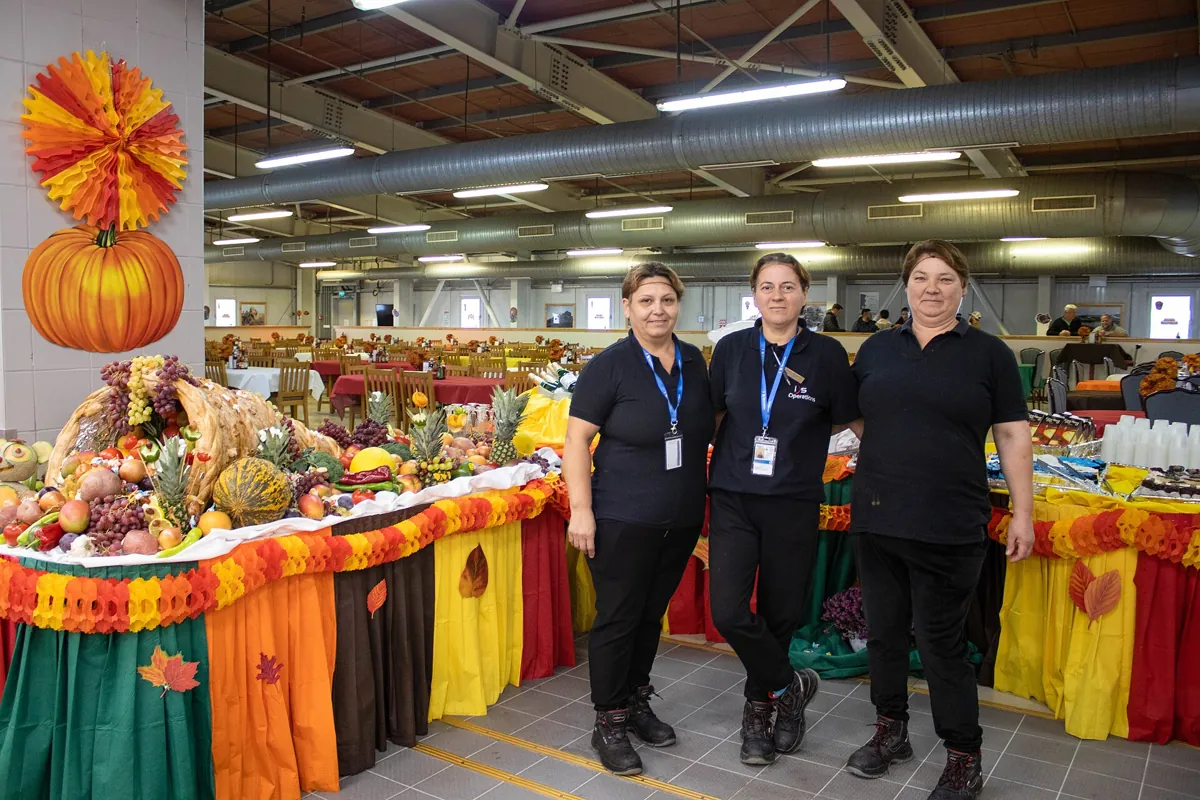
What makes the festival unusually well anchored for a small-city celebration is the paper trail behind it. City commission minutes reach back to August two thousand twelve, when the City of Maysville authorised the use of Second Street for Oktoberfest. The organiser’s own schedule then documents the two thousand twenty-five edition in detail, and a vendor document together with a state tourism listing carries the event forward to the fourteenth and fifteenth of August two thousand twenty-six. Between those fixed points, the shape of the weekend can be described with real confidence.
About the Festival
The organiser’s vendor document is issued by the Maysville Rotary Club and directs vendor proposals to the club, which makes the Rotary Club the organising hand the sources support. The City of Maysville appears in the record in a different role: its commission minutes from two thousand twelve show the city authorising the street use for the festival and approving raffles and beer booths run by a museum centre. Organiser and city therefore stay in their separate lanes in this account, because the sources themselves keep them there.
The setting is printed plainly in the organiser’s two thousand twenty-five schedule: Historic Downtown Maysville, at Second Street and Market Street and the Second Street Mall, with some events placed at Rotary Park. A festival-guide layer corroborates the downtown dates for two thousand twenty-five, and a state tourism layer lists the two thousand twenty-six edition with German music, dancing, a wiener dog race and a Royal Court element. A travel-guide layer adds the civic frame, identifying Maysville as both the county seat and the largest city in Mason County.
Quick Facts
| Item | Detail |
| Published name | Maysville Oktoberfest |
| Organiser’s heading form | Annual Maysville Oktoberfest |
| Host town | Maysville, Mason County, Kentucky |
| County standing | County seat and largest city of Mason County |
| Main setting | Historic Downtown Maysville, Second Street and Market Street |
| Additional site | Rotary Park |
| Organiser | Maysville Rotary Club |
| Earliest city record | August two thousand twelve |
| Documented recent editions | August two thousand twenty-five and August two thousand twenty-six |
| Signature elements | Wiener dog races, stein-hoisting and log-sawing competitions, keg tapping, parade |
History
The earliest firm ground in the record is municipal rather than festive. In August two thousand twelve, city commission resolutions authorised the use of Second Street for Oktoberfest and placed beer booths on Second and Market Streets; the same city record shows a museum centre’s raffles and beer booths approved for the event. The resolutions are described here in words only, and their substance matters more than any numbering: by two thousand twelve, the festival already needed the formal machinery of street closures and permits, which is the mark of an established street event rather than a first attempt.
For a useful comparison, see the Martin County Kentucky Appalachian Artist Festival for another county festival.
Beyond that, the sources are disciplined about what they do not claim. The organiser bills the event as the Annual Maysville Oktoberfest, and the word Annual is carried here exactly as printed. No source consulted states a founding year, and none of the dated editions is converted backwards into one. The honest chronology is a documentary one: city authorisations in two thousand twelve, a full organiser’s schedule in two thousand twenty-five, and vendor invitations alongside state tourism coverage for two thousand twenty-six.
One piece of housekeeping belongs in this history. An AI-style travel page credits Maysville with a Chocolate Festival, an Apple Blossom Festival and a Bluegrass Festival. Nothing in the organiser’s documents, the city record or the tourism layers supports those attributions, and they are treated here as disowned content-farm material rather than as part of this festival’s past.
What to Expect
Friday is the festival’s evening face. In the organiser’s two thousand twenty-five schedule, booths opened at five and ran to ten in the evening, a main-stage band played at Second and Market, and Rotary Park hosted a 5K run/walk, while stein-hoisting and log-sawing competitions tested the crowd’s strength and timing downtown. Saturday turns ceremonial: wiener dog races at Rotary Park, an opening ceremony and keg tapping, and a parade moving through the festival streets. The parade gives Saturday a centrepiece that Friday deliberately lacks, because where Friday scatters its attractions across two sites and five evening hours, Saturday gathers its crowd in one place at one time to watch the festival process through its own streets.
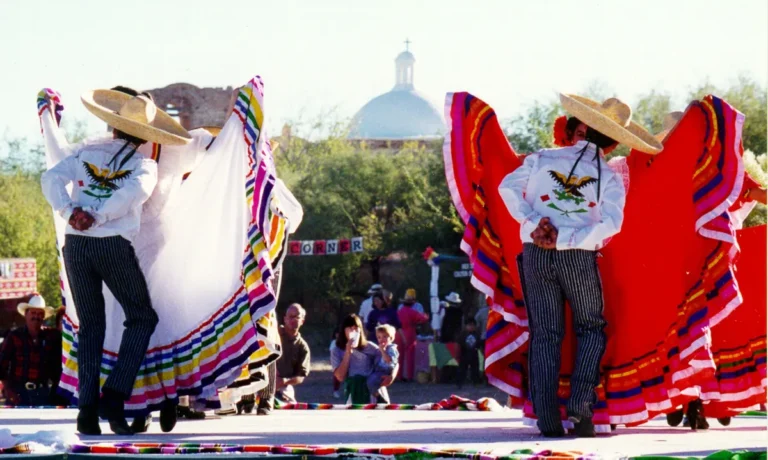
Across both days, the programme layers agree on the flavour. German food and beer booths anchor the eating and drinking, traditional German music and folk dancing supply the soundtrack and the movement, and a state tourism layer notes that traditional costume is encouraged, which turns the crowd itself into part of the display. For two thousand twenty-six, the same tourism layer adds a Royal Court element to its listing, alongside the German music, dancing and the wiener dog race. Visitors planning around the two thousand twenty-five schedule should treat it as the fullest published template of the weekend, with the two thousand twenty-six vendor document confirming the event’s return on the fourteenth and fifteenth of August. The competitions deserve a word of their own: stein-hoisting rewards the steadiest arm in the street, log-sawing rewards teamwork with a blade, and both give spectators a contest to gather around between the booths and the band.
Planning Your Visit
The dated editions all fall on August weekends, though not on the same one, so the first planning task is pinning down which weekend the organiser’s current documents name. Splitting the trip is the second decision. Friday is an evening occasion, running from five to ten in the two thousand twenty-five schedule, while Saturday spreads across the day with the ceremony, the keg tapping and the parade. A visitor with only one day should choose by appetite: Friday for booths, music and contests after dark, Saturday for ceremony and spectacle.
Money needs one clarification. The organiser’s paperwork prices booths, not people: food vendor booths are listed at one hundred fifty dollars for businesses and seventy-five dollars for nonprofits, with retail booths at fifty dollars and twenty-five dollars. Those are vendor charges in the organiser’s vendor document. Entry pricing for visitors simply does not appear in the documents consulted, so anyone budgeting should work from the organiser’s current paperwork rather than from assumption.
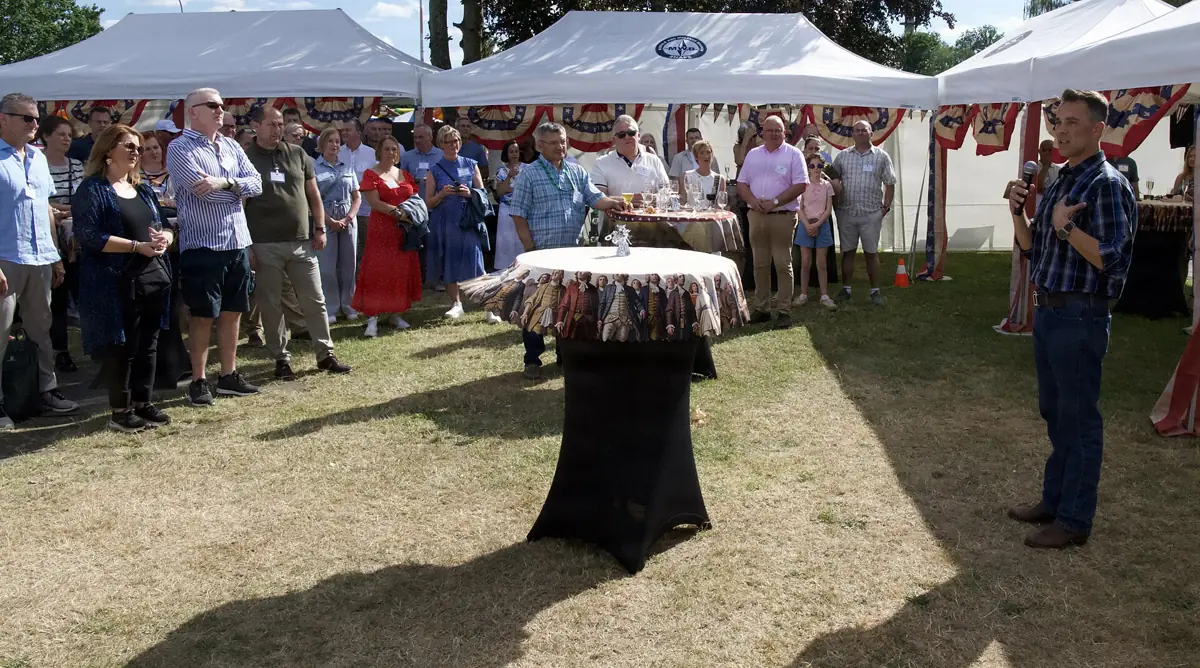
Practical channels exist and are noted here by existence only. The vendor document prints an email address, a postal box and a city permits telephone number for the working business of the festival, and vendor proposals are directed to the Maysville Rotary Club. Two sites need to fit into any plan: the downtown blocks around Second Street and the Second Street Mall hold the booths, the stage and the parade, while Rotary Park holds the run and the dog races, so the weekend involves moving between the two rather than settling in one spot. Traditional costume, encouraged in the state tourism listing, is the easiest way to arrive already dressed for the occasion.
A Sample Itinerary
Friday repays an early arrival downtown. Be in place before the booths open at five, take a first pass along Second Street for German food while the light is good, and then decide where the evening’s energy goes: stay at Second and Market for the main-stage band and the stein-hoisting and log-sawing competitions, or cross to Rotary Park for the 5K run/walk and watch the runners come in.
Saturday belongs to the animals and the ceremony. Begin at Rotary Park with the wiener dog races, return downtown for the opening ceremony and the keg tapping, and then follow the parade through the festival streets. The rest of the day can run at booth pace: food, drink, dancing in the street, and a final circuit of the Second Street Mall before the weekend closes. The itinerary follows the organiser’s two thousand twenty-five schedule, which remains the most detailed published shape of the two days.
How the Two Days Compare
Friday and Saturday are not smaller and larger versions of the same day. Friday is compressed into a single evening and mixes exertion with browsing: a run at the park, strength contests downtown, booths and a band. Saturday is the ceremonial day, built around sequence rather than simultaneity, with the dog races, the opening ceremony, the keg tapping and the parade giving it a spine.
Two further comparisons protect the picture. The Oktoberfest in Madisonville, in Hopkins County, is a separate event documented in its own tourism layer, and nothing about it should be read into Maysville’s weekend. And within the record itself, the organiser’s detailed schedule and the city’s minutes describe a verifiable festival, while the AI-style travel page’s extra Maysville festivals have no comparable support behind them at all.
A Visitor Checklist
- Settle on Friday evening, Saturday, or the full weekend before arranging anything else
- Build Friday around the five o’clock booth opening downtown
- Keep Rotary Park time separate in the plan for the 5K and the wiener dog races
- Arrive in good time on Saturday for the opening ceremony and keg tapping
- Consider traditional costume, which the state tourism listing encourages
- Treat the booth rental figures as vendor business, never as visitor costs
- Route any vendor proposal to the Maysville Rotary Club
- Confirm the coming August dates against the organiser’s current documents
- Leave evening room for the main-stage band at Second and Market
- Plan nothing around festivals attributed to Maysville only by unsupported travel pages
Beyond the Festival
The festival’s geography hands visitors two Maysville settings for the price of one trip: the historic downtown grid around Second Street and the Second Street Mall, and Rotary Park across town. As the county seat and the largest city in Mason County, Maysville concentrates the county’s civic life, and the two thousand twelve minutes show that machinery woven directly into the event, with the city authorising streets and a museum centre running raffles and beer booths. A visitor with hours outside the programme can stay inside the documented footprint and still see plenty: the same downtown streets that hold the booths reward a slower walk, and the park that hosts the races is a different, greener face of the town. The two-site layout also shapes how Maysville feels across the weekend, since downtown carries the noise, the food smells and the stage while the park carries the running and the racing, and the steady movement of people between them keeps the whole town, rather than a single closed ground, in the role of host.
Why the Festival Matters
For a county seat of Maysville’s size, a service-club street festival documented in public records from two thousand twelve through two thousand twenty-six amounts to a piece of civic infrastructure. The Maysville Rotary Club supplies the organising labour, the city supplies the streets, and state tourism coverage carries the invitation further than either could alone. The German theme gives the weekend a distinct identity among Kentucky’s August gatherings: the food, the music, the folk dancing and the encouraged costume all point the same way, while the stein-hoisting, the log-sawing and the wiener dog races keep the tone playful rather than reverent. The Royal Court element in the two thousand twenty-six listing adds a layer of pageantry to that mix. Just as importantly, the festival’s tidy paper trail — minutes, schedules, vendor documents, tourism listings — shows how a small event proves itself year after year: by being organised in writing, authorised in public and described consistently by everyone who touches it.
Frequently Asked Questions
Under what printed names does the festival appear?
The organiser’s schedule, the organiser’s vendor document, a state tourism layer and a festival-guide layer print Maysville Oktoberfest. The vendor document’s heading expands the name to Annual Maysville Oktoberfest. The longer sheet form, which adds the word Festival, is not the form those sources use.
Which August weekends has the festival used?
City records place it on the tenth and eleventh of August two thousand twelve. The organiser’s own schedule used the eighth and ninth of August two thousand twenty-five, and the vendor document together with the state tourism listing gives the fourteenth and fifteenth of August two thousand twenty-six.
Who does what in organising the weekend?
The Maysville Rotary Club issues the vendor document and receives the proposals, which makes it the organiser of record. The City of Maysville’s documented role, from two thousand twelve, is authorising the street use and approving a museum centre’s raffles and beer booths.
What happens at Rotary Park?
The park carries the athletic and animal side of the weekend: the 5K run/walk on Friday and the wiener dog races on Saturday in the two thousand twenty-five schedule, while the booths, the main stage and the parade stay downtown.
What to Expect From the Next Mason County Kentucky Maysville Oktoberfest Festival
How often is Mason County Kentucky Maysville Oktoberfest Festival held?
The organiser’s own heading calls it the Annual Maysville Oktoberfest, and the documented editions in two thousand twelve, two thousand twenty-five and two thousand twenty-six are spaced as August events, with the two most recent falling in consecutive years.
When is the next Mason County Kentucky Maysville Oktoberfest Festival?
The latest edition fixed in the sources is the fourteenth and fifteenth of August two thousand twenty-six, drawn from the organiser’s vendor document and the state tourism listing. A date beyond that would have to come from a future organiser document, and this article does not project one.
Will the dates change?
They already have, within August: the tenth and eleventh in two thousand twelve, the eighth and ninth in two thousand twenty-five, and the fourteenth and fifteenth in two thousand twenty-six. The month has been constant throughout the record while the weekend has not, so the organiser’s current schedule is the document to trust.
Closing Thoughts
Maysville Oktoberfest is a small festival with an unusually tidy record: a Rotary Club organiser, a city that has authorised its streets since two thousand twelve, and editions documented through two thousand twenty-six. Come for the wiener dog races and the keg tapping; stay for the German food, the folk dancing and a main-stage band playing at the corner of Second and Market.

One Comment