Madison County Kentucky Berea Craft Festival
Every July, a wooded clearing east of downtown Berea fills with the sound of working hands: looms clacking, wheels turning, hammers tapping at bench tops while visitors drift between rows of white tents. The Berea Craft Festival brings over one hundred juried artists to Indian Fort Theater, Berea College’s outdoor theater, for a three day gathering built around handmade work sold by the people who made it.
About
The Berea Craft Festival is a juried craft fair held each summer in Berea, a town in Madison County, Kentucky long associated with handcrafted work. Berea Tourism, the Berea Tourism Commission, runs the festival: a city layer directs readers to the tourism body’s festival page, and tourism-commission minutes record its staff planning and operating the event. Much of the atmosphere comes from the grounds themselves. Indian Fort Theater is Berea College’s outdoor theater, sitting in a wooded setting about three miles east of downtown Berea, and the festival spreads across that shaded ground rather than a convention hall or fairground infield. Reference layers note that Berea is not the county seat of Madison County; Richmond holds that role, a small point worth settling because visitors often assume the two go together.
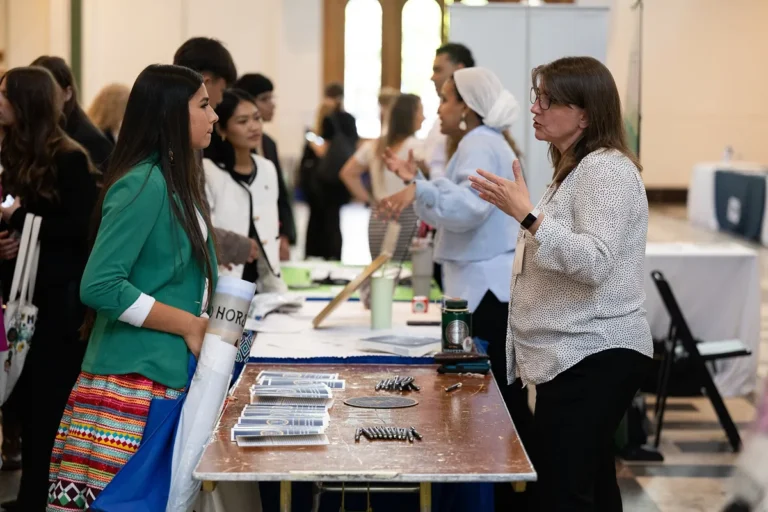
What the layers describe is a festival with a clear centre of gravity. Over one hundred juried artists from across the United States bring handmade work to sell, many of them demonstrating their craft in front of the tents. Live entertainment runs alongside the rows, food is sold on site, and a children’s activity tent gives younger visitors their own corner of the grounds.
Quick Facts
| Item | Detail |
| Published name | Berea Craft Festival |
| Host town | Berea, Madison County, Kentucky |
| County seat note | Richmond is the county seat; Berea is not |
| Venue | Indian Fort Theater, Berea College’s outdoor theater |
| Setting | Wooded ground about three miles east of downtown Berea |
| Organiser | Berea Tourism (the Berea Tourism Commission) |
| Documented editions | Two thousand nineteen through two thousand twenty-six |
| Artists | Over one hundred juried artists, with demonstrations |
| Admission | Six dollars adults, five dollars senior citizens, children under twelve free |
| Parking | Free, per a city layer and the two thousand twenty-six listing |
History
The festival’s own paperwork reaches back further than any single summary. In the organiser’s application letters, the event is billed as having been “at the heart of Kentucky art for 40 years” in a letter tied to two thousand twenty-one, and “for 42 years” in a later letter tied to two thousand twenty-three. A city layer, writing about the ninth to the eleventh of July two thousand twenty-one, says that edition marked the fortieth time the festival was staged at Indian Fort Theater. Those figures sit side by side in the record exactly as printed, unmerged, and none of them is converted here into a founding year; the layers print billings and staging counts, not a start date.
A university newspaper layer covering the two thousand nineteen edition calls that gathering the festival’s thirty-eighth year and puts attendance above eight thousand, giving the modern record an early anchor: by two thousand nineteen the event was already a large, established draw. The two thousand twenty edition never happened. The city layer records plainly that it had been cancelled because of the COVID-19 pandemic, and the two thousand twenty-one return carried the fortieth staging billing, a quiet marker of continuity after a lost year.
For a useful comparison, see the Lyon County Kentucky Fifth Street Oktoberfest Festival for another county festival.
The minutes of the tourism commission carry the story forward. For the seventh to the ninth of July two thousand twenty-three, those minutes record record-breaking attendance of eight thousand two hundred ninety-five visitors, with artists from fifteen states taking part. A record crowd, noted in the dry language of a commission meeting, says more about the festival’s trajectory than any slogan.
What to Expect
The grounds reward slow walking. Rows of juried artists set out handmade work for sale, and because many makers demonstrate as they go, a visitor can watch a piece take shape at one tent and buy finished work at the next. The tourism body’s events layer, describing the twelfth to the fourteenth of July two thousand twenty-four, counts over one hundred ten artists on site with their work, providing demonstrations, and the wider record holds the same pattern for other editions. Ceramics, fibre work, wood, metal and glass all belong to the general picture the layers paint, though a wise visitor treats any single year’s mix as its own, since juried rosters change.
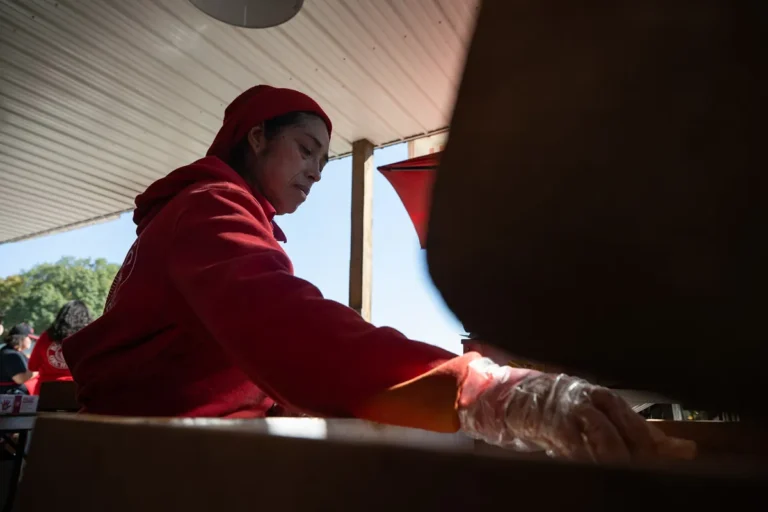
Between the rows, the festival keeps a fairground rhythm. Live entertainment plays during the day, food vendors feed the crowd, and the children’s activity tent gives families a pause built for small hands rather than shopping. Indian Fort Theater’s trees shade the grounds, and the whole event reads as an outdoor gathering first and a market second. In two thousand twenty-four the gates ran Friday and Saturday from ten in the morning to six in the evening and Sunday from ten in the morning to five in the afternoon; the two thousand twenty-six listing trims those hours slightly, to five in the afternoon on Friday and Saturday and four in the afternoon on Sunday.
Planning Your Visit
Gate prices are among the best documented details in the whole record. A city layer from two thousand twenty-one lists admission at six dollars for adults and five dollars for senior citizens, with children under twelve free and parking free, and the two thousand twenty-six event-listing layer carries the same figures, so a family can budget with unusual confidence. Separate figures in the organiser’s artist application documents, a three hundred-dollar booth fee and a twenty-five-dollar jurying fee for two thousand twenty-three, are vendor charges paid by exhibiting artists; they never touch a visitor’s wallet.
Timing shapes the day more than anything else. The festival occupies a Friday through Sunday in July in every documented recent edition, and arriving near opening gives the demonstrations room to breathe before the rows fill. Midday brings the entertainment and the thickest crowds; late afternoon on Sunday is the quietest stretch, though hours end earliest then. Families should note the children’s activity tent when judging how long younger visitors will last, and anyone hoping to watch demonstrations should treat the published hours as the frame and the roster as flexible, since the layers document the festival’s structure firmly and its individual artist line-up hardly at all.
A Sample Day at the Festival
Arrive at Indian Fort Theater close to ten in the morning, when the gates open and the first demonstrations are setting up. Spend the first hour walking the full loop of artist rows without buying, noting which tents deserve a second visit. Late morning belongs to the demonstrators: watch the process behind the price tags. Mid afternoon suits the live entertainment and a slower second circuit in the shade. On Sunday, plan the same arc an hour earlier, since the two thousand twenty-six listing closes the grounds at four in the afternoon.
How the Festival Compares
Set beside a county fair, the Berea Craft Festival is narrower and proud of it. There are no midway rides, livestock barns or demolition derbies in its record; the juried artists are the event, and everything else, the food, the music, the children’s tent, supports them. Set beside a gallery exhibition, it is broader and looser: the work is outdoors, the makers are present, and demonstrations turn buying into a conversation. Its closest relatives are the juried outdoor art fairs found across the region each summer, but the layers give this one a distinguishing trait, its long attachment to a single venue. Edition after edition points back to Indian Fort Theater, and the fortieth staging billing printed for two thousand twenty-one underlines how deeply the place and the festival are tied together.
Scale is another point of contrast. Attendance above eight thousand in two thousand nineteen and a record eight thousand two hundred ninety-five visitors in two thousand twenty-three place the festival well beyond a small town street market, yet its admission price sits closer to a community event than a commercial expo. That combination, a large crowd, a working-artist roster of over one hundred, and a modest gate, is the festival’s signature in the record.
A Visitor’s Checklist
- Confirm the edition’s dates and daily hours before travelling, since hours shifted between the two thousand twenty-four and two thousand twenty-six listings
- Budget six dollars per adult and five dollars per senior citizen for admission, with children under twelve free
- Plan for the drive to Indian Fort Theater, about three miles east of downtown Berea
- Bring water, sun protection and shoes suited to wooded, uneven ground
- Arrive near opening time for the calmest demonstration watching
- Carry a bag or leave room in the car for handmade purchases
- Build in time for the children’s activity tent if visiting with younger children
- Save time for a second, slower circuit of the artist rows before leaving
- Treat food as an on-site purchase and pace the day around the heat
Beyond the Festival Grounds
Berea itself extends the trip. The town’s identity is bound up with craft and with Berea College, whose outdoor theater hosts the festival, and a visitor who stays after the gates close finds a community that treats handmade work as ordinary life rather than a seasonal theme. Madison County offers the rest of a summer weekend: Richmond, the county seat, anchors the county’s civic business, while Berea’s own streets hold the shops, galleries and eateries of a town used to welcoming people who came for art. Other gatherings fill Berea’s tourism calendar across the year, but they are separate events with separate records; the town’s L&N Day, for example, is a different occasion entirely and belongs to its own story.
Why the Festival Matters
The significance of the Berea Craft Festival, read strictly from its layers, is endurance with documentation. Many long running events claim decades of history on a banner and little else. Here the paper trail is thick: commission minutes counting a record crowd to the last visitor, a city layer pausing to note a fortieth staging, application letters billing forty years and then forty-two years at the heart of Kentucky art. Each figure stays fenced to its own layer in this telling, and still the pattern adds up to a festival that a small city has organised, staffed and counted carefully for a very long time.
There is also what the festival does for the artists. A juried roster drawn from fifteen states in two thousand twenty-three means makers travel to Berea because the crowd is worth the booth fee, and visitors meet working artists rather than resellers. That exchange, repeated across a shaded hillside each July, is the substance behind the attendance figures.
Frequently Asked Questions
Which artists exhibit at the Berea Craft Festival, and do they demonstrate?
The layers describe over one hundred juried artists from across the United States selling handmade work, with demonstrations woven through the event. The tourism body’s events layer counted over one hundred ten artists on site for the two thousand twenty-four edition, and tourism-commission minutes note artists from fifteen states in two thousand twenty-three. Individual rosters are not preserved in the layers read, so expect a broad mix of crafts and makers who vary by year.
What did attendance look like at recent editions?
Two figures anchor the record. A university newspaper layer puts attendance above eight thousand at the two thousand nineteen edition, which it called the festival’s thirty-eighth year. Tourism-commission minutes then record a record-breaking eight thousand two hundred ninety-five visitors for the seventh to the ninth of July two thousand twenty-three. No comparable count appears for the other documented editions.
Why did the festival skip a year, and when did it return?
The city layer states that the two thousand twenty edition was cancelled because of the COVID-19 pandemic. The festival returned the following summer, the ninth to the eleventh of July two thousand twenty-one, an edition the same city layer describes as the fortieth time the festival was staged at Indian Fort Theater.
How much should a family budget for admission?
Admission is documented at six dollars for adults and five dollars for senior citizens, with children under twelve free and parking free, printed in a two thousand twenty-one city layer and carried again in the two thousand twenty-six event-listing layer. The only other prices in the organiser’s paperwork, a three hundred-dollar booth fee and a twenty-five-dollar jurying fee for two thousand twenty-three, are charges to exhibiting artists.
What to Expect From the Next Madison County Kentucky Berea Craft Festival
How often is Madison County Kentucky Berea Craft Festival held?
The documented editions fall on a yearly rhythm, each occupying a Friday through Sunday in July. The record shows two thousand nineteen, a cancelled two thousand twenty, then two thousand twenty-one, two thousand twenty-three, two thousand twenty-four and a listing for two thousand twenty-six, all in the same midsummer slot. The pandemic cancellation is the only interruption the record explains; the remaining gap years simply lack a documented edition in the layers read.
When is the next Madison County Kentucky Berea Craft Festival?
The latest edition in the record is the tenth to the twelfth of July two thousand twenty-six, carried by an event-listing layer with hours of ten in the morning to five in the afternoon on Friday and Saturday and ten in the morning to four in the afternoon on Sunday, at Indian Fort Theater. Any later edition belongs to announcements not yet in the layers read, so readers should look to the organiser for future dates.
Will the dates change?
Small shifts are already visible inside the documented record. The weekend itself moved within July from year to year, landing on the twelfth to the fourteenth in two thousand twenty-four and the tenth to the twelfth in two thousand twenty-six, and daily hours were trimmed between those editions. A future edition could likewise slide by a week or adjust its closing times. The stable elements in every layer are the month, the Friday to Sunday shape and the venue.
Closing
The Berea Craft Festival earns its place in Madison County’s summer on evidence rather than reputation: dated editions with hours, prices, artist counts and a record crowd, all printed by the bodies that run it. Over one hundred juried artists under the trees at Indian Fort Theater, six dollars at the gate and forty stagings deep at its home venue by two thousand twenty-one, the festival’s record is a model of a well kept file. When the next July weekend approaches, check the organiser’s current listing, drive the three miles east of downtown, and go watch something being made.