Letcher County Kentucky Blackey Day Festival
In the small community of Blackey, in the mountains of Letcher County, Kentucky, a home-grown celebration has been bringing neighbours back downtown for generations, under names that shift slightly depending on who is writing. A county tourism layer calls it Blackey Day. A public-radio news layer and a county tourism brochure layer both print Blackey Days. A city-data aggregator layer stretches the name further, to Blackey Days Festival. No layer read for this article prints the exact wording carried in the title above, and that small untidiness turns out to be typical of the whole record: the event is real, warmly documented in places, and yet pinned down far less firmly than most festivals in this series.
What the layers do agree on is the shape of the gathering. It belongs to Blackey itself rather than to the whole county. It centres on downtown Blackey and on the local community center, which a public-radio layer says is maintained by the Blackey Improvement Committee, the same committee credited with planning the celebration. Its pleasures are deliberately old-fashioned ones: music, cakewalks, dancing, food, crafts, and the family reunions that draw people home. Beyond that shared outline, the sources pull apart. They disagree about the season, offer two different accounts of how it began, and supply no recent, firmly dated schedule. This article sets those accounts side by side, exactly as printed, rather than smoothing them into a tidy story the evidence cannot support.
About
Blackey is an unincorporated community in Letcher County, in the coalfield country of southeastern Kentucky. A reference layer notes that Blackey was formerly an incorporated city and that the city was dissolved in two thousand twenty-two, leaving it a community rather than a municipality. It is not the county seat; a state county-formation table layer gives that standing to Whitesburg. The festival is therefore a village celebration, organised from inside the community it serves, rather than a county-seat production.
The name question deserves a moment of care, because a reader searching for this event will meet several forms. A county tourism layer, writing the history of the Mountain Heritage Festival and its community days, uses the singular Blackey Day. A county culture-hub layer does the same, remarking that “Blackey hosts its annual Blackey Day”. Journalism leans the other way: the public-radio news layer prints Blackey Days, and so does a county tourism brochure layer. The longest form, Blackey Days Festival, appears in a city-data aggregator layer. All three forms are carried through this article unmerged, since no organiser’s own site exists in the record to settle the committee’s preferred styling.
Quick Facts
| Item | Detail |
| Names in print | Blackey Day; Blackey Days; Blackey Days Festival |
| Host community | Blackey, an unincorporated community |
| County | Letcher County, Kentucky |
| County seat | Whitesburg, not Blackey |
| Setting | Downtown Blackey and the local community center |
| Planning body | Blackey Improvement Committee |
| Documented programme | Music, cakewalks, dancing, family reunions, food, crafts |
| Season in the record | May in one account; October and autumn in others |
| Admission in the record | No price stated in any layer read |
| Printed schedules | None found for recent years |
History
Two accounts of the beginning survive in the layers read, and they do not match. The county tourism layer places Blackey Day inside a larger story. When the Mountain Heritage Festival in Whitesburg organised its programme around individual community days, Blackey received one of them, alongside Neon Day, Jenkins Day and Isom Day, each dedicated to a particular Letcher County community. According to that same tourism layer, those community days grew over time into standalone weekend festivals of their own, held in September and October. On this telling, the Blackey celebration began as one strand of the county’s flagship festival and later stepped out on its own.
For a useful comparison, see the Letcher County Kentucky Mayfest Festival for another county festival.
A county newspaper layer tells it differently. Its photo feature, documenting an edition of the festival in downtown Blackey, states that the annual festival began in the nineteen sixties. That sits decades before the community-day structure the tourism layer describes, and the two claims cannot both describe the same starting point. Neither account is adopted here as the festival’s origin. The honest summary is that Blackey’s celebration is old by local standards, that its roots are claimed both by a nineteen sixties beginning and by the Mountain Heritage Festival’s community-day tradition, and that the layers read do not reconcile the two.
The documentary trail after the origins is scattered but genuine. A two thousand eighteen newspaper reminiscence places Blackey Days on the second Friday and Saturday of October. A county newspaper photo feature records an edition held on the fifteenth to the sixteenth of May in downtown Blackey, with food, crafts and music, though the text read does not pin that feature to a year. A public-radio feature from two thousand twenty-two treats Blackey Days as a living, then-current annual festival and describes its music, cakewalks, dancing and family reunions. A county culture-hub layer, without dates, places Blackey Day in the autumn. One further source, a generated travel layer offering timing claims about the festival, is set aside entirely: the same layer misdates other local festivals, so its statements about Blackey are disowned as unreliable.
What to Expect
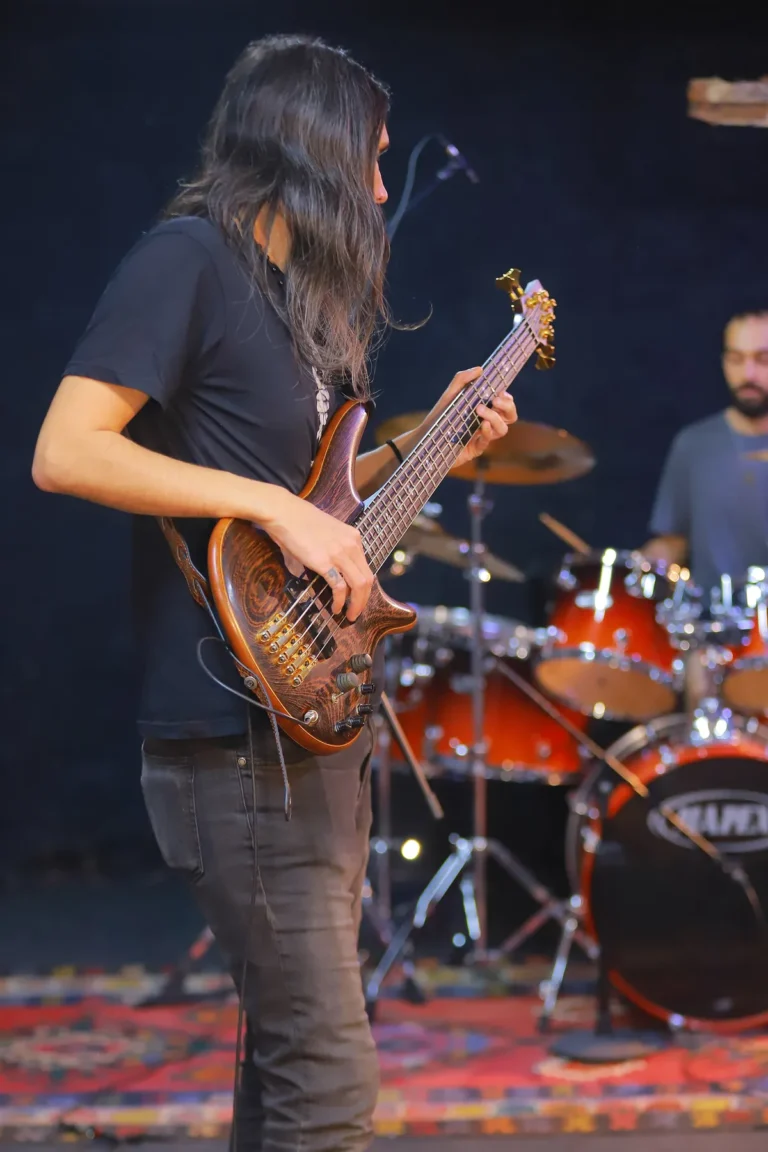
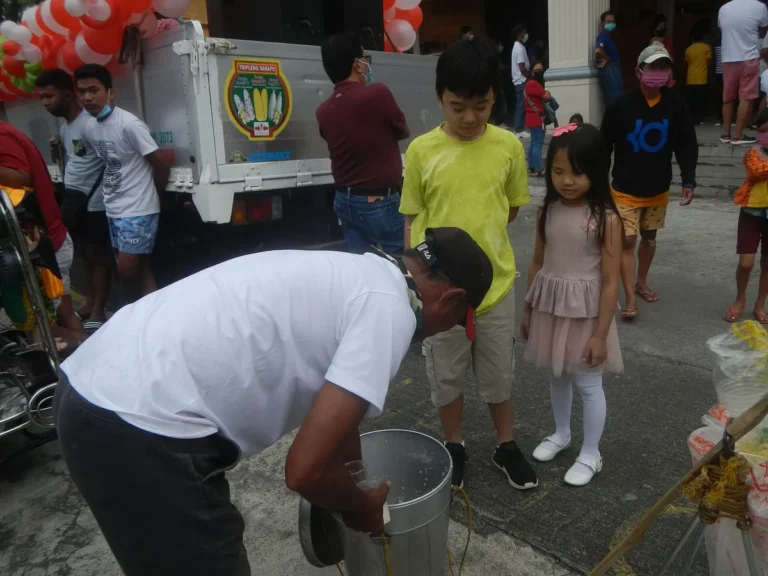
The documented programme is short, and every item on it is the kind of thing a small community does for itself. Music runs through the accounts, mentioned by both the newspaper and the public-radio layers. Cakewalks appear in the public-radio description, that old fundraiser in which participants circle numbered places to music and a lucky stop wins a cake. Dancing belongs to the same description. Family reunions are listed as a feature in their own right, which says a great deal about who the festival is for: people with Blackey roots, returning. The newspaper photo feature adds food and crafts in downtown Blackey, completing a picture of stalls, plates and handmade goods along the community’s own streets.
The community center maintained by the Blackey Improvement Committee is the anchor around which the committee’s events centre, according to the public-radio layer, while the newspaper layer puts the photographed edition downtown. Picture a modest footprint rather than a sprawling fairground: a small downtown, a community hall, music within earshot, and a crowd largely of people who know one another. Anyone expecting headline performers, midway rides or a printed stage schedule is reading the wrong record; none of those things appears in any layer read for this article.
Planning Your Visit
The single most important planning fact is an uncomfortable one: the season itself is unsettled in print. One documented edition fell on the fifteenth to the sixteenth of May. A newspaper reminiscence from two thousand eighteen gives the second Friday and Saturday of October. A culture-hub layer says autumn, and the tourism history describes the standalone community-day festivals as September and October events. Because those accounts conflict, no responsible guide can tell a traveller to circle one weekend and trust it. Anyone hoping to attend should confirm the timing locally, close to the season, through Letcher County channels, and should treat any single confident date found online with suspicion, particularly dates offered by generated travel listings of the kind disowned above.
Practical details are equally sparse. None of the layers read prints an admission price, so this article takes no position on what entry costs, or whether it costs anything at all. No contact details for the event appear in the sources read, and there is no organiser website in the record to consult. Blackey sits within Letcher County, with Whitesburg, the county seat, as the nearest larger centre for the ordinary needs of a trip. The festival’s small scale cuts both ways: crowds and parking pressure should be nothing like a big county event, but neither should anyone count on the infrastructure or published programming a larger festival provides.
A Sample Day at the Festival
Because no hour-by-hour schedule survives in the record, the day sketched here is a pattern built only from documented elements, not a timetable. It begins downtown, where the newspaper’s photographed edition placed the food and crafts, browsing what local makers have brought out and eating what the food stalls serve. Late morning belongs to the music that every account mentions, the background and foreground of the whole gathering. Around the middle of the day, the family reunions that the public-radio layer lists take their turn, with groups staking out their space and catching up in the way that only happens in person. The afternoon brings the cakewalk, part game and part fundraiser, and the dancing the same layer describes. By evening the day winds down at community pace, centred on the hall the Improvement Committee keeps, a celebration that asked nothing grand of anyone and delivered company instead.
How It Compares
The natural comparison is with the Mountain Heritage Festival in Whitesburg, treated under its own title elsewhere in this series. That event is the county’s flagship: a week-long, county-seat festival with a committee, a published history and dated editions stretching across recent years. Blackey Day stands in almost opposite relation to it. It is a single-community gathering, planned by a local improvement committee, documented mainly when journalists happen to visit, and historically connected to the flagship as one of its original community days, if the tourism account is followed. The other community days named in that account, Neon Day, Jenkins Day and Isom Day, are its siblings, each rooted in one small place rather than in the county as a whole. Where the Mountain Heritage Festival speaks for Letcher County, Blackey Day speaks for Blackey, and the difference in scale, documentation and certainty all flows from that.
A Visitor’s Checklist
- Confirm the season and dates locally before making any travel plan, since printed accounts disagree
- Treat confident dates from generated travel listings as unreliable until checked elsewhere
- Head for downtown Blackey and the community center, the documented centre of the gathering
- Bring cash in small notes for food stalls, crafts and the cakewalk, in case card payment is unavailable
- Allow unhurried time for the family-reunion side of the day, even as a guest watching on
- Dress for mountain weather that can shift between morning and evening in either spring or autumn
- Do not expect a printed stage schedule, headline acts or a midway; none is documented
- Respect that reunion groups are gathering for their own sake, and join in only where welcomed
Beyond the Festival
A trip to Blackey naturally widens into Letcher County. Whitesburg, the county seat, hosts the Mountain Heritage Festival, the parent event in the tourism layer’s account, and serves as the county’s main town for services. The other former community days, attached to Neon, Jenkins and Isom, hint at a whole calendar of small celebrations scattered through the county, each keeping its own place on the map. Blackey’s own story, including its years as an incorporated city before the dissolution recorded in two thousand twenty-two, gives the community a civic history larger than its present size suggests. Visitors who value places that tourism has not polished will find the county rewarding, provided they plan with the flexibility that thin documentation demands.
Why It Matters
A festival like this one matters precisely because it is small. The Blackey Improvement Committee, a volunteer body that also keeps the community center, plans the gathering; the programme is music, cakewalks, dancing, food and crafts; and the family reunions woven through it turn the day into a homecoming mechanism for a community whose people, like so many in the mountains, are scattered by work and life. When a place loses its incorporated status, as Blackey did in two thousand twenty-two, institutions of exactly this kind become the way the community still acts together. The conflicting paper trail is itself evidence of the event’s nature: it exists first for the people who live there, and only secondarily for the record.
Frequently Asked Questions
Why does the celebration appear under three different names?
Because no organiser’s own publication appears in the record to fix one styling. Tourism and culture-hub layers print Blackey Day, journalism prints Blackey Days, and an aggregator prints Blackey Days Festival, and this article keeps them separate rather than choosing.
Which account of the festival’s beginning should a reader believe?
Neither can be confirmed from the layers read. The county tourism layer derives Blackey Day from the Mountain Heritage Festival’s community days, while a county newspaper layer dates the beginning to the nineteen sixties, and the two claims are presented here side by side.
Is anything known about what entry costs?
No layer read for this article states an admission price of any kind, and none states that entry is free either. The honest position is that the cost, if any, simply is not in the published record examined.
How recent is the coverage of the event?
The freshest firmly anchored account in the record is a public-radio feature from two thousand twenty-two describing a then-current festival. No dated schedule for a more recent edition could be pinned down, which is the record’s clearest limitation.
What to Expect From the Next Letcher County Kentucky Blackey Day Festival
How often is Letcher County Kentucky Blackey Day Festival held?
The culture-hub layer’s wording, “Blackey hosts its annual Blackey Day”, and the public-radio layer’s description of a then-current annual festival both point to a yearly rhythm kept by the community. That annual character is one of the few points on which the scattered accounts agree.
When is the next Letcher County Kentucky Blackey Day Festival?
No source read announces a next edition with a settled date. Documented placements point in two directions, toward May in the newspaper photo feature and toward the second Friday and Saturday of October in the two thousand eighteen reminiscence, with autumn named by the culture-hub layer, so a future date has to be confirmed locally rather than read off the record.
Will the dates change?
They may already have changed more than once, if the conflicting accounts reflect genuine movement between spring and autumn rather than simple error in one layer. With no organiser publication in the record to announce a fixed weekend, the date for any coming edition should be treated as movable until the community itself confirms it.
Closing Note
Blackey’s festival rewards the reader who accepts it on its own terms: a committee-run homecoming in a small Letcher County community, documented warmly but thinly, with its name, season and beginnings all recorded in more than one version. What is certain is the substance underneath the uncertainty, neighbours gathering downtown for music, cakewalks, dancing, food, crafts and reunions, in a tradition the community has kept alive long enough for its own history to blur. For a place that no longer exists as a city, keeping that day, whenever in the year it falls, is no small achievement.