Harlan County Kentucky Black Bear Festival
Cumberland’s celebration of the black bear stands apart from the crop fairs and coal-heritage gatherings that fill much of the eastern Kentucky calendar, because its subject is a wild animal that still roams the ridges above the town. In print the event travels under two names: reference layers, the host college’s news layer and an eastern-Kentucky tourism layer call it the Kentucky Black Bear Festival, while a university news layer and a state magazine layer shorten that to Black Bear Festival. The county-first styling carried in this catalogue’s title appears in none of the layers read, and the two printed forms are kept separate throughout this article rather than blended into one. What survives is a moderate, ageing record: rich particulars for the festival’s first years, one fully described edition from two thousand sixteen, and nothing particularised after that year.
About
The festival’s home is Cumberland, a former coal town in Harlan County, Kentucky. Cumberland does not hold the county seat — that distinction belongs to Harlan, as a reference layer confirms — but reference layers consistently describe Kingdom Come State Park, on the heights by the town, as the site of the annual Kentucky Black Bear Festival. The state magazine layer’s account of the third annual edition spreads the grounds wider, placing activities both in that state park and at Isaac Memorial Rotary Park in downtown Cumberland. For the combined edition of two thousand sixteen, the host college’s news layer moves the setting again, onto the Cumberland campus of Southeast Kentucky Community and Technical College.
No single organiser stands behind every account. In the university news layer’s early report, the University of Kentucky Cooperative Extension’s Harlan County agent and the manager of the state park speak for the event, each identified here by role alone. The state magazine layer names the Cumberland Tourist Commission as a contact for the festival. The two thousand sixteen edition, by contrast, was staged on the college campus alongside the Kingdom Come Swappin’ Meetin’. Because the layers credit different hands at different times, this article adopts no one organiser form and merges none of them. The state magazine and college layers do print telephone numbers for the tourist commission, the state park and festival contacts; those numbers exist in the record, but their values are not reproduced here.
Quick Facts
| Item | Detail |
| Published name | Kentucky Black Bear Festival |
| Shorter printed form | Black Bear Festival |
| Host town | Cumberland, Harlan County, Kentucky |
| County seat | Harlan, not Cumberland |
| Principal grounds | Kingdom Come State Park |
| Other documented grounds | Isaac Memorial Rotary Park and the college campus in Cumberland |
| Earliest particularised edition | Second annual, mid-two thousands |
| Latest particularised edition | Twelfth annual, two thousand sixteen |
| Programme character | Bear education, music, crafts and food |
| Organiser | No single form adopted in the record |
History
The earliest particularised account comes from a university news layer reporting on the previous summer, when the festival’s second annual edition took place at Kingdom Come State Park in the mid-two thousands. Schoolchildren at that edition learned about black bears, looked at bear art and photographs, and tried archery and fishing. The same report expected attendance at the second annual festival to reach five thousand, up from about one thousand in the first year — an expectation recorded here exactly as the layer framed it, not as a counted gate.
The state magazine layer carries the third annual edition, held from Friday the twelfth to Saturday the thirteenth of May in a year that layer leaves unfixed in the material read; no year is assigned to it here. By then the festival occupied both Isaac Memorial Rotary Park downtown and Kingdom Come State Park, and its programme had widened considerably beyond the children’s activities of the first account, as the following sections describe.
For a useful comparison, see the Harlan County Kentucky Kingdom Come Swappin’ Meetin’ Festival for another county festival.
The last particularised edition is the twelfth annual, held from Friday the thirtieth of September to Saturday the first of October two thousand sixteen. The host college’s news layer documents it as a combined occasion: the bear festival shared the Southeast Kentucky Community and Technical College Cumberland campus, and the same weekend, with the fifty-second Kingdom Come Swappin’ Meetin’, while remaining a distinct event with its own billing.
Beyond those accounts, the written trail thins. Reference layers continue to describe the festival as an annual presence at Kingdom Come State Park, yet no layer read particularises any edition after two thousand sixteen. No credible layer states the year the festival began, and the second, third and twelfth annual billings are treated throughout as billings only, never as arithmetic from which a first year could be worked out. One content-farm page asserts that the festival began in nineteen ninety-five; that page is disowned in this research, and its assertion is recorded only so that it can be set aside rather than repeated as history.
What to Expect
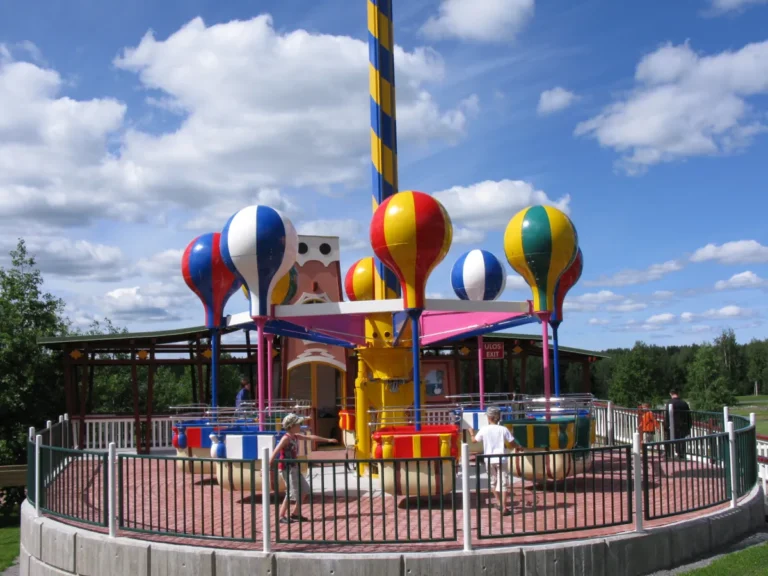
Picture the third annual edition as the state magazine layer describes it, spread between a downtown park and a state park, and the festival’s character comes into focus. Amusement rides turned at Isaac Memorial Rotary Park while craft demonstrators worked nearby and sellers offered food, crafts and black bear merchandise. A small train carried younger visitors around the grounds, and live bluegrass and country music supplied the soundtrack. The educational strand ran deeper than a mascot appearance: the university’s agriculture college and the county extension service led bear-education programmes, including tracking sessions and animal-track demonstrations for visitors who wanted to read the woods the way a biologist does.
Children sat at the centre of the earliest account as well. At the second annual edition, the university news layer records schoolchildren studying black bears directly, viewing bear art and photographs, and practising archery and fishing at Kingdom Come State Park, which gave the young audience of a coal-county town a structured encounter with an animal many knew mainly by reputation.
The two thousand sixteen edition sounded different again. With the festival sharing the college campus with the Swappin’ Meetin’, the host college’s news layer describes a carnival open throughout the weekend, a gospel sing in the campus theatre on the Friday evening, and performances sheltered under a concert tent. Taken together, the layers sketch an event that mixes wildlife teaching with the standard pleasures of a Kentucky fair weekend — rides, music, food and craft stalls — weighted unusually heavily toward the teaching.
Planning Your Visit
Timing is the first puzzle, because the dated editions in the record fall in different seasons. The third annual edition ran across a Friday and Saturday in May, the twelfth annual occupied the last day of September and the first of October two thousand sixteen, and the second annual belonged to a summer reported in the mid-two thousands. Anyone hoping to attend a future edition therefore cannot simply circle the month that a previous festival used and assume the pattern holds.
Grounds matter for the same reason. Depending on the year described, activities sat at Kingdom Come State Park, at Isaac Memorial Rotary Park in downtown Cumberland, or across the Cumberland campus of Southeast Kentucky Community and Technical College, so the venue attached to any announcement deserves a close reading before travel is arranged.
On admission, the layers read are silent in both directions: none states a gate price, and none describes general entry as free, so no position is taken here either way. What the record does offer is a route to answers, since the state magazine and college layers print telephone numbers for the Cumberland Tourist Commission, the state park and festival contacts. Because nothing is particularised after two thousand sixteen, confirming that a current edition exists, and where and when it sits, is an essential step rather than a formality.
A Sample Festival Day
A morning could begin at Isaac Memorial Rotary Park with the craft demonstrations, watching makers at work before the crowds thicken around the food and merchandise stalls. Late morning suits the bear-education sessions, when the university’s agriculture college and the county extension service run their tracking and animal-track demonstrations. After lunch bought from the festival food sellers, younger visitors can ride the small train and try the amusement rides, while the bluegrass and country sets carry the afternoon. Visitors who range up to Kingdom Come State Park can fold the park grounds themselves into the day, since the state magazine layer places part of the same edition there. An evening shaped by the two thousand sixteen pattern would end differently — with the gospel sing in the campus theatre — which shows how much the shape of a day depends on which edition a visitor follows.
How It Compares
The natural comparison stands close at hand. The Kingdom Come Swappin’ Meetin’, the folk gathering staged at the same college, celebrates Appalachian craft, music and heritage; the bear festival shares its town and, in the combined two thousand sixteen year, its campus, yet keeps a separate identity, its programme turned toward wildlife education, children’s archery and fishing, and the animal itself. In that year the two occupied one campus across one weekend without merging, and their records are kept apart here.
Wider afield, a ticketing layer documents a National Black Bear Festival in Plymouth, North Carolina; despite the near-identical theme, that gathering belongs to another state and another organising tradition and forms no part of this festival’s story. A generic listicle page goes further astray, describing a rotating North Carolina and South Carolina Black Bear Festival and even a Woodford County edition; none of those claims concerns the Cumberland event, and none is used in this article.
Visitor Checklist
- Confirm a current edition, its dates and its grounds before travelling, since the record particularises nothing after two thousand sixteen
- Check which grounds an announcement names: the state park, the downtown rotary park or the college campus
- Carry money for food, craft and black bear merchandise stalls
- Leave time for the bear-education and animal-track demonstrations
- Dress for a full day outdoors split between a downtown park and a hilltop state park
- Keep the children’s archery and fishing sessions in mind when timing the day
Beyond the Festival Grounds
The festival’s settings double as its surroundings. Kingdom Come State Park, described by reference layers as the festival’s annual home, gives visitors the event’s own ground to explore beyond the stalls and stages. Isaac Memorial Rotary Park anchors the downtown edition in the middle of Cumberland, close to the town’s everyday life rather than set apart from it. The college campus, used in two thousand sixteen, ties the festival to the institution whose news layer preserves some of its fullest accounts. Moving between those three settings across different years, a returning visitor would piece together a portrait of Cumberland itself: its downtown streets, its hilltop park and its campus on the edge of town.
Why the Festival Matters
Within Harlan County’s crowded festival calendar, this event carries a distinct brief: it teaches. The involvement of the university’s agriculture college and the county extension service gave its bear-education programmes an instructional weight beyond entertainment, and the earliest account centres schoolchildren rather than stage acts. The expected climb from about one thousand visitors in the first year to five thousand at the second annual edition suggests the formula found an audience quickly. Reference layers still grant the Kentucky Black Bear Festival an annual place at Kingdom Come State Park, which keeps Cumberland associated with the animal in the state’s imagination even though the particularised record stops in two thousand sixteen. For a county often described through coal alone, a festival that sends children home knowing how to read a bear’s tracks offers a different story about what the mountains hold.
Frequently Asked Questions
Under what name does the festival actually appear in print?
The longer styling in this catalogue’s title appears in no layer read. Reference layers, the host college’s news layer and an eastern-Kentucky tourism layer print Kentucky Black Bear Festival, while a university news layer and a state magazine layer use the shorter Black Bear Festival; the two forms are recorded unmerged, exactly as each layer gives them.
Which Cumberland grounds appear across the documented editions?
Three settings recur. Reference layers name Kingdom Come State Park as the annual site; the third annual edition also used Isaac Memorial Rotary Park downtown; and the two thousand sixteen edition shared the Cumberland campus of Southeast Kentucky Community and Technical College with the Swappin’ Meetin’.
What did the festival offer children in its early editions?
Plenty, on the university news layer’s account of the second annual edition: direct teaching about black bears, bear art and photographs to view, and chances to practise archery and fishing at Kingdom Come State Park. The third annual edition added a small train ride among its downtown attractions.
Is a ticket price given anywhere in the record?
No layer read states what general entry costs, and none calls the festival free, so this article takes no position on admission. The state magazine and college layers instead print telephone contacts for the tourist commission, the state park and the festival itself, which remain the documented route to current details.
What to Expect From the Next Harlan County Kentucky Black Bear Festival
How often is Harlan County Kentucky Black Bear Festival held?
Reference layers describe the Kentucky Black Bear Festival as an annual event at Kingdom Come State Park, and the billings preserved in the record — second annual, third annual and twelfth annual — follow a yearly count. That annual description stands as the layers give it; it is not converted here into any claim about a first year.
When is the next Harlan County Kentucky Black Bear Festival?
No date can be offered from this record. The most recent particularised edition ran from the thirtieth of September to the first of October two thousand sixteen, and the layers read particularise no edition after that year, so any future date would have to come from a fresh announcement rather than from anything documented here.
Will the dates change?
They already vary within the record: the third annual edition fell on a Friday and Saturday in May, the second annual belonged to a summer, and the twelfth annual straddled the end of September and the start of October. A future edition could reasonably sit in either season, which is why its dates would need confirming rather than assuming.
Closing
The Kentucky Black Bear Festival survives in print as a good idea documented unevenly: vivid in its first years, fully described once more in two thousand sixteen, and quiet thereafter. What the layers preserve — bear teaching for schoolchildren, music and rides split between a state park and a downtown park, and one shared campus weekend with the Swappin’ Meetin’ — is enough to show what Cumberland built around its bears, and enough to mark exactly where the record runs out.