Hardin County Kentucky Glendale Crossing Festival
On a single Saturday each October, the unincorporated community of Glendale in Hardin County, Kentucky, turns its historic downtown over to one of the largest one-day gatherings in the county. The event is published as the Glendale Crossing Festival, a name carried by the organiser’s own site, by a state travel-industry press-release layer, by a tourism layer, by a regional radio layer and by an encyclopedia and reference layer alike. Its ground is Main Street and Community Park, and its documented shape stays consistent across those layers: booths in the hundreds, a morning parade down Main Street, and a stage given over to local talent. What the record will not do is settle every question a visitor might ask. No layer states what it costs to walk in, and the printed claims about how long the festival has run sit side by side without being reconciled. This article keeps each claim with the layer that printed it: a booth-lined October Saturday in a small community that is not the county seat, presented under two organiser name forms recorded exactly as printed, never merged into one.
About the Glendale Crossing Festival
Every layer read publishes the event under the same name, Glendale Crossing Festival, and that agreement is worth noting because parts of the record are thinner elsewhere. Glendale itself is an unincorporated community in Hardin County, which means the festival’s host has no city government of its own; the county seat is Elizabethtown, a distinction the reference layer states plainly and one visitors often miss. The ground the festival occupies is documented by a festival-directory layer and by the organiser’s own site as Main Street and Community Park in historic downtown Glendale, so the celebration spreads along the community’s main thoroughfare rather than filling a fairground.
Who presents it is recorded under two forms. The organiser’s own site names a Glendale Crossing Festival Committee. A regional radio layer, meanwhile, references a social page under the name Glendale Crossing Festival Inc. The two forms are printed exactly as their layers print them, unmerged, because the record does not say whether they describe one body under two styles or two related bodies. Dated editions anchor the event across more than a decade of coverage: the seventeenth of October two thousand fifteen in the press-release layer, the twenty-first of October two thousand twenty-three in the tourism layer, and the seventeenth of October two thousand twenty-six in a county chamber roundup layer.
Quick Facts
| Fact | Record |
| Published name | Glendale Crossing Festival |
| Host community | Glendale, an unincorporated community in Hardin County, Kentucky |
| County seat | Elizabethtown; Glendale is not the seat |
| Venue | Main Street and Community Park, historic downtown Glendale |
| Organiser forms on record | Glendale Crossing Festival Committee; Glendale Crossing Festival Inc. |
| Documented editions | Two thousand fifteen, two thousand twenty-three and two thousand twenty-six, each an October Saturday |
| Hours on record | Eight in the morning to five in the afternoon, with a parade at ten in the morning |
| Programme | Antiques, arts and crafts and food booths, a Main Street parade, a stage with local talent |
| Admission on record | No layer states a gate price, and none states that entry is free |
| Standing on record | Chosen by a state travel-industry release among its fall top festivals |
History
The deepest claim in the record belongs to the state travel-industry press-release layer, which states that the festival has run “since 1976”, always on the third Saturday in October. That release, written for the two thousand fifteen edition, also selected the festival among its fall top festivals. Separately, the tourism layer bills the two thousand twenty-three edition as the forty-fourth annual. Those two claims are recorded here as printed and unmerged: the release’s wording stands as that layer’s statement, the billing stands as the tourism layer’s, and this article does not reconcile them or convert either into a founding year, because a billing is not a birth certificate.
One further claim appears only to be set aside. A content-farm festival page asserts that the event was “established in 1998”, a date that conflicts with every credible layer read, and the research record disowns that page outright; it was not relied on for anything in this article, and its founding claim appears here only as disowned. The documented editions span two thousand fifteen to two thousand twenty-six in print, the publicity claims a much longer run behind them, and the organiser’s own site names the two thousand twenty-six parade grand marshals, an honour recorded here by role rather than by family name.
For a useful comparison, see the Hardin County Kentucky Heartland Harvest Festival for another county festival.
What to Expect
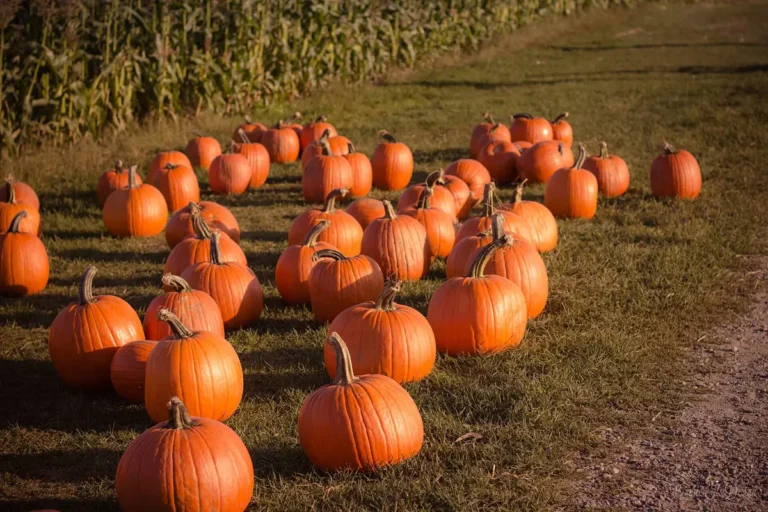
Booths are the festival’s centre of gravity, and every layer agrees on their scale even where the counts differ. The press-release layer, describing the two thousand fifteen edition, puts the art, craft and food booths at about five hundred. The regional radio layer, describing a recent edition, reports more than four hundred vendors. Together they describe a downtown filled with selling space: antiques, arts and crafts and food booths in the hundreds, in the directory layer’s summary, lining the historic storefront district. Picture a small community’s main street converted for one day into a market several hundred stalls deep.
The parade is the day’s fixed point. Both the press-release layer for two thousand fifteen and the chamber roundup layer for two thousand twenty-six place it at ten in the morning on Main Street, inside festival hours of eight in the morning to five in the afternoon, and the radio layer’s recent-edition account repeats the same parade hour and the same opening and closing times. The directory layer adds a stage with local talent, giving the day a rolling programme while the market runs. Nothing in the layers read documents headline acts, ticketed concerts or evening programming beyond the five o’clock close, so the honest picture is a daytime street festival: browsing from eight, a parade at ten, local performers through the day, and a hard stop in the late afternoon.
Planning Your Visit
The practical shape of a visit follows from the documented shape of the day itself. The festival occupies one Saturday, placed by the press-release layer’s stated rule: always the third Saturday in October. The dated editions in the record honour that rule in print, falling on the seventeenth of October in two thousand fifteen, the twenty-first of October in two thousand twenty-three and the seventeenth of October in two thousand twenty-six, each running from eight in the morning to five in the afternoon. Anyone planning around the parade should be in place on Main Street before ten in the morning, the one appointment every layer agrees on.
Admission is the record’s open question. No source read states a gate price, and no source states that the festival is free, so this article takes neither position; a visitor budgeting for the day should know the layers are silent on the point. Money for booth purchases is the obvious expense the record does support, given several hundred vendors. The press-release layer does print a telephone number for the event, recorded here by existence only, the documented route for questions the listings do not answer. Most visitors will treat the trip as a day visit, leaving when the booths close at five.
A Sample Day at the Festival
An itinerary built only from documented elements starts at eight in the morning, when the festival opens and the first of several hundred booths begin trading along Main Street and around Community Park. The opening hour is the quietest browsing time, suited to the antiques and crafts stalls before the street fills. By ten in the morning the parade takes over Main Street, the fixed appointment in every dated layer, so the mid-morning belongs to finding a place along the route. After the parade, the afternoon divides between a second pass through the food booths for lunch, the stage with local talent, and a slower circuit of the craft sellers missed earlier. The documented day ends at five in the afternoon, running market, parade, stage, market again, all inside nine hours on one street.
How the Documented Editions Compare
Comparing the editions shows a festival whose printed outline barely moves even as its publicity numbers shift. The two thousand fifteen press release is the most generous portrait: about five hundred booths, a state top-festivals selection, and the long tradition claim. The two thousand twenty-three tourism layer contributes the forty-fourth annual billing and nothing that contradicts the format. The two thousand twenty-six chamber roundup restates the same hours and parade time, while the radio layer’s recent-edition count of more than four hundred vendors sits a little below the release’s earlier figure. Those numbers come from different layers and different years, so they are not averaged or blended here. What never changes is the skeleton: one October Saturday, eight to five, parade at ten, booths in the hundreds, local talent on a stage, downtown Glendale as the whole venue.
A Visitor’s Checklist
- Fix the date by the third Saturday in October, the placement the press-release layer states
- Arrive near the eight in the morning opening for the calmest booth browsing
- Be standing on Main Street before ten in the morning for the parade
- Carry money for purchases, since several hundred vendors are the day’s main expense
- Check admission for yourself, because no layer states a gate price or promises free entry
- Plan around a five in the afternoon finish, with no documented evening programme
- Remember that Elizabethtown, not Glendale, is the Hardin County seat when arranging the wider trip
Beyond the Festival Day
Outside its one Saturday, Glendale returns to being what the reference layer describes: an unincorporated community in Hardin County whose historic downtown and Community Park anchor local life without a festival crowd in them. The same Main Street that holds several hundred booths in October is the community’s everyday centre, and the park is a year-round piece of that setting. Travellers on a wider Hardin County trip will pass through Elizabethtown, the county seat, which the record mentions only in that role; nothing about the seat’s own attractions is documented in the layers read. The beyond-the-day picture is therefore modest: a small historic downtown that hosts one very large gathering each fall and otherwise stays quiet.
Why This Festival Matters
For an unincorporated community, the scale on record is striking. Several hundred booths and a parade drawing on the whole downtown is the kind of footprint usually associated with a county seat or a fairground, yet the layers place all of it on Glendale’s Main Street. The state travel-industry release’s decision to select the festival among its fall top festivals shows the event registering well beyond the community itself, and the tourism layer’s forty-fourth annual billing for two thousand twenty-three, whatever its relationship to the longer tradition claim, shows the festival marketed as a mature institution rather than a novelty. A one-day gathering that can be billed that way and still fill a downtown with vendors year after year is a genuine piece of Hardin County’s civic calendar, with a documentary trail across press-release, tourism, radio, chamber and reference layers unusually broad for a community of Glendale’s size.
Frequently Asked Questions
Under what name do the sources publish this event?
Every layer read uses Glendale Crossing Festival, from the organiser’s own site to the state travel-industry press-release layer, the tourism layer, the regional radio layer and the encyclopedia and reference layer. The sheet-style county prefix belongs to this article’s catalogue title rather than to any source’s printing.
Which body presents the festival?
The record prints two organiser forms and leaves them unmerged. The organiser’s own site names a Glendale Crossing Festival Committee, while a regional radio layer references a social page under the name Glendale Crossing Festival Inc. Neither form is preferred over the other here, because the sources do not explain how they relate.
Do the layers name a gate price for admission?
No layer read states a gate price, and no layer states that the festival is free. Admission is simply absent from the record, so this article takes no position and treats booth spending as the expense the sources actually support.
How far back do the printed claims reach?
The press-release layer states the festival has run “since 1976”, the deepest claim in the record. The tourism layer separately bills two thousand twenty-three as the forty-fourth annual. Both stand as printed, unreconciled, and neither is converted into a founding year here; a content-farm page’s differing claim was disowned and not relied on.
What to Expect From the Next Hardin County Kentucky Glendale Crossing Festival
How often is Hardin County Kentucky Glendale Crossing Festival held?
The documented editions each occupy a single October Saturday, and the press-release layer states the placement plainly: always the third Saturday in October. The dated editions in the record, across two thousand fifteen, two thousand twenty-three and two thousand twenty-six, all follow that pattern, and no layer describes the event as running more than one day.
When is the next Hardin County Kentucky Glendale Crossing Festival?
The latest edition the layers document is the seventeenth of October two thousand twenty-six, with hours of eight in the morning to five in the afternoon and a ten in the morning parade in the chamber roundup layer. No layer read announces a date beyond that edition; the only forward guidance in the record is the press-release layer’s standing placement on the third Saturday in October.
Will the dates change?
Nothing in the layers read announces any change to the festival’s placement, and the third-Saturday-in-October rule stated by the press-release layer matches every dated edition documented since, in two thousand fifteen, two thousand twenty-three and two thousand twenty-six alike. On the evidence printed, the October Saturday position looks settled, though only the organisers’ own future listings could confirm a given year’s date.
Closing
The Glendale Crossing Festival, as the record prints it, is a one-day October institution: several hundred booths on Main Street and around Community Park, a ten in the morning parade, local talent on a stage, and a five o’clock finish, all in an unincorporated community that borrows the county’s attention for a day. Its name and hours are consistent, and its organiser appears under two printed forms left exactly where the sources put them. What the record withholds, it withholds plainly: no gate price, no promise of free entry, and two long-run claims, “since 1976” and a forty-fourth annual billing, standing unreconciled side by side. A visitor who works from those facts, and checks the details the listings omit, will arrive knowing precisely what the sources promise and what they do not.