Fleming County Kentucky FFA Tractor Parade Festival
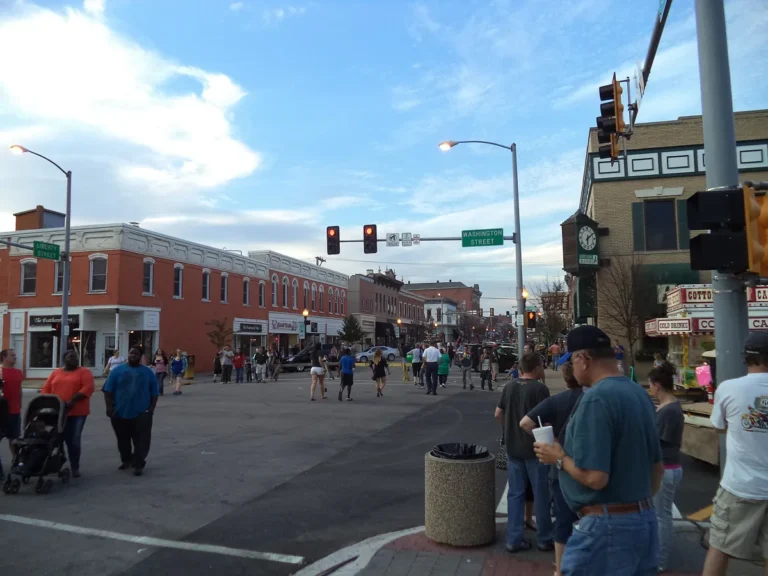
On an autumn Friday afternoon in Flemingsburg, the working machines of a farming county leave the fields and take over the main street. The Fleming County Kentucky FFA Tractor Parade Festival is the sheet title for an event the published layers know more simply as the Fleming County FFA Tractor Parade, a procession of tractors and agricultural vehicles that rolls from the Farmers Stockyards through downtown and out to Fleming County High School. It closes the county’s Agricultural Education Week, it carries a fresh theme and a grand marshal each year, and in two thousand twenty-five it drew a turnout larger than the two hundred sixty-nine tractors recorded the year before, with thousands of spectators gathered along Main Street to watch. What follows sets out everything the record supports: the name the layers actually print, the route, the documented editions, the people and bodies behind it, and the points on which the sources stay silent.
About the Parade
The first thing to settle is the name. A local newspaper layer, agricultural-press layers and a chamber newsletter layer all print the event as the Fleming County FFA Tractor Parade, and the same layers shorten it to FFA Tractor Parade when space is tight. None of them attaches the word Festival to the parade’s name, so the longer sheet title at the top of this page is a filing label rather than a published form, and the two printed forms are kept apart here instead of being blended into one.
The parade belongs to the Fleming County FFA and sits inside the county’s Agricultural Education Week, where it serves as the week’s closing event. That placement matters for anyone picturing the day: the tractors are not a standalone stunt but the public finale of a school-centred week, which is why student participation from across the district runs through every account of the procession. Flemingsburg, the host town, is the county seat of Fleming County, a point a local-history reference layer confirms. A school layer adds that the A Better Community Foundation helps plan and conduct both Agricultural Education Week and the FFA Tractor Parade, while agricultural-press layers credit the parade’s organisation to a named parade organiser who is described in this article by role alone. Those accounts describe different parts of the same undertaking, and they are reported side by side rather than fused into a single organising body, because no layer read merges them either.
Quick Facts
| Item | Detail |
| Published name | Fleming County FFA Tractor Parade |
| Shorter printed form | FFA Tractor Parade |
| Host town | Flemingsburg, Kentucky |
| County seat | Flemingsburg is the seat of Fleming County |
| Parade route | Farmers Stockyards, through downtown on Main Street, to Fleming County High School |
| Organising frame | The Fleming County FFA’s event within Agricultural Education Week |
| Planning support | The A Better Community Foundation helps plan and conduct the week and the parade, per a school layer |
| Documented two thousand twenty-five edition | Friday the third of October, one in the afternoon, billed as the 22nd annual |
| Documented two thousand twenty-six listing | The ninth of October, one in the afternoon, per a chamber newsletter calendar |
| Admission record | No layer states a charge to watch, and none is relied on for a free-entry claim |
History
The agricultural-press layers give the parade a purpose before they give it a past: the community launched the procession, they say, to express appreciation to local farmers. That motive explains the shape the event still takes, a working fleet driven slowly through the county seat at harvest season rather than a display parked behind ropes. Beyond that founding purpose, the layers are sparing with early detail. Earlier editions are evidenced mainly by the annual billing sequence itself, which places the two thousand twenty-five parade as the 22nd annual running. That billing is recorded here exactly as printed, and no founding year is worked out from it, because counting backwards from an annual number would assume an unbroken run that no layer confirms. The chamber newsletter’s two thousand twenty-six autumn calendar, which lists the parade again as an annual fixture, supports the picture of an unbroken modern rhythm without filling in the early years. Where a researcher might hope for a charter date or a first-parade photograph described in print, the sources instead offer the appreciation motive and the numbering, and this article stays inside that boundary. What the record does show plainly is continuity of form: a themed procession, a grand marshal riding at its head, students taking part from across the school district, and the parade closing out a week devoted to agricultural education in the county’s schools. Contact routes through the extension office and the organisers are referenced in the layers, but they are noted here by existence only.
What to Expect
Rolling stock is the whole show. Newspaper and agricultural-press layers describe a procession of tractors and agricultural vehicles moving through downtown, led in two thousand twenty-five under the theme “The Voice of Agriculture” and headed by a grand marshal who is a former Kentucky Farm Bureau president, referred to here by that role rather than by name. Students participate from across the school district, so the line mixes family farm machines with entries tied to the week’s school programme, and the agricultural-press layers treat that district-wide student presence as a defining feature rather than a sideshow. The pairing of a named-by-role grand marshal with a fresh theme each year gives every edition a headline of its own while the route and the machinery stay familiar. Scale is the other documented feature: an event-report layer records that participation in two thousand twenty-five exceeded the previous year’s two hundred sixty-nine tractors, and agricultural-press layers put the crowd along Main Street in the thousands. The same event-report layer notes that the parade received live coverage through the local newspaper’s social channel, described generically here. Because the parade is the finale of Agricultural Education Week, which ran from the twenty-ninth of September to the third of October in two thousand twenty-five, the procession arrives with a week of school-based agricultural activity already behind it.
For a useful comparison, see the Fleming County Kentucky Fleming County Court Days Festival for another county festival.
Planning Your Visit
Timing is refreshingly simple. Both documented editions start at one in the afternoon, the two thousand twenty-five parade on Friday the third of October and the chamber newsletter’s two thousand twenty-six listing on the ninth of October. A spectator’s plan therefore turns on position rather than tickets: the route lines up at the Farmers Stockyards, travels through downtown Flemingsburg along Main Street, and concludes at Fleming County High School, so a spot on Main Street puts the full procession in front of you while the ends of the route suit anyone who prefers the lineup or the finish. Arriving ahead of the one o’clock start matters, since thousands of spectators were reported along Main Street for the two thousand twenty-five running. On cost, the honest summary is that the layers are silent: nothing read states a charge to watch the parade, and nothing is relied on here as an express claim that entry is free. It is a public street parade, and readers should treat that silence as the whole of the admission record rather than filling it in either way.
A Sample Parade Day
A workable afternoon shapes itself around the single fixed point of the one o’clock start. Late morning belongs to downtown Flemingsburg, where a visitor can settle into a Main Street vantage point before the crowds thicken and take in the county seat at its busiest. When the procession moves off from the Farmers Stockyards, the downtown stretch delivers the heart of it: tractor after tractor passing at parade pace, the grand marshal’s entry marking the head of the line, and the sheer count of machines making the two hundred sixty-nine-plus turnout easy to believe. After the last vehicles clear Main Street, the route’s conclusion at Fleming County High School offers a second look at the fleet as it arrives and disperses. Anyone staying on can treat the rest of the afternoon as unhurried time in town, reflecting on a week that the parade has just closed, since Agricultural Education Week builds toward this single Friday finale rather than competing with it.
How the Parade Compares
The natural comparison inside the county is also the one most likely to confuse, so it is worth stating directly. Fleming County Court Days includes an antique tractor show, a stationary display that forms one component of that different festival. The FFA Tractor Parade is not that show: it is a moving procession, organised around the FFA and Agricultural Education Week, and the two events share nothing but tractor power and a county. Tractor parades and pulls held in other Kentucky counties are likewise separate undertakings and none of their details are imported here. Measured against the county’s other gatherings, the parade’s documented footprint is unusually concrete for a single afternoon: a stated route, a stated start time, a themed edition, a grand marshal, and tractor counts reported year on year, all carried by local newspaper and agricultural-press coverage rather than by a single listing.
A Spectator Checklist
- Reach Main Street before one in the afternoon, when both documented editions begin.
- Pick a downtown position for the full procession, or the high school end for the finish.
- Leave room in the plan for crowds counted in the thousands along the route.
- Remember the parade closes Agricultural Education Week, so school activity fills the days before it.
- Treat admission as unrecorded; no layer promises a charge or guarantees free entry.
- Keep the antique tractor show at Court Days filed as a separate event in your plans.
- Check the chamber’s autumn calendar, which carried the two thousand twenty-six date.
Beyond the Route
The parade rewards a wider look at the county it celebrates. Flemingsburg’s role as county seat gives the procession its civic stage, and the Farmers Stockyards at one end of the route and the high school at the other anchor it between the county’s livestock trade and its classrooms. Agricultural Education Week, running from the twenty-ninth of September to the third of October in two thousand twenty-five, spreads the theme across the school district before the tractors roll, with the A Better Community Foundation helping to plan and conduct the week according to the school layer. A visitor who arrives only for the parade still catches its point: the week teaches, and the parade thanks. The surrounding county’s other autumn fixtures, including Court Days with its own tractor show, sit nearby on the calendar without overlapping this event’s identity. Extension-office contact routes are referenced in the layers for anyone planning around the week, though they are noted here by existence only, and the chamber newsletter’s autumn calendar shows how the parade is filed locally among the season’s fixtures rather than promoted as a regional draw.
Why the Parade Matters
Few community events state their gratitude as literally as this one. The agricultural-press account says the parade began as the community’s way of appreciating its farmers, and the modern numbers suggest the gesture has grown rather than faded: participation in two thousand twenty-five passed the previous year’s two hundred sixty-nine tractors, students from across the school district take part, and thousands line Main Street for a one-afternoon procession. It also gives Agricultural Education Week a public ending that a classroom cannot supply, putting the machinery of local farming in front of the whole town at once. The grand marshal’s role, filled in two thousand twenty-five by a former Kentucky Farm Bureau president, ties the county’s celebration to the wider world of Kentucky agriculture. For a farming county, that combination of school, farm and main street in a single line of tractors is the parade’s real substance.
Frequently Asked Questions
Which name do the published layers use for this event?
They use Fleming County FFA Tractor Parade, shortened in the same layers to FFA Tractor Parade. The word Festival appears in no layer read as part of the event’s name, so the fuller title on this page is a sheet label rather than a printed form.
How large did the two thousand twenty-five turnout become?
An event-report layer records participation exceeding the previous year’s two hundred sixty-nine tractors, while agricultural-press layers describe thousands of spectators along Main Street. The two thousand twenty-five edition ran on Friday the third of October under the theme “The Voice of Agriculture.”
Who stands behind the parade’s organisation?
The Fleming County FFA holds the event within Agricultural Education Week, a school layer credits the A Better Community Foundation with helping to plan and conduct both the week and the parade, and agricultural-press layers name a parade organiser who is identified here by role only.
Does watching the parade cost anything?
On that point the sources are quiet in both directions. Nothing states a charge to watch or attend, and nothing is relied on here as an express promise of free entry, so this article takes no position beyond reporting that silence for a public street parade.
What to Expect From the Next Fleming County Kentucky FFA Tractor Parade Festival
How often is Fleming County Kentucky FFA Tractor Parade Festival held?
The layers bill the parade as an annual event, with the two thousand twenty-five running numbered as the 22nd annual, and a chamber newsletter layer carries it in the two thousand twenty-six autumn calendar as the annual tractor parade.
When is the next Fleming County Kentucky FFA Tractor Parade Festival?
A chamber newsletter layer lists the annual tractor parade for the ninth of October two thousand twenty-six at one in the afternoon, the same starting time as the documented two thousand twenty-five edition. That layer prints no further particulars for the day.
Will the dates change?
The two documented dates sit close together in early October, the third in two thousand twenty-five and the ninth in two thousand twenty-six, each at one in the afternoon. Nothing in the layers read announces a shift away from that early-autumn Friday pattern.
Closing Note
The Fleming County FFA Tractor Parade asks very little of its audience: be on Main Street by one, and watch a farming county drive past. Behind that simplicity sits a well-kept record of route, theme, marshal and machine counts, a week of agricultural education in the schools, and a founding purpose that the agricultural press states in one plain sentence, a community thanking its farmers. The record leaves a founding year unclaimed and admission unstated, and this article leaves both exactly where the layers leave them.