Carter County Kentucky Carter County Bigfoot Fest Festival
In the hill country of eastern Kentucky, the small town of Olive Hill set aside a September Saturday for a creature that has never once been photographed clearly, weighed, or coaxed into filling out a form. The gathering is documented by a county tourism layer under the name Carter County Bigfoot Fest: one day at the town’s historic Depot devoted to speakers, researchers, first-hand encounter reports, a pair of television-famous guests, contests in calling and costume, and food trucks. It is a modest record — a single dated edition, written up once — but it is a genuine one, and this article stays inside it. Where the layers fall silent, on admission, on origins, on any second year, the silence is reported as silence rather than decorated into fact.

About
The event circulates in print under three related names, and they are kept apart here exactly as the sources keep them. A county tourism layer calls it the Carter County Bigfoot Fest and shortens that, within its own text, to Bigfoot Fest. A cryptozoology directory layer lists the same Olive Hill gathering as the Carter County Bigfoot Festival. The doubled wording of this article’s title, ending in the words Fest Festival, appears in none of the layers read; it belongs to the listing sheet alone.
Olive Hill hosts the day. It is a Carter County town, though not the county’s seat — reference layers give that standing to Grayson — and the venue, as the tourism layer prints it, is the historic Depot in Olive Hill. The announcement itself reached the public through Carter County Tourism: a community-events platform layer carries the tourism office’s post, and no separate organising body is named anywhere in the material read. Whoever books the speakers and parks the food trucks, the published record leaves them anonymous.
Quick Facts
| Item | Detail |
| Published name | Carter County Bigfoot Fest |
| Other printed forms | Bigfoot Fest; Carter County Bigfoot Festival |
| Host town | Olive Hill, Kentucky |
| County | Carter County |
| County seat | Grayson — Olive Hill does not hold that status |
| Venue | The historic Depot, Olive Hill |
| Documented edition | Saturday the thirteenth of September, two thousand twenty-five |
| Programme | Speakers, researchers, encounter reports, calling and costume contests, food trucks |
| Noted guests | Turtle Man and Swamp Man |
| Admission | The layers read state neither a price nor free entry |
History
An honest history of this festival has to begin with an admission of scale: the past, as far as print is concerned, is short. The layers are united in what they withhold — none of them supplies a founding year. None numbers an edition, calls the two thousand twenty-five gathering the first of its kind, or reaches back to earlier Septembers in Olive Hill. Any sentence claiming a long pedigree for the event would be invention, and none is offered here.
What the record does hold is a snapshot with a date on it. In September two thousand twenty-five, the county tourism layer described a full day at the Depot built around the legendary creature — not a passing mention, but a programme with named guests and named contests. A cryptozoology directory layer, updated in two thousand twenty-six, continues to list the Carter County Bigfoot Festival at Olive Hill as an active event. Active is the directory’s word, and it is worth weighing carefully: it suggests the listing had not been retired when the directory was refreshed, yet it is not the same thing as a dated announcement for a second edition, and the layers read contain no such announcement.
For a useful comparison, see the Carter County Kentucky AppalachiaKY Herb and Handcraft Heritage Festival for another county festival.
Behind the event sits a much older regional habit of storytelling. Eastern Kentucky’s hollows and ridge lines have carried tales of large, upright, unseen neighbours for generations, and festivals elsewhere in the Commonwealth trade on the same folklore. That backdrop explains why a tourism office might build a day around the creature; it does not, by itself, document anything about Olive Hill’s gathering, and the two things are not blurred together here.
What to Expect
The documented programme, drawn from the county tourism layer’s account of the two thousand twenty-five edition, divides into listening, watching, and joining in. The listening comes first: speakers and researchers took the floor, and people who believe they have met the creature told their stories as encounter reports. A day at the Depot, on that evidence, is partly a small conference for the cryptid-curious, where testimony is the main exhibit and the audience decides for itself how much of it to carry home.
The watching centres on two guests whose names the tourism layer prints in full: the media personalities Turtle Man and Swamp Man, billed as appearing during the day. Around them sit the contests. A Bigfoot calling contest invites competitors to reproduce the whoops and hollers attributed to the creature — the layer names the contest without printing its rules or judging standard — and a Bigfoot costume contest rewards the best attempt at becoming the guest of honour. Food trucks handled the practical side of the day. Nothing in the layers describes seating, staging, a schedule of hours, or a rain plan, so none of those comforts is promised here; the shape of the day is a programme list, not a timetable.
One quality of the programme deserves a word of preparation. Encounter reports ask something unusual of an audience: the speakers are not performers with a script but witnesses with a claim, and the pleasure of the session lies in hearing each account out — the place, the hour, the sound, the glimpse — and weighing it the way a jury weighs testimony. Sceptics and believers sit through the same talks at an event like this, and the tourism layer’s framing suggests the day was built for both. A visitor who arrives expecting either a lecture hall or a haunted house will find something in between: a community comparing notes on its favourite mystery, in a building that has heard a century of travellers’ tales already.
Planning Your Visit
Because only one dated edition exists in print, planning starts from verification rather than assumption. A traveller hoping for a repeat should look for a fresh announcement from Carter County Tourism or a new entry on the community-events platform that carried the original post, and should treat the cryptozoology directory’s active listing as a lead to check rather than confirmation of a date. If no new date surfaces, the honest conclusion is that none has been published — not that the event has secretly moved.
Money deserves the same caution. The layers read say nothing at all about admission: no price is quoted and no free entry is claimed, and vendor or contest charges go equally unmentioned. Carrying small bills for the food trucks and any gate or entry table that might exist is a traveller’s precaution, not a documented fact about the festival. The venue, at least, is firm: the historic Depot in Olive Hill anchors the day, so lodging and meal plans can be built around the town itself and the wider Carter County area. September in eastern Kentucky usually means warm afternoons and cooler evenings, and a costume contest judged outdoors argues for layers of the clothing kind as well as the furry kind.
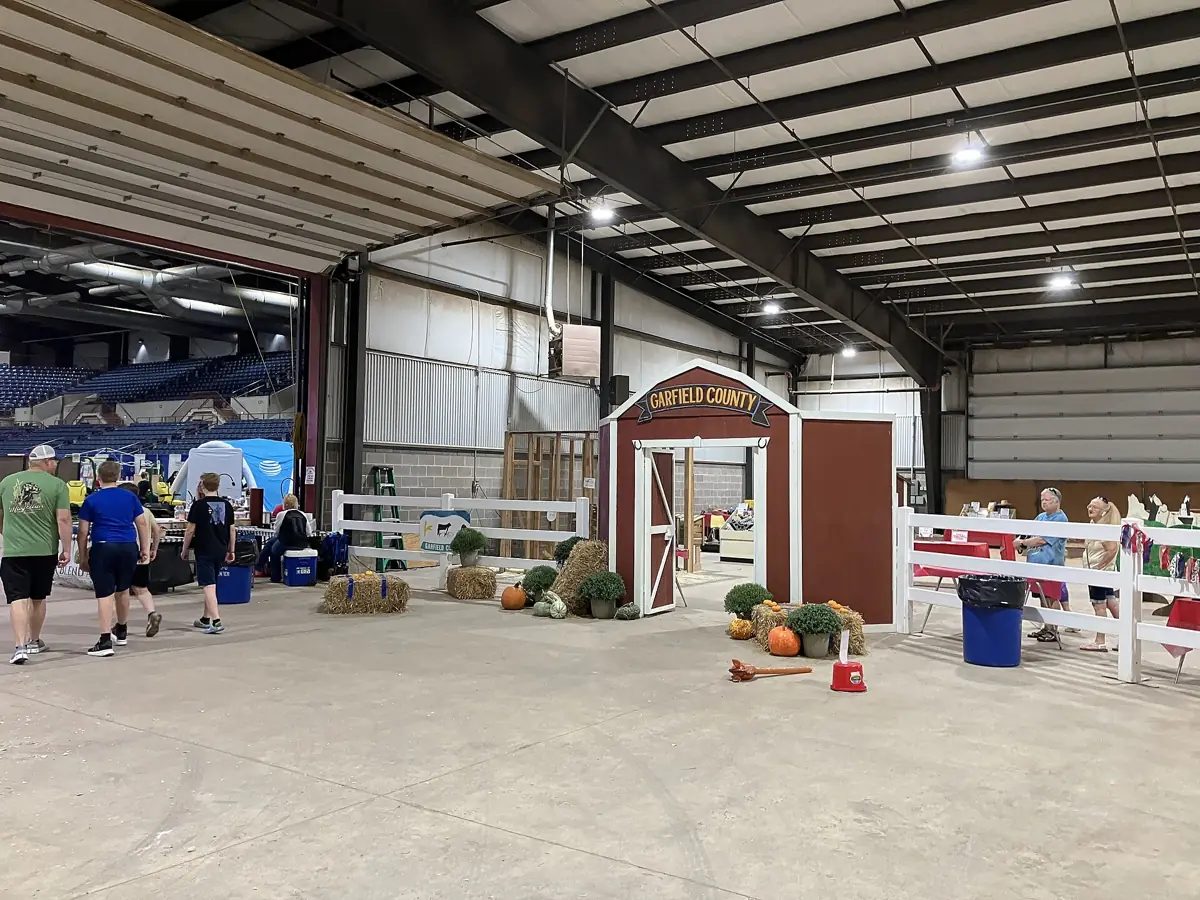
Contest hopefuls face a particular version of the same uncertainty. The tourism layer announces a calling contest and a costume contest without printing entry terms, sign-up times, or age divisions, so anyone determined to compete should ask the tourism office in advance how entries are handled, or arrive early enough on the day to find out at the Depot. A costume, at least, can be prepared without paperwork: fur, height, and a confident lumbering walk travel well, and the contest’s existence is one of the best-attested facts in the whole record.
A Sample Day at the Depot
No hours were published for the two thousand twenty-five edition, so this itinerary follows the programme’s own logic rather than a clock. Arrive at the historic Depot with the morning crowd and settle in for the speakers and researchers, whose talks give the day its backbone. Break for the encounter reports, the session where neighbours and visitors trade their stories of strange sounds and stranger silhouettes. Eat from the food trucks at midday, while the grounds are busiest. Give the afternoon to the celebrity appearances by Turtle Man and Swamp Man, then stay for the contests — the calling competition for the bold of lung, the costume contest for the bold of wardrobe — before the day winds down at the Depot.
How It Compares
Kentucky supports several gatherings of this kind, and the layers read name two others only to set them apart. The Red River Gorge Bigfoot Fest belongs to Stanton in Powell County; the Park City Bigfoot Festival belongs to Barren County. Neither is this event, and details from their programmes have no place here. Olive Hill’s version is distinguished by its setting — a single day wrapped around a historic railroad depot — by its promotion through the county’s own tourism office, and, frankly, by how little print it has generated: one thorough tourism write-up and one directory line, where bigger cryptid festivals accumulate coverage the Carter County day has not.
Checklist
- Confirm a current date through Carter County Tourism or the community-events listings before travelling
- Carry small bills, since admission and contest charges are not published anywhere in the record
- Bring a costume if entering the Bigfoot costume contest appeals
- Practise a calling-contest whoop somewhere the neighbours will forgive you
- Pack a jacket for the September evening in the hills
- Keep a camera ready — for the costumes, at minimum
- Leave time to look at the historic Depot itself between sessions
Beyond the Festival Grounds
The layers read are narrow, and a Beyond section has to respect that narrowness. They name no second Olive Hill attraction, no companion event on the same weekend, and no official side programme. What can be said truthfully is that the Depot itself is the town’s landmark in this record — a historic railroad building doing double duty as a festival hall — and that Olive Hill sits in the folded, wooded country of Carter County, where a visitor already travelling for the festival will find the region’s scenery doing quiet work between sessions. Grayson, the county seat, is the county’s other pole; travellers passing through it are in the same county the festival’s tourism office serves, though no layer ties the seat’s own events to this one.
That narrowness can be read two ways. It may mean the festival is a small, young gathering that has not yet attracted the coverage bigger events collect. It may equally mean the day is a local habit, repeated or repeatable without much fuss, that print simply has not kept up with. The honest traveller holds both possibilities open, checks the tourism channels before setting out, and treats whatever is found there — a new date, or continued quiet — as the answer.
Why a Small Cryptid Day Matters
A one-day festival about an unproven animal might look like a novelty, and in part it cheerfully is. But the structure underneath is serious small-town economics: a tourism office spending its promotional reach on an event that fills a depot, feeds visitors from local trucks, and gives residents a stage for the stories their landscape has always produced. Folklore, treated this way, is not a claim about zoology. It is a community asset — a reason for strangers to drive into Olive Hill, spend an afternoon, and leave knowing the town’s name. The directory’s decision to keep the listing active into two thousand twenty-six hints that the experiment was not regarded as finished, even if print has yet to show a second chapter.
Frequently Asked Questions
Which of the printed names is the right one?
The county tourism layer, the fullest source, uses Carter County Bigfoot Fest and shortens it to Bigfoot Fest; the cryptozoology directory prints Carter County Bigfoot Festival. All three forms point to the same Olive Hill event, and this article follows the tourism layer’s longer form while keeping the others visible.
Who were the special guests at the documented edition?
The tourism layer names the media personalities Turtle Man and Swamp Man as appearing at the two thousand twenty-five gathering. It does not describe their segments, give stage times, or say whether either man judged the contests, so their billing is reported here as an appearance and nothing more.
What actually happens in a Bigfoot calling contest?
The record offers the contest’s name and little else. By the plain meaning of the title, entrants imitate the cries attributed to the creature and a winner is chosen, but the tourism layer prints no rules, no entry terms, and no list of past winners, and none has been invented for this page.
Is Olive Hill the seat of Carter County?
It is not. Reference layers place the county seat at Grayson. Olive Hill’s role in this story is host town: the historic Depot stands there, the tourism announcement puts the festival there, and the directory’s listing agrees on the town while varying the event’s name.
What to Expect From the Next Carter County Kentucky Carter County Bigfoot Fest Festival
How often is Carter County Kentucky Carter County Bigfoot Fest Festival held?
Print does not establish a rhythm. One dated edition exists — the thirteenth of September, two thousand twenty-five — and the directory still carried the event as active in two thousand twenty-six, but a single date plus a live listing cannot prove an annual cycle, so no frequency is claimed here.
When is the next Carter County Kentucky Carter County Bigfoot Fest Festival?
No next date appears in any layer read. A future edition would most plausibly surface the way the first one did, through a Carter County Tourism announcement or a community-events listing, and until one appears the question stays open rather than guessed at.
Will the dates change?
With only one documented date, there is no pattern for a change to break. A revived edition could keep the mid-September Saturday or move entirely; the record gives no organiser’s statement on the point, and this page will not manufacture one.
Closing
The Carter County Bigfoot Fest, as print preserves it, is one September day in Olive Hill: a historic depot, a roster of speakers and storytellers, two famous guests, a pair of good-humoured contests, and food trucks at the kerb. That is a small dossier, and it has been presented at its true size — every documented element included, every gap left visible. If the creature ever does walk out of the Carter County woods, it will find a town that has already built it a welcome.